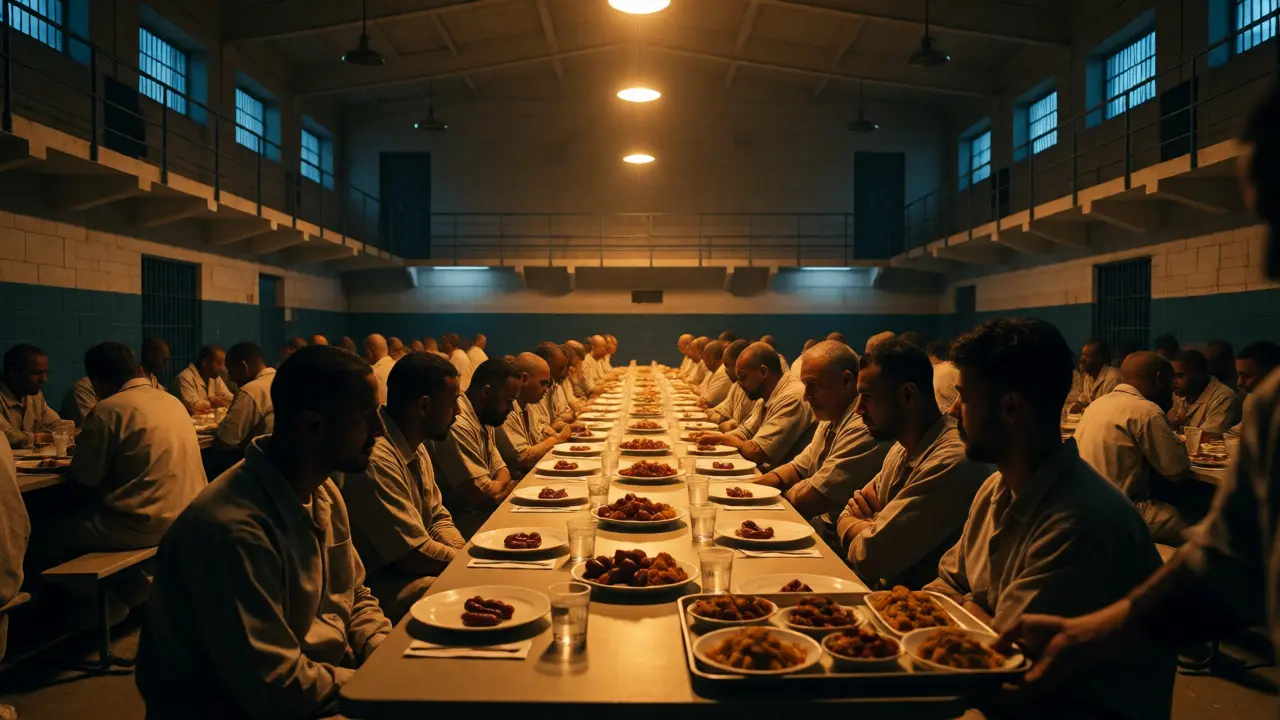
You might think a prison recreation schedule is just about basketball tournaments and weightlifting hours. But if you look closely at successful facilities, you’ll see something else: a calendar packed with Ramadan dinners, Diwali celebrations, Native American sweat lodge ceremonies, and Black History Month showcases. These aren’t just "nice-to-have" extras. They are critical tools for reducing tension, building community, and helping people find meaning while they serve time.
Why does this matter? Because isolation breaks people down. Routine without connection feels like punishment rather than management. When you mix cultural awareness with spiritual practice in the daily routine, you change the atmosphere of the entire unit. It stops being just a holding cell and starts becoming a place where humans can still be human.
More Than Just Free Time
Correctional recreation has traditionally focused on physical health. Get them moving, keep them tired enough to sleep, and burn off excess energy that might turn into violence. That logic holds up, but it’s incomplete. Human beings need more than exercise; we need purpose. We need to feel seen by our peers and connected to something bigger than ourselves.
This is where Cultural and Faith-Based Events enter the picture. These programs address the psychological and social needs of the incarcerated population. For many individuals, their religious or ethnic identity is the strongest part of who they are. Ignoring that in the daily schedule creates a disconnect. Integrating it builds trust between staff and residents.
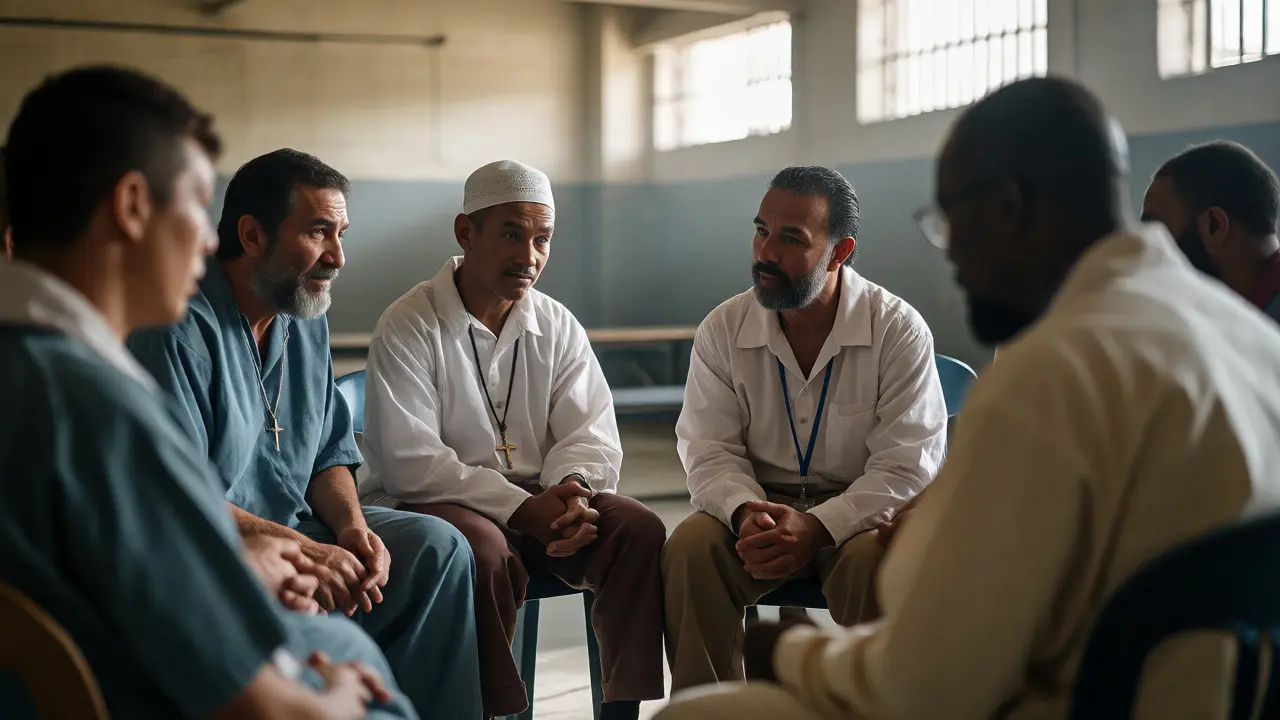
Consider the difference between a generic "free time" block and a scheduled interfaith dialogue session. One leaves people to wander or sit in silence. The other gives them a reason to engage, listen, and speak. This shift reduces idle time, which is often when conflicts start.
The Role of Faith in Rehabilitation
Faith-based initiatives are not just about prayer. They provide a framework for behavior change. Many correctional systems partner with organizations like Prison Fellowship or local mosques and churches to offer structured support. These groups don’t just show up for Sunday service; they mentor, teach, and hold people accountable.
When a facility includes regular faith observances in its official calendar, it signals that these practices are legitimate parts of life inside. It validates the individual’s worldview. For someone struggling with guilt or shame, a weekly Bible study or Quranic recitation circle can offer a path toward forgiveness and self-improvement that therapy alone sometimes misses.
But here’s the catch: inclusion must be genuine. If you only invite Christian chaplains because they’re easier to coordinate, you alienate Muslim, Jewish, Hindu, Buddhist, and Indigenous inmates. A balanced calendar requires active outreach to diverse religious leaders. It means making space for dietary restrictions during holidays and adjusting noise levels during meditation periods.
Celebrating Diversity Through Culture
Culture is the vehicle through which values are passed down. In a diverse prison population, celebrating different cultures helps bridge gaps between racial and ethnic groups. Instead of letting differences fuel division, you use them as topics for learning.
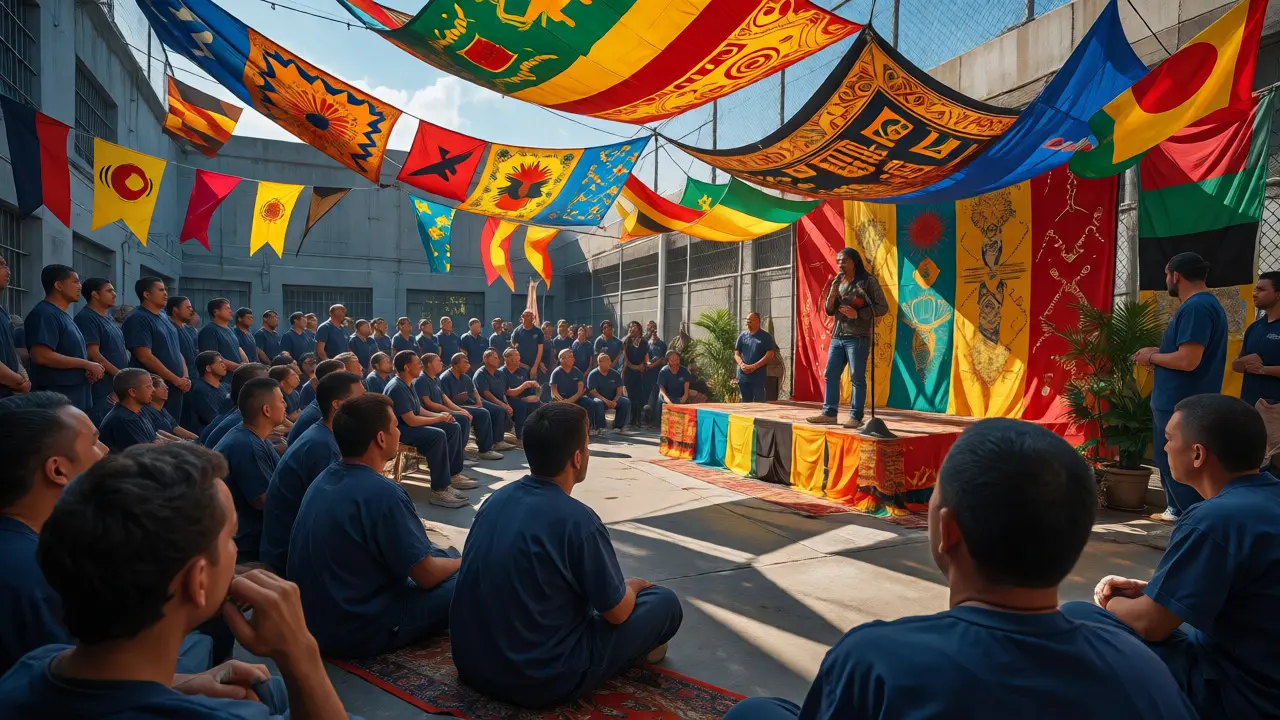
Think about Hispanic Heritage Month or Juneteenth. When these dates appear on the recreation calendar, they become opportunities for education. You might host a cooking demonstration featuring traditional dishes from Mexico or West Africa. Or perhaps you organize a poetry slam highlighting voices from the African diaspora. These activities do two things: they honor the heritage of specific groups, and they educate others who might not understand those traditions.
This approach reduces "us versus them" mentalities. When an inmate sees another group sharing their music or art, it humanizes them. It becomes harder to stereotype someone when you’ve tasted their food or heard their stories. Cultural events create shared experiences that transcend gang lines or regional affiliations.
Practical Challenges in Scheduling
Implementing this isn’t simple. Prisons operate on strict security protocols. Moving large groups of people around requires guards, transport, and coordination. Adding extra events strains already tight budgets and staffing levels.
- Security Constraints: Can you safely move fifty inmates to the chapel for a Passover Seder? Does the venue allow for proper supervision?
- Dietary Needs: Kosher, Halal, and vegetarian meals require special procurement and preparation. Last-minute changes disrupt kitchen operations.
- Staff Buy-in: Guards need training to respect religious sensitivities. Misunderstandings can lead to friction if staff view rituals as disruptions rather than rights.
- Volunteer Vetting: Outside religious leaders and cultural performers must pass background checks. Delays here can cancel planned events.
To overcome these hurdles, forward-thinking facilities create dedicated committees. These groups include staff, chaplains, and inmate representatives. They plan six months in advance, securing volunteers and resources early. They also establish clear guidelines for what constitutes a "religious accommodation" versus a "recreational privilege." This clarity prevents favoritism complaints.
Measuring Impact Beyond Headcounts
How do you know if these events work? Don’t just count attendance numbers. Look at behavioral data. Did disciplinary reports drop during weeks with heavy cultural programming? Did participation in educational classes increase among those involved in faith groups?
Qualitative feedback matters too. Conduct anonymous surveys asking residents if they feel more respected. Do they feel safer? Many studies suggest that strong social bonds reduce recidivism. If an inmate maintains connections with a faith community or cultural group while incarcerated, they are more likely to stay connected after release. That continuity supports successful reentry.
| Feature | Traditional Model | Integrated Model |
|---|---|---|
| Primary Focus | Physical fitness & containment | Holistic well-being & community |
| Social Interaction | Limited (team sports) | Broad (dialogue, arts, worship) |
| Staff Role | Monitor & enforce | Facilitate & engage |
| Inmate Engagement | Passive or competitive | Active & participatory |
| Long-term Outcome | Maintained order | Reduced recidivism potential |
Building a Balanced Calendar
A good calendar reflects the demographics of the facility. If 40% of your population is Muslim, Ramadan should be a major focus. If there’s a significant Native American presence, powwows or healing circles need visibility. Start small. You don’t need every holiday celebrated with a gala. Begin with monthly observances that have high interest.
Rotate themes throughout the year. January might focus on New Year resolutions across all faiths. February could highlight Black history. March might feature St. Patrick’s Day alongside Holi. April brings Easter and Passover. May focuses on Vesak (Buddha’s birthday). June highlights Pride and Juneteenth. July features Independence Day reflections. August honors National Hispanic Heritage Month (starting mid-month). September observes Rosh Hashanah and Yom Kippur. October celebrates Diwali. November focuses on Thanksgiving gratitude circles. December wraps up with Hanukkah and Christmas.
Involve the inmates in planning. Let them propose ideas. When they own the event, they protect it. They ensure cleanliness, punctuality, and respect. This ownership transforms passive participants into active stakeholders in their own environment.
Do faith-based events violate the separation of church and state in prisons?
No. The First Amendment guarantees free exercise of religion. Providing access to religious services and accommodations is a constitutional right, not a government endorsement of one faith over another. As long as the facility offers equal opportunity for various religions and doesn't force participation, it remains compliant.
How do you handle dietary restrictions for religious events?
Planning ahead is key. Facilities often contract with specialized vendors or designate specific kitchen times for preparing Kosher, Halal, or vegetarian meals. In some cases, approved outside food deliveries are allowed for major holidays. Clear communication with the food service department ensures these meals are available without disrupting the general population's dining schedule.
What if an inmate belongs to no recognized religion?
Secular humanist groups and ethical societies increasingly participate in correctional programming. Additionally, cultural events are open to everyone regardless of faith. An atheist can enjoy a jazz concert, a poetry reading, or a historical lecture. The goal is inclusive community building, not conversion.
Does adding these events increase operational costs significantly?
Costs vary. Volunteer-led programs minimize expenses. Using existing facilities (chapel, library, dayroom) avoids rental fees. While special foods may cost more, the potential savings from reduced disciplinary incidents and improved staff morale often offset these expenditures. Grant funding from non-profits can also help cover specific project costs.
How do security concerns affect religious gatherings?
Security protocols remain paramount. Gatherings are monitored, and contraband rules apply strictly. However, trained staff learn to distinguish between disruptive behavior and respectful devotion. By integrating these events into the standard movement schedule, administrators can manage flow efficiently without compromising safety.