
Getting out of a California prison is a huge milestone, but it’s not the finish line. It’s more like passing the halfway mark in a marathon where you’re still being watched by race officials. If you or someone you know is preparing for release from the California Department of Corrections and Rehabilitation (CDCR), understanding the rules of the road is critical. One slip-up-like missing a check-in or taking a trip without asking-can send you right back to custody. This guide breaks down the standard conditions every parolee faces, so you don’t get blindsided by the fine print.
The Core Rules: What Every Parolee Must Do
Parole isn’t freedom; it’s conditional liberty. The state grants you permission to live in the community, but that permission comes with strings attached. These strings are defined by law and enforced by your assigned parole agent. While individual conditions can vary based on your crime and behavior, there is a baseline set of rules that applies to nearly everyone released under parole supervision in California.
At its heart, parole is about two things: monitoring and rehabilitation. You have to prove you’re staying clean, following the law, and integrating into society. Failure to do any of these three things triggers immediate consequences. Let’s look at the specific duties you’ll be expected to fulfill.
| Obligation | Frequency/Requirement | Consequence of Violation |
|---|---|---|
| Reporting to Agent | As directed (often monthly initially) | Warrant issued; return to custody |
| Search Condition | Anytime, any place, no warrant needed | Contraband found = violation |
| Travel Restrictions | No leaving county/state without permit | Violation of condition #10 |
| Law Abiding Behavior | Obey all laws | New arrest leads to revocation hearing |
Reporting Requirements: Keeping Your Agent Happy
Your parole agent is your lifeline and your watchdog. The most common reason people end up back in prison isn’t committing a new crime-it’s failing to report. When you walk out of prison, you are assigned an agent who manages your case. They will give you a schedule for reporting, which usually starts off heavy. You might need to meet them weekly or bi-weekly for the first few months, then it may taper off to monthly as you demonstrate stability.
You must show up when you’re supposed to. If you’re sick, call ahead. If you have a job interview that conflicts, ask for a reschedule in advance. Ignoring a scheduled appointment looks like evasion, and agents take evasion seriously. Furthermore, you must keep your contact information current. If you move, change phone numbers, or lose your job, you have to tell your agent immediately. Not doing so is a technical violation, even if you haven’t done anything else wrong.
During these meetings, expect questions about your employment, housing, and social circle. Agents aren’t just checking boxes; they’re assessing risk. Are you hanging out with old friends who also have criminal records? Do you have a stable place to sleep? Being honest here helps build trust. A trusted parolee often gets more flexibility than one who seems evasive.
The Search Condition: No Place to Hide
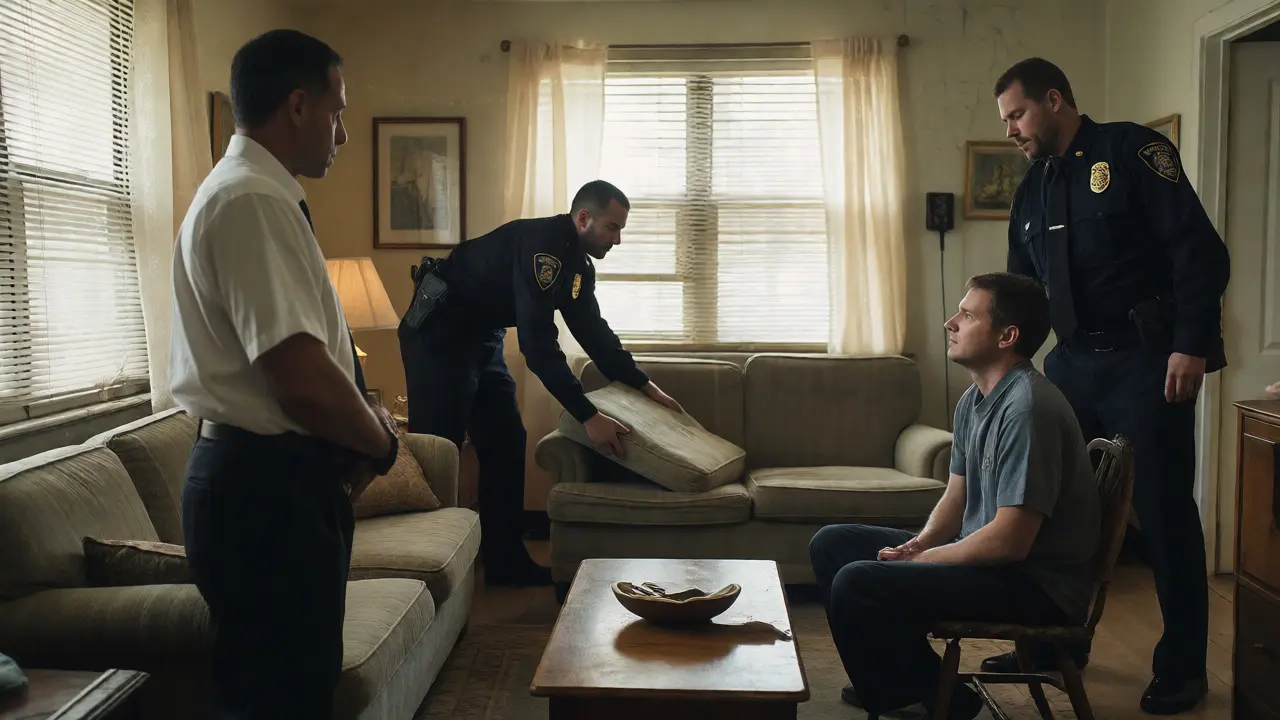
This is probably the most intimidating part of parole for many people: the search condition. In California, standard parole conditions include a clause stating that you consent to searches of your person, vehicle, residence, and property at any time, with or without a warrant, and with or without probable cause. This means your parole agent, or even local police acting in coordination with corrections, can come to your home and tear it apart looking for contraband.
What counts as contraband? Obviously, illegal drugs and weapons are top of the list. But it can also include unregistered firearms, excessive cash (which might suggest drug dealing), or alcohol if your conditions prohibit it. Even legal items can become problems if they violate specific court orders, like seeing a victim’s family member if a restraining order is in place.
How should you handle a search? Stay calm. Don’t argue about whether they “really” need to search. Since you signed the parole agreement, you’ve already given consent. Argue later if you feel the search was abusive, but during the moment, cooperation is key. Resistance can lead to physical force and additional charges. Keep your living space tidy and free of obvious hazards. If you live with roommates, make sure they understand the stakes too-one roommate’s stash can jeopardize your parole status.
Travel Limits: Staying Within the Lines
You cannot just hop on a plane or drive across state lines because you feel like it. Standard parole conditions restrict your movement geographically. Typically, you are confined to the county where you are supervised. Leaving your county requires permission. Leaving the state definitely requires written approval from your supervising agency.
Why does this matter? Because if you’re arrested in another jurisdiction while on parole, the paperwork gets messy fast. Other states may hold you longer or treat you differently than California would. By keeping you within reach, CDCR ensures they can monitor you effectively.
If you need to travel-for work, family emergencies, or medical appointments-you must request a travel pass well in advance. Give your agent time to review the request. Explain the purpose, the destination, the dates, and how you’ll stay in touch. For short trips, verbal approval might suffice, but always confirm in writing or via email if possible. Never assume you’re good to go. If you leave without permission, you’re technically absent without leave (AWOL), which is a serious violation.
Employment and Residence: Building Stability
While not always a “condition” in the same strict sense as reporting, maintaining employment and a stable residence are heavily scrutinized. Many parolees have conditions requiring them to seek and maintain gainful employment. Unemployment doesn’t automatically mean jail, but prolonged idleness raises red flags. Agents want to see that you’re contributing to society and supporting yourself.
Housing stability is equally important. You must provide a verified address where you can receive mail and where officers can find you. Homelessness complicates parole significantly. If you lose your housing, notify your agent immediately. They may help connect you with transitional housing programs. Living in a shelter or temporary accommodation is often allowed, but you must report those changes promptly.
Additionally, avoid associating with other felons or individuals involved in criminal activity, especially if your original conviction was related to gang activity or co-defendants. While you can’t control who you run into at the grocery store, deliberately spending time with known criminals can be viewed as a failure to rehabilitate.

Substance Use and Treatment Programs
For many offenders, substance abuse was a factor in their incarceration. Consequently, parole often includes conditions related to sobriety. You might be required to submit to random drug testing. Failing a test is a violation, regardless of whether you were high at the time of the offense. Some parolees are mandated to attend counseling or support groups like Alcoholics Anonymous (AA) or Narcotics Anonymous (NA).
Even if treatment isn’t mandatory, participating voluntarily looks great on your record. It shows initiative and commitment to change. If you struggle with addiction, talk to your agent early. They can refer you to resources before you fail a test and face disciplinary action. Prevention is far easier than cure when it comes to parole violations.
What Happens If You Violate?
A parole violation isn’t always an instant return to prison. There’s a process. First, your agent files a report detailing the violation. Then, a board or hearing officer reviews the facts. Depending on the severity, you might receive a warning, increased supervision, or a short term in a “slammer” facility (a brief detention center for violators). Serious or repeated violations lead to revocation, meaning you serve the remainder of your sentence plus any added time.
You have rights during this process. You can present evidence, call witnesses, and explain mitigating circumstances. Did you miss a meeting because your car broke down? Did you test positive due to prescription medication? Document everything. Having receipts, doctor’s notes, or employer letters can save your freedom.
Can I drink alcohol while on parole in California?
It depends on your specific conditions. Generally, moderate alcohol consumption is allowed unless your sentence included a ban on alcohol or if you have a history of alcohol-related offenses. However, public intoxication is a crime, so getting drunk in public can lead to an arrest and subsequent parole violation. Always check your personal parole packet for specific prohibitions.
Do I need a lawyer for a parole violation hearing?
You have the right to representation. If you can’t afford a private attorney, the state may appoint counsel depending on the complexity and potential penalties. Having a lawyer is highly recommended because they can navigate the procedural nuances and advocate for lesser sanctions rather than full revocation.
How long does parole last in California?
The length varies by offense. For non-violent felonies, it’s typically three years. For violent felonies, it can be five years or more. Sex offenders often face lifetime registration requirements alongside parole supervision. The clock starts ticking from the day of release, not the date of sentencing.
Can my landlord refuse to rent to me because I’m on parole?
Landlords can deny tenancy based on credit history or income, but blanket bans on ex-felons can sometimes violate fair housing laws, especially if disparate impact is proven. However, they can deny you if they believe you pose a safety risk. Be upfront with potential landlords and offer references from your parole agent to demonstrate reliability.
What happens if I get a new job that requires travel?
You must apply for a travel permit. Provide your employer’s letterhead confirming the job details and travel schedule. Your agent will evaluate if the travel compromises supervision. Often, they’ll allow it if you agree to report remotely or upon return, provided you maintain regular contact.
Navigating life after prison is tough, but knowledge is power. Knowing exactly what parole conditions entail removes the fear of the unknown. Treat your agent as a partner, keep your paperwork organized, and respect the boundaries. Do that, and you’ll cross the finish line with your freedom intact.