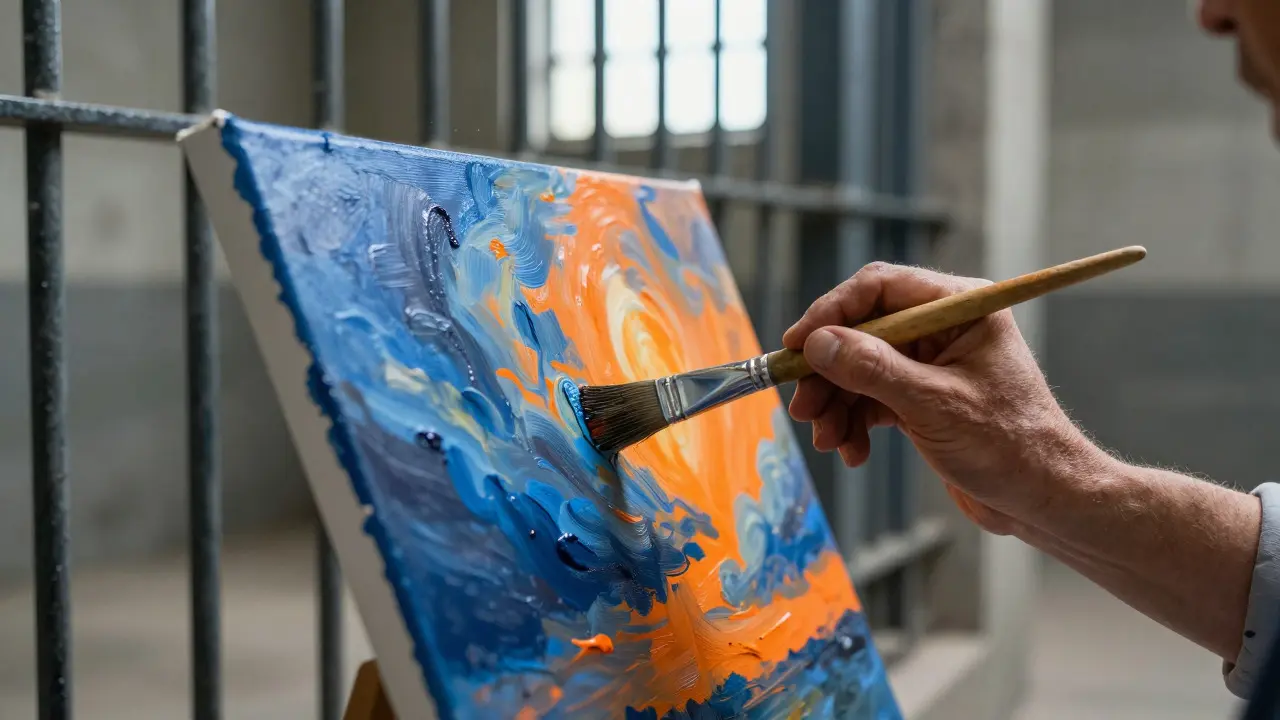
Walking into a maximum-security facility often feels like stepping into a concrete box where individuality is stripped away. Yet, inside those walls, a quiet revolution is happening. It’s not about new laws or better guards; it’s about paint, clay, and rhythm. Prison Art Therapy is a clinical practice using creative mediums to treat psychological distress among incarcerated individuals. For decades, the focus of corrections was containment. Now, the focus is shifting toward restoration. When an inmate picks up a brush or starts writing a poem, they aren't just passing time. They are engaging in a process that lowers cortisol levels, reduces aggression, and prepares them for life outside. This isn't just hobby hour. It's a vital component of modern Correctional Recreation that directly impacts recidivism rates.
The Critical Gap in Inmate Mental Health Care
To understand why art matters here, you have to look at the numbers. The National Alliance on Mental Illness reports that nearly half of all people in state prisons have a diagnosable mental illness. That’s a staggering figure. Traditional talk therapy works well for some, but for many inmates, verbalizing trauma is difficult. Language can feel like a trap. If you’ve ever tried to explain a complex feeling and found the words insufficient, imagine doing that while confined, stressed, and surrounded by tension. Art bypasses this barrier. It allows non-verbal expression. A drawing doesn’t lie. A song doesn’t hide behind polite social norms. It reveals the raw emotion underneath.
When we talk about Inmate Mental Health, we often forget that the environment itself is a stressor. Overcrowding, lack of privacy, and rigid schedules create chronic anxiety. Creative activities provide a controlled space for emotional release. It’s a pressure valve. Without it, emotions build up until they explode in the form of disciplinary infractions. With it, they flow out through color and shape. This isn't magic; it's psychology. The act of creating requires focus, which interrupts rumination loops-the repetitive negative thoughts that fuel depression and anxiety.
How Expressive Arts Function as Clinical Tools
Expressive Arts is a broad term that includes visual arts, music, dance/movement, drama, and poetry. In a prison setting, these are not just pastimes. They are structured interventions. Let’s break down how each medium serves a specific purpose:
- Visual Arts (Painting/Sculpture): These help with spatial awareness and fine motor skills. More importantly, they allow for externalization. An inmate can paint their anger as a dark storm cloud rather than acting it out physically. It creates distance between the person and the emotion.
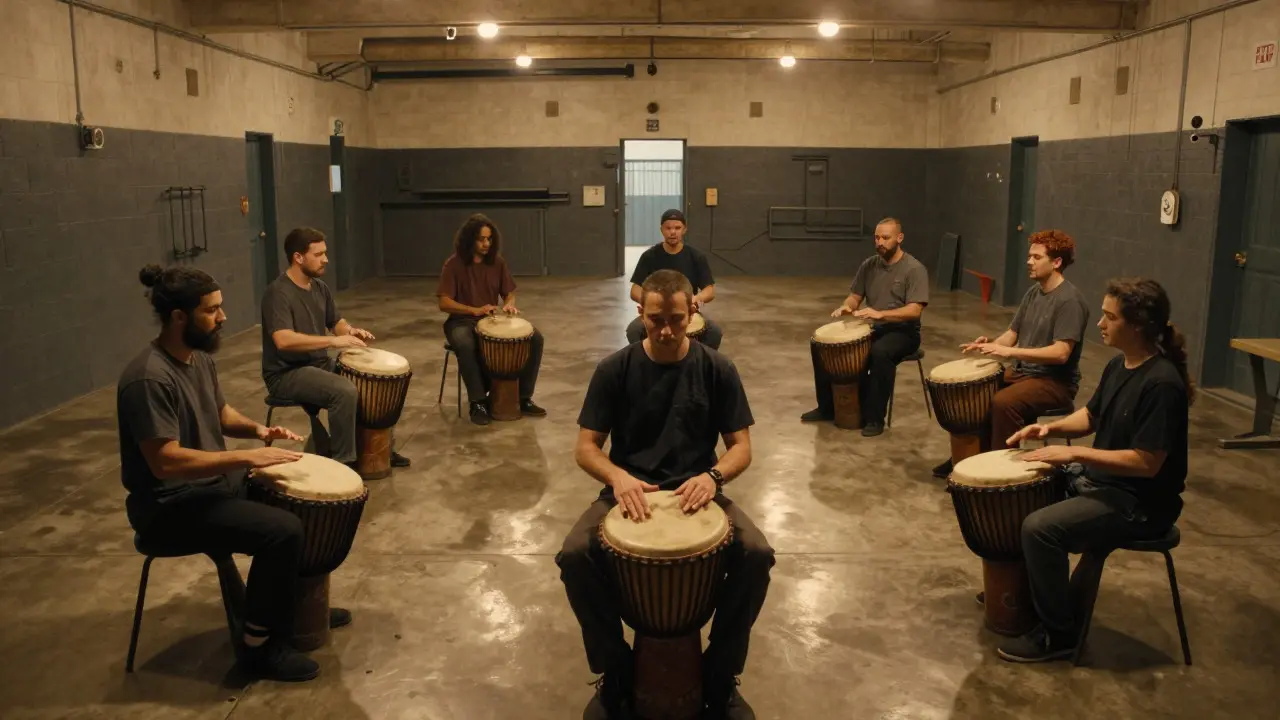
- Music and Rhythm: Music engages both hemispheres of the brain. Group drumming or choir singing builds synchronization and empathy. When you keep a beat together, you’re literally syncing your nervous systems with others. This reduces isolation, a major driver of suicide risk in solitary confinement.
- Drama and Role-Playing: Acting allows inmates to practice social scenarios without real-world consequences. You can rehearse a job interview, a conflict with a neighbor, or a conversation with a family member. It builds confidence and social cognition.
- Poetry and Writing: Journaling helps organize chaotic thoughts. Many famous prison writers, like James Baldwin or Edgar Allan Poe (who had brief stints), used writing to make sense of their existence. It fosters self-reflection and narrative identity.
These methods are backed by research. Studies from the American Psychological Association indicate that creative engagement increases dopamine production, improving mood and motivation. It’s a natural antidepressant available to everyone, regardless of budget.
Recreation vs. Rehabilitation: Redefining Free Time
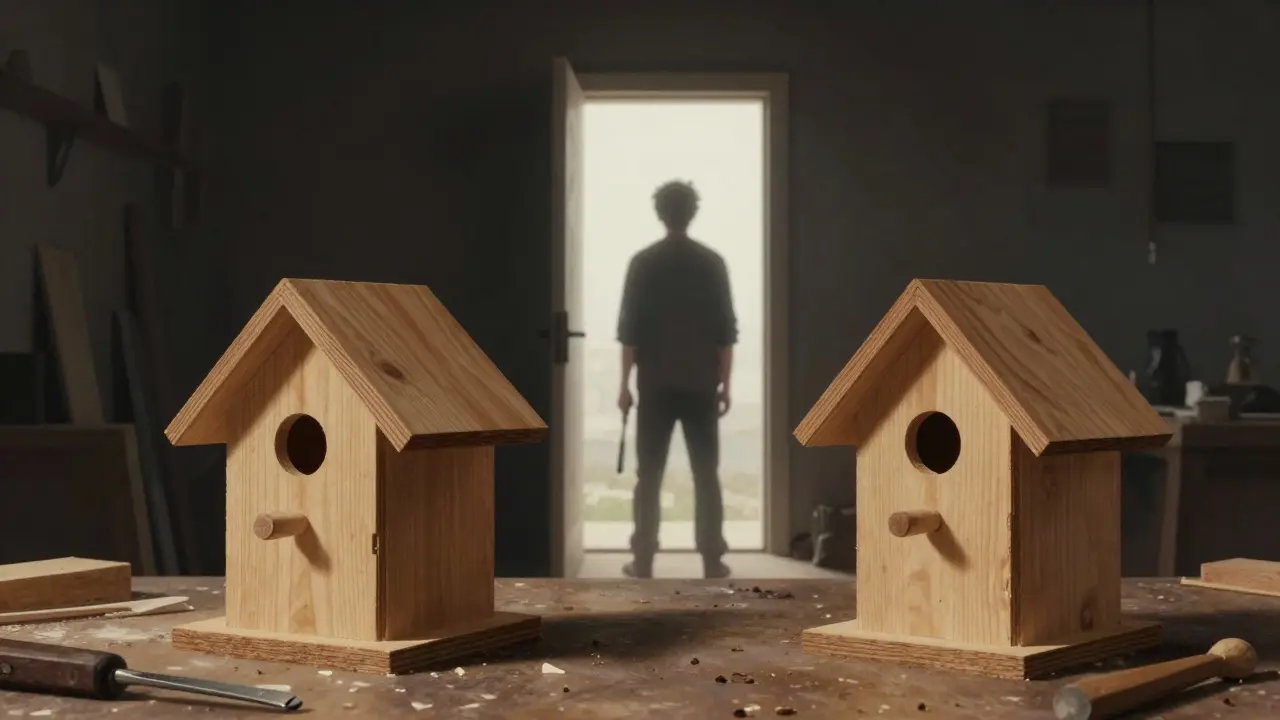
In most facilities, "recreation" means a yard visit or watching TV. It’s passive. Correctional Recreation programs that include active creation change the dynamic. Passive leisure consumes time; active recreation builds skills. When an inmate spends two hours building a wooden birdhouse, they are learning patience, planning, and craftsmanship. These are transferable skills. They learn that effort yields a tangible result. This mindset shift is crucial for reentry. Outside, success rarely happens instantly. It requires sustained effort. Art teaches that lesson daily.
Furthermore, creative recreation breaks the monotony that leads to boredom-induced agitation. Boredom in prison is dangerous. It leads to fights, self-harm, and despair. By introducing varied creative outlets, staff create a more predictable and positive routine. The key is consistency. One-off workshops don’t work. Weekly, ongoing classes create community and continuity. Inmates form groups around shared interests. These peer networks become support systems that last long after release.
Measuring Success: Beyond Feelings
You might ask, "How do we know it’s working?" We don’t just rely on happy faces. We look at hard data. Facilities that implement robust art therapy programs often see a drop in disciplinary reports. Why? Because inmates have a legitimate outlet for frustration. They also see improvements in behavioral health scores. Staff report fewer incidents during class times. But the biggest metric is post-release stability. Inmates who participate in creative programs are more likely to maintain employment and housing after getting out. Why? Because they have a portfolio. They have a skill set. They have a story to tell that isn’t just about their crime.
Consider the case of a mid-level facility in Oregon that introduced a pottery program in 2023. Within six months, participation in the general population dropped by 15%. The inmates weren't just making bowls; they were mastering a craft that could eventually be sold. This sense of agency-of being someone who *makes* things-is powerful. It counters the label of "criminal." It replaces it with "artist," "craftsman," or "writer." Identity is one of the hardest things to rebuild in prison. Art provides the scaffolding.
Implementation Challenges and Solutions
It’s not all smooth sailing. Implementing these programs faces real hurdles. Budget is the biggest one. Art supplies cost money. Qualified therapists cost more. Security concerns arise too. Can you trust scissors? What about sharp tools? The answer is usually yes, if managed properly. Most facilities use safety-grade materials. Scissors are dull-tipped. Knives are handled under supervision. The risk is manageable. The benefit is high.
Staff training is another gap. Correctional officers need to understand that art class isn't "soft." It’s discipline. It’s structure. When staff view creative time as wasted time, they undermine the program. Training sessions that show the link between creativity and behavior management help bridge this gap. Once officers see that a calm, focused inmate is easier to manage than an agitated one, they become allies in the program.
| Feature | Traditional Recreation (TV/Yard) | Expressive Arts Program |
|---|---|---|
| Engagement Type | Passive Consumption | Active Creation |
| Mental Health Impact | Low / Neutral | High / Therapeutic |
| Skill Acquisition | Minimal | Transferable (Craft, Communication) |
| Social Dynamics | Often Competitive or Isolated | Collaborative and Supportive |
| Recidivism Link | No Direct Correlation | Positive Correlation with Stability |
The Path Forward: Integrating Creativity into Policy
For prison administrators and policymakers, the message is clear. Art therapy is not a luxury. It is a cost-effective tool for reducing long-term societal costs. Every dollar spent on a quality art program saves dollars in future incarceration, emergency room visits, and welfare dependency. It aligns with the broader goal of rehabilitation. If we want inmates to return as productive citizens, we must give them tools to heal and create. The next step is standardization. We need guidelines for what constitutes an effective program. We need funding models that sustain these initiatives beyond grant cycles. And we need to listen to the inmates themselves. They know what works. They know what helps them breathe. By honoring their creative voice, we honor their humanity. And in a place designed to strip it away, that is the most radical act of all.
Is art therapy only for inmates with diagnosed mental illness?
No. While it is clinically beneficial for those with diagnoses, art therapy is effective for the general population. It helps anyone manage stress, improve self-esteem, and develop coping mechanisms. Even inmates without formal diagnoses benefit from the emotional regulation and social connection provided by creative activities.
What are the security risks associated with art supplies in prison?
Risks are minimal when proper protocols are followed. Facilities use safety-rated tools such as blunt-tip scissors, plastic knives, and non-toxic paints. Supervision levels are adjusted based on the activity. The potential for harm is far lower than the benefits gained from reduced aggression and improved mental health.
How does art therapy differ from regular hobby clubs?
Hobby clubs focus on the end product or casual enjoyment. Art therapy, especially when led by a trained professional, focuses on the process and emotional exploration. However, even informal hobby clubs offer significant therapeutic benefits by providing structure, community, and a sense of accomplishment. The distinction lies in intent and facilitation.
Can art created in prison be sold?
Yes, many facilities have established markets or partnerships with galleries to sell inmate artwork. Proceeds often go back to the inmate's commissary account or are used to fund the program. Selling art boosts pride and financial responsibility, further supporting successful reentry.
What is the most common form of expressive art used in prisons?
Visual arts, particularly painting and drawing, are the most common due to low equipment costs and ease of supervision. However, music and writing are also widely adopted because they require minimal physical space and can be done individually or in small groups.