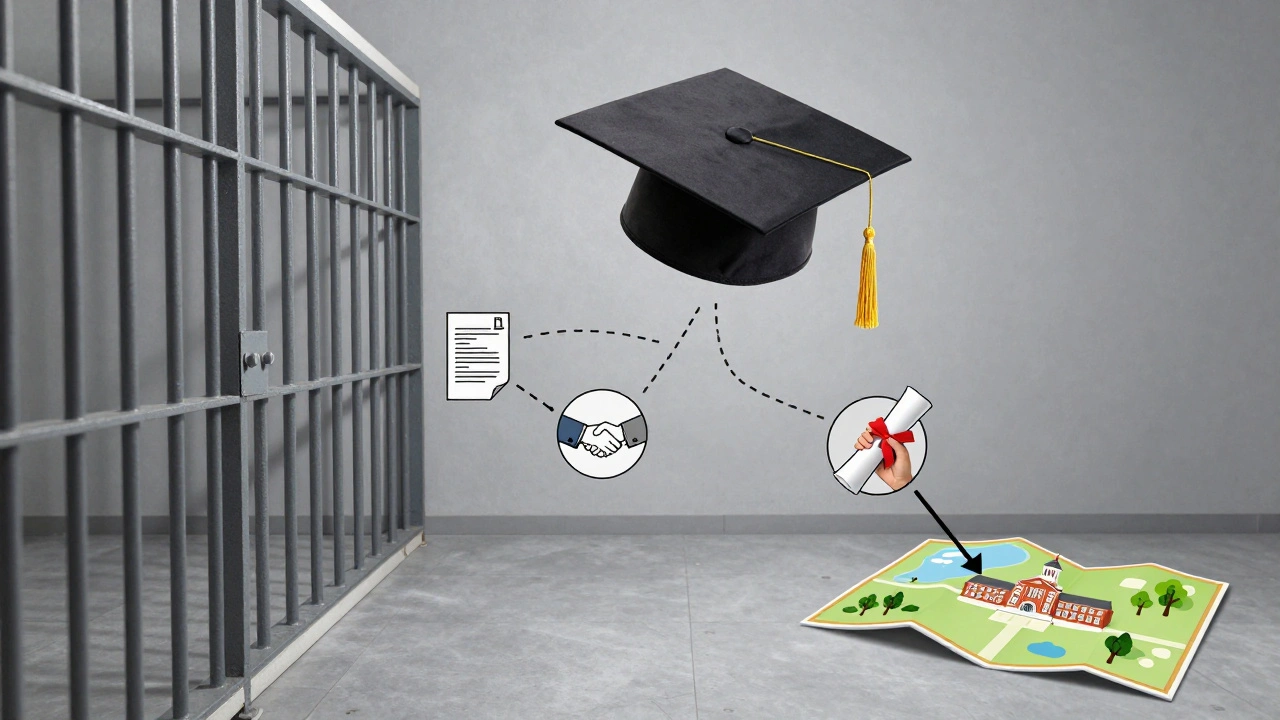
When someone is incarcerated, education isn’t just about passing time. For many, it’s the first real chance to rebuild their future. Since Congress reinstated Pell Grant eligibility for incarcerated students in 2023, colleges across the U.S. have been scrambling to catch up-not just with funding, but with real support systems. Academic advising and career pathways in prisons aren’t just nice-to-have extras. They’re the difference between someone finishing a degree and dropping out before release. And for those leaving prison, these services can mean the difference between finding stable work and returning to incarceration.
Why Academic Advising in Prison Is Different
Traditional college advising assumes students have access to campus resources: online portals, tutoring centers, mental health clinics, career fairs. But in prison, none of that exists the same way. Students can’t walk to a counselor’s office. They can’t log into a learning management system without staff approval. They can’t even access JSTOR or other research databases unless the prison has specifically partnered with a provider. At the University of Wisconsin-Madison’s Prison Education Initiative (PEI), advisors don’t just hand out degree checklists. They work with correctional staff to schedule sessions around lockdowns, cell searches, and meal times. They bring printed course materials because online systems are unreliable. They track student progress across multiple facilities because inmates are often transferred without notice. This isn’t about making prison education "like regular college." It’s about building something entirely new-one that works within the rules of a prison while still delivering the same outcomes as any university program.How Career Pathways Are Built from the Inside Out
Career advising in prison doesn’t start with resume workshops. It starts with trust. Many incarcerated students have never had someone sit down with them and say, "What do you want to do after you get out?" Some have been told their past defines their future. Advisors change that narrative by connecting education to real jobs. At Loyola University Chicago, a full-time social worker meets with each student individually. They don’t just talk about classes-they talk about housing, childcare, transportation, and how to talk to employers about a criminal record. They help students build portfolios of work done in prison: writing samples, research projects, even tutoring others. One key strategy is offering college credits that are identical to those given on campus. If a student takes a sociology course in prison and earns an A, that course counts the same as if they took it at the main campus. That means when they’re released, they don’t start over. They pick up where they left off. The University of Puget Sound found that students who completed degrees with this kind of seamless transition were 68% more likely to be employed within six months of release.The Role of Lived Experience in Advising
One of the most powerful changes in prison education since 2023 has been the inclusion of formerly incarcerated people as advisors, researchers, and program designers. At UW-Madison, researchers didn’t just interview incarcerated students-they hired them as peer researchers. These individuals conducted over 400 interviews, helped design survey questions, and shaped the direction of the entire program. Their input didn’t just improve data collection-it changed how the program thought about mental health, motivation, and persistence. One advisor, who had served 17 years and earned a bachelor’s degree in prison, said: "They thought we needed mindfulness. We needed someone to believe we could change. That’s what kept me going." This shift isn’t just ethical-it’s practical. People who’ve been through the system know what barriers really matter: the 30-day wait for a transcript, the lack of phone access to talk to employers, the fear of being labeled "ex-con" before you even walk out the gate.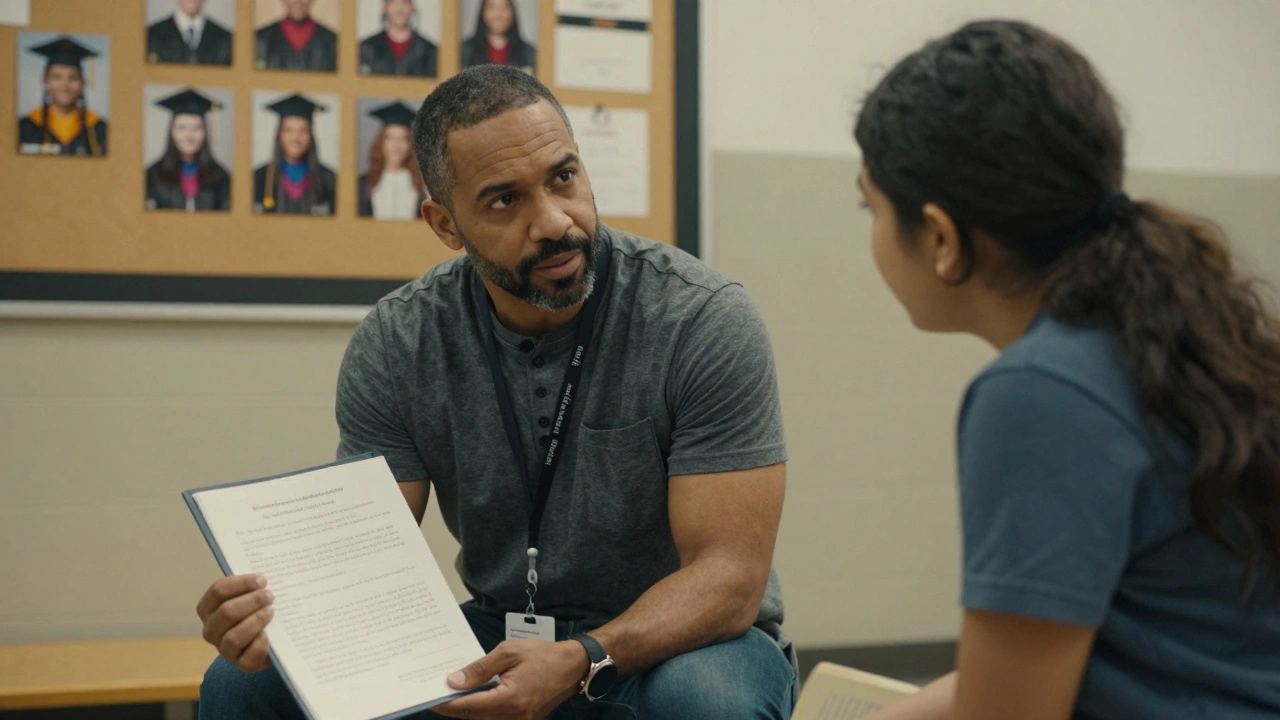
Barriers That Still Exist
Despite progress, major roadblocks remain. Many colleges still treat prison education as charity work. Faculty who teach in prisons often do it on top of their regular load, with no extra pay, no credit toward promotion, and no training. That leads to high turnover. Students get a new advisor every semester. That’s not advising-it’s whiplash. Another issue? Access. Even though the Pell Grant reinstatement requires colleges to give incarcerated students "the same access" as on-campus students, most haven’t figured out how. How do you give someone in solitary confinement access to a career counselor? How do you ensure they can use a learning management system if they only get one hour of computer time per week? And then there’s bureaucracy. Some prisons still require all course materials to be printed and mailed. Others ban any outside contact with students unless approved by five different departments. One advisor at a Midwestern university spent nine months just getting permission to email a student a syllabus.What Works: Proven Strategies
Based on research from 2024 and 2025, here’s what successful programs have in common:- Faculty are compensated for teaching in prison. Not as "volunteers." As part of their job.
- Training is mandatory for all staff who interact with incarcerated students. They learn about trauma, institutional bias, and how to communicate without sounding patronizing.
- Advising is continuous. Students get support before enrollment, during coursework, and after release. No gaps.
- Students help design the program. Advisory boards include currently and formerly incarcerated individuals-not just as token voices, but as decision-makers.
- Transcripts and credits transfer. If a student earns a degree in prison, it’s recognized by the same university that issued it.
At UW-Madison, they created a "learning community" model: students, advisors, and mentors meet weekly to discuss coursework, personal goals, and challenges. The result? A 92% course completion rate-far higher than the national average for HEP programs.