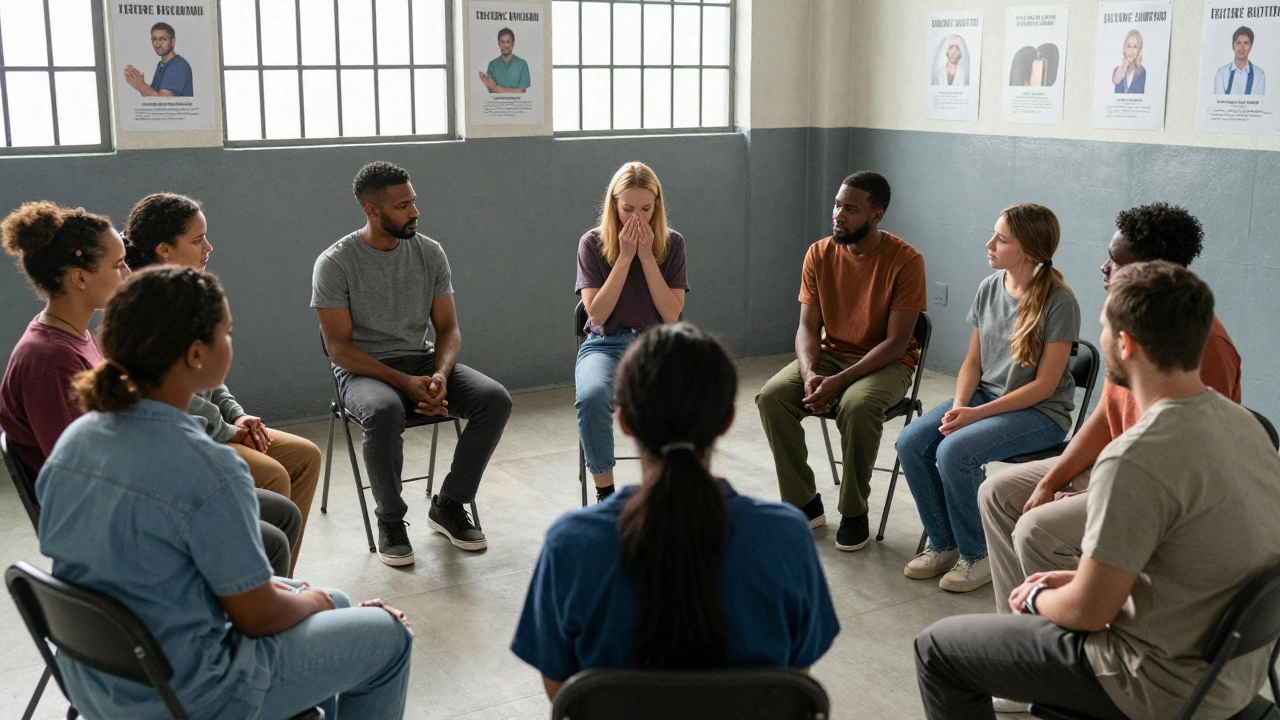
Over half of all people in U.S. prisons have a substance use disorder. Many of them keep coming back-not because they’re bad, but because they never learned how to handle the thoughts and emotions that led them to drugs in the first place. That’s where Cognitive Behavioral Therapy comes in. When CBT is properly mixed with substance use treatment inside jails and prisons, it doesn’t just help people stay clean-it helps them stay out.
How CBT Works Behind Bars
Cognitive Behavioral Therapy, or CBT, is built on a simple idea: what you think affects what you do. If someone believes they can’t cope without drugs, or that everyone is out to get them, they’re more likely to use, steal, or lash out. CBT helps people spot those harmful thoughts and swap them for ones that match reality. In correctional settings, it’s not just about talking. It’s about practice. Role-playing tough conversations. Learning to walk away from a fight. Naming a feeling instead of reaching for a bottle. Federal prisons have offered CBT since at least 2023, thanks to the First Step Act. But it’s not just a program-it’s a tool. When used right, it reduces recidivism by 20 to 30 percent. That’s not a guess. That’s what multiple studies show. For people with substance-related crimes, the numbers are even better. Why? Because addiction and crime often come from the same place: unmanaged stress, trauma, and distorted thinking.Why Integration Matters
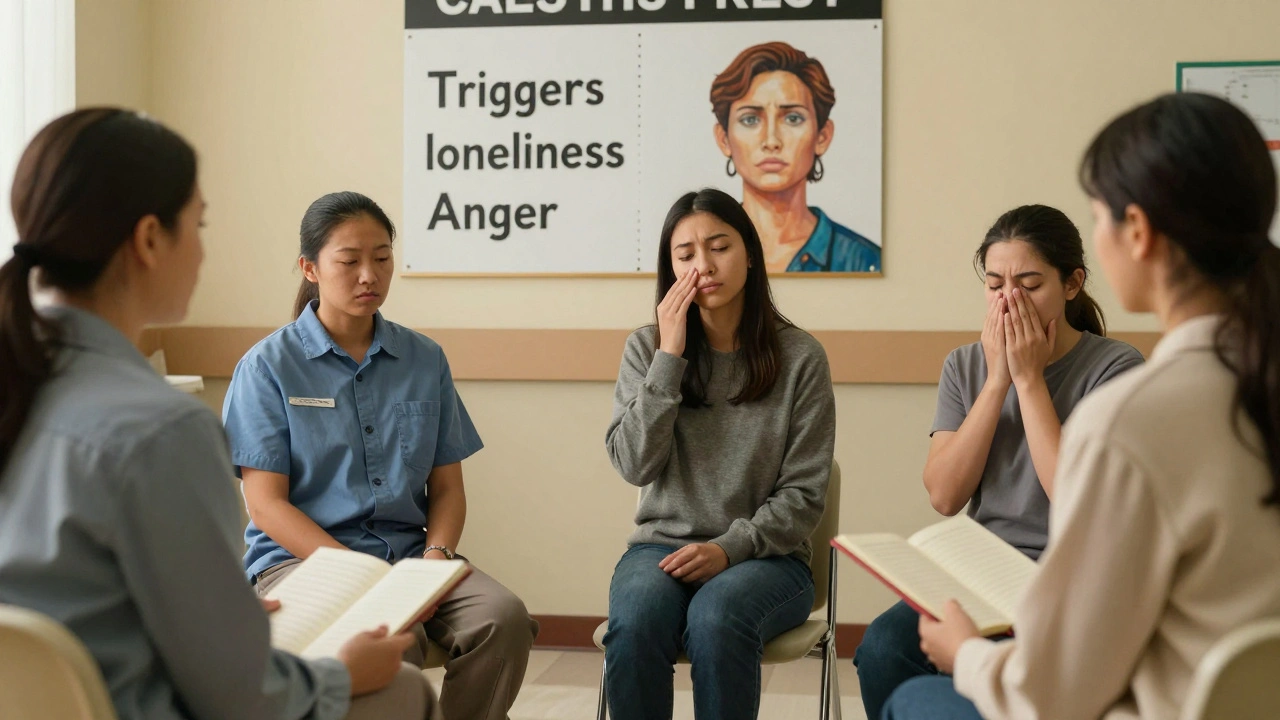
You can’t treat substance use in isolation inside prison. If someone learns how to refuse drugs during group therapy but still believes they’re worthless and deserve to be locked up, they’ll likely relapse the moment they’re released. That’s why CBT has to be paired with substance use treatment. The combination tackles both the behavior and the belief behind it. In these integrated programs, inmates learn to:- Recognize triggers-like anger, loneliness, or being around old using partners
- Challenge thoughts like “I can’t handle this without drugs” or “No one cares if I die”
- Practice refusal skills through role-play
- Build emotional regulation techniques
- Improve communication with peers and staff
Studies show these skills don’t just help with sobriety. They reduce aggression, improve decision-making, and even help people manage symptoms of anxiety, depression, and PTSD-all common among incarcerated populations.
The Missing Piece: What Happens After Release
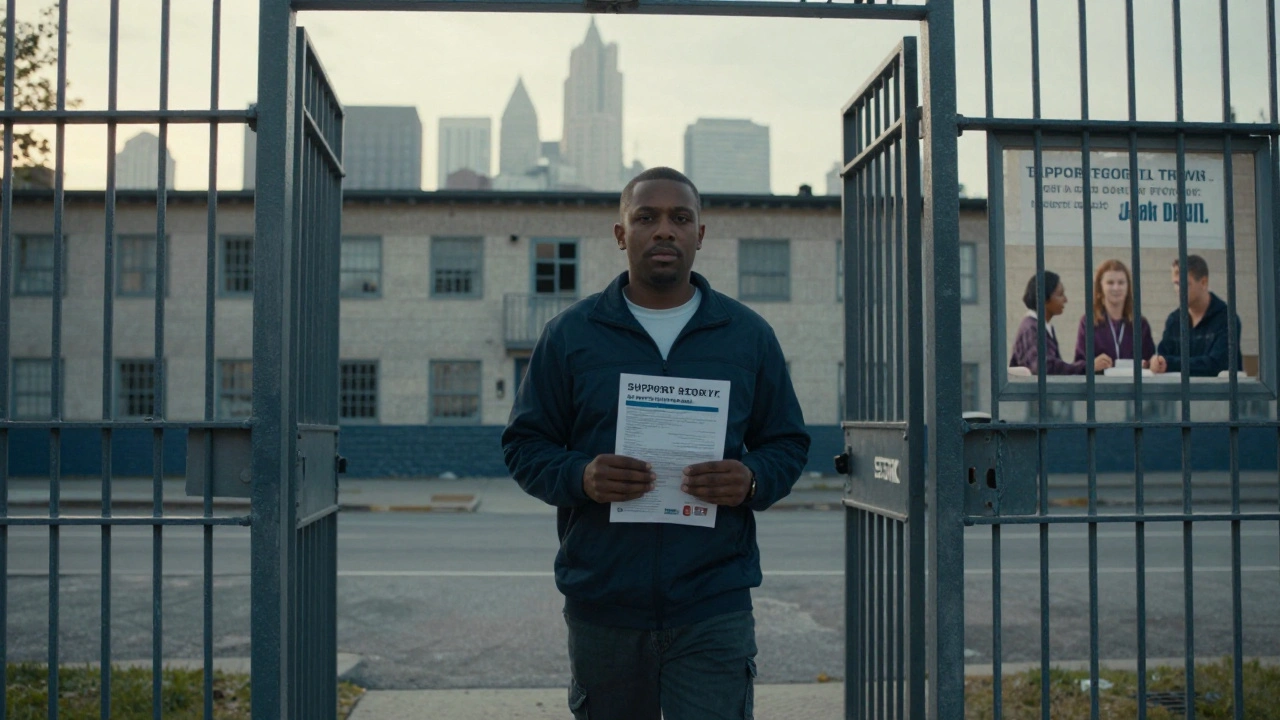
Here’s the hard truth: prison-based CBT alone doesn’t stop people from going back to jail. Not unless it connects to life after release. A major review found that CBT programs with no follow-up after release had zero effect on recidivism. Why? Because getting out of prison is harder than getting in. No job. No housing. No family support. No access to therapy. Suddenly, the coping skills learned behind bars feel useless against real-world pressure. The most successful programs don’t end at the prison gate. They link inmates to:- Community-based counseling
- Employment training or placement
- Housing assistance
- Peer recovery networks
Without these, CBT becomes just another class they passed. With them, it becomes a lifeline.
CBT vs. DBT: Which Works Better?
Not all therapies are created equal. While CBT is widely used, another approach-Dialectical Behavior Therapy (DBT)-is showing stronger results, especially for people with trauma or intense emotional reactions. CBT focuses on changing thoughts to change behavior. DBT goes deeper. It teaches people how to tolerate pain, regulate overwhelming emotions, and build relationships that don’t revolve around crisis. In prison settings, DBT has cut reincarceration rates by up to 40 percent compared to CBT alone. Why? Because many incarcerated people with substance use disorders aren’t just addicted-they’re traumatized. They’ve been abused, abandoned, or neglected. CBT can help them think differently. But DBT helps them feel differently. And for those with high emotional reactivity, that difference is everything. That doesn’t mean CBT is obsolete. It means the best programs use both. CBT for structure and skill-building. DBT for emotional healing. The combination is powerful.Quality Matters More Than Quantity
Not every CBT program in prison works. Some are rushed. Others are led by staff with no training. Some are mandatory, which can make inmates resistant. The programs that actually reduce recidivism share three things:- They’re delivered by trained, consistent therapists-not correctional officers with a clipboard
- They include real practice: role-playing, homework, feedback
- They’re tailored to the population-women, youth, trauma survivors, high-risk offenders
For example, programs designed specifically for women have cut rearrests by up to 35 percent. Why? Because women in prison often have histories of abuse, parenting challenges, and mental health struggles that generic programs ignore.
Who Doesn’t Benefit?
CBT isn’t a magic bullet. It’s less effective for people with high levels of antisocial personality traits. These individuals often lack empathy, manipulate others, and don’t believe they have a problem. For them, CBT can feel like a game they’re winning. That’s why screening is critical. Programs that skip assessments end up wasting resources-or worse, giving false hope. The best systems use tools to identify who will respond to CBT and who needs something else: trauma therapy, medication-assisted treatment, or even more intensive behavioral intervention.The Bigger Picture
Prisons aren’t treatment centers. But they’re often the only place people get help for addiction and mental health. That’s why integrating CBT with substance use treatment isn’t just smart-it’s necessary. The goal isn’t to turn prisons into rehab centers. It’s to give people the tools they need to survive outside. And that means more than therapy. It means jobs. Housing. Family reunification. Community support. The evidence is clear: when CBT is done well, linked to substance use treatment, and connected to life after prison, it saves money, saves lives, and breaks cycles.It’s not about punishment anymore. It’s about change. And change starts with a thought.
Does CBT work for everyone in prison?
No. CBT is most effective for people who are motivated to change and who don’t have severe antisocial traits. Those with high levels of manipulation, lack of empathy, or chronic criminal thinking may not respond well. Screening helps identify who will benefit most.
Is CBT mandatory in prisons?
In many cases, yes. Courts or parole boards often require participation as a condition for release or sentence reduction. While voluntary participation leads to better outcomes, mandatory programs still show benefits when delivered with quality and consistency.
Can CBT reduce drug relapse after release?
Yes, but only if it’s paired with post-release support. People who continue therapy, have access to peer support, and find stable housing after prison are significantly less likely to relapse. CBT teaches skills-but real-world support makes them stick.
Why is trauma important in CBT for substance use?
Over 70% of incarcerated individuals with substance use disorders have experienced trauma. CBT that ignores trauma often fails because it doesn’t address the root cause of addiction. Trauma-informed CBT helps people process past pain without turning to substances, leading to more lasting recovery.
How does CBT compare to medication-assisted treatment (MAT)?
CBT and MAT aren’t alternatives-they’re complements. MAT helps manage physical cravings and withdrawal. CBT helps change the thoughts and behaviors that lead to use. The most effective programs use both: MAT to stabilize the body, CBT to rebuild the mind.