
Key Takeaways for Reentry Success
- Self-Efficacy is Key: Assessments aren't just about job matching; they build the belief that a person can actually succeed in the workforce.
- Interest vs. Skill: Effective pathways combine what a person likes (interests) with what they can do (transferable skills).
- Systemic Awareness: The best programs acknowledge how racism and economic barriers impact job searches.
- Tool Availability: Resources like O*Net and CareerOneStop provide evidence-based data to replace guesswork.
The Psychology of the Job Search: More Than Just a List
Most people think of a career test as a way to get a job title. But for someone transitioning out of the justice system, the process is deeper. There is a concept called Social Cognitive Career Theory is a framework that explains how self-efficacy-the belief in one's own ability-shapes the goals people set for their careers . If you've been told for years that you're a "criminal" or a "convict," your self-efficacy often hits rock bottom. Programs like OPTIONS is a research-backed intervention designed to increase male inmates' exploration of employment interests and job-search skills focus on this psychological shift. Instead of just handing out a pamphlet, they use journaling and reflection to help people understand how their past affects their current beliefs. When an incarcerated person realizes that their skills are transferable, their hopefulness increases, which is one of the strongest predictors of whether they'll stay employed and avoid returning to prison.Identifying Interests: Moving From Guesswork to Data
One of the hardest parts of reentry is answering the question, "What do you want to do?" After a long gap in employment, many people simply don't know. Standardized interest assessments remove the pressure of "knowing the answer" by asking about activities rather than job titles. For example, instead of asking if you want to be a carpenter, a tool might ask if you enjoy building things with your hands or repairing appliances. This shifts the focus from a daunting career choice to a simple preference.| Tool Name | How it Works | Best Use Case |
|---|---|---|
| CareerOneStop Interest Assessment | 30 quick questions on job activities | Rapid identification of general interests |
| O*Net Interest Profiler | Ranks six primary interests based on task enjoyment | Detailed matching with education and wage data |
| My Next Move | Interactive a guided explorer tool | Formerly incarcerated people exploring new fields |
| 9 Lives Activity | Reflection and brainstorming exercise | People who struggle with formal tests |
Uncovering Transferable Skills
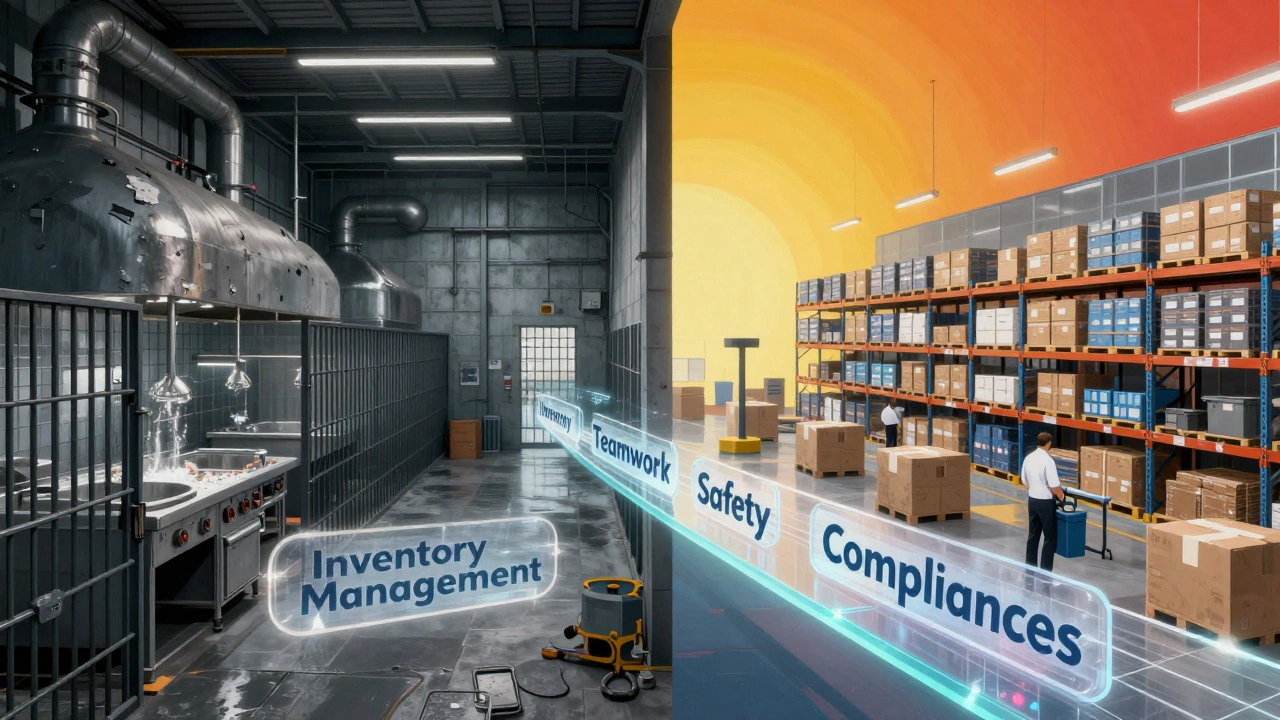
Interests are where you want to go, but skills are how you get there. A common misconception among formerly incarcerated individuals is that they have no skills because they didn't have a "corporate" job. In reality, managing a complex social environment in prison or working in facility maintenance requires significant organizational and technical abilities. Transferable Skills are abilities developed in one context-such as leadership in a prison yard or precision in a laundry detail-that can be applied to a professional role ]. To bridge this gap, tools like the mySkills myFuture is a digital tool that allows users to input previous job titles to find other roles requiring the same skill set help people find a common language for their experience. For instance, someone who worked in the prison kitchen isn't just a "cook." They have skills in inventory management, health and safety compliance, and high-pressure teamwork. By using a skills matcher, they can see that these same attributes are highly valued in logistics or warehouse management, opening doors that previously seemed locked.Building a Concrete Pathway to Employment
An assessment is useless if it doesn't lead to a paycheck. The transition from "I'm interested in HVAC" to "I am an HVAC technician" requires a structured pathway. This is where comprehensive reentry solutions come in. WIN Learning is a workforce intelligence network that provides academic and employability skills training specifically for the corrections system emphasizes that academic readiness must go hand-in-hand with vocational training. You can't be a certified electrician if you struggle with the basic math required for the exam. An effective pathway usually looks like this:- Introspection: Using reflective questions to identify strengths.
- Assessment: Taking a tool like O*Net to find a match.
- Research: Checking median wages and employment outlooks for that role.
- Gap Analysis: Identifying what certification or degree is missing.
- Training: Enrolling in a vocational program while still incarcerated or immediately upon release.
- Placement: Working with an employment specialist to find "second chance" employers.

Addressing the Elephant in the Room: Stigma and Systemic Barriers
We have to be honest: a perfect score on a skills assessment doesn't erase a criminal record. Systemic racism and the "box" on an application create barriers that a simple test cannot fix. The most successful programs, such as those run by the Reentry Support Institute is a program at Roosevelt University providing integrated skills training and case management for the formerly incarcerated , don't ignore these realities. They incorporate "critical consciousness" into their assessments. They ask participants: "How does your experience with incarceration influence your belief in your skills?" or "How do economic barriers affect your options?" By acknowledging the unfairness of the system, the program helps the individual separate their value as a worker from their history as a defendant. This mental shift is what prevents the crushing disappointment that often leads to recidivism when a job seeker hits their first "no."Practical Steps for Practitioners and Individuals
If you are a case manager or someone currently incarcerated, the goal is to move from the abstract to the concrete. Don't just take one test and decide your life's path. Use a variety of methods to triangulate your strengths.- Start with a brain dump: Write down every task you've done in the last five years that you didn't hate.
- Use free digital tools: Access CareerOneStop or O*Net if you have computer access.
- Talk to peers: Ask people who have successfully transitioned what skills they found most useful.
- Create a Step-by-Step Guide: Don't just set a goal; write down the exact certifications needed and where to find them.
Which career assessment is best for someone with no work history?
For those without a resume, interest-based assessments like the O*Net Interest Profiler or CareerOneStop are best. Because they ask about activities you enjoy (e.g., "Do you like fixing things?") rather than your previous job titles, they can identify potential career paths based on personality and preference rather than a work history that doesn't exist.
How do I translate prison jobs into a professional resume?
Focus on transferable skills. Instead of writing "Prison Laundry Worker," use terms like "Industrial Textiles Management" or "Quality Control Specialist." Highlight the soft skills involved, such as adhering to strict safety protocols, time management, and working within a diverse team to meet daily production quotas.
Does taking these tests actually reduce the chance of going back to prison?
Yes, indirectly. Research on the OPTIONS program showed that structured assessments increase a person's self-efficacy and hopefulness. When people have a concrete plan and a belief that they are qualified for a specific role, they are more likely to engage in the workforce and less likely to return to criminal activity due to desperation or lack of purpose.
What is the difference between a skill and an interest?
An interest is something you enjoy doing (e.g., you love solving puzzles), while a skill is something you know how to do (e.g., you are certified in Python programming). A successful career pathway finds the intersection of both-where your natural preferences meet your actual capabilities.
Are there free resources available for formerly incarcerated people?
Absolutely. CareerOneStop, O*Net, and the National Reentry Resource Center provide free tools. Additionally, organizations like the Reentry Support Institute and university-led career centers often provide free or low-cost case management and skills training for those returning to the community.