
You walk into a prison intake center, and the first thing they ask isn't about your crime or your sentence length. It's often about what you can do with your hands. Can you weld? Can you type 60 words per minute? Are you willing to clean toilets for eight hours straight? This isn't just about keeping inmates busy; it's a critical lever that pulls on every other aspect of prison life. Your job assignment doesn't just fill a shift-it dictates where you sleep, who you live next to, and how the system categorizes your risk level.
Most people outside the walls assume prison is a monolith. You go in, you stay in a cell block, you come out. But inside, the ecosystem is highly stratified. The Work Assignment is the primary driver of this stratification. It determines whether you're in a high-security unit with locked doors or a minimum-security camp with open gates. Understanding this link helps explain why some inmates thrive while others struggle, not because of their personality, but because of their employment status.
The Direct Link Between Labor and Security Levels
Prisons are organized by security levels: maximum, medium, minimum, and sometimes supermax. These aren't arbitrary labels. They are based on a calculation of risk, behavior, and-crucially-productivity. When an inmate receives a stable work assignment, especially in Correctional Industries, it signals to administrators that the person is manageable, motivated, and less likely to cause violence. This perception directly influences their Classification Score.
A high classification score (meaning lower risk) unlocks access to better housing. Think of it like a credit score for freedom. If you hold down a job in the laundry room or the metal shop, you accumulate "good time" credits and behavioral points. These points allow you to move from a crowded, noisy general population dormitory to a quieter, more secure housing unit. Conversely, if you refuse work or get fired for misconduct, your classification might drop, forcing you into higher-security zones with stricter controls and fewer privileges.
Housing Units as Rewards and Punishments
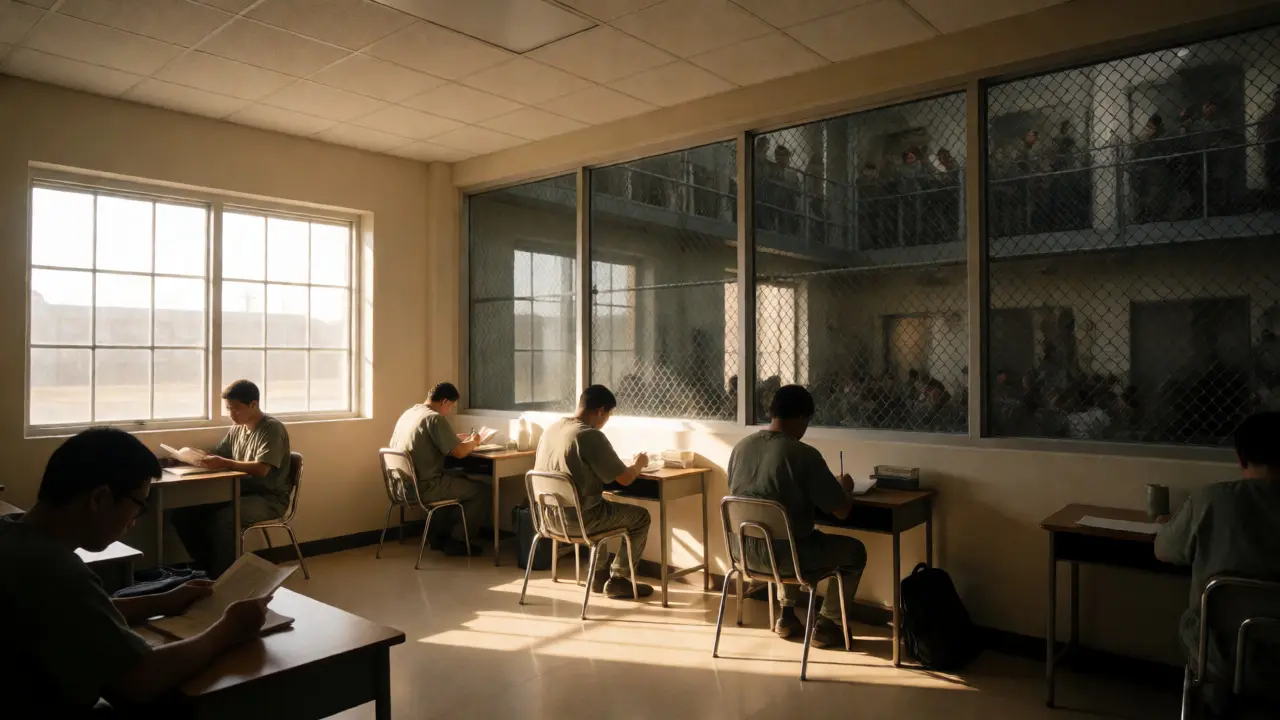
Housing isn't just a place to sleep; it's a status symbol within the prison hierarchy. In many facilities, specific housing units are reserved for inmates with specialized skills or reliable work histories. For example, the "Honor Dorm" or "Trustee Unit" is typically populated by inmates who have secured jobs in kitchen services, groundskeeping, or clerical roles. These areas often have fewer guards, more privacy, and access to amenities like personal TVs or longer visitation hours.
On the flip side, unemployment or poor work performance can land an inmate in a segregation unit or a high-density general population block. Here, the environment is tense, noise levels are high, and stress is constant. The logic is simple: if you can't manage a work schedule, you probably can't manage the social dynamics of a low-security environment. Therefore, the system isolates you until you prove you can handle responsibility. This creates a feedback loop. Good housing reduces stress, which improves work performance, which leads to even better housing. Bad housing increases stress, leading to infractions, which worsens the work record.
| Work Type | Typical Housing Outcome | Security Implication | Privilege Level |
|---|---|---|---|
| Industrial Job (e.g., Welding, Assembly) | Medium-Security General Population | Stable Classification | Moderate (Access to canteen, library) |
| Camp/Labor Crew (e.g., Grounds, Kitchen) | Minimum-Security Camp/Dorm | Low Risk Designation | High (Open doors, phone access) |
| Unassigned/Refused Work | Segregation or High-Density Pop | Increased Monitoring | Low (Restricted movement) |
| Specialized Skill (e.g., IT, Medical Support) | Skill-Based Housing Units | Enhanced Trust Status | Very High (Educational resources) |
Classification Systems and Behavioral Metrics
How exactly does a job change your classification? It comes down to data. Correctional officers track attendance, productivity metrics, and disciplinary reports. An inmate who misses three shifts in a month flags the system. A supervisor who writes up an inmate for being late triggers a review. These incidents are entered into the database and recalculated against the inmate's original risk assessment.
This process is known as dynamic classification. Unlike static sentences, which don't change, your daily actions reshape your profile. If you maintain a perfect attendance record in the print shop for six months, the algorithm sees you as low-risk. You might be moved to a unit where you can cook your own meals or take night classes. If you start skipping work, the system assumes you're disengaged and potentially volatile. You might be moved back to a unit with strip searches and limited yard time. It’s not always fair, and biases can creep in, but the mechanism is consistent: work equals stability.
The Role of Correctional Industries
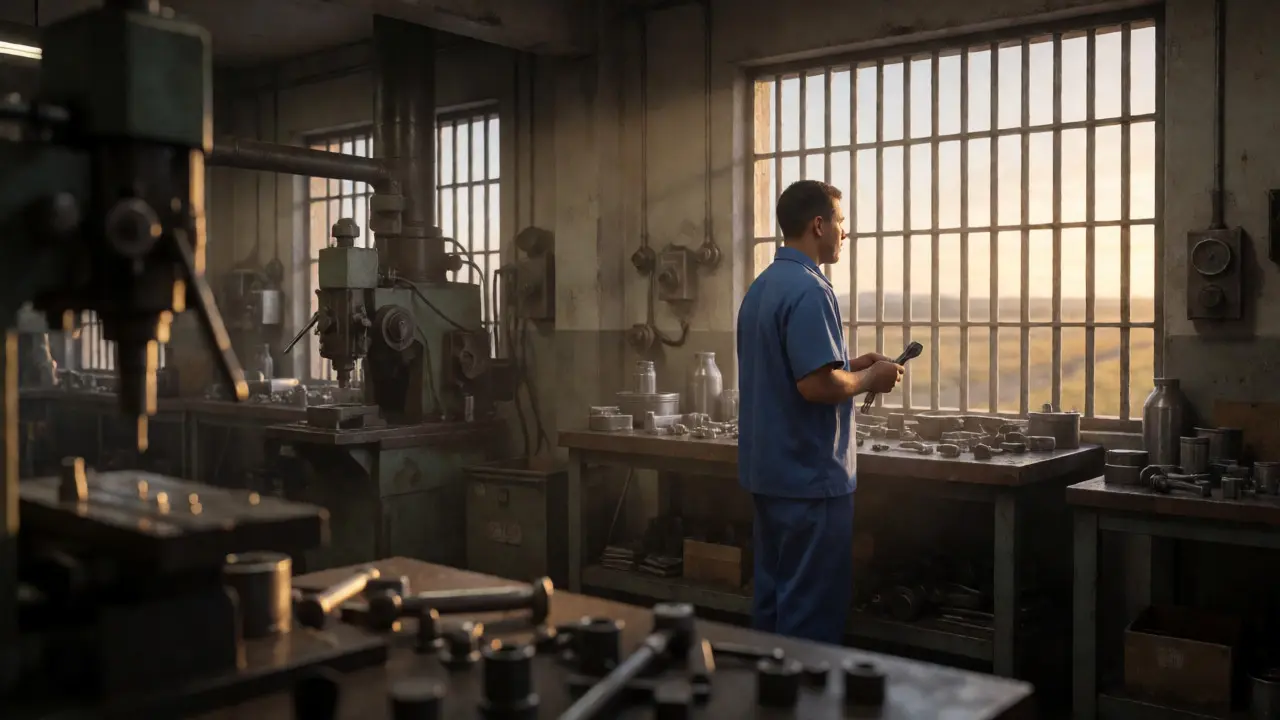
Correctional Industries programs are unique because they produce goods for sale to government agencies and sometimes private companies. Jobs here are treated almost like real-world employment. You clock in, you follow safety protocols, and you meet quotas. Because these jobs generate revenue and teach marketable skills, inmates holding these positions are viewed favorably by staff.
Facilities often prioritize placing trustworthy inmates in these roles. Why? Because industrial sites often have tools, machinery, and materials that could be misused. Therefore, only those with good behavioral records get access. This exclusivity reinforces the housing divide. If you want to work in the furniture factory, you need a clean record. To keep a clean record, you need to avoid trouble. To avoid trouble, you often need the stability of a better housing unit. It’s a chicken-and-egg situation that forces inmates to self-regulate their behavior to maintain their economic role.
Pitfalls and Unintended Consequences
While the system aims for efficiency, it has flaws. Not all inmates have equal access to desirable jobs. Physical disabilities, lack of education, or prior gang affiliations can limit options. An inmate stuck in a dead-end cleaning job might feel trapped in a medium-security unit despite having no violent history. This frustration can lead to resentment and conflict, ironically increasing the risk score the system tries to lower.
Furthermore, the pressure to maintain a job can create stress. If an inmate loses a coveted position due to a minor infraction, the demotion in housing can be traumatic. Moving from a quiet dorm to a loud, overcrowded block can trigger mental health issues. Administrators must balance the incentive structure carefully. Too harsh, and the system becomes punitive rather than rehabilitative. Too lenient, and the work ethic collapses.
Preparing for Release Through Work History
The ultimate goal of most prison systems is reintegration. Your work assignment history follows you out the door. Parole boards look closely at whether an inmate held steady employment during incarceration. A long tenure in a structured work program suggests readiness for society. Conversely, a spotty work record raises red flags.
This external pressure adds another layer to the internal housing dynamics. Inmates know that their current job affects their future freedom. This knowledge motivates compliance. You’re not just working for pennies; you’re working for parole eligibility. The connection between today’s shift and tomorrow’s release date is tangible and powerful.
Can I choose my work assignment?
Not entirely. While you can request specific jobs, placement depends on facility needs, your skill set, and your behavioral record. Popular jobs require seniority or special qualifications.
Does refusing work affect my sentence?
It usually doesn't extend your sentence directly, but it can reduce "good time" credits in some jurisdictions and definitely impacts your classification and housing privileges.
What happens if I get fired from my prison job?
You will likely face a disciplinary hearing. Depending on the reason, you might lose privileges, be placed in administrative segregation, or be assigned to a less desirable job. Repeated firings can stall your progress toward lower security levels.
Are there different housing units for different jobs?
Yes. Many prisons have specialized housing blocks for inmates working in specific departments, such as medical support, education, or industrial production. These units often offer better living conditions.
How does work affect parole decisions?
Parole boards view consistent work history as evidence of rehabilitation and discipline. A strong work record can significantly improve your chances of early release.