Walking into a correctional facility for the first time can be disorienting. The walls look similar, but the rules, the guards, and even the air feel different depending on where you are. This difference comes down to prison classification, a system that determines how tightly an inmate is watched based on their risk level, sentence length, and behavior.
Understanding these levels isn't just for lawyers or prison staff. It helps families understand why a visitation schedule might be strict, why certain privileges are denied, or why a transfer happened. Whether you are dealing with a loved one in the system or simply curious about how the justice machine works, knowing the hierarchy from minimum to maximum custody clarifies a lot of the confusion surrounding incarceration.
How Prisoners Are Classified
Prison Classification is the administrative process used by correctional agencies to assign inmates to specific housing units based on risk assessment. It is not a one-time event. In fact, most states require reclassification every six months or after significant behavioral changes. If an inmate gets into a fight, their score goes up. If they stay clean for two years, it might go down.
The process relies on a scoring system. Factors include:
- Crime Severity: Did the person commit a violent felony or a non-violent drug offense?
- Sentence Length: A life sentence usually carries higher scrutiny than a two-year term.
- Institutional Behavior: Disciplinary infractions, such as contraband possession or fighting, raise the risk score.
- Escape Risk: Prior escape attempts significantly increase custody level requirements.
- Age and Health: Elderly or terminally ill inmates may be moved to lower security facilities for cost and medical reasons.
This dynamic nature means that "custody level" is a moving target. An inmate might start in maximum security, spend five years there, and eventually earn a transfer to a minimum-security camp if they maintain good conduct.
Minimum Security: The Camps
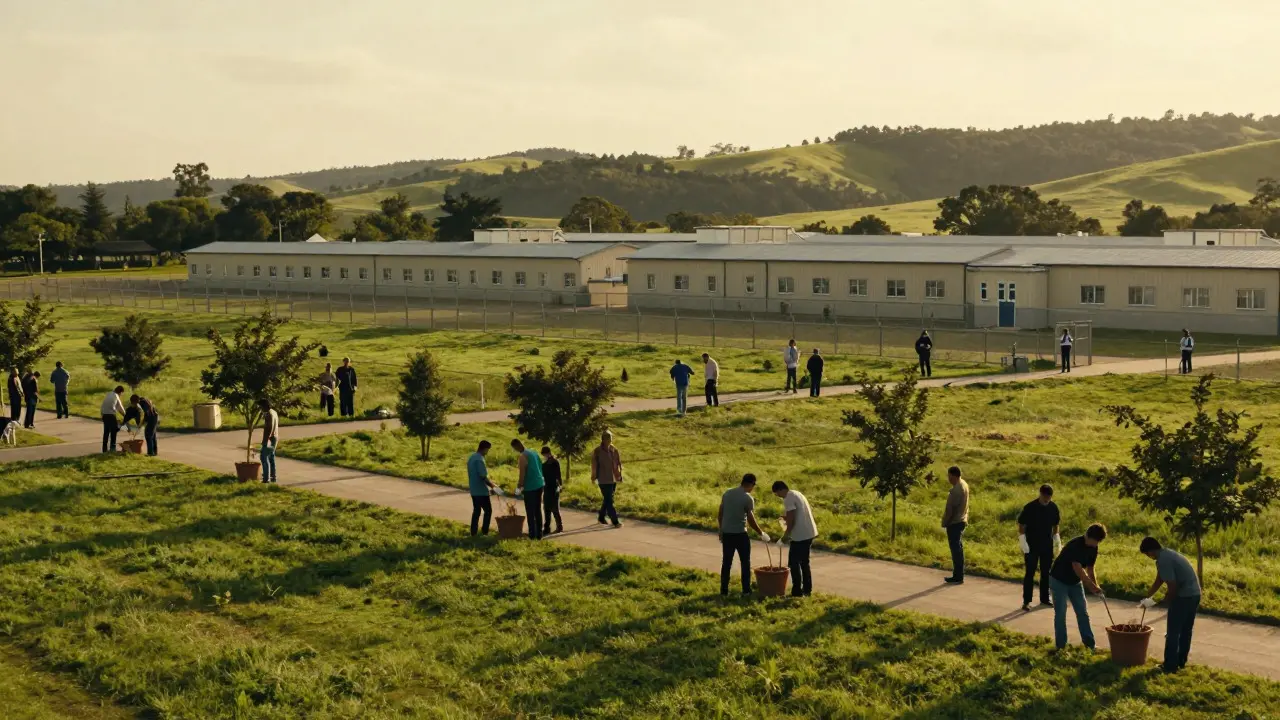
Often called "camps" or "work camps," Minimum Security facilities are low-security institutions designed for inmates who pose a low flight risk and have committed non-violent crimes. These facilities usually lack high perimeter fences or barbed wire. Instead, they rely on natural barriers like rivers or hills, combined with electronic monitoring.
Life here is markedly different from other levels. Guards are fewer, and the ratio of officers to inmates is often much lower. Inmates typically work outside the facility in public service jobs, such as maintaining state parks, fighting wildfires, or working in agricultural fields. This exposure to the community is part of the rehabilitation model, assuming the inmate has proven they can be trusted.
However, do not mistake this for freedom. Movement is still restricted. Phones are limited, and visiting hours are controlled. The primary goal here is reintegration. Since the risk of escape is deemed low, the focus shifts to education, job training, and preparing for release.
Medium Security: The Standard Model
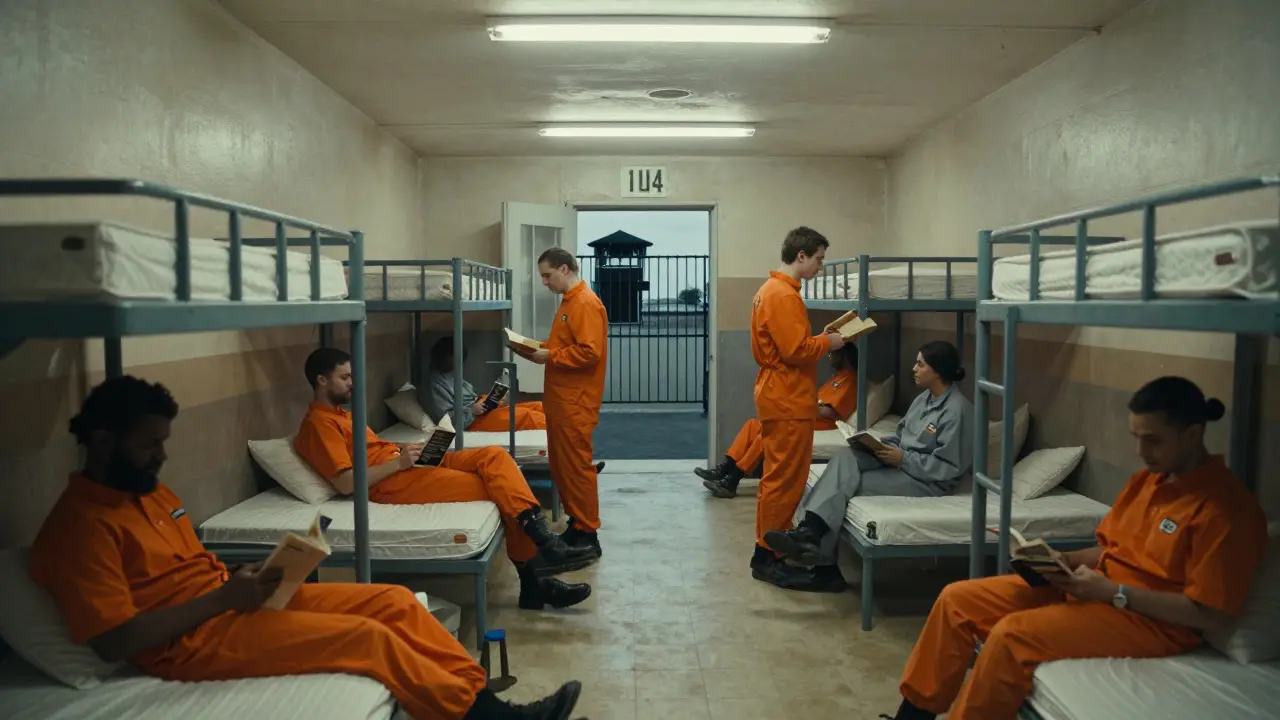
When people think of "prison," they are usually picturing Medium Security facilities, which are standard correctional centers that house the majority of the incarcerated population in the United States. These prisons feature double-fenced perimeters, guard towers, and controlled access points. Unlike minimum security, inmates rarely leave the compound without armed escort.
Medium security houses a mixed bag of offenders. You will find people serving sentences for robbery, assault, and moderate-level felonies. The environment is structured around routine. Meals, work details, and recreation happen at set times. Work programs inside the prison are common, ranging from manufacturing to laundry services.
The key distinction between medium and maximum security is the threat level. Medium security assumes inmates might try to escape if given the chance, but they are not considered highly dangerous to each other or staff. Consequently, cell blocks are often open dormitories rather than solitary confinement cells, allowing for more social interaction and group programming.
Maximum Security: High-Risk Containment
Maximum Security prisons are high-security facilities designed to contain inmates who pose a significant danger to society, staff, or other prisoners, or who have a high likelihood of escaping. Think of places like Alcatraz (historically) or modern federal penitentiaries. These facilities are fortresses. Perimeter fencing is topped with razor wire, guarded by armed personnel, and monitored by surveillance cameras.
Inside, control is tight. Inmates may be housed in individual cells for extended periods, especially during intake or disciplinary action. Movement is strictly escorted. Visitation is often conducted through glass partitions due to safety concerns. The population here includes serial killers, major drug traffickers, and individuals with long histories of institutional violence.
The atmosphere in maximum security is generally more tense. With less opportunity for outdoor recreation and more isolation, mental health issues can flare up quickly. Staff-to-inmate ratios are higher to manage the potential for conflict. Transfers out of maximum security are rare and require substantial evidence of behavioral change over several years.
Comparing the Three Levels
To make the differences clear, let's look at how these three main categories stack up against each other in terms of infrastructure, staffing, and inmate experience.
| Feature | Minimum Security | Medium Security | Maximum Security |
|---|---|---|---|
| Perimeter | Natural barriers, low fence | Double fence, guard towers | Razor wire, heavy fencing, armed guards |
| Housing | Dormitory style | Mixed dorms/cells | Individual cells, solitary |
| Work Opportunities | Outside public service | Inside prison industries | Limited internal labor |
| Visitation | Open contact possible | Controlled contact | Glass partition, limited time |
| Staff Ratio | Low (1:20+) | Moderate (1:10) | High (1:5) |
| Typical Inmate | Non-violent, short sentence | Mixed felonies | Violent, long sentence, escape risk |
Notice the gradient. As security increases, freedom decreases, but so does the expectation of trust. This trade-off is fundamental to how correctional systems operate. They balance the need for containment with the goal of eventual reentry.
Special Units and Supermax
While minimum, medium, and maximum cover most cases, there is a fourth tier that often causes confusion: Administrative Segregation or "Supermax." This is not a standard classification level in the same way; it is a status within a prison.
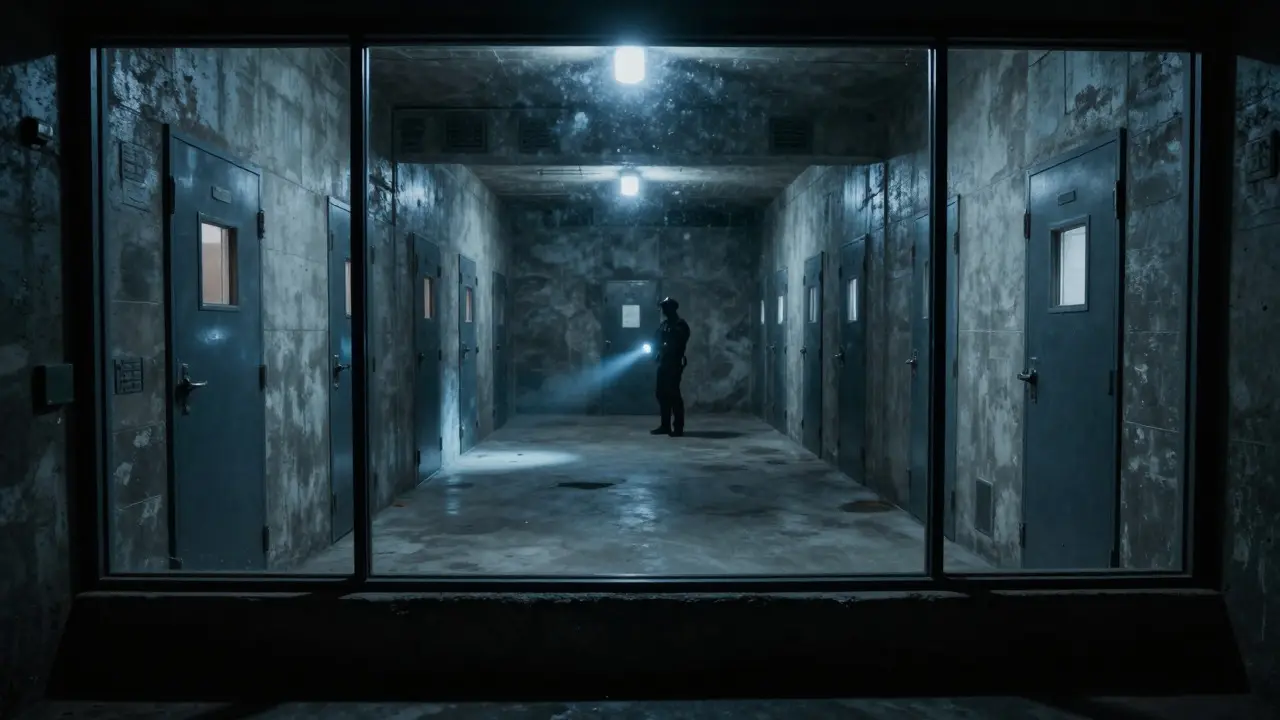
Inmates placed in Administrative Segregation are isolated for specific reasons, such as pending investigations, gang leadership, or extreme danger. Conditions are harsher than standard maximum security. Inmates may spend 23 hours a day in their cells. This unit exists to protect the inmate, the staff, or the general population. It is controversial because long-term isolation can lead to severe psychological distress, yet it remains a critical tool for managing high-risk individuals.
Why Classification Matters for Families
If you have a family member in the system, understanding their classification level helps you prepare for reality. If they are in minimum security, you might expect more frequent phone calls and easier scheduling for visits. If they are in maximum security, plan for shorter, more rigid interactions. Knowing the level also helps you advocate for them. If an inmate is misclassified-say, held in maximum security despite being a low-risk offender-it can hinder their progress toward release.
Advocacy often involves requesting a reclassification hearing. This requires documentation of good behavior, completed programs, and stable living conditions upon release. Attorneys specializing in criminal defense often guide families through this bureaucratic maze. Understanding the language of custody levels puts you ahead when communicating with case managers or parole boards.
Frequently Asked Questions
Can an inmate choose which prison level they want?
Generally, no. Placement is determined by the classification committee based on risk scores. However, inmates can request transfers if they believe their current level is inappropriate for their risk profile. Success depends on their institutional record and available space in the desired facility.
What happens if an inmate breaks the rules in a minimum security camp?
Minor infractions might result in loss of privileges, such as reduced phone time or extra chores. Major infractions, like possessing contraband or fighting, can trigger a reclassification hearing. The inmate may be transferred to a medium or maximum security facility until they prove stability again.
Is maximum security always the harshest condition?
Not necessarily. Administrative Segregation (Solitary Confinement) within any security level is often psychologically harder than standard maximum security housing. Isolation removes social interaction entirely, which can be more damaging than the physical constraints of a maximum security cell block.
Do all states use the same classification names?
Most states use variations of minimum, medium, and maximum, but terminology can differ. Some use "Level 1, 2, 3" or "Low, Moderate, High." Federal prisons follow the Bureau of Prisons (BOP) standards, which align closely with the three-tier model described here, plus administrative segregation.
How often is a prisoner's security level reviewed?
In many jurisdictions, formal reviews occur every six months. However, immediate reviews can happen after major incidents, such as a violent act or a successful escape attempt. Inmates can also file appeals to request a review if they believe their score is outdated or incorrect.