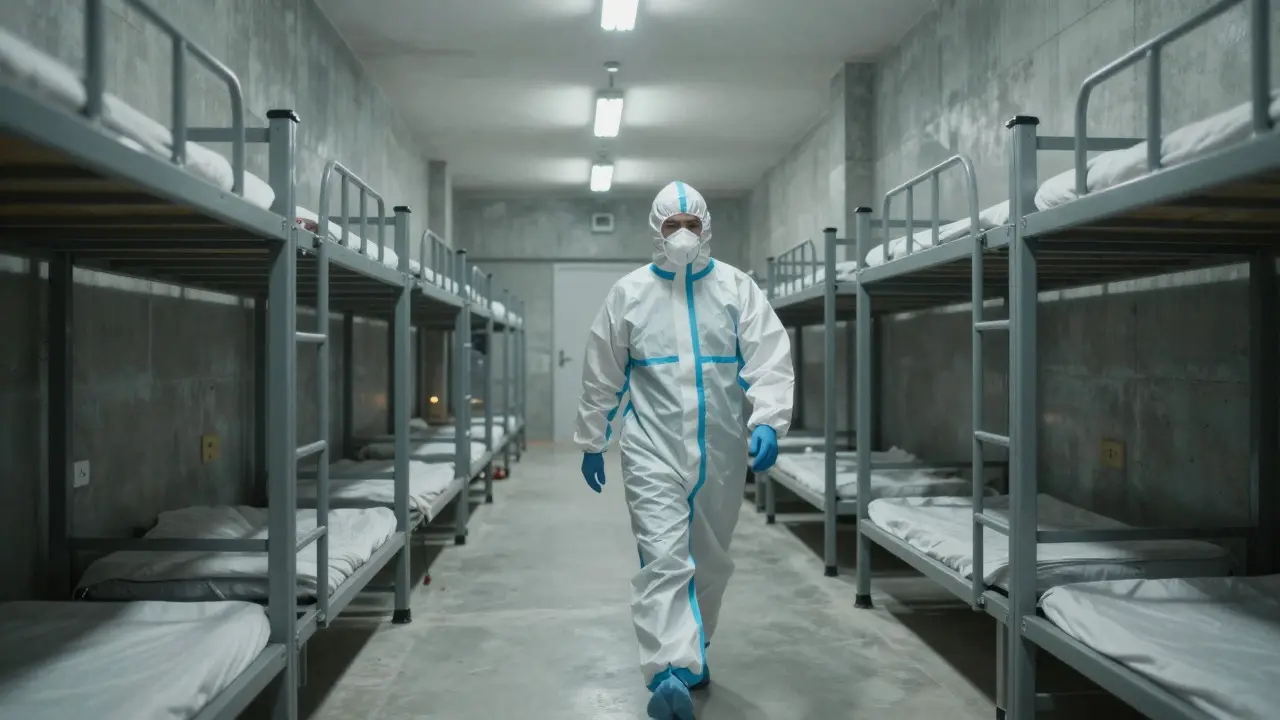
Walking into a correctional facility often feels like stepping into a different world. The air is thick with tension, the walls are concrete, and the population density is far higher than in any city block outside. But beneath the surface of security protocols lies a critical, often overlooked challenge: keeping infectious diseases from spreading. Infection Control is the set of practices used to prevent the spread of pathogens in high-density living environments. In jails and prisons, this isn't just about hygiene; it’s a matter of public health stability for both the incarcerated population and the communities they return to upon release.
You might wonder why this matters if you aren’t currently behind bars. The answer is simple: jails and prisons act as reservoirs for diseases. When an inmate gets sick, the virus or bacteria doesn’t stay inside the cell. It travels home with the person, affecting families, schools, and workplaces. Effective Public Health Practices in these settings break that chain before it starts.
Why Correctional Facilities Are Hotspots for Disease
To understand how to stop infections, you first have to look at why they start so easily. Correctional facilities share several risk factors with hospitals but lack the same level of medical staffing. High population density means people live in close quarters, often sharing bathrooms and common areas. This proximity makes airborne and contact transmission incredibly efficient.
- Overcrowding: Many facilities operate above capacity, forcing more people into less space.
- Limited Access to Healthcare: Screening can be delayed, meaning illnesses go undetected until symptoms worsen.
- Mental Health Factors: Stress and mental health issues can weaken immune responses and reduce adherence to hygiene protocols.
- Turnover Rates: Jails, in particular, see high turnover as inmates move in and out frequently, bringing new pathogens with them.
These conditions create a perfect storm for outbreaks. Without active intervention, a single case of tuberculosis or influenza can quickly become a facility-wide crisis.
The Core Pillars of Infection Prevention
Successful infection control relies on three main pillars: standard precautions, isolation, and environmental cleaning. Each plays a distinct role in stopping the spread.
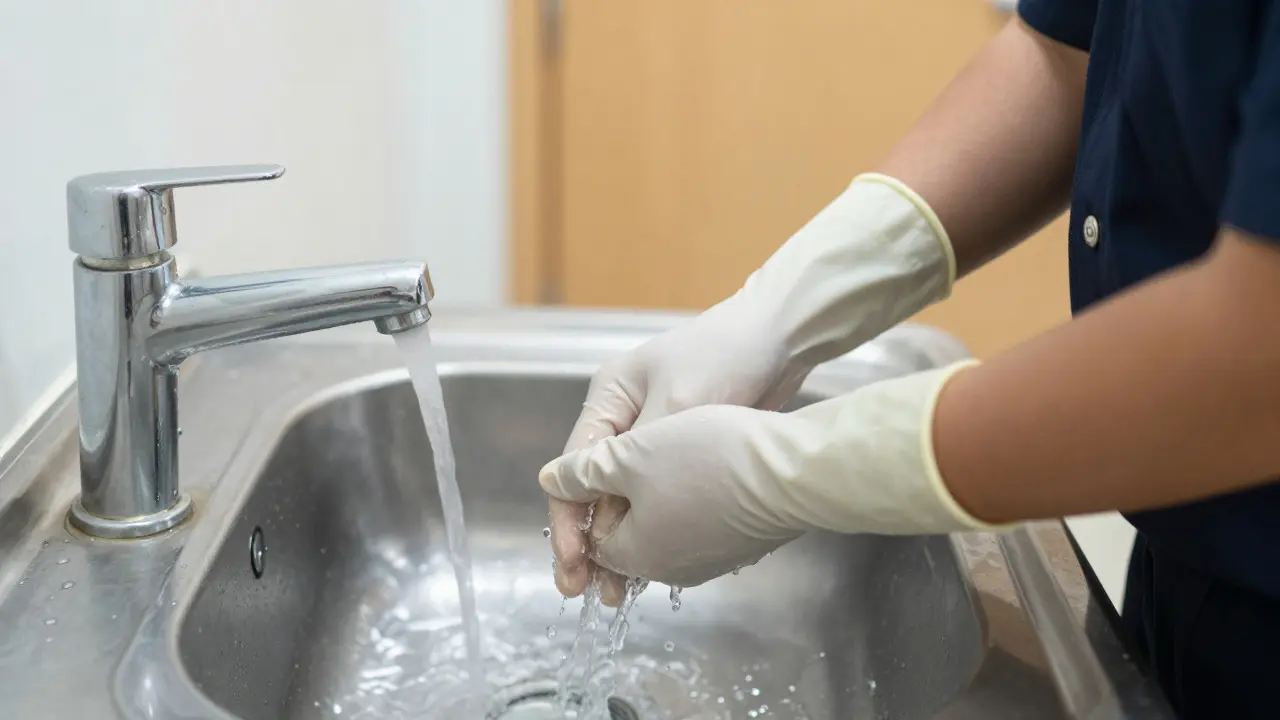
- Standard Precautions: These apply to every patient regardless of diagnosis. They include hand hygiene, use of personal protective equipment (PPE) like gloves and masks, and safe handling of sharps. Handwashing remains the single most effective tool against many pathogens.
- Transmission-Based Precautions: Once a specific disease is identified, additional steps are taken. For example, airborne precautions require N95 respirators and negative-pressure rooms for diseases like measles or TB. Droplet precautions involve surgical masks for illnesses like pertussis.
- Contact Precautions: Used for diseases spread by touching surfaces or skin-to-skin contact, such as MRSA or scabies. Gowns and gloves are essential here.
Staff training is vital here. If corrections officers don’t understand when to put on a mask or how to sanitize a cell, the protocol fails. Regular drills and clear signage help keep everyone aligned.
Vaccination Strategies in Incarcerated Populations
Vaccines are the backbone of long-term disease prevention. However, getting vaccinated in a jail setting presents unique logistical challenges. Inmates may have missed childhood vaccines due to poverty or lack of access before incarceration. Additionally, some prisoners fear needles or distrust the system, leading to lower uptake rates.
Facilities typically focus on high-impact vaccines:
- Influenza: Annual flu shots are crucial because flu spreads rapidly in dormitories.
- Tdap: Protects against tetanus, diphtheria, and pertussis, which can be deadly for infants if transmitted by family members after release.
- Hepatitis B: Common among populations with history of IV drug use or shared needles.
- Varicella (Chickenpox): Highly contagious and dangerous for those who haven’t had it.
Mobile vaccination units and point-of-care clinics within the facility help overcome barriers. By integrating vaccination into routine medical checks, staff can normalize the process and boost participation.
Screening and Surveillance Systems
You can’t treat what you don’t know is there. That’s why intake screening is non-negotiable. When a new inmate arrives, medical staff review their history and perform basic physical exams. For certain risks, targeted testing follows.
| Condition | Intake Action | Routine Monitoring |
|---|---|---|
| Tuberculosis (TB) | Symptom check, chest X-ray if indicated | Annual TST or IGRA test for high-risk groups |
| HIV | Voluntary opt-in testing | Counseling and support services |
| Hepatitis C | Risk assessment based on history | Antibody testing for eligible cohorts |
| MRSA | Nasal swab if outbreak suspected | Decolonization protocols if positive |
Beyond individual tests, facilities use syndromic surveillance. This involves tracking clusters of similar symptoms-like coughs or rashes-in real-time. If five people in one housing unit report fever and cough within a week, it triggers an investigation. Early detection allows for rapid containment, saving lives and resources.
Environmental Controls and Facility Design
It’s not just about people; it’s about the building. The physical environment plays a huge role in pathogen survival. Poor ventilation traps airborne viruses, while damp corners encourage mold growth.
Modern best practices suggest:
- Air Filtration: Using HEPA filters in medical isolation rooms and improving airflow in general population areas.
- Surface Materials: Choosing non-porous, easy-to-clean materials for floors and countertops in medical wings.
- Waste Management: Proper disposal of biohazardous waste to prevent cross-contamination.
Even small changes, like installing better sinks in dormitory bathrooms, can significantly improve hand hygiene compliance. If washing hands is a hassle, people won’t do it. Making it convenient is a form of infection control.

The Role of Community Partnerships
Prisons don’t exist in a vacuum. They are part of a larger community health ecosystem. When an inmate is released, they carry their health status back into society. This creates a two-way street for disease transmission.
Effective programs bridge the gap between the facility and local public health departments. Data sharing ensures that if an outbreak occurs inside, local clinics are alerted. Conversely, if a region sees a spike in a specific illness, the facility can adjust its screening priorities.
Non-profit organizations also play a key role. They often provide specialized care, such as addiction treatment or mental health support, which indirectly supports immune health. Collaborative efforts ensure that no one falls through the cracks during transition periods.
Challenges and Future Directions
Despite progress, significant hurdles remain. Funding is often tied to security rather than health, leaving medical budgets thin. Staff shortages mean nurses and doctors are stretched too thin to maintain rigorous monitoring. Cultural barriers can also hinder communication between staff and inmates, leading to misunderstandings about treatment plans.
The future of infection control in these settings looks digital. Electronic health records allow for faster data analysis and trend spotting. Telemedicine could expand access to specialists without requiring travel. As we move forward, the goal is to shift from reactive care-treating sickness after it happens-to proactive prevention, ensuring that health is treated with the same importance as security.
What is the most common infectious disease in prisons?
Tuberculosis (TB) and respiratory infections like influenza are among the most common serious infectious diseases. Skin infections like impetigo and fungal infections like ringworm are also highly prevalent due to close contact and shared living spaces.
How does overcrowding affect infection rates?
Overcrowding increases the frequency of close contact, making it easier for airborne and droplet-transmitted diseases to spread. It also strains sanitation resources, such as toilets and sinks, reducing the effectiveness of hygiene measures.
Are prisoners required to get vaccinated?
Vaccination policies vary by jurisdiction and facility. While some vaccines may be mandatory for staff, inmate vaccination is often voluntary but strongly encouraged. Facilities usually offer vaccines free of charge to protect both the individual and the broader community.
What is the difference between standard and transmission-based precautions?
Standard precautions apply to all patients and include basic hygiene like handwashing and glove use. Transmission-based precautions are added when a specific mode of spread is known, such as using N95 masks for airborne diseases or gowns for contact-transmitted infections.
How can I support better health practices in correctional facilities?
Supporting advocacy groups that focus on prisoner rights and health equity is one way. Donating to non-profits that provide medical services in jails helps fund mobile clinics and outreach programs. Staying informed about local public health reports also keeps the issue visible.