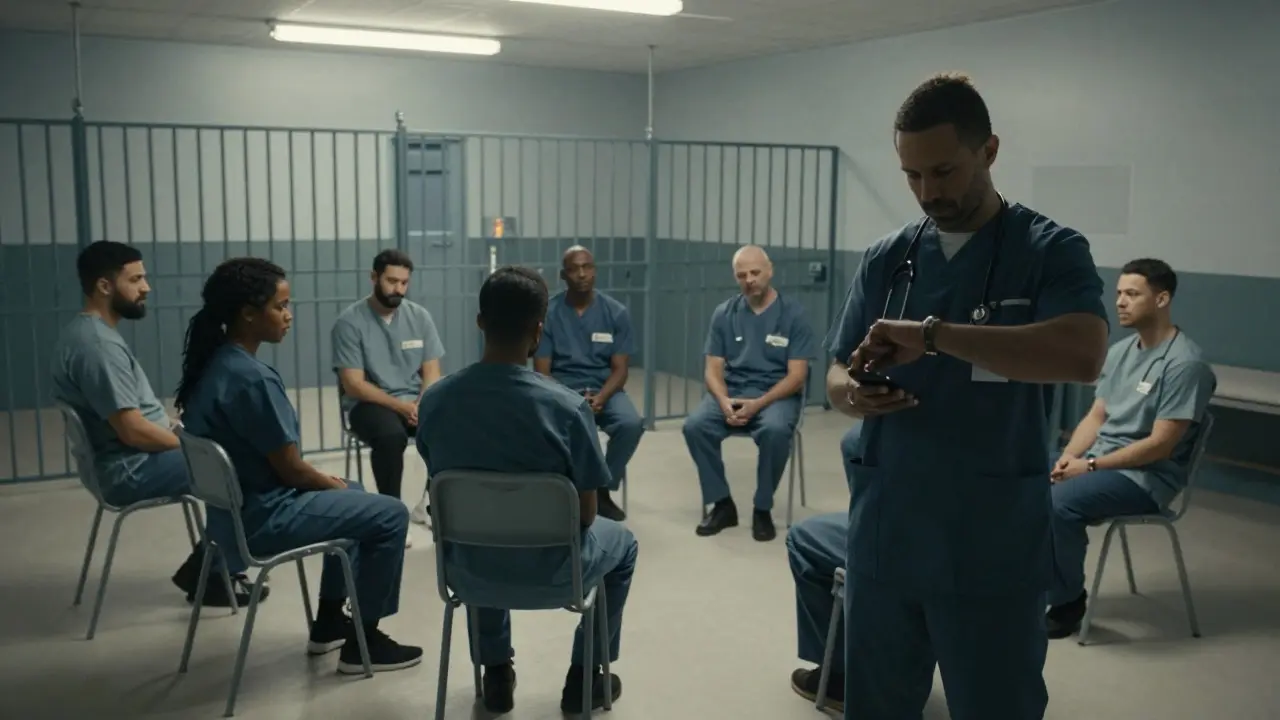
Imagine a prison treatment room where the counselor skips the core curriculum because they are short on time. Or a facility that claims to offer evidence-based care but uses outdated materials from a decade ago. This is not just a theoretical risk; it is the daily reality of substance abuse program fidelity in many correctional settings. When programs drift from their designed protocols, the promise of reducing recidivism fades into noise. The gap between what a treatment model promises and what actually happens inside a cell block is where quality assurance must step in.
Fidelity is not about rigid bureaucracy. It is about ensuring that the active ingredients of a therapeutic intervention remain intact. If a cognitive-behavioral therapy (CBT) module relies on specific homework assignments to change behavior, skipping those assignments breaks the chain. For prison administrators and clinical staff, understanding how to monitor this consistency is the difference between a successful rehabilitation pipeline and a revolving door for inmates.
Defining Fidelity in Correctional Contexts
Program Fidelity is the degree to which an intervention is implemented as intended by its developers. In the context of Correctional Healthcare, this definition takes on a complex shape. Unlike outpatient clinics where patients can leave if they dislike the approach, incarcerated individuals have limited choice. This power dynamic means that fidelity monitoring cannot rely solely on patient satisfaction surveys. It requires objective measures of staff adherence, dosage, and engagement.
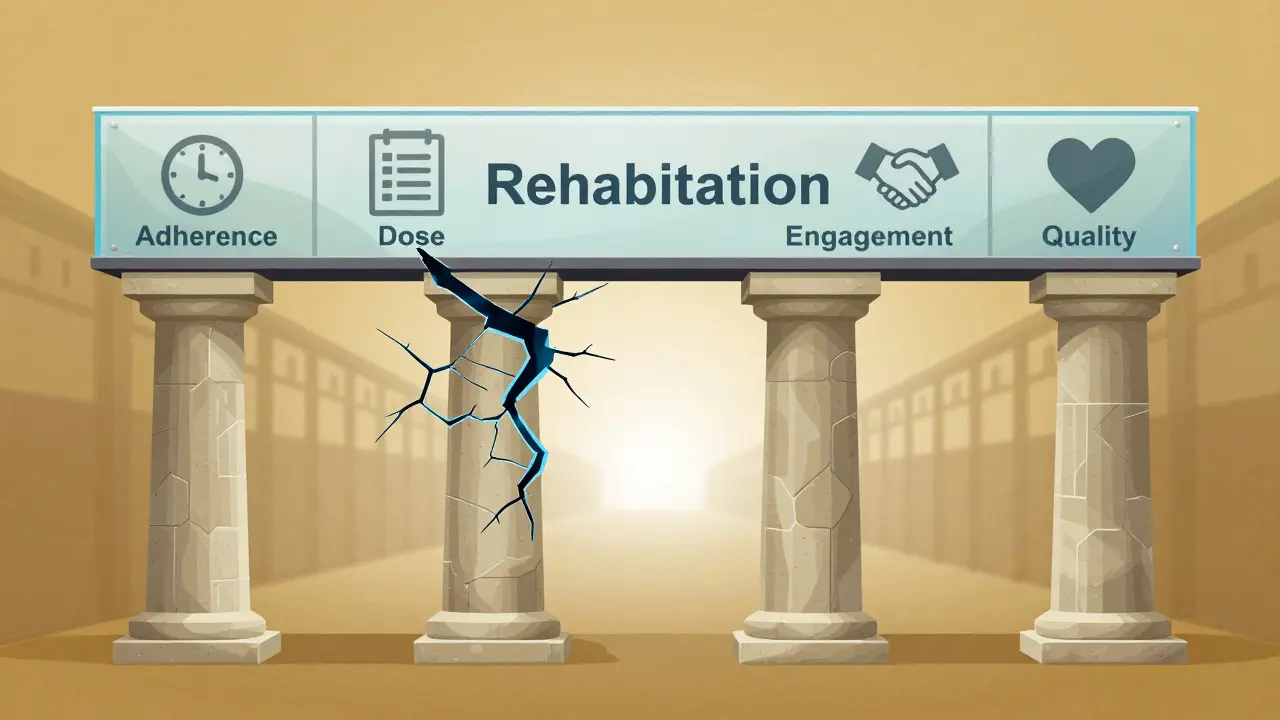
The central entity here is the treatment protocol itself. Whether it is Motivational Interviewing or a structured relapse prevention course, the protocol has specific components. These components include:
- Adherence: Did the staff deliver the session as planned?
- Dose: Was the full amount of treatment provided?
- Engagement: Did the participant actively take part in the process?
- Quality: Was the delivery competent and empathetic?
When any of these four pillars weakens, the efficacy of the program drops. Research consistently shows that high-fidelity implementation leads to better outcomes in reducing re-offending rates. Conversely, low fidelity often results in no significant difference compared to no treatment at all.
The Core Components of Quality Assurance
Quality assurance (QA) in prisons is often fragmented. Clinical teams may handle treatment while security teams manage discipline. This siloed approach creates blind spots. Effective QA systems bridge these gaps by establishing clear metrics that both groups understand. The goal is to create a feedback loop where data informs practice changes in real-time.
A robust QA framework typically includes three layers of monitoring:
- Direct Observation: Supervisors or external auditors observe live sessions. This provides immediate insight into tone, pacing, and content accuracy.
- Record Review: Checking case files, attendance logs, and progress notes against the protocol checklist. This catches administrative lapses before they become clinical failures.
- Participant Feedback: Anonymous surveys or focus groups that gauge whether inmates feel heard and respected during treatment.
Each layer serves a different purpose. Direct observation is high-cost but high-accuracy. Record review is scalable but prone to paperwork errors. Participant feedback is valuable but can be biased by the prison environment. A balanced strategy uses all three to triangulate the truth.
Common Barriers to High Fidelity
Why do programs fail to maintain fidelity? It is rarely due to a lack of intent. More often, it is structural. Staff turnover in prisons is notoriously high. New counselors arrive without deep training in the specific model being used. They might know general counseling skills, but they miss the nuanced techniques required for strict protocol adherence.
Another major barrier is institutional culture. In some facilities, security takes precedence over treatment. If a guard interrupts a group session for a routine check-in, the therapeutic alliance is broken. Over time, inmates learn that treatment is secondary to order maintenance. This cultural friction undermines even the best-designed programs.
Resource constraints also play a role. Group sizes that are too large prevent individual attention. Lack of private space for one-on-one sessions forces conversations into open areas, reducing honesty. These environmental factors directly impact the "dose" and "quality" components of fidelity.
Monitoring Tools and Metrics
You need concrete tools to measure what you value. Without data, fidelity remains a vague concept. Here are the most effective metrics used in modern correctional settings:
| Metric Category | Specific Indicator | Target Benchmark |
|---|---|---|
| Staff Adherence | Percentage of sessions delivered with all core components present | >85% |
| Attendance | Completion rate of scheduled treatment modules | >90% |
| Documentation | Timeliness and completeness of progress notes | 100% within 48 hours |
| Outcome Correlation | Reduction in disciplinary infractions among participants vs. non-participants | Statistically significant decrease |
Tracking these numbers allows administrators to identify trends. If adherence drops below 85%, it triggers an investigation. Is it a training issue? A staffing shortage? Once the root cause is identified, corrective action can be taken. This data-driven approach moves QA from reactive punishment to proactive improvement.
Building a Sustainable Culture of Compliance
Tools and metrics only work if people believe in them. Building a culture where fidelity is valued requires leadership buy-in. Wardens and directors must speak about treatment success in the same terms they speak about safety. When leadership prioritizes clinical excellence, staff follow suit.
Training is the first line of defense. Initial certification should be rigorous, requiring demonstration of skills rather than just passing a written test. Ongoing supervision ensures that skills do not atrophy. Peer coaching, where experienced counselors mentor newer ones, fosters a community of practice rather than isolated professionals.
Finally, recognize that fidelity is not static. Programs evolve. As new research emerges, protocols update. The QA system must be flexible enough to incorporate these changes without disrupting the entire workflow. Regular audits help ensure that updates are implemented correctly across all units.

Measuring Success Beyond Recidivism
While reduced recidivism is the ultimate goal, it is a lagging indicator. It takes years to see the full effect of prison treatment on post-release behavior. Therefore, internal metrics serve as leading indicators. Improvements in inmate mental health scores, increased social functioning, and lower rates of substance use within the facility are immediate signs that fidelity is working.
These internal successes build momentum. When staff see that high-fidelity treatment leads to calmer wings and fewer conflicts, they become advocates for the program. This internal shift is crucial for long-term sustainability. It transforms compliance from a mandate into a professional standard.
FAQ
What is the primary difference between fidelity and quality in treatment programs?
Fidelity refers to how closely the implementation matches the original design. Quality refers to the overall effectiveness and appropriateness of the service. You can have high fidelity but low quality if the original design was flawed, or low fidelity but high quality if the staff adapted the program effectively to local needs. Ideally, you want both high fidelity and high quality.
How often should fidelity audits be conducted in a prison setting?
Best practices suggest quarterly formal audits combined with monthly informal checks. Quarterly audits allow for detailed statistical analysis, while monthly checks catch emerging issues early. The frequency may increase if a specific unit shows declining performance metrics.
Can inmates influence program fidelity?
Yes, through engagement levels. If inmates are disengaged or disruptive, it can force staff to deviate from the protocol to manage behavior. However, well-designed programs account for this by including behavioral management strategies that align with the therapeutic goals, thus maintaining fidelity even in challenging environments.
What role does technology play in monitoring fidelity?
Electronic Health Records (EHRs) and digital checklists streamline data collection. Automated reminders ensure documentation is timely. Some facilities use audio recording (with consent) for supervisory review, providing an objective record of session content. Technology reduces the administrative burden on staff, allowing them to focus more on the clinical interaction.
Is fidelity monitoring expensive to implement?
Initial setup costs include training and software. However, the cost of low fidelity is much higher. Poorly implemented treatments lead to higher recidivism, which translates to billions in public costs for re-incarceration. Investing in fidelity monitoring is a cost-saving measure in the long run, not just a compliance expense.