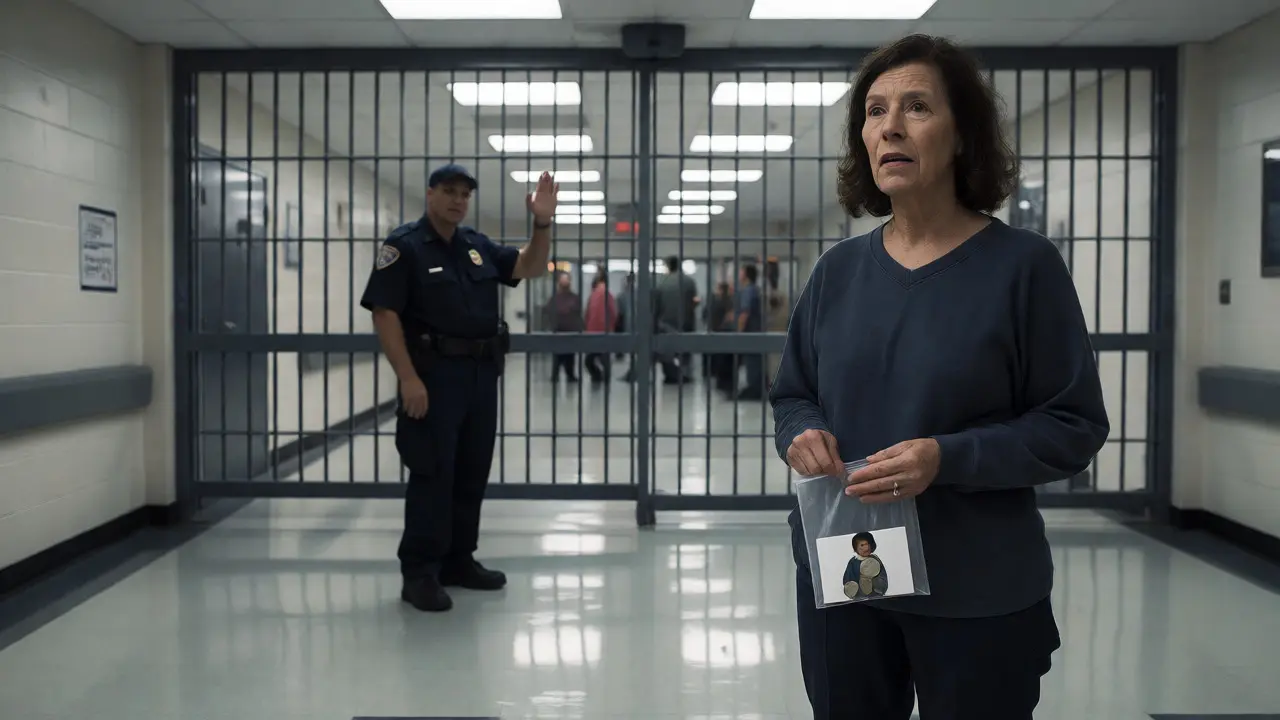
You’re standing in a sterile lobby, holding a plastic bag with two quarters and a photo of your kid. You’ve driven three hours to see someone you love, but before you can even say hello, a guard tells you the visit is over because the facility hit its daily intake cap. It feels arbitrary, doesn’t it? But behind those strict prison visitation rules lies a complex calculation where every open door represents a potential risk vector for contraband, violence, or escape.
The tension between keeping a facility secure and maintaining human connections isn’t just bureaucratic red tape; it’s the core operational challenge of modern corrections. When administrators tighten access, they aren’t trying to punish families-they are managing finite resources and unpredictable variables. Understanding how these limits work helps you navigate the system better, whether you’re a first-time visitor or a seasoned advocate for reform.
Why Security Dictates Access
Think of a prison not as a building, but as a dynamic ecosystem under constant pressure. Every person who enters crosses a boundary that separates the controlled environment inside from the chaotic world outside. This boundary is porous, and each crossing carries a statistical probability of introducing something unwanted: drugs, cell phones, weapons, or unauthorized information.
Correctional facilities use data-driven models to determine safe capacity levels. These models factor in staff-to-inmate ratios, recent incident reports, and seasonal staffing shortages. If a unit has fewer officers on duty due to overtime burnout-a common issue in states like Oregon-the administration might reduce the number of allowed visitors per hour. It’s not personal; it’s math. A single understaffed shift can turn a routine visitation day into a critical incident scenario if too many people are moving through the gates at once.
This approach creates a ripple effect. When visit slots are limited, demand often exceeds supply. Families compete for appointments, sometimes booking months in advance. This scarcity forces difficult choices: do you prioritize high-risk inmates who need more supervision during visits, or do you offer equal time to everyone regardless of their behavior record? Most systems lean toward risk-based tiering, meaning good behavior unlocks more frequent or longer access, while disciplinary infractions shrink the window.
The Mechanics of Visit Restrictions
How exactly do these limits manifest? They rarely look like a simple "closed" sign. Instead, they appear as nuanced regulations that change based on context. For instance, many Department of Corrections agencies implement rolling caps. During peak holidays like Thanksgiving or Christmas, total visitor numbers might be capped at 80% of normal capacity to prevent overcrowding in processing areas. Conversely, during off-peak weeks, limits may loosen slightly if staffing allows.
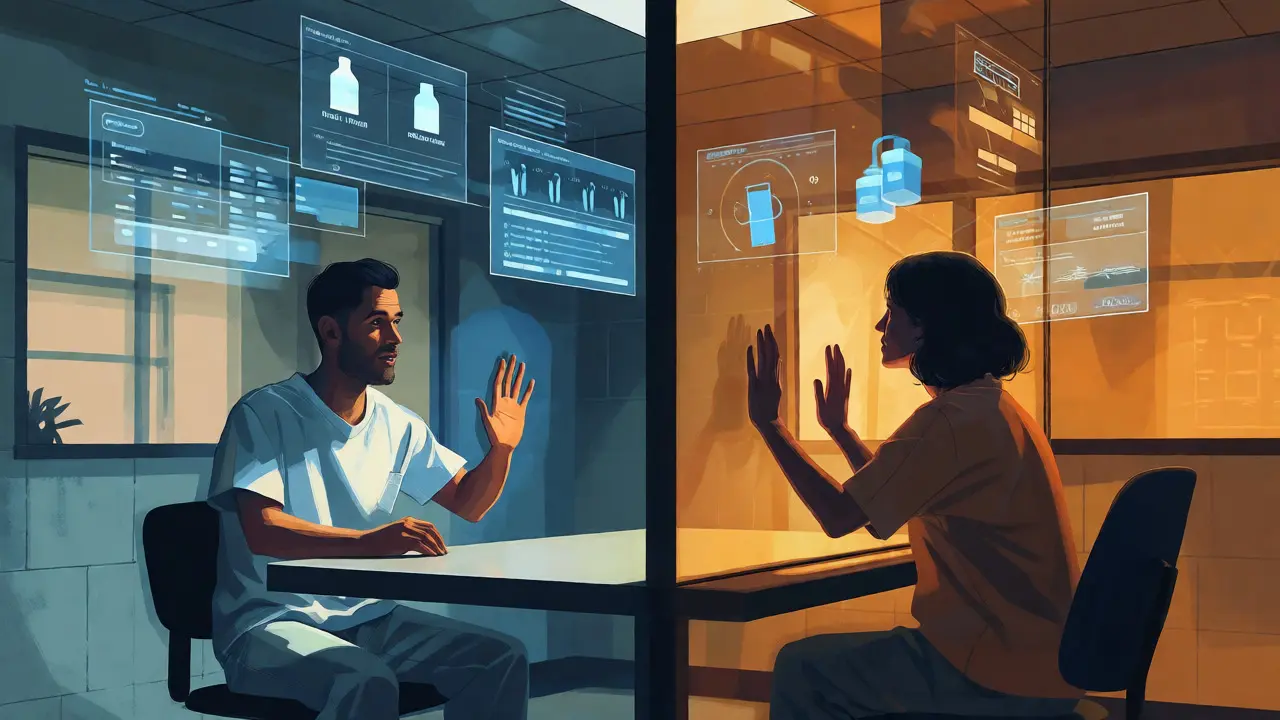
Another common tactic is the separation of visit types. Video visits, which require no physical presence in the facility, have exploded in popularity since 2020. They eliminate the logistical burden of transporting large groups of civilians through metal detectors and search tunnels. However, relying solely on video erodes the tactile aspect of connection. Hugging your child after six months apart does something a screen cannot replicate. Therefore, most institutions maintain a hybrid model:
- In-Person Visits: Limited by physical space and officer availability. Often restricted to immediate family or approved guests only.
- Video Visits: Higher volume capacity but lower emotional depth. Subject to technical glitches and scheduling software constraints.
- Touch-Free Visits: Used during health crises (like flu outbreaks) or high-security lockdowns. Glass partitions replace direct contact.
The key takeaway here is that restrictions are fluid. What was true last month might not hold next week. Always check the specific facility’s current status page before driving out. In Portland-area facilities, for example, sudden changes in gang activity levels can trigger immediate reductions in general population visitation privileges without much warning.
Balancing Act: The Human Cost of Security Protocols
We know why the walls exist. But what happens when the cost of security outweighs the benefit of isolation? Research consistently shows that strong family ties reduce recidivism rates. An inmate who maintains regular contact with supportive relatives is less likely to reoffend upon release. So, when security-driven visit limits become too rigid, they inadvertently undermine rehabilitation goals.
Consider the psychological impact. For children, seeing a parent behind bars is already traumatic. Adding layers of rejection-being turned away at the gate, having a visit cut short, or being denied entry due to dress code violations-can deepen feelings of abandonment. Studies indicate that inconsistent visitation correlates with higher anxiety levels in both the incarcerated individual and their visiting family members.
Administrators face a tough trade-off. Loosening restrictions increases the likelihood of contraband smuggling. Tightening them protects institutional order but risks fracturing the social fabric necessary for successful reentry. There is no perfect solution, only compromises. Some progressive jurisdictions are experimenting with technology-assisted screening, such as millimeter-wave scanners that detect non-metallic objects faster than manual pat-downs. By speeding up the entry process, they can accommodate more visitors without increasing staff workload, effectively widening the safety margin.
Navigating the System: Practical Strategies for Visitors
If you’re trying to maximize your chances of a successful visit, treat the application process like a job interview. Preparation is everything. Here are concrete steps to improve your odds:
- Verify Eligibility Early: Don’t assume you’re automatically approved. Submit background checks well in advance. Any unresolved warrants or past felony convictions related to drug offenses might disqualify you instantly.
- Dress for Success: Dress codes are strictly enforced and vary by institution. Avoid colors associated with gangs (often red, blue, black, or white depending on the region). Wear modest clothing that allows for easy visual inspection. No jeans with pockets, no hoods, and minimal jewelry.
- Arrive Before Processing Opens: Queues form early. If doors open at 7:30 AM, arriving at 8:15 AM means you’ll spend an hour waiting in line. Late arrivals often miss their slot entirely, regardless of appointment time.
- Keep Documentation Organized: Have your ID, approval letter, and any medical accommodations printed and ready. Digital copies on a phone can fail if batteries die or signal drops in rural prison locations.
Also, build rapport with the administrative staff. They deal with thousands of angry, confused, or desperate people weekly. A polite interaction can sometimes resolve minor clerical errors faster than an aggressive complaint. Remember, the goal is to pass through the checkpoint smoothly, not to win an argument about policy fairness.
The Future of Visitation: Technology and Policy Shifts
As we move deeper into the 2020s, the conversation around family contact policies is shifting. Advocacy groups are pushing for standardized national guidelines, arguing that current patchwork regulations create unnecessary hardship for families living across state lines.
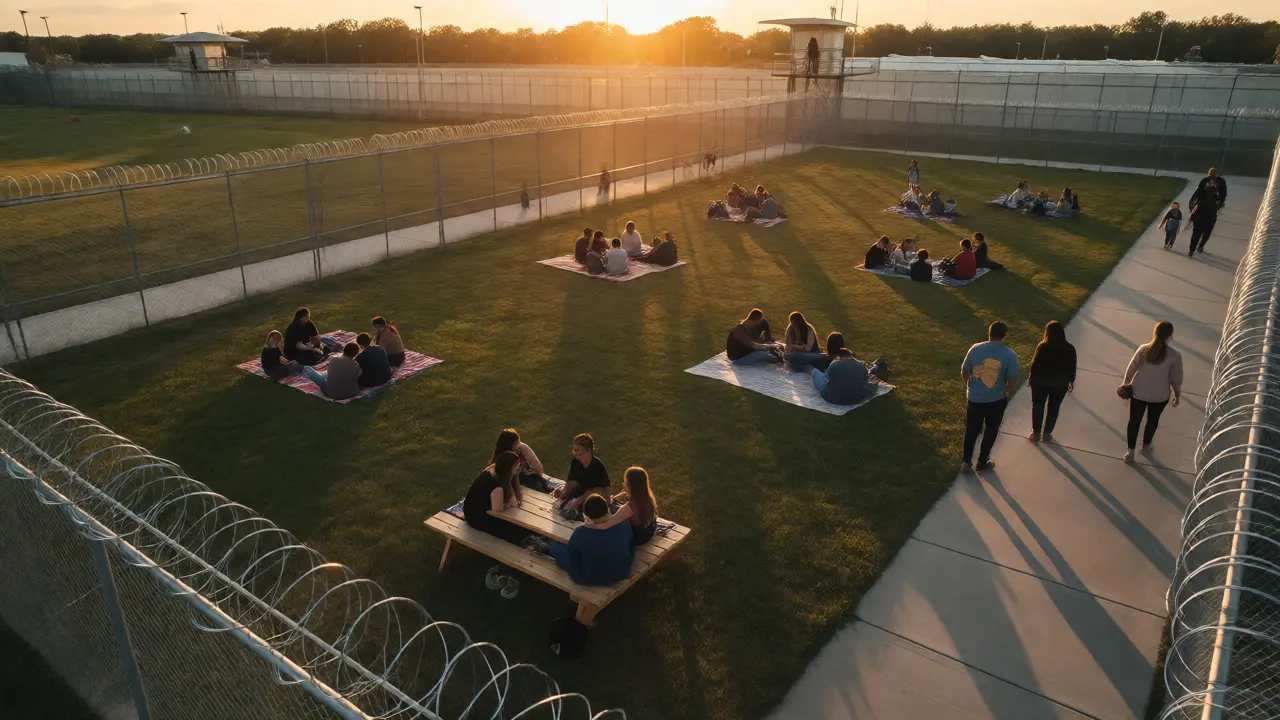
Technology offers promising alternatives. Virtual reality tours, digital message boards, and subsidized tablet messaging services allow for continuous low-level communication between official visits. While these don’t replace face-to-face interaction, they fill the silence gaps that often lead to emotional drift. Furthermore, some facilities are piloting "open visit" zones in minimum-security units, where trusted inmates can meet family in outdoor settings with minimal supervision, reducing the strain on indoor infrastructure.
However, budget cuts remain the biggest threat to expanded access. Maintaining secure visitation centers requires significant funding for staff, maintenance, and technology upgrades. Without legislative support, security concerns will continue to dominate decision-making, often at the expense of humanitarian considerations.
| Visitation Type | Primary Constraint | Emotional Impact | Security Risk Level |
|---|---|---|---|
| In-Person Standard | Staffing & Space | High (Positive) | Moderate-High |
| Video Call | Technology & Scheduling | Moderate | Low |
| Touch-Free/Glass | Health/Safety Protocols | Low-Moderate | Low |
| Outdoor/Open Air | Weather & Location | Very High (Positive) | Variable (Requires Trust) |
Why are prison visitation rules so strict?
Strict rules primarily serve to prevent the introduction of contraband such as drugs, weapons, and mobile devices into the facility. They also help manage crowd control, ensuring that there are enough correctional officers available to supervise interactions safely. Overcrowding in visitation areas can lead to increased aggression and security breaches, so limiting numbers is a proactive safety measure.
Can I appeal a denied visit?
Yes, most departments of corrections have an appeals process. If your visit is denied due to a clerical error or misunderstanding, you can typically submit a written request for review. However, denials based on valid security concerns, such as a history of smuggling attempts or disruptive behavior, are rarely overturned. Always keep records of your communications and the specific reason given for the denial.
Do video visits count toward my monthly limit?
This varies significantly by institution. In many facilities, video visits are tracked separately from in-person visits, allowing for more frequent contact overall. In others, they may be combined into a single quota. Check the specific inmate handbook or the facility's website for their current policy, as these rules change frequently based on resource availability.
What happens if I arrive late for my scheduled visit?
Most facilities have a hard cutoff time for entry. If you arrive after this time, you will likely be turned away, and the visit slot may go unused or be given to someone else if there is a standby list. Processing times can be lengthy, so arriving 30-45 minutes before the start time is recommended to account for security checks and paperwork verification.
Are children allowed in all visitation areas?
Not always. Some high-security units restrict minors from entering certain areas due to noise levels or safety protocols. Additionally, age limits may apply for unsupervised movement within the visiting room. Always confirm age-specific rules beforehand, especially if you plan to bring infants or toddlers, as diaper changing facilities and play areas may not be available in all locations.