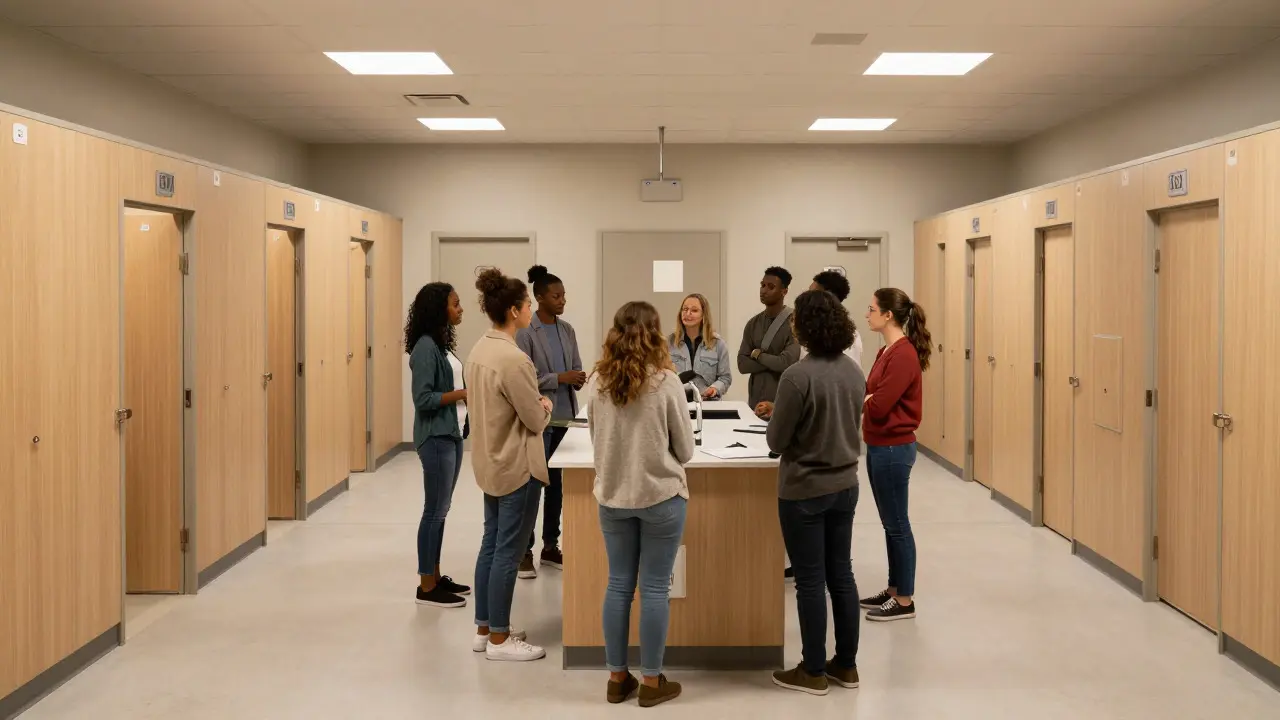
Walk into a standard county jail and you’ll hear the clang of metal doors, see rows of identical bunks, and feel the tension that comes with managing hundreds of people in close quarters. Now, imagine swapping those long, sterile corridors for small, self-contained units where inmates have their own space, control over their environment, and a direct line to staff who know their names. That’s the shift happening with specialized housing pods, a design strategy that is quietly changing how jails approach rehabilitation.
For decades, the focus in short-term detention has been on security and containment. But as recidivism rates remain stubbornly high, facility directors are looking at the physical layout as a tool for behavior change. It turns out, where you sleep matters just as much as what program you attend. By creating smaller, more human-scaled environments, jails can boost engagement in treatment, reduce disciplinary incidents, and prepare individuals for life outside the walls.
The Shift from Containment to Community
Traditional jail architecture is often described as "panopticon"-style: large open areas designed so guards can see everyone at all times. While effective for surveillance, this setup isolates individuals and strips away personal autonomy. In contrast, specialized housing pods group 8 to 15 residents together in a shared living area with private sleeping nooks or rooms. This isn’t just about comfort; it’s about social dynamics.
When people live in small, stable groups, they form micro-communities. These bonds encourage peer accountability. If one person misses a counseling session, their pod-mates notice. If someone starts acting out, the group pressure to conform to positive norms kicks in before a guard even has to intervene. This natural social regulation reduces the need for punitive measures and creates a culture where rehabilitation is the expected norm, not an exception.
Design Features That Drive Engagement
You don’t just throw people into a room and call it a pod. The design details are critical to making rehabilitation stick. Here are the key elements that make these spaces work:
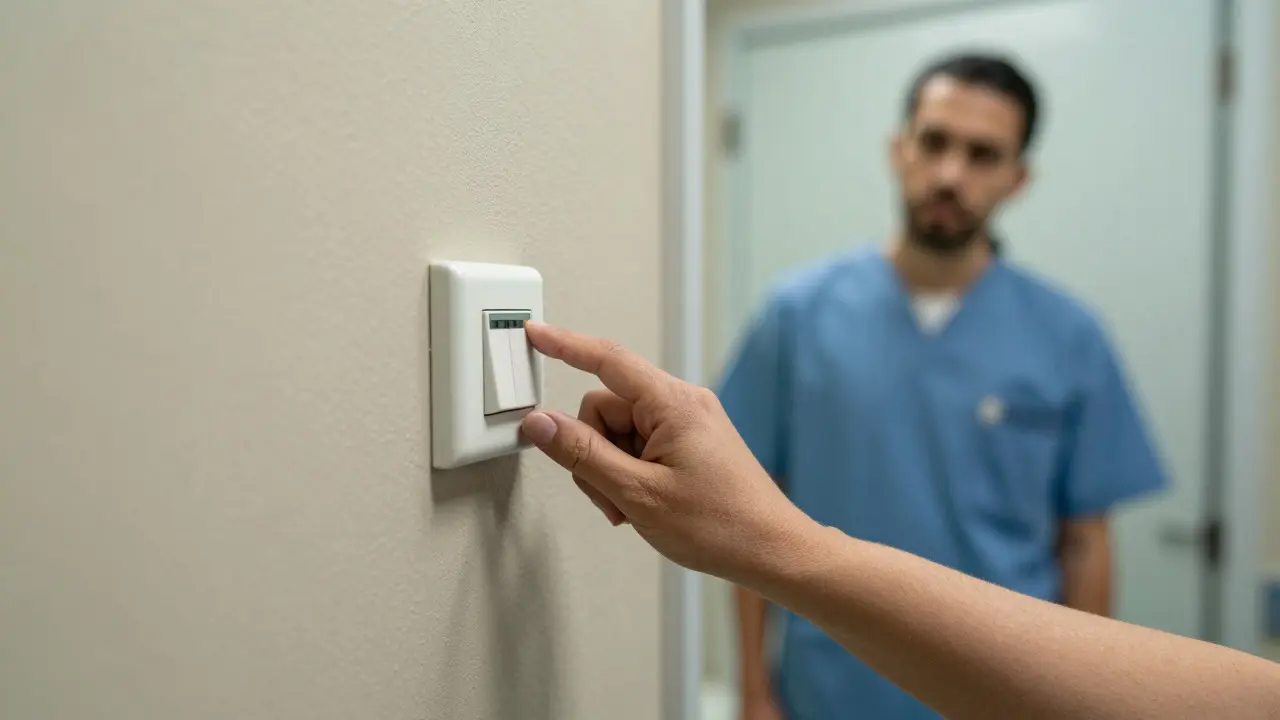
- Personal Control: Residents typically have locks on their personal storage and control over lighting and temperature in their immediate area. This sense of agency lowers stress levels, which is a major barrier to participating in therapy or education classes.
- Common Areas: Each pod includes a shared kitchenette or lounge. Preparing meals together or sharing coffee fosters routine and normalcy. It mirrors the domestic skills needed for successful reentry.
- Staff Visibility Without Intrusion: Staff offices are often integrated into the pod layout but separated by glass or open sightlines. This allows for frequent, informal check-ins rather than rare, formal visits. Relationships built on trust lead to better compliance with treatment plans.
- Aesthetic Warmth: Using neutral colors, natural materials, and adequate lighting reduces the institutional feel. A calmer environment makes it easier for individuals to focus on cognitive-behavioral tasks or job training.
Impact on Treatment Retention
The biggest win for specialized housing pods is the retention rate in voluntary programs. In traditional block settings, attending a morning addiction recovery class means leaving your bunk, walking through crowded corridors, and waiting in lines. It’s a hassle. In a pod model, the classroom might be adjacent to the living unit, or the schedule is coordinated so that the whole pod moves together. This logistical ease increases attendance rates significantly.
Consider substance use disorder treatment. Recovery requires consistency. If an inmate is housed in a chaotic, high-turnover general population block, they are surrounded by triggers and instability. In a dedicated pod, the environment is controlled. Staff can tailor interventions to the specific needs of that small group. For example, if a pod has a higher concentration of veterans, the counselor can adjust the curriculum to include trauma-informed care specifically for military experiences. This targeted approach leads to deeper engagement and better long-term outcomes.
Reducing Recidivism Through Routine
Rehabilitation isn’t just about fixing past mistakes; it’s about building new habits. Specialized housing pods enforce structure in a way that feels less like punishment and more like preparation. Residents follow a daily schedule that mirrors employment or family life: wake up, make bed, eat together, attend programming, work out, and wind down at night.
This routine helps reset the circadian rhythms and behavioral patterns often disrupted by incarceration. When individuals leave the jail, they carry this internal clock with them. Studies on similar residential models suggest that maintaining structured routines post-release correlates with lower reoffending rates. The pod acts as a bridge between the chaos of street life and the structure required for stability.
| Feature | Traditional Block | Specialized Housing Pod |
|---|---|---|
| Unit Size | Large (50+ occupants) | Small (8-15 occupants) |
| Privacy | Minimal/None | Personal lockable storage/nook |
| Staff Interaction | Formal, infrequent | Informal, frequent |
| Social Dynamic | Anonymity, isolation | Peer support, accountability |
| Program Access | Logistically difficult | Integrated and seamless |
Challenges and Considerations
It’s not all smooth sailing. Implementing specialized housing pods requires a cultural shift among staff. Guards accustomed to commanding large crowds must learn to manage small-group dynamics. This often involves additional training in de-escalation and motivational interviewing. Without buy-in from the frontline staff, the pods can become just expensive boxes that don’t function as intended.
Cost is another factor. Building or retrofitting facilities for pods is more expensive per square foot than traditional blocks. However, when you factor in the cost of repeat incarcerations, the savings from reduced recidivism can offset the initial investment. Many jurisdictions are finding that the return on investment is positive within five years, primarily due to fewer days spent in jail for repeat offenses.
Real-World Applications
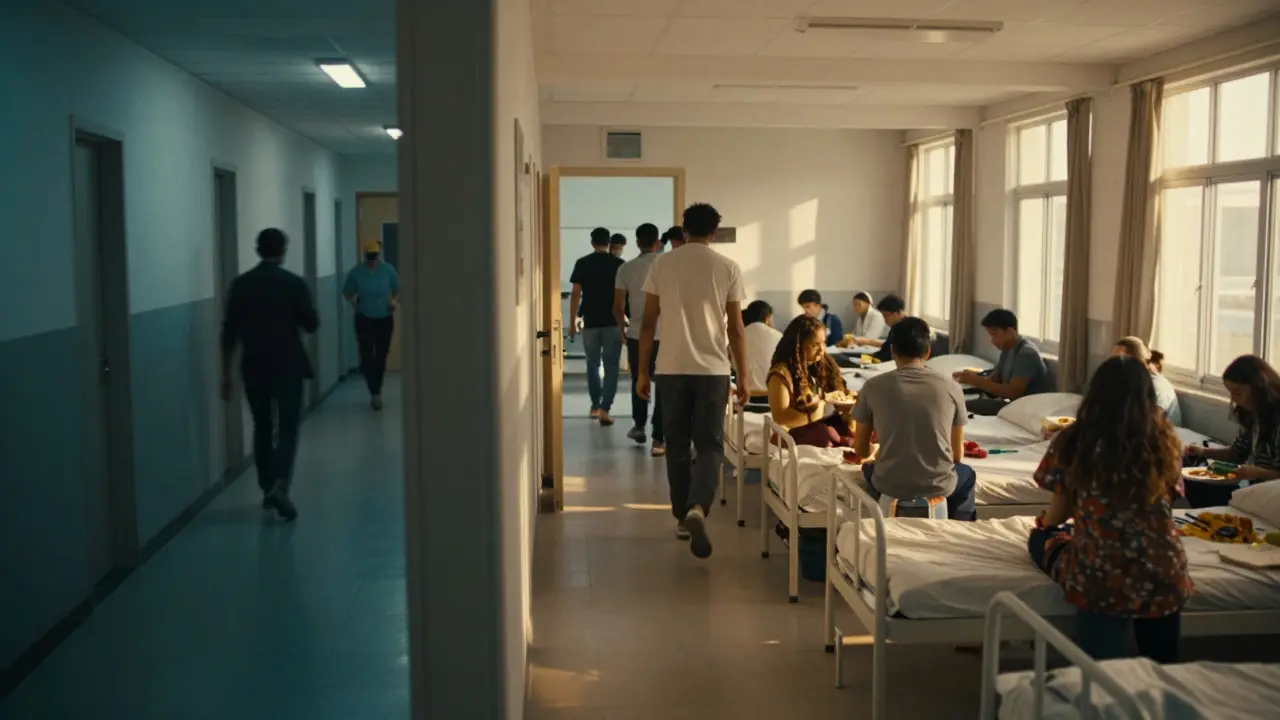
Cities across the U.S. are experimenting with these models. Some use modular prefabricated pods to quickly expand capacity while improving conditions. Others renovate older wings by breaking up large cells into smaller suites. In one notable case, a mid-sized county jail converted two general population blocks into pod-style units for pretrial detainees. Within six months, disciplinary reports dropped by 30%, and participation in educational workshops doubled. The key was that the pods were assigned based on risk level and treatment needs, ensuring that compatible individuals lived together.
These examples show that the technology isn’t magic; it’s the combination of thoughtful design, consistent staffing, and intentional programming that drives results. The pod provides the stage, but the people on it do the work.
Frequently Asked Questions
What is a specialized housing pod in a jail?
A specialized housing pod is a small, self-contained living unit within a jail, typically housing 8 to 15 individuals. Unlike traditional large blocks, pods offer more privacy, common areas for social interaction, and closer integration with rehabilitation programs to enhance resident engagement.
Do housing pods replace traditional cell blocks entirely?
Not necessarily. Many jails use a hybrid model, reserving pods for specific populations such as those in intensive treatment, low-risk pretrial detainees, or individuals nearing release. General population may still reside in traditional blocks, though some facilities are moving toward full pod-based designs over time.
How does pod design affect mental health?
Pod design reduces sensory overload and isolation by providing personal space and community. The ability to control one's immediate environment, such as lighting and noise, lowers cortisol levels. Additionally, the presence of supportive peers and accessible staff creates a safer psychological environment, reducing anxiety and depression symptoms common in incarceration.
Is the pod model more expensive to operate?
Initial construction costs are higher due to increased square footage and amenities. However, operational costs can decrease over time due to reduced disciplinary incidents, lower medical needs associated with stress, and decreased recidivism rates. The long-term financial benefit often outweighs the upfront investment.
Who benefits most from specialized housing pods?
Individuals with complex needs, such as those with substance use disorders, mental health conditions, or first-time offenders, benefit the most. The structured yet supportive environment allows for tailored interventions that are harder to deliver in large, anonymous populations.