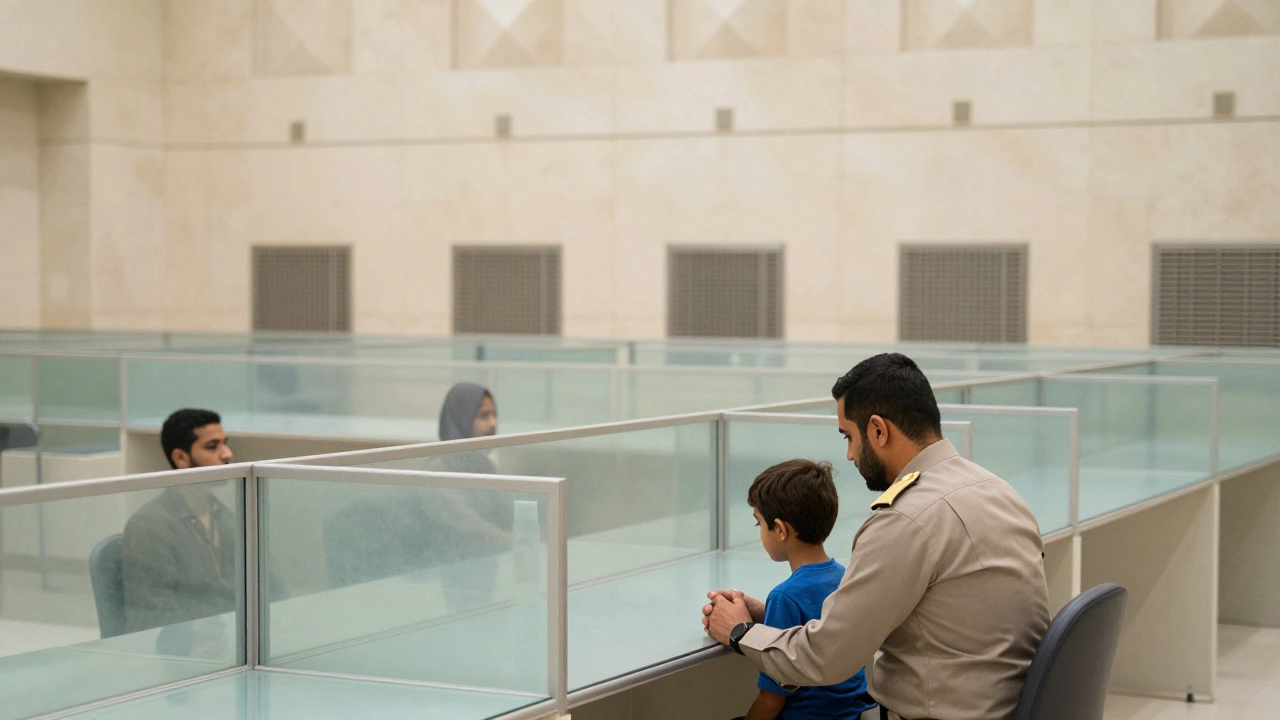
Visiting a loved one in prison is hard enough without worrying about whether your child will be allowed through the gates. If you are planning a visit with a child under 18, you need to know that the rules are strict, non-negotiable, and designed primarily to keep that child safe. In the United Kingdom, the framework governing these visits combines legal mandates from the Children Act 1989 with specific operational guidance from the National Offender Management Service (NOMS). The bottom line? Your right to family life matters, but it never overrides a child’s right to be protected from harm.
The Golden Rule: No Adult, No Entry
The most fundamental rule across all prison establishments in England and Wales is simple: every child under the age of 18 must be accompanied by an adult during a prison visit. This is not a suggestion; it is a universal requirement enforced by the Governor of each establishment. You cannot leave a child unattended in the waiting area, nor can they sit at the visiting table alone. The rationale here is clear-prisons are high-security environments, and children are vulnerable individuals who require direct supervision at all times.
In extremely rare circumstances, alternative arrangements might be permitted, but this requires prior approval from the prison Governor. Do not assume this will happen. Always plan for the accompanying adult to be present for the entire duration of the visit. If that adult leaves the room, even for a moment, the child must usually leave as well. This ensures that there is always a responsible person accountable for the child’s behavior and welfare while inside the facility.
Understanding PPRC: When Risk Changes Everything
Not all prisoners pose the same level of risk. The system specifically identifies individuals classified as "Persons Posing Risk to Children (PPRC)". If the prisoner you are visiting falls into this category, the standard visiting rules change dramatically. The prison has a direct responsibility to assess whether this individual presents a continuing risk to children while in custody.
When a prisoner is identified as a PPRC, a multi-agency notification process kicks in automatically. The police in the child’s home authority receive full details, including photographs. Probation officers and, where applicable, Children’s Social Care Services are also contacted. This isn’t about punishment; it’s about gathering a complete picture of the risk. The goal is to ensure that any contact between the child and the prisoner is safe, supervised, and appropriate. If the assessment determines that contact poses a risk, it may be restricted or prohibited entirely, regardless of the prisoner’s desire to maintain family ties.
| Feature | Standard Visit | PPRC-Restricted Visit |
|---|---|---|
| Supervision Level | General observation by staff | Intensive, targeted monitoring |
| Communication Monitoring | Random checks possible | Mandatory monitoring of calls/letters |
| Decision Maker | Prison Governor | Multi-agency panel (Police, Probation, Social Care) |
| Review Frequency | As needed | At least annually, or sooner if risk changes |
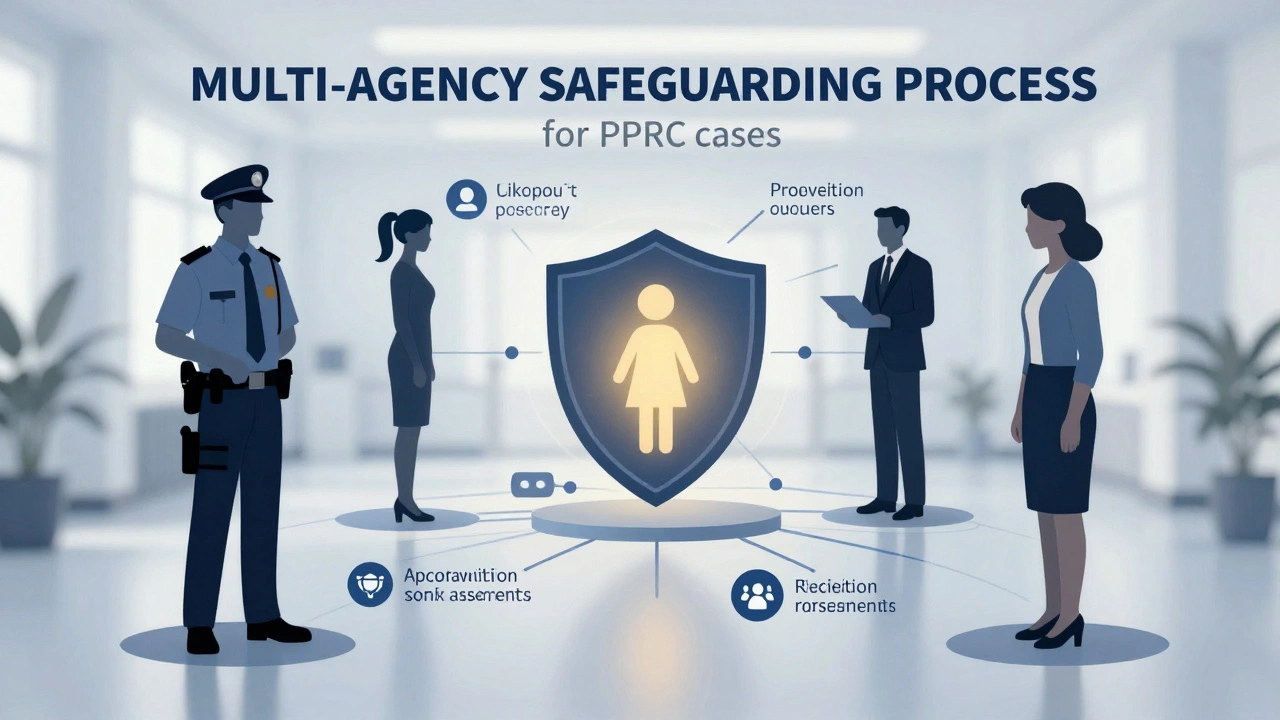
What Staff Are Watching For During Visits
You might wonder what prison staff are actually looking for when they watch your interaction with the prisoner. They aren’t just counting heads. Trained staff conduct direct observations using specific safeguarding criteria. According to recent guidance from partnerships like Oxfordshire Safeguarding Children Partnership, staff assess several key factors:
- Child’s Appearance: Is the child dressed appropriately? Are there signs of neglect or physical distress?
- Body Language: How does the child interact with the prisoner? Is the child comfortable, fearful, or withdrawn?
- Interaction Dynamics: What happens if the accompanying adult steps away? Does the prisoner try to manipulate the child?
- Grooming Indicators: Staff are trained to spot attempts to groom or emotionally manipulate the child or the parent.
If staff observe any signs of abuse, neglect, or distress, they are mandated to report it immediately using the security incident reporting process. An immediate referral to Children’s Services will be made if there is any concern for the child’s safety. This means that prison visits are not private conversations in the traditional sense. They are monitored interactions designed to protect the most vulnerable party involved.
Monitoring Communications Beyond the Visiting Room
Safety doesn’t stop when you leave the prison gates. For prisoners identified as posing a risk to children, monitoring extends to their correspondence and telephone calls. Under the Authorised Communication Controls and Interception (ACCI) policy framework, these communications are subject to interception and review. Staff are instructed to look for references to children, particularly those that suggest grooming or inappropriate contact.
This monitoring is proportionate to the risk. It’s not a blanket ban on communication, but rather a filter to ensure that no harmful instructions or emotional manipulation are being passed through letters or phone calls. The level of scrutiny is regularly reviewed based on updated information from law enforcement and probation services. If the risk level drops, monitoring may decrease. If new concerns arise, it intensifies.

Your Rights and the Appeals Process
While child safety is the priority, the system recognizes the importance of family relationships. The Human Rights Act 1998 protects the right to family life, but as noted in safeguarding procedures, this right yields to the child’s right to protection if contact poses a risk. However, decisions are not arbitrary. They must be based on what is best for the child, taking into account the offender’s risk level and the child’s needs.
If your access is restricted or denied, you have the right to appeal. All prison establishments have formal appeals procedures for prisoners and families to challenge contact decisions. These reviews must happen at least annually, or sooner if circumstances change. You can request updates on the status of risk assessments and provide new information that might demonstrate reduced risk or improved safety measures.
Support Resources for Families
Navigating the criminal justice system with children is emotionally draining. You don’t have to do it alone. Several organizations offer specialized support for families affected by imprisonment:
- The Prisoner’s Families Helpline: Offers free, confidential advice for families in England and Wales.
- Children Heard and Seen: Provides one-on-one support, peer groups, and practical help for children of offenders.
- ChildLine: Available at 0800 1111 for young people who need someone to talk to.
- PACT (Prison Advice and Care Trust): An independent charity offering practical services for prisoners and their families.
- Turn2us: Helps families find financial support and grants during difficult times.
These resources can help you prepare your child for visits, explain the rules in an age-appropriate way, and manage the emotional impact of parental incarceration. Preparing your child reduces anxiety for everyone and makes the visit smoother for staff.
Can I bring my baby to a prison visit?
Yes, but you must be the accompanying adult. Infants are still considered children under 18 and require constant supervision. Ensure you have necessary supplies like diapers and formula, as prisons may not stock them. Check the specific prison’s website for any additional restrictions on infant care items.
What happens if my child misbehaves during the visit?
Staff prioritize safety. If a child becomes disruptive, aggressive, or distressed, staff may terminate the visit early to ensure the well-being of the child and other visitors. As the accompanying adult, you are responsible for managing your child’s behavior. Prepare them beforehand by explaining prison rules and expected conduct.
How do I know if the prisoner is classified as PPRC?
You should be informed by the prison administration if specific restrictions apply due to PPRC status. If you suspect this classification affects your visits but haven’t been told, you can ask the prison’s Family Support Worker or Governor’s office for clarification on the current contact conditions and the reasons behind them.
Are prison visits recorded on video?
Most modern prison visiting areas are equipped with CCTV for security purposes. While audio recording is less common in general visiting rooms, staff may monitor conversations visually. Be aware that your interactions are observed to ensure compliance with safety rules and to detect any safeguarding concerns.
Can I appeal if my child’s visit is banned?
Yes. All prison establishments have formal appeals procedures. If contact is restricted due to safeguarding concerns, you can request a review. Provide any new evidence that shows the child is safe and that contact is beneficial. Legal aid may be available to assist with complex appeals involving human rights claims.