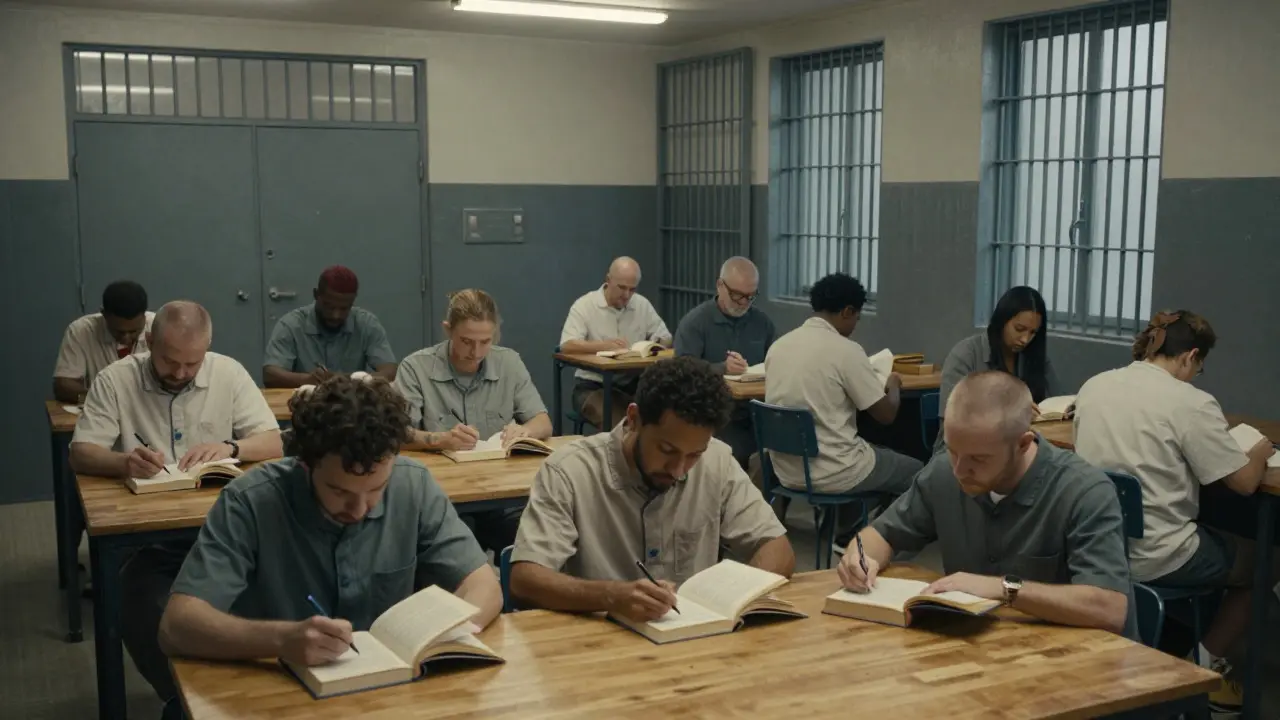
Walking into a prison recreation area often reveals a stark contrast between the heavy security outside and the quiet focus inside. For many inmates, this space is not just about playing cards or watching TV; it is the primary hub for self-education and mental health maintenance. Yet, accessing library and media resources in these settings remains one of the most misunderstood aspects of modern correctional life. While federal law guarantees certain rights, the reality on the ground varies wildly depending on the state, the facility type, and even the time of day.
You might think that because the First Amendment protects freedom of speech, reading a book should be as simple as walking up to a shelf. But in a maximum-security facility, a single paperback can take weeks to arrive due to strict contraband checks. Understanding how these systems work is crucial for anyone involved in correctional advocacy, family support, or policy planning. Let’s break down exactly how you get from "I want to read" to actually holding the book, and what barriers still stand in the way.
The Legal Foundation of Inmate Reading Rights
At its core, access to educational materials is tied to the Eighth Amendment's prohibition against cruel and unusual punishment. The U.S. Supreme Court has long held that denying all access to books or media could constitute a violation if it prevents an inmate from pursuing legitimate self-improvement. However, this right is not absolute. Prisons retain broad discretion to regulate when, where, and how these resources are accessed to maintain order and security.
Correctional Libraries are designated facilities within prisons that provide inmates with access to printed and sometimes digital materials under supervised conditions. They operate under specific regulations set by state departments of corrections (DOCs). Unlike public libraries, they do not typically offer open browsing. Instead, they function more like catalog-based lending systems where requests are submitted via slips or digital terminals.
For example, in Oregon, the Department of Corrections mandates that each facility must maintain a library collection proportional to its population. This means a small minimum-security camp might have a modest selection of novels and basic reference texts, while a large maximum-security unit will house thousands of volumes ranging from legal briefs to advanced academic journals. The key takeaway here is that "access" is legally protected, but "convenience" is rarely guaranteed.
How Physical Library Systems Operate
If you’ve ever tried to borrow a book from a prison library, you know it’s not like checking out a novel from your local branch. The process is rigid, designed to minimize the risk of contraband entering the cell block. Here is how it typically works:
- Request Submission: Inmates submit a request slip or use a computer terminal to list titles they want. Some facilities limit requests to three books per month to manage inventory turnover.
- Staff Review: Librarians or designated staff check availability. If the book is in stock, it’s pulled from the shelves. If not, it may be ordered from a vendor, which can take 2-4 weeks.
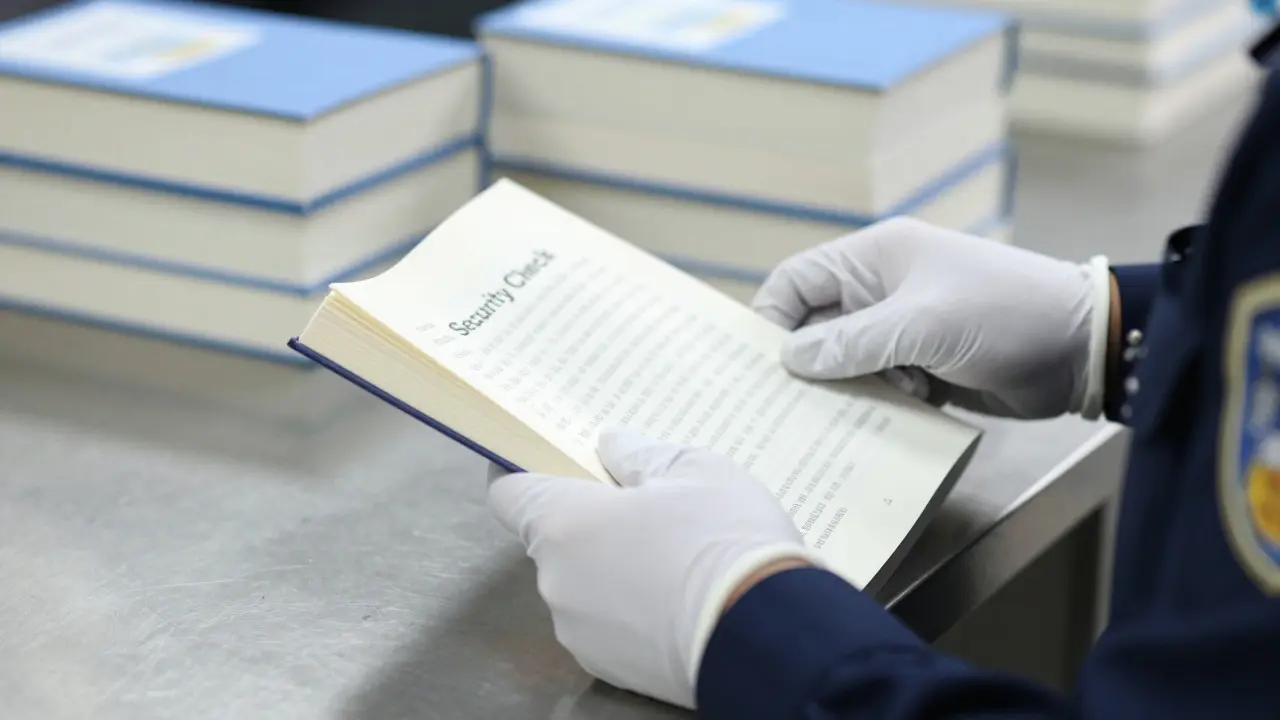
- Security Check: Before the book reaches the inmate, it goes through a search. Pages are checked for hidden notes, drugs, or tools. This step alone can add days to the wait time.
- Delivery: The book is delivered to the housing unit. In some high-security areas, books are only available during specific recreation hours and must be returned at the end of the session.
A major pain point here is the lack of immediate feedback. If a requested title is missing, the inmate might not know until the next cycle. To mitigate this, many advocates recommend keeping a personal log of requested items and follow-up dates. It turns a passive wait into an active management task.
Digital Media and Technology Access
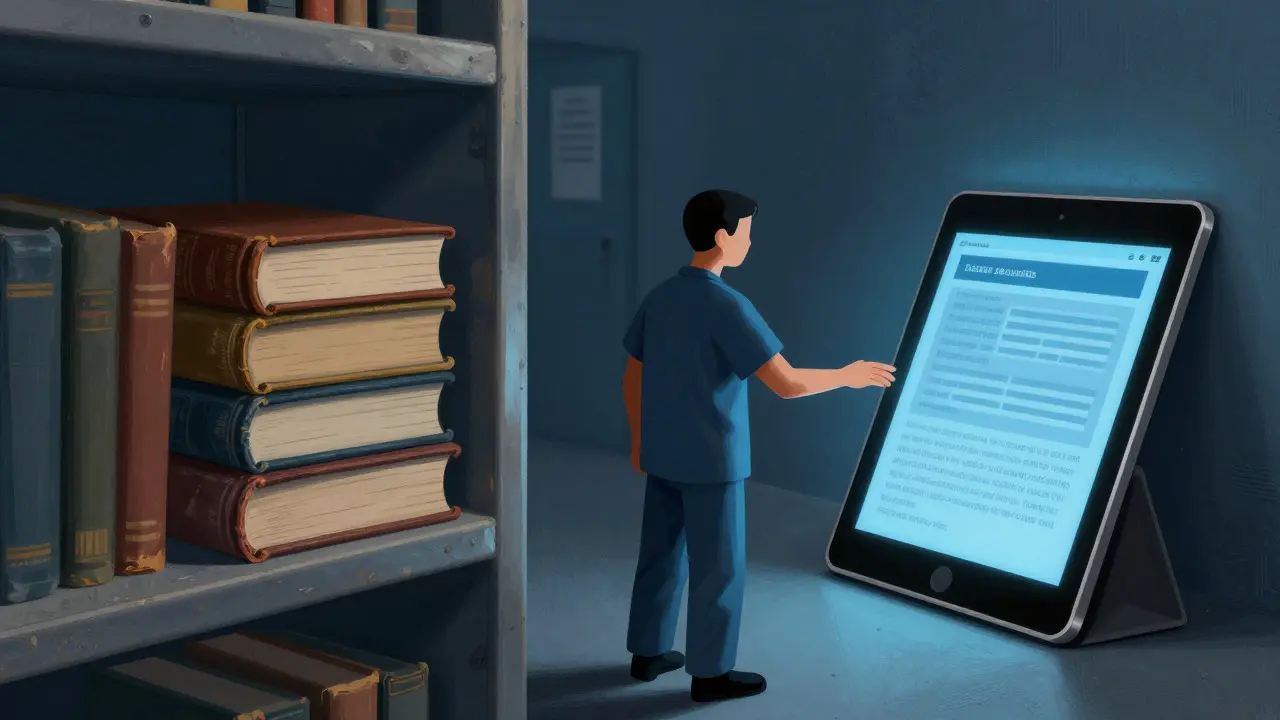
The landscape has shifted dramatically with the rise of digital technology. Today, many prisons offer e-readers, tablet programs, and limited Wi-Fi access. These tools have transformed how inmates consume media. Instead of waiting weeks for a physical copy of a legal casebook, an inmate with a tablet can download it instantly from a curated digital library.
However, digital access comes with its own set of constraints. Not every facility has adopted these technologies. In states with aging infrastructure, tablets might be limited to communication with family members, leaving no room for educational content. Furthermore, data caps are common. An inmate might have 500MB of monthly data, enough for a few emails but barely enough to stream a video lecture or download a large PDF.
| Feature | Physical Books | Digital Tablets/E-readers |
|---|---|---|
| Availability Speed | Days to Weeks | Instant to Minutes |
| Content Volume | Limited by Shelf Space | Vast (Cloud-based) |
| Cost to Inmate | Low/Free | Moderate (Device + Data Fees) |
| Security Risk | High (Contraband Checks) | Low (Software Lockdown) |
| Accessibility | Requires Mobility | Usable in Cell/Bed |
Notice the trade-off: speed versus cost. Physical books are cheaper but slow. Digital options are fast but require upfront investment. For low-income inmates, this financial barrier can be just as restrictive as the physical distance to the library.
Barriers Beyond the Walls
It’s easy to focus on the mechanics of borrowing a book, but human factors play a huge role. Scheduling conflicts are the number one complaint. Recreation hours are often short-maybe two hours a day-and split between exercise, socializing, and study. If the library is closed when you’re free, you miss out entirely.
Then there’s the issue of language. Many facilities serve diverse populations, yet their collections often skew heavily toward English-language fiction. Non-English speakers may find very few options, limiting their ability to stay connected to their heritage or learn new skills in their native tongue. Additionally, disability accommodations are inconsistent. Large-print books or audiobooks are rare, making it difficult for visually impaired inmates to participate fully in educational programs.
Another subtle barrier is the stigma around reading. In some peer cultures, spending too much time in the library is seen as "soft." Overcoming this social pressure requires strong personal motivation or external support from mentors and family members who encourage learning.
Best Practices for Maximizing Resource Use
If you’re an inmate, a family member, or an advocate looking to make the most of these resources, strategy matters. Here are practical tips that have worked well in various facilities:
- Build Relationships with Librarians: Staff often have discretionary power. A polite, consistent relationship can lead to early access to new arrivals or special requests.
- Use Inter-library Loan Networks: Many state DOCs participate in networks that allow them to borrow rare or specialized texts from university libraries. Ask about this option for academic research.
- Combine Physical and Digital: Use digital tools for quick reference and current events, and physical books for deep, uninterrupted reading sessions.
- Join Study Groups: Sharing insights from books with peers reinforces learning and makes the experience more engaging than solitary reading.
- Track Inventory Cycles: Learn when the library restocks. Placing requests right after a restock date increases the chance of immediate fulfillment.
These tactics turn passive access into active engagement. They also help build a routine that supports long-term rehabilitation goals, whether that’s earning a GED, studying for a college degree, or simply staying mentally sharp.
The Role of Advocacy and Policy Changes
While individual strategies help, systemic change is needed to ensure equitable access. Recent years have seen pushes to expand digital literacy programs in prisons. Organizations like the American Correctional Association have highlighted the need for standardized minimums for library holdings and technology access. Without these standards, an inmate in one county might have access to a full digital library, while another in a neighboring county is limited to a handful of worn-out paperbacks.
Policy makers are increasingly recognizing that access to information correlates with lower recidivism rates. When inmates have the tools to educate themselves, they are better prepared for reentry. This isn’t just about kindness; it’s about public safety and economic efficiency. Investing in robust library and media resources is a cost-effective strategy that benefits both the individual and society.
Frequently Asked Questions
Can inmates keep books in their cells?
In most medium and maximum-security facilities, no. Books are usually required to be returned to the library or a designated storage area at the end of each day. In minimum-security camps, inmates may be allowed to keep a limited number of books in their bunks, subject to periodic searches.
How long does it take to receive a requested book?
If the book is in stock, it typically takes 3-7 business days due to processing and security checks. If it needs to be ordered from a vendor, expect a wait of 2-4 weeks. Digital downloads are usually available within minutes if the device is unlocked.
Are there limits on how many books an inmate can borrow?
Yes, most facilities impose limits to ensure fair distribution. A common standard is 3-5 books per month. Academic or professional texts may have separate quotas to prevent hoarding of specialized materials.
Do prisons have access to newspapers and magazines?
Most facilities subscribe to major national newspapers and popular magazines. These are often displayed in common areas or distributed weekly. Access to foreign-language publications is less common and depends on the demographic makeup of the facility.
What happens if a book is damaged or lost?
Inmates are generally responsible for replacing lost or significantly damaged books. The cost is deducted from their commissary account. Minor wear and tear is usually accepted, but torn pages or missing covers trigger a replacement fee.