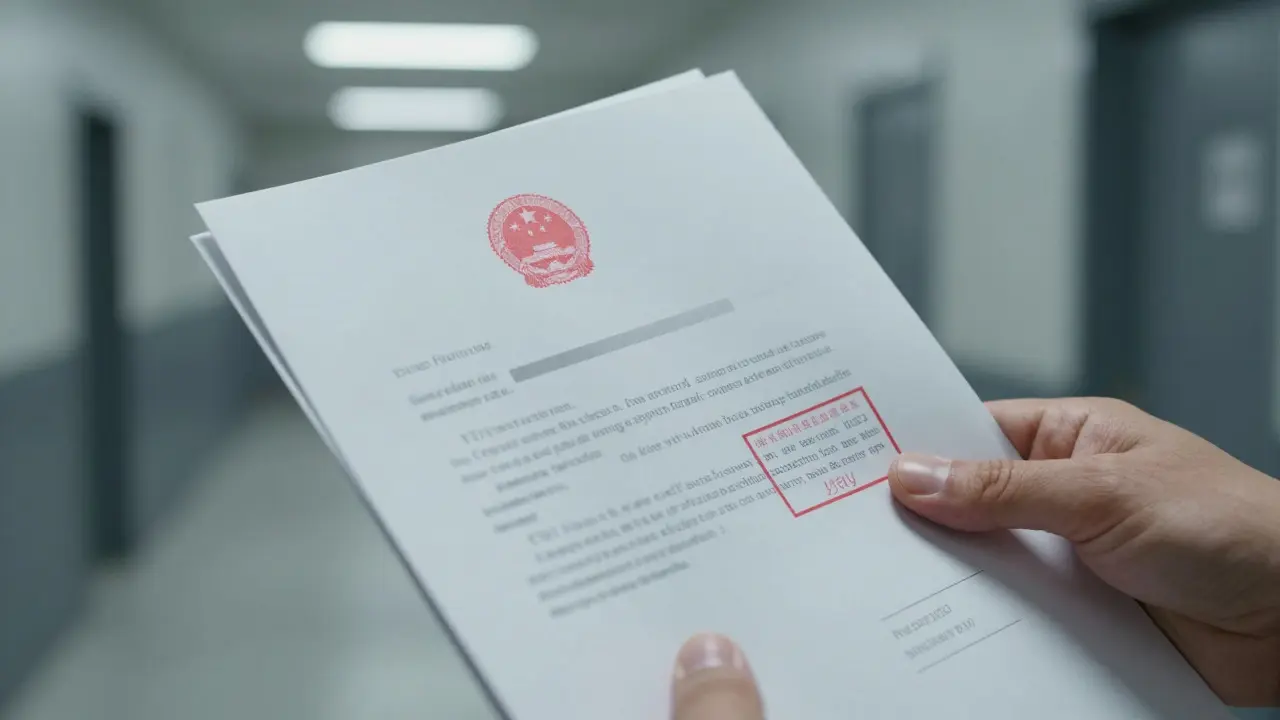
Getting a sentence credit is one of the most tangible rewards for finishing a course behind bars. Yet, too many inmates lose out on these days because the paperwork isn't done right or doesn't match what the judge expects. It’s not just about getting a certificate; it’s about proving that you met every specific requirement of the milestone credit system in your state. If you’ve ever sat in a hearing and felt like the clock was ticking against you while the warden fumbled through files, you know the frustration. This guide breaks down exactly how to document your program completions so there’s no ambiguity when it comes time to award those days. We’re talking about the specific forms, the verification steps, and the common pitfalls that cause delays.
Understanding the Mechanics of Sentence Credits
Sentence credits are reductions in an inmate's remaining term awarded for good behavior, educational attainment, or completion of specific correctional programs. They are distinct from parole eligibility but directly impact the release date. In many jurisdictions, these credits are tied to "milestones"-specific achievements like finishing a GED, completing a vocational certification, or graduating from a college degree program. The key here is that the credit is rarely automatic. While some states have automated systems that detect completion via digital records, others rely heavily on manual review by a sentencing court or a board of pardons. This manual step is where documentation errors creep in. For example, if a state offers 10 days off per semester completed, but your transcript says "in progress" instead of "completed," you might get zero credit for that term until it’s corrected. Understanding this distinction between *participation* and *completion* is the first step to securing your award.The Core Components of Valid Documentation
To secure a milestone credit, your file needs three core elements: proof of enrollment, proof of successful completion, and official verification. Missing even one can stall the process for months.- Official Transcripts: These must come directly from the institution (college, trade school, or adult ed provider). A printed copy from your student portal often isn’t enough. The registrar’s office needs to stamp and sign it, confirming the dates and grades.
- Certificates of Completion: For vocational or short-term courses, the final certificate is critical. Ensure it lists the exact title of the program as recognized by the state’s Department of Corrections (DOC).
- Institutional Verification Letters: Sometimes, transcripts don’t show up quickly. A letter from the academic dean stating you finished all required coursework by a specific date acts as a bridge document. This is especially useful for new programs that aren’t yet in the state’s database.
A pro tip: Always keep a personal copy of everything. If the DOC loses your file, having a backup means you can request re-filing without starting from scratch. Many inmates discover their documents were misplaced only after missing a parole hearing deadline.
Common Pitfalls That Delay Credit Awards
Even when you finish a program, administrative hiccups can eat away at your potential release date. Here are the most frequent issues we see:- Name Discrepancies: If you go by a nickname or have changed your name legally, but your prison ID uses your birth name, the paperwork might not match. Always include a note linking the names if they differ.
- Program Eligibility Mismatches: Not every class counts. Some states only offer credits for programs that lead to a recognized credential (like an Associate’s degree or a CNA license). Finishing a general interest workshop on gardening might not qualify unless explicitly listed in the state’s creditable programs list.
- Lagging Data Entry: In large facilities, staff may take weeks to enter your completion status into the central database. Don’t wait for them. Submit your own packet to the legal aid office or the warden’s office immediately upon receiving your certificate.
For instance, in Oregon, the Oregon Department of Corrections requires specific forms for educational credits. If you use a generic form from another state, it might be rejected for lacking the correct jurisdiction code. Always check your local DOC website for the specific template.
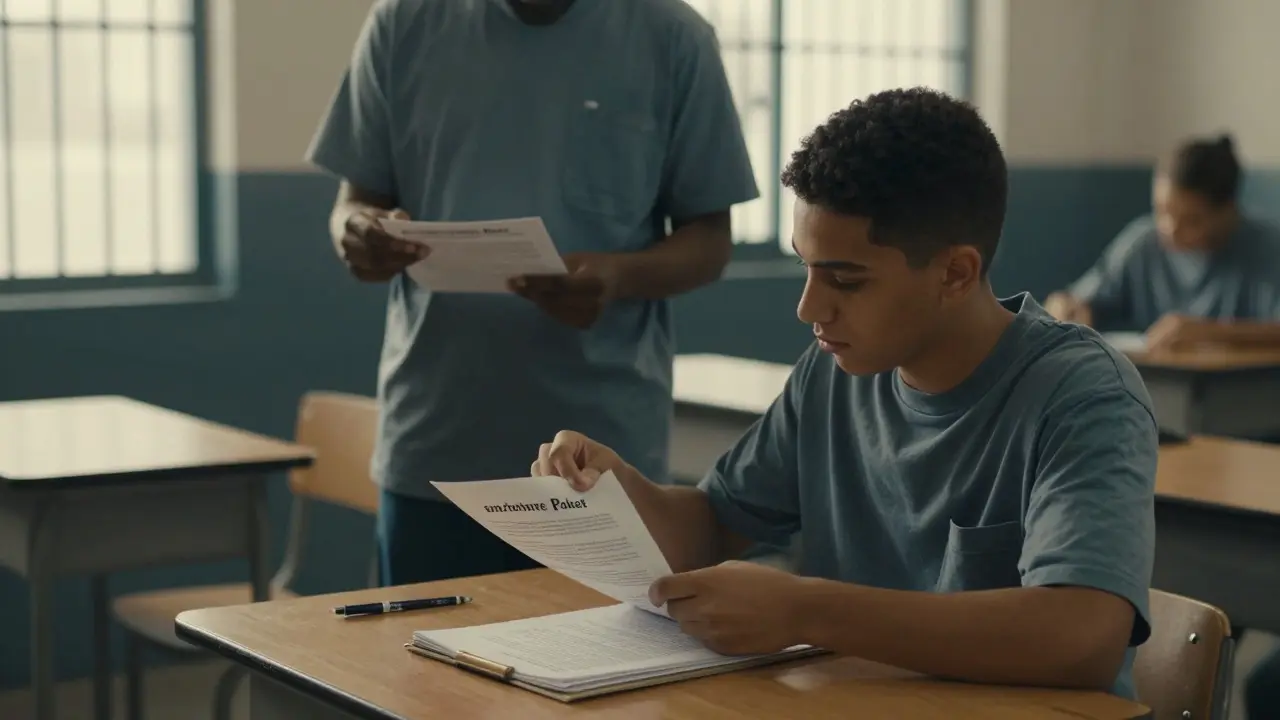
Step-by-Step Guide to Submitting Your Packet
Once you have your documents ready, follow this sequence to ensure they land in the right hands:- Gather All Documents: Collect your transcripts, certificates, and any verification letters. Make sure they are all dated within the last six months if possible.
- Complete the State-Specific Form: Fill out the official "Request for Educational Credit" form. Double-check your inmate number, case number, and current facility.
- Get Witness Signatures: Have a peer or staff member sign a witness line if required. This adds credibility to your submission.
- Submit to Two Places: Send one copy to the Facility Legal Aid Office and another to the Central Records Division. Keep the receipt stamps for both.
- Follow Up in 30 Days: If you haven’t heard back, visit the records clerk. Ask specifically if your file has been updated with the "Completion Date."
This dual-submission strategy creates a paper trail. If one copy gets lost, the other ensures your claim is still active. It’s a simple administrative tactic that saves countless hours of waiting.
Comparison of Documentation Types
Different types of evidence carry different weight in the eyes of the reviewing officer. Here’s how they stack up:| Document Type | Reliability | Processing Time | Best For |
|---|---|---|---|
| Official Transcript | High | 5-10 business days | Degree programs, GED |
| Certificate of Completion | Medium-High | 2-5 business days | Vocational certs, short courses |
| Dean’s Letter | Medium | Immediate (if pre-approved) | New programs, pending transcripts |
| Student Portal Printout | Low | Often rejected | Personal reference only |
Notice how the student portal printout is marked as low reliability. While it proves you took the class, it doesn’t prove the institution officially recorded your graduation. Always aim for the top two rows in that table.
State-Specific Variations and Resources
Because sentence laws vary wildly by state, you need to know your local rules. In California, for example, credits are often calculated based on "good conduct" plus "educational achievement," with specific caps on how many days you can earn per year. In Texas, the focus is more on "gain time" which includes work assignments and education. Always consult with a corrections attorney or a legal aid specialist in your facility. They can tell you if your specific program is on the approved list. If you’re unsure, ask the education coordinator at your facility. They deal with this paperwork daily and can point you to the exact form needed. Don’t guess-ask.Frequently Asked Questions
Do I need a lawyer to file for sentence credits?
No, you do not strictly need a lawyer for standard educational credits. Most facilities have legal aid offices that help with these filings for free. However, if your case involves complex legal issues or prior denials, consulting an attorney is wise.
What happens if my transcript arrives late?
Credits are usually applied retroactively to the date of completion, not the date of filing. So if you finish in January but file in March, you should still get credit for January. Just make sure your filing date is documented clearly.
Can I appeal a denied credit request?
Yes. Most states allow you to appeal a denial through the internal grievance process first. If that fails, you can petition the sentencing court or the board of pardons. Keep all your correspondence as part of your appeal record.
Does online learning count for sentence credits?
It depends on the state. Some jurisdictions require in-person attendance for certain credits, while others accept online courses if they are accredited. Check your state’s DOC guidelines to see if remote learning qualifies.
How long does it take to receive the credit after filing?
Typically, it takes 30 to 60 days for the paperwork to be processed and the credit to appear on your sentence calculation sheet. Follow up after 30 days if you haven’t seen any changes.