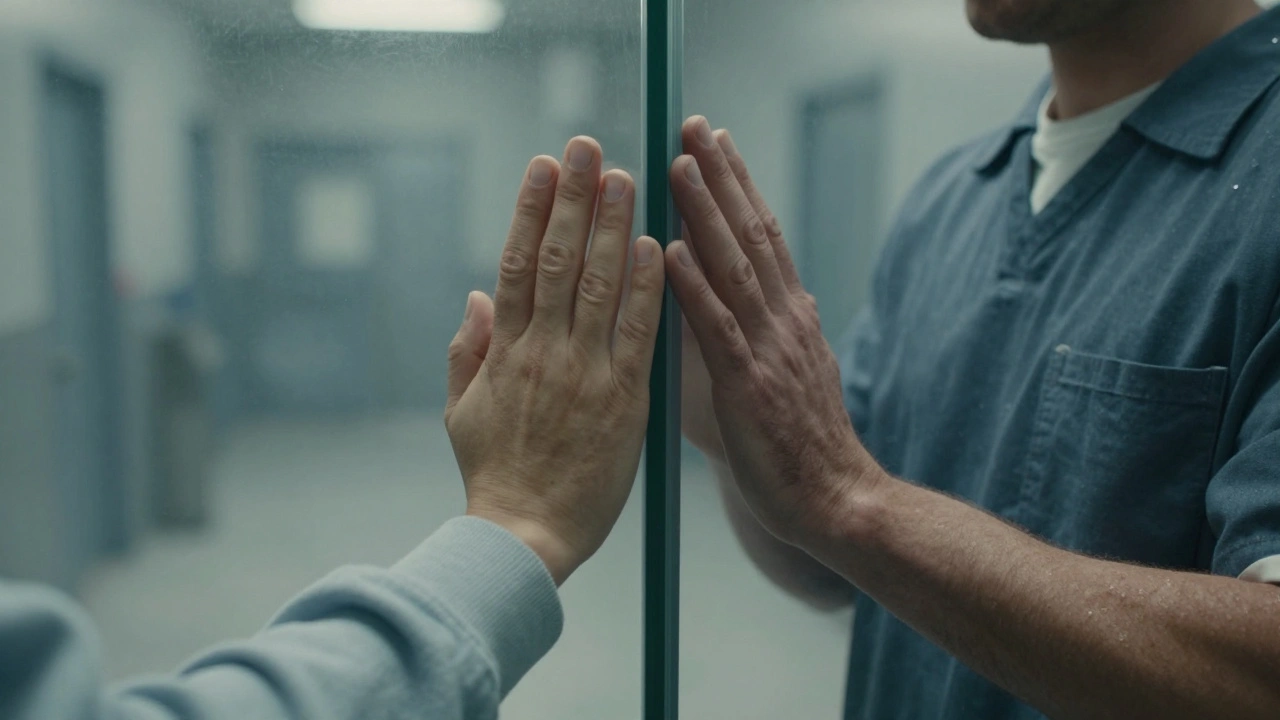
Walking into a correctional facility for the first time is stressful. When you find out your loved one is limited to a non-contact visit, it can feel like another wall is being put up between you. You might be wondering why you can't just sit in a room together or why there is a piece of glass separating you from your partner, child, or parent. While it feels cold, these visits-often called "box visits"-are a standard security tool used to keep the facility safe while still allowing you to maintain a vital emotional connection.
If you've been told you're restricted to these types of visits, it's usually not because of who you are as a visitor, but because of the current status of the person inside. Understanding how these systems work can help you manage your expectations and make the most of the limited time you have together.
How Non-Contact Visits Actually Work
Depending on where the facility is located, the experience varies. In many state systems, like the California Department of Corrections and Rehabilitation (CDCR), the process is highly structured. The incarcerated person is typically escorted by officers in handcuffs. To protect children or sensitive visitors from seeing this, staff often wait until the person is secured inside the visiting booth before removing the restraints.
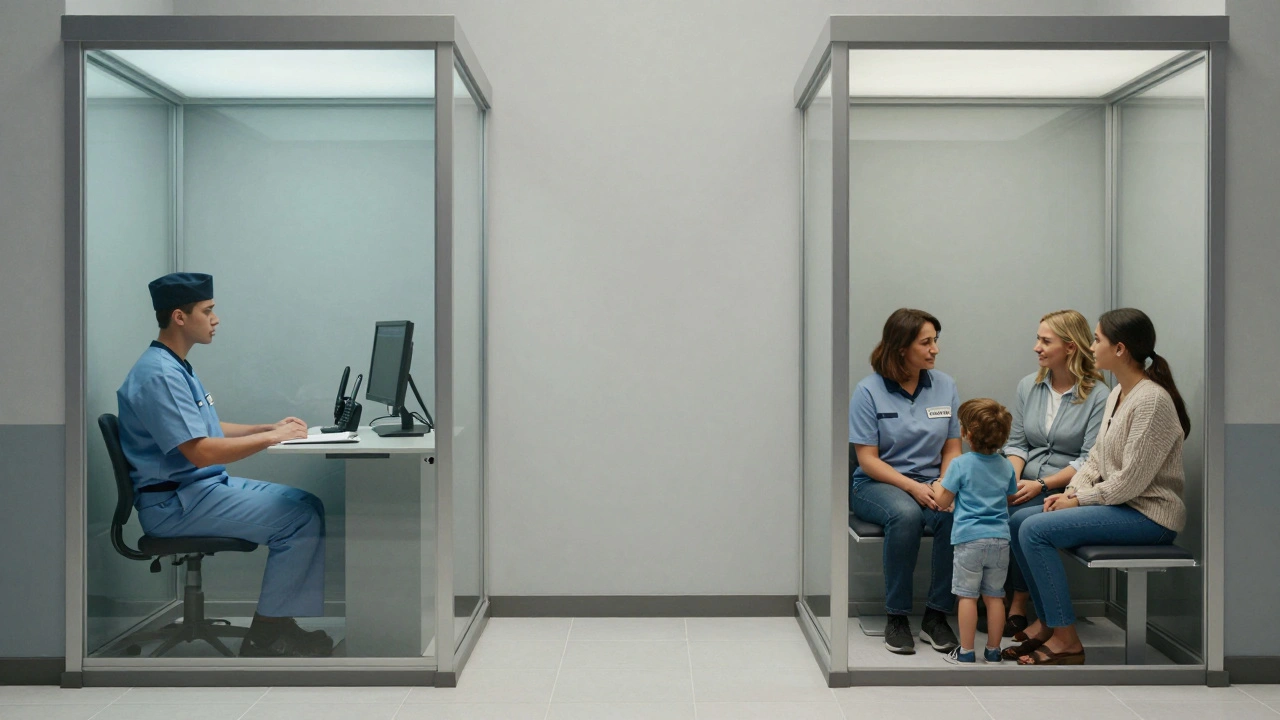
Once inside, you'll find a transparent barrier-usually glass or Perspex. You won't be able to touch, even a fingertip. Communication happens through one of two ways: a grated opening in the glass or a phone system. Some modern facilities use the Jacques Non-Contact Visits System, which provides intercoms. Whether it's a handset or a hands-free terminal, these systems ensure you can hear each other clearly. One thing to keep in mind: these conversations are almost always recorded for security reasons.
In other states, like Texas under the Texas Department of Criminal Justice (TDCJ), the setup is similar. You'll be in a secure area with a glass partition and a phone, under the direct eye of a correctional officer. If you try to shout or pass something through a gap, the officer will likely end the visit immediately.
Who Qualifies for Non-Contact Visits?
Eligibility isn't usually about the visitor's background (though that does play a part in general approval), but rather the inmate's security classification. If your loved one falls into certain categories, a non-contact visit is the only option available.
- Reception Centers: People who just arrived at a prison or were recently transferred are often kept on non-contact status until they are processed and classified.
- Segregation Units: Anyone in Administrative Segregation, Security Housing Units (SHU), or Behavior Management Units is restricted to the glass partition.
- Disciplinary Issues: If there is a pending rule violation report, the facility may pull back contact privileges.
- Death Row Status: In California, "Condemned Grade B" individuals are strictly limited to non-contact visits. Those with "Grade A" status might get contact visits, but they are still escorted in handcuffs to the booth.
In some countries, like Australia, "box visits" are used as a flexible security tool. If a person's security level changes suddenly after a visit was already booked, the prison management can switch it to non-contact to maintain order.
| Visit Type | Physical Contact | Primary Barrier | Typical Eligibility |
|---|---|---|---|
| Non-Contact (Box) | None | Glass/Plastic Partition | High security, reception, or disciplinary status |
| Contact Visit | Limited (e.g., hugs) | Supervised Room | General population, good behavior |
| Family/Conjugal | Full | Private Trailer/Unit | Eligible immediate family, low-risk status |
Visiting Rules and Time Limits
You can't just show up and hope for the best. Most facilities require a formal application. In California, this means filling out the CDCR Form 106. The incarcerated person usually starts this process, signs it, and then it's sent for approval. Be patient-there isn't always a strict deadline for when the prison will approve your request, so it can feel like you're waiting forever.
Once approved, there are a few hard rules you need to know:
- Visitor Limits: Most non-contact sessions are capped at three visitors per session.
- Duration: Visits typically last between one and two hours. In Australia, for example, the Corrections Act 1986 guarantees a minimum of one 30-minute box or video visit per week.
- Scheduling: Prisons are required to provide a set number of visiting hours (at least 12 per week in CA), including weekends and holidays.
Why the Glass? The Logic Behind the Restriction
It feels harsh, but prison officials use non-contact visits to prevent the flow of contraband-which is anything illegal or unauthorized, from drugs to cell phones. The U.S. Supreme Court actually backed this up in the 1984 case Blake v. Rutherford, ruling that non-contact restrictions are a reasonable way to keep contraband out of jails.
Beyond security, there is a human element. State legislatures recognize that staying connected to family helps an incarcerated person behave better inside and recover faster once they are released. While a contact visit is obviously better for mental health, a non-contact visit is better than no visit at all. It keeps the family bond alive and gives the person inside a reason to follow the rules so they can eventually "upgrade" to a contact visit.
Visitor Denials: Who Can't Visit?
Even if the inmate is eligible for a visit, the visitor might be blocked. You aren't automatically allowed in just because you're related. You will likely be denied if:
- You have an outstanding warrant for your arrest.
- You were a co-defendant in the crime the incarcerated person is serving time for.
- You have a recent felony conviction (typically one in the last 3 years, two in 6 years, or three in 10 years).
- You've ever been convicted of smuggling drugs or contraband into a prison.
- You are currently on probation or parole (you'll need a signed approval from your supervising agent).

Alternative Options: Video Visiting
If traveling to the prison is too expensive or the non-contact booth feels too restrictive, some states offer video visiting. In North Carolina, for instance, the Department of Adult Correction uses electronic tablets and kiosks. This allows you to see and hear your loved one from your own home. While it lacks the "presence" of being in the building, it removes the stress of the security checkpoints and the physical barrier of the booth.
Can I touch the glass during a non-contact visit?
Yes, you can place your hand against the glass, but you cannot reach around, under, or through any gaps to touch the incarcerated person. Any attempt to pass an item through a grate or gap will likely result in the immediate termination of the visit and possible disciplinary action for the inmate.
How do I move from non-contact to contact visits?
Moving to contact visits usually depends on the inmate's behavior and security classification. They need to maintain a clean disciplinary record, avoid one-on-one rule violations, and potentially move out of a reception center or segregation unit. Each facility has different "grades" or levels; once the inmate is reclassified to a lower security risk, they can apply for contact privileges.
Do I need a background check for a box visit?
Yes. Regardless of whether the visit is contact or non-contact, all visitors must be approved. This involves filling out a questionnaire (like Form 106 in CA) and a background check to ensure you don't have active warrants or a history of prison-related crimes.
Can children attend non-contact visits?
Yes, children can attend, but they must be approved as visitors. Because these visits can be intimidating, some facilities allow visitors to wait until the incarcerated person is secured in the booth before they approach the glass, so the children don't have to see the inmate in handcuffs.
What happens if the visitor is on parole?
If you are on parole, probation, or any other form of legal supervision, you aren't automatically banned, but you must provide written approval from your supervising officer before the prison will grant you visiting access.
Next Steps and Troubleshooting
If you've been denied a visit or are stuck in non-contact status, start by checking the inmate's current classification grade. If they are in a reception center, this is temporary-just wait for their permanent housing assignment. If the denial is based on your own criminal record, check the specific timeframe rules (e.g., the 3/6/10 year rule for felonies) to see if you now qualify.
For those struggling with the emotional toll of the glass barrier, look into video visiting as a supplement. It's not a replacement for in-person time, but it reduces the number of trips you have to make to the facility and provides a more relaxed environment for the family to talk.