
Imagine walking into a therapy session where the counselor doesn't understand your family dynamics, dismisses your spiritual beliefs, or uses medical jargon that feels like a foreign language. For many incarcerated people, this isn't just a bad day-it's the standard experience of prison rehabilitation. When a program ignores a person's cultural identity, it doesn't just fail to help; it often creates a wall of distrust that makes actual recovery impossible. The reality is that a one-size-fits-all approach to culturally responsive rehabilitation is a failed experiment. If we want people to actually stop committing crimes, we have to stop treating them like generic case numbers and start treating them as members of a specific community with unique values and traumas.
What Actually Makes a Program "Culturally Responsive"?
At its core, Culturally Responsive Rehabilitation is a systematic approach to correctional treatment that integrates an individual's cultural background, values, and beliefs into their recovery and reentry plan . It’s not about adding a few translated pamphlets to a waiting room. It’s a fundamental shift in how staff and participants interact.
True responsiveness recognizes that race, ethnicity, religion, and gender identity aren't just checkboxes on an intake form-they shape how a person perceives authority, how they experience trauma, and how they define "success." For example, a person from a collectivist culture might view their family as their primary source of strength, but they might also feel an intense sense of cultural shame regarding their incarceration. A program that ignores this tension will likely see the participant shut down or disengage from treatment.
The 9-Step Framework for Effective Treatment
Moving from a rigid system to a flexible, responsive one requires a roadmap. Correctional specialists have developed a specific methodology to ensure no one falls through the cracks. It doesn't happen overnight; it's a process of building trust first and clinical work second.
- Relationship Building: Everything starts with a human connection. You can't treat someone who doesn't trust you.
- Demystifying the Process: Many people enter the system completely unfamiliar with the language of behavioral health. Staff must walk them through what "evaluation" and "treatment" actually mean in plain English.
- Active Collaboration: The incarcerated person isn't a passive recipient of care; they are a partner in designing their own path forward.
- Cultural Theme Integration: This is where staff explore how cultural factors act as both strengths and obstacles.
- Identifying Community Assets: Recognizing that some people prefer guidance from elders or clergy over a licensed clinician.
- Resource Mapping: Connecting the individual to institutions within their own cultural community.
- Culturally Adapted Motivation: Using Motivational Interviewing is a clinical approach to help people find the internal motivation to change their behavior , but tailoring it to fit the person's cultural communication style.
- Dynamic Assessment: Understanding that a person's readiness for change fluctuates and is influenced by their environment.
- Inclusive Treatment Planning: Finalizing a plan that includes linguistic accommodations, interpreters, and specific cultural rituals-like purification ceremonies for Native American participants.

Real-World Models That Actually Work
We don't have to guess if this works; we have evidence from programs that have flipped the script on traditional corrections. One of the most successful examples is the Alaska Native Justice Center (ANJC), a tribal nonprofit providing integrated reentry services for Alaska Native people in Anchorage . The ANJC doesn't just provide a bed and a job lead; they provide a cultural ecosystem. They offer individualized case management that starts before release and continues long after, bridging the gap between the prison cell and the community.
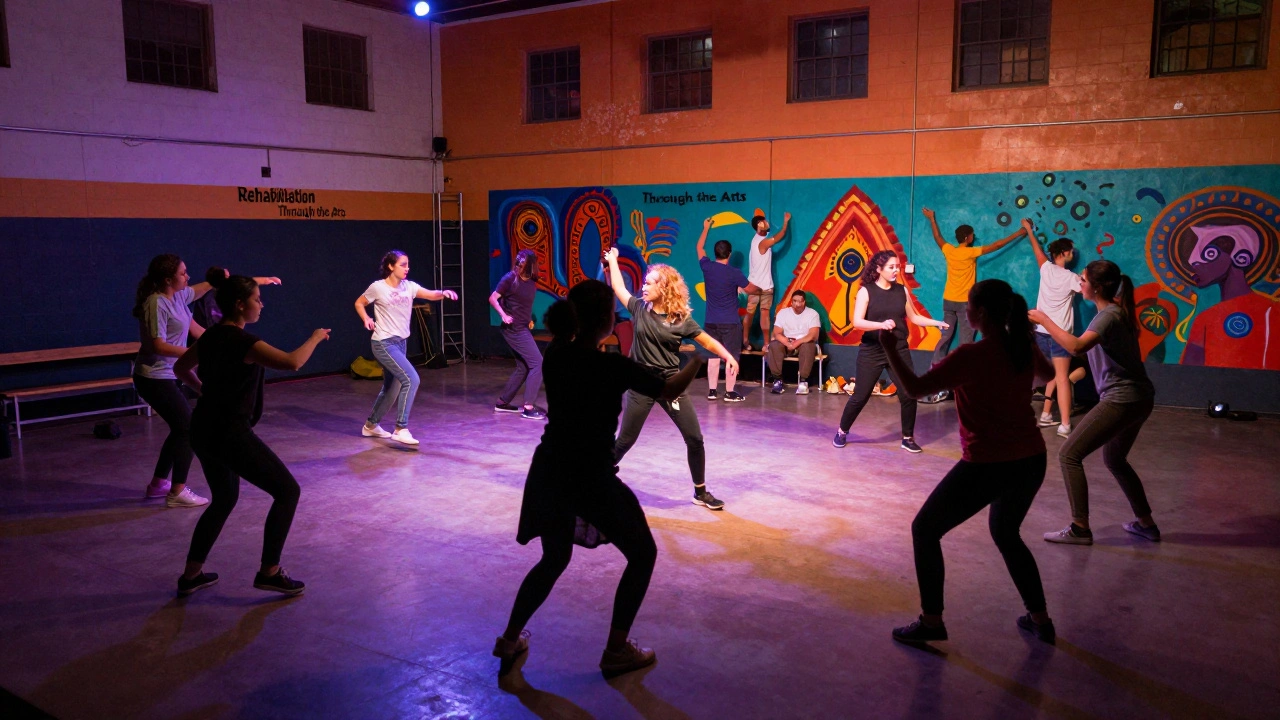
Another innovative approach is Rehabilitation Through the Arts (RTA), a program launched at Sing Sing Correctional Facility that uses creative arts to teach critical life skills . RTA realizes that some people can't express their trauma through a standard talk-therapy session. By using theater, dance, and visual arts, they allow incarcerated individuals to process their experiences through a medium that aligns with their cultural preferences, teaching collaboration and problem-solving in a way that feels natural rather than forced.
| Feature | Traditional Approach | Culturally Responsive Approach |
|---|---|---|
| Treatment Goal | Standardized compliance | Holistic wellness (physical, spiritual, mental) |
| Staff Role | Authoritative expert | Collaborative guide/partner |
| View of Culture | Ignored or seen as a barrier | Leveraged as a primary strength |
| Success Metric | Program completion | Reduced recidivism and community integration |
| Support System | Clinical staff only | Clinicians, elders, clergy, and peer mentors |
The Heavy Lift: Staff Training and Racial Trauma
You can't have a culturally responsive program if the guards and counselors are still operating on old biases. This is where many facilities fail. For these programs to work, the workforce needs a total mindset shift. This means formal Cultural Competency Training is educational programming designed to help professionals understand and interact effectively with people from diverse backgrounds for every officer and staff member.
A critical part of this training is addressing racial trauma. Many incarcerated individuals carry deep historical and systemic scars. When a person is experiencing a trauma response, they might seem "non-compliant" or "aggressive" to an untrained officer. In reality, they are reacting to a system that has historically marginalized them. If staff can recognize these triggers, they can de-escalate situations instead of escalating them into disciplinary reports, which only pushes the person further away from rehabilitation.
Why This Matters for Public Safety
Some critics argue that tailored programming is "special treatment." The data tells a different story. Research, including a 2018 study by Shepherd and colleagues, shows that cultural engagement in correctional settings is a massive factor in reducing recidivism among indigenous populations. When people feel seen and respected, they engage more deeply with the program. When they engage, they learn the skills necessary to stay out of prison.
Consider the demographics: NAACP data suggests that one in four African-American males between 16 and 30 will spend time in jail or prison. If we continue using a "one-size-fits-all" model that alienates the very people it is supposed to help, we are essentially guaranteeing a revolving door of incarceration. By focusing on strength-based strategies that fortify cultural identity and resiliency, we move from merely "managing" a population to actually healing them.
The shift toward more humane environments-like the Little Scandinavia pilot or the Vera Institute's Restoring Promise Initiative-shows that when we prioritize human dignity and restorative justice, the entire correctional culture changes. Staff are less stressed, and incarcerated individuals are more focused on successful reintegration. It's a win-win for the facility and the community.
Does culturally responsive programming actually lower the crime rate?
Yes. Evidence shows that when rehabilitation accounts for race, ethnicity, and gender, recidivism rates drop. A meta-analysis indicates that indigenous populations, in particular, show lower return-to-prison rates when their cultural identity is integrated into their treatment and reentry plans.
Is this just about translating documents into different languages?
No. While linguistic accommodations and interpreters are necessary, true cultural responsiveness involves changing the actual delivery of care. This includes involving community elders, adapting motivational strategies to fit cultural norms, and addressing historical racial trauma.
How do you handle people who don't trust clinical psychology?
Responsive programs recognize that many cultures seek help from non-clinical sources. Instead of forcing a standard therapy model, they incorporate support from clergy, tribal elders, and social support networks, blending traditional clinical goals with cultural healing practices.
What is the role of the arts in rehabilitation?
Programs like Rehabilitation Through the Arts use creative expression to reach people who may struggle with traditional talk therapy. Arts-based programming helps participants develop communication, critical thinking, and problem-solving skills through a medium that often feels more culturally intuitive and less clinical.
Do correctional officers need to be trained in this?
Absolutely. Without staff buy-in and training, culturally responsive programming fails. Officers must be trained in cultural competency to recognize how racial trauma manifests in behavior and to avoid misinterpreting cultural expressions as defiance or aggression.
Next Steps for Implementation
If you're looking to transition a facility toward this model, start by auditing your current intake process. Ask: are we asking about cultural identity only to check a box, or are we using that information to shape the treatment plan? Next, establish partnerships with community-based nonprofits like the ANJC that already have trust within specific populations. Finally, move toward a co-design model where the incarcerated individuals themselves help shape the programming, ensuring that the "responsiveness" is based on actual needs rather than staff assumptions.