
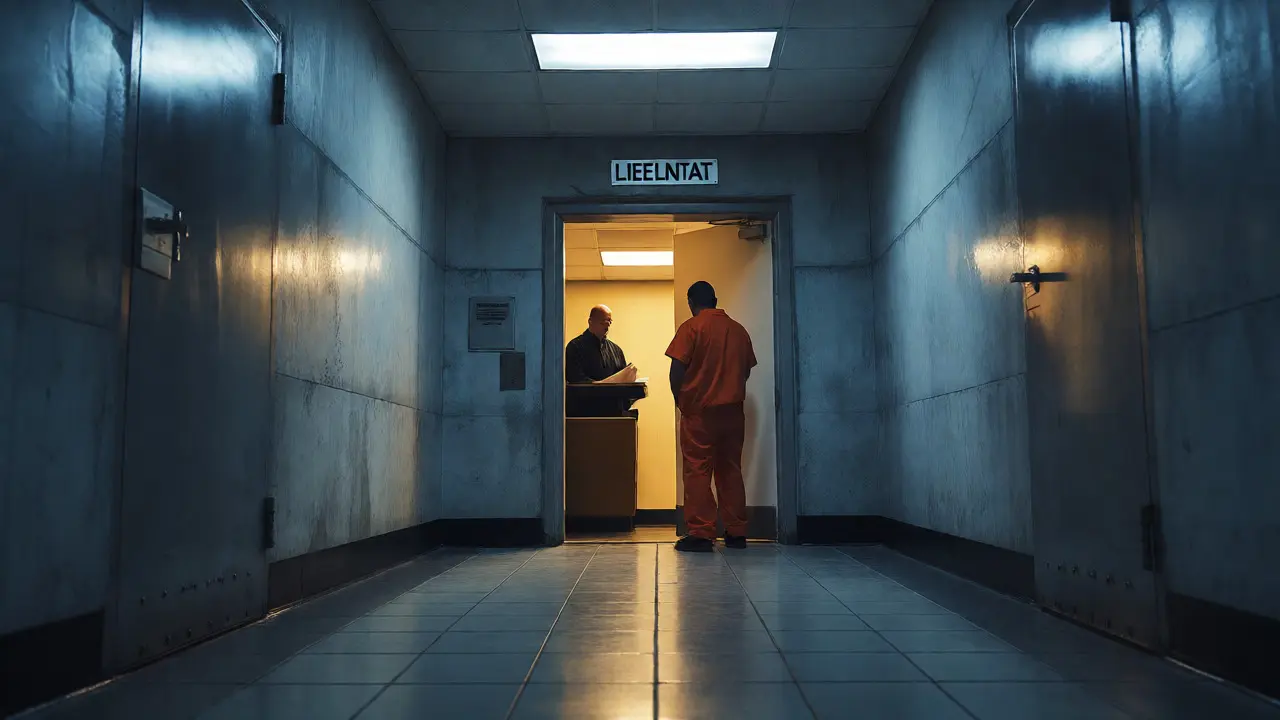
Walk into any federal correctional facility, and you’ll notice a distinct shift in atmosphere when you approach the unit where the lieutenants work. It’s not just a desk; it’s the nerve center of daily order. If you’ve ever wondered who actually decides whether an incident report gets filed, or why some grievances move fast while others stall, the answer usually lies in the Lieutenant’s Office. This isn’t about the warden making grand policy decisions from a distant office. It’s about the mid-level supervisors who bridge the gap between the guards on the block and the administration upstairs.
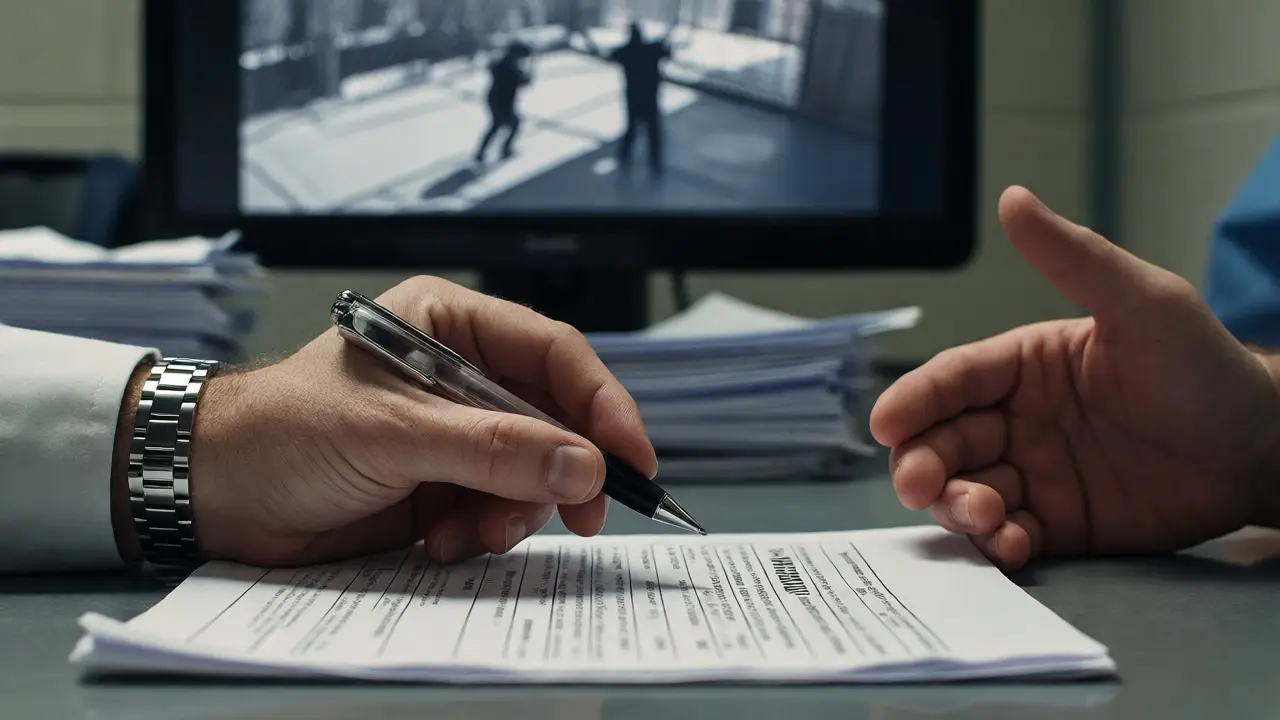
Most people assume discipline is black and white: you break a rule, you get punished. But in the Bureau of Prisons (BOP), discipline is heavily influenced by how incidents are documented and processed. The lieutenant plays a critical, often invisible role in this pipeline. They aren’t just passing paperwork along. They are filtering, interpreting, and sometimes shielding inmates from overly harsh penalties-or conversely, escalating minor issues if they feel the need to assert control.
The Gatekeeper Function of Unit Lieutenants
Think of the Unit Lieutenant as the primary gatekeeper for disciplinary actions within a housing unit. When a correctional officer witnesses misconduct-say, an altercation in the yard or contraband found during a shakedown-they write an incident report. But that report doesn’t automatically go to the Disciplinary Hearing Officer (DHO). It goes to the lieutenant first.
This step matters more than most inmates realize. A lieutenant can decide to handle a minor infraction informally through counseling or loss of privileges without creating a formal record. Or, they can push it forward for a formal hearing. Why does this distinction matter? Because a formal disciplinary finding stays on your file. It affects your security level, your eligibility for certain jobs, and even your chances at early release under programs like the Second Chance Act. The lieutenant’s discretion here is massive. They look at the officer’s report, check the camera footage if available, and talk to the involved parties before deciding if the case has "legs."
Grievance Processing: Where the Rubber Meets the Road
If you’re dealing with a complaint about conditions, staff conduct, or medical care, you’re entering the Administrative Remedy Program, commonly known as the grievance process. Here, the lieutenant’s office is often the first stop for informal resolution attempts. Before you can file a formal BP-9 form (the initial grievance), you’re generally required to try resolving the issue with staff directly.
In many facilities, this means going to the lieutenant’s office. This isn’t always a bad thing. A good lieutenant can fix a broken heater, resolve a dispute over cell assignment, or clarify a misunderstanding about commissary limits without you needing to jump through bureaucratic hoops. However, this stage is also where grievances often die. If a lieutenant dismisses your concern as "non-grievable" or claims you didn’t follow proper procedure, you might spend weeks trying to prove otherwise. The key here is documentation. If the lieutenant says no, ask for the reason in writing. Their verbal dismissal isn’t always final, but their written note becomes part of the official record.
Impact on Inmate Safety and Staff Dynamics
The relationship between the lieutenant and the correctional officers (COs) sets the tone for safety on the block. Lieutenants supervise the COs. If a lieutenant tolerates aggressive behavior from staff, COs are likely to escalate situations quickly. Conversely, if a lieutenant emphasizes de-escalation, COs may be more willing to talk things out rather than reaching for handcuffs immediately.
For inmates, understanding this dynamic helps predict outcomes. Are the lieutenants on your unit known for being strict on contraband but lenient on noise complaints? Or do they ignore petty infractions unless there’s a specific crackdown happening? Observing these patterns allows you to navigate the system better. For example, if you know the current lieutenant is focused on gang-related activity, avoiding group gatherings in common areas might save you from unnecessary searches and reports.
| Role | Primary Responsibility | Discipline Power | Grievance Influence |
|---|---|---|---|
| Correctional Officer | Direct supervision, incident reporting | None (reports only) | Low (initial response) |
| Lieutenant | Supervising COs, reviewing reports, informal resolution | High (filtering cases, informal sanctions) | Medium-High (first point of contact) |
| Disciplinary Hearing Officer | Conducting formal hearings, imposing sanctions | Total (formal findings) | N/A (appeals stage) |
| Warden | Overall facility management, policy enforcement | Final appeal authority | Final appeal authority |
Strategic Engagement with the Lieutenant’s Office
How you interact with the lieutenant’s office can change your experience inside. It’s tempting to view them purely as adversaries, especially after a bad encounter. But treating them as administrators rather than enemies often yields better results. When submitting requests or addressing issues, keep it factual and concise. Lieutenants deal with hundreds of interactions daily. A rambling, emotional complaint is less likely to get attention than a clear, bulleted list of facts.
Also, timing matters. Approaching the lieutenant during shift changes or when they’re handling a crisis is rarely effective. Try to catch them during quieter periods, perhaps late morning or early afternoon. And remember, respect is reciprocal. Even if you disagree with a decision, maintaining a professional demeanor prevents the situation from escalating into a disciplinary issue itself.
Common Pitfalls and Misconceptions
One major misconception is that the lieutenant has absolute power over your sentence or release date. They don’t. Their power is procedural. They influence whether a problem becomes a formal record. Another pitfall is assuming all lieutenants operate the same way. Each unit may have a different culture depending on who is in charge. What works on Unit A might fail on Unit B because the lieutenant there prioritizes different rules.
Don’t skip the informal resolution step. Many inmates rush to file a formal grievance (BP-9) because they feel ignored. But if you skipped talking to the lieutenant first, your grievance could be rejected as "procedurally deficient." Always document your attempt to speak with the lieutenant. Note the date, time, and what was said. If possible, get a witness. This paper trail protects you if the issue escalates.
Key Takeaways
- Filtering Role: Lieutenants decide which incidents become formal disciplinary records, impacting your future opportunities.
- Grievance Gateway: Most administrative remedies start with an informal conversation with the lieutenant; skipping this can void your grievance.
- Cultural Variance: Each unit’s lieutenant shapes the local enforcement style, so observe patterns before acting.
- Documentation is Key: Always record interactions with the lieutenant’s office to protect your rights in appeals.
Can I appeal a decision made by the lieutenant?
You cannot directly appeal a lieutenant's informal decision in the same way you appeal a DHO ruling. However, if their decision leads to a formal disciplinary report, you can contest the report during the hearing. If it relates to a grievance, you proceed to the next level of the Administrative Remedy Program (BP-10) after exhausting the informal step.
Do lieutenants have the power to place me in segregation?
Yes, but usually temporarily. A lieutenant can authorize short-term segregation pending a formal hearing, especially if you pose an immediate threat. Long-term segregation requires a formal disciplinary hearing and approval from higher authorities like the Warden.
What happens if I refuse to talk to the lieutenant about my grievance?
If you refuse to attempt informal resolution, your formal grievance may be dismissed as procedurally invalid. The BOP requires you to give staff a chance to fix the issue before filing formal paperwork. Always make a good-faith effort to engage, even if you expect a negative outcome.
Are lieutenants present in all federal prisons?
Yes, the rank structure including lieutenants is standard across the Bureau of Prisons. However, the number of lieutenants per unit varies based on the facility's size and security level. High-security facilities typically have more supervisory staff per housing unit.
How does the lieutenant’s office affect my job assignment?
Indirectly, yes. If you accumulate disciplinary reports filtered by the lieutenant, you may lose eligibility for desirable jobs. Conversely, a clean record maintained through positive interactions with supervisors can help you secure positions that offer better pay or privileges.