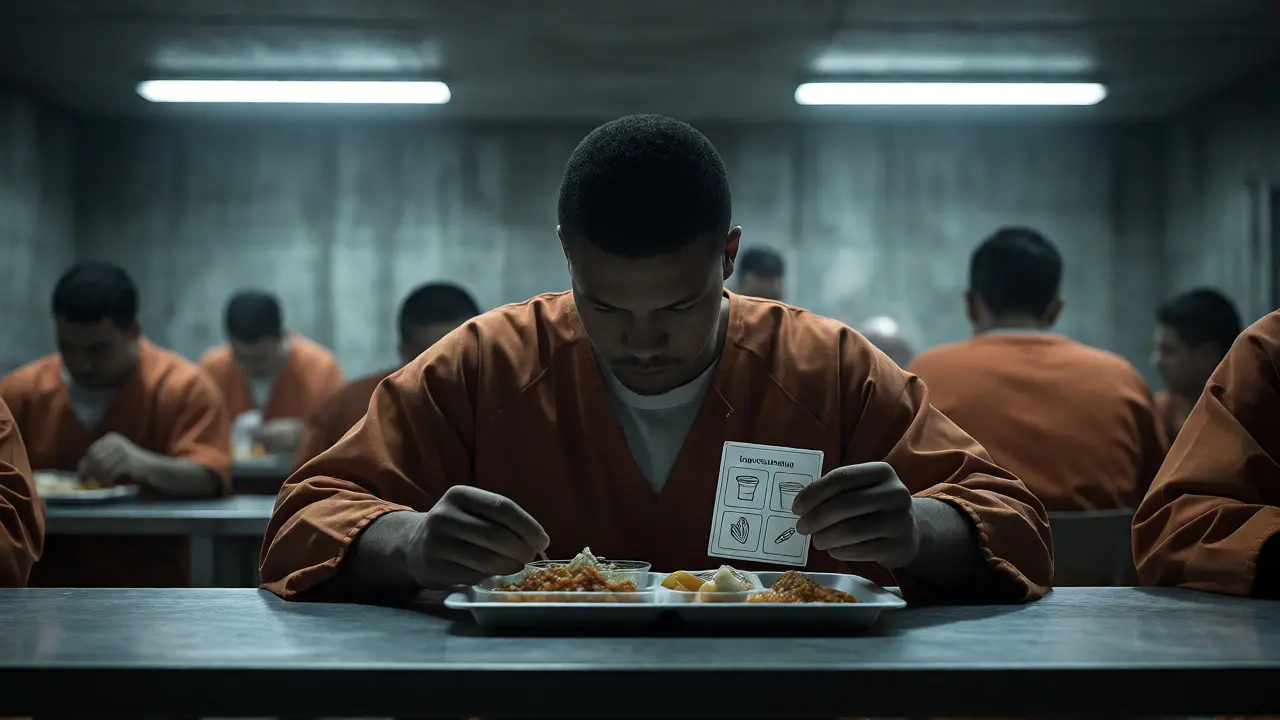
Imagine being diagnosed with diabetes while serving a ten-year sentence. You’re told to watch your sugar, take insulin, and exercise. But you have no control over the cafeteria menu, no access to a gym outside of limited yard time, and your medical records are locked in a file cabinet three buildings away. This is the reality for millions of people behind bars. Inmate education on health self-management isn't just a nice-to-have program; it’s a critical bridge between survival inside and survival outside.
The problem is stark. Correctional facilities are often described as "sick jails" because they house populations with higher rates of chronic conditions than the general public. Without proper education, inmates become passive recipients of care. They wait for the pill to be handed to them. When they leave prison, that support system vanishes overnight. The result? A revolving door of hospitalizations and readmissions that costs taxpayers billions and leaves former inmates struggling to stay alive.
Why Standard Prison Healthcare Fails Without Education
Most people think prison healthcare is about doctors and nurses. It’s not. It’s about logistics and compliance. In a typical facility, a nurse might see hundreds of patients a day. There’s no time to explain why blood pressure medication needs to be taken at the same time every day or how stress affects heart rate. Correctional medicine focuses heavily on acute issues-fixing broken bones, treating infections, managing withdrawal. Chronic disease management requires a different approach: teaching the patient to be their own doctor when the professionals aren’t around.
When inmates don’t understand their conditions, they make risky choices. They might skip doses to save pills for later. They might ignore symptoms until they become emergencies. This lack of health literacy creates a dangerous gap. Studies from the Bureau of Justice Statistics indicate that nearly half of state prisoners report having a chronic condition, yet many cannot name their medications or explain what those drugs do. That’s not negligence by the inmate; it’s a failure of the educational infrastructure.
The Core Pillars of Effective Health Self-Management
So, what actually works? Successful programs move beyond pamphlets. They focus on four specific areas where an inmate can exert agency despite their environment.
- Medication Adherence Strategies: Teaching inmates how to track doses using simple methods like tally marks on paper or mental cues tied to daily routines (e.g., taking meds after morning count).
- Dietary Navigation: Helping them identify high-sodium or high-sugar items in the chow hall. If they know which foods spike their glucose, they can make better choices even with limited options.
- Symptom Recognition: Training them to spot early warning signs of asthma attacks, diabetic ketoacidosis, or hypertensive crises so they can request help before it’s too late.
- Stress Reduction Techniques: Since incarceration is inherently stressful, teaching mindfulness or breathing exercises helps lower cortisol levels, which directly impacts blood pressure and immune function.
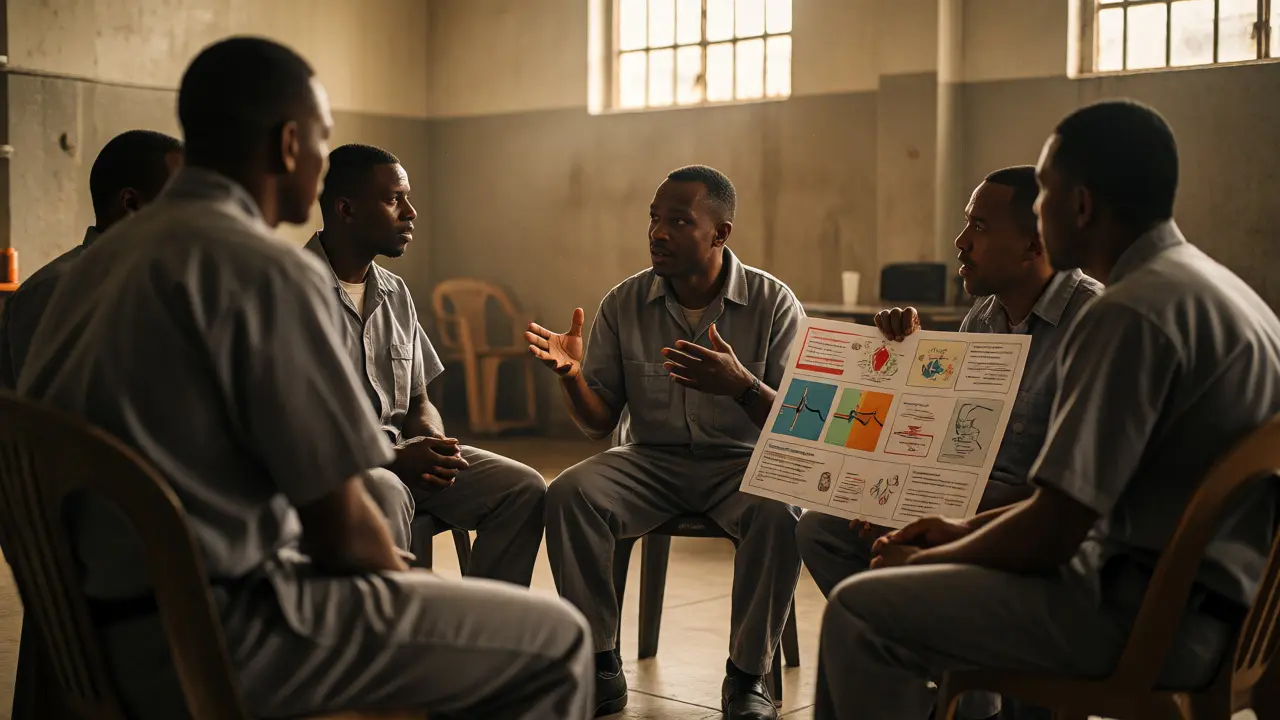
These aren’t abstract concepts. They are practical tools. For example, a peer-led workshop might use role-playing scenarios where one inmate acts as a doctor and another as a patient who doesn’t understand their prescription. This active learning sticks far better than listening to a lecture over a loudspeaker.
The Role of Peer Educators in Prison Settings
You can’t trust a stranger in scrubs as much as you trust someone who lives in your pod. That’s why peer educators are the backbone of successful inmate health programs. These are trained inmates who teach others. They speak the language, understand the social dynamics, and have credibility that staff often lack.
Consider the case of a man named Marcus, incarcerated in Oregon. He struggled with hypertension for years because he didn’t understand the link between his salty prison meals and his swelling ankles. After joining a peer education group, he learned to rinse canned vegetables and avoid processed snacks. More importantly, he taught this to his cellmates. The ripple effect was immediate. Peer educators reduce stigma. Asking a fellow inmate for advice feels safer than admitting ignorance to a guard or a nurse.
This model aligns with broader prison education goals. Just as earning a GED opens doors for employment, health literacy opens doors for physical well-being. Both require structure, consistency, and respect for the learner’s intelligence.
Barriers to Implementation Inside Walls
If this is so obvious, why isn’t every prison doing it? Because prisons are complex ecosystems with rigid constraints. Here are the real-world hurdles:
| Barrier | Impact on Education | Potential Mitigation |
|---|---|---|
| High Turnover Rates | Inmates transfer frequently, breaking continuity of care and learning. | Create portable "Health Passports" that travel with the inmate. |
| Limited Staff Time | Nurses are overwhelmed with clinical duties, leaving little time for teaching. | Integrate brief educational moments into routine vitals checks. |
| Security Protocols | Restrictions on materials (no sharp objects, limited electronics) hinder traditional study tools. | Use laminated cards and audio-based learning modules. |
| Low Literacy Levels | Many inmates struggle with reading, making written handouts useless. | Focus on visual aids, verbal instruction, and hands-on demonstrations. |
Notice that none of these barriers are insurmountable. They just require creativity. Instead of handing out a thick textbook, give an inmate a laminated card with pictures of low-sodium foods. Instead of a long lecture, use a five-minute audio clip played during recreation time. Small adjustments yield big results.

Bridging the Gap to Reentry
The ultimate test of any health program is what happens on release day. This is known as the reentry cliff. Inside, you have scheduled meals and supervised medication. Outside, you have chaos. Many former inmates lose their Medicaid coverage immediately upon release, creating a terrifying uncertainty about how to afford prescriptions.
Effective education includes pre-release planning. This means helping inmates navigate the application process for community health centers before they walk out the gate. It means ensuring they leave with a 30-day supply of medication and a clear, written plan. Programs that incorporate reentry counseling into their curriculum see significantly lower rates of emergency room visits in the first six months post-release.
Think of it like driver’s ed. You wouldn’t let someone drive on the highway without understanding traffic laws. Similarly, releasing someone with chronic illness without health self-management skills is setting them up for a crash. The goal isn’t just to keep them healthy inside; it’s to equip them to manage their health independently in a world that often ignores their needs.
Measuring Success Beyond Clinical Metrics
How do we know if these programs work? Traditional metrics like blood pressure readings are important, but they don’t tell the whole story. We need to look at behavioral changes. Are inmates asking better questions? Are they reporting fewer minor complaints because they can handle small issues themselves?
A pilot program in Washington State tracked two groups: one receiving standard care and one participating in a structured self-management workshop. The workshop group showed a 15% reduction in sick call requests for non-urgent issues. This saves money for the prison system and frees up medical staff for serious cases. Furthermore, participants reported higher confidence in managing their conditions. Confidence matters. It shifts the mindset from victimhood to agency.
This data supports a broader trend in public health policy. The shift is toward value-based care, where outcomes matter more than volume of services. By investing in education, prisons can reduce downstream healthcare costs. It’s a win-win: better health for the individual, lower costs for the state.
Do all prisons offer health education programs?
No, availability varies widely by state and facility type. Federal prisons tend to have more standardized resources, while local jails often rely on volunteer organizations or grant-funded pilots. However, there is a growing push for mandated health literacy assessments upon intake.
What is the biggest challenge for inmates trying to manage chronic diseases?
The lack of autonomy over diet and schedule. Unlike in the free world, inmates cannot choose their food or sleep times. Effective education focuses on adapting personal habits to these fixed environmental constraints rather than fighting them.
Can family members participate in inmate health education?
Yes, some forward-thinking facilities allow family members to attend virtual workshops or receive educational packets. This ensures that when the inmate returns home, their support system understands the health regimen, reducing the risk of relapse or mismanagement.
Is mental health included in health self-management training?
Absolutely. Mental health is inseparable from physical health in correctional settings. Stress, anxiety, and depression exacerbate conditions like diabetes and heart disease. Modern curricula integrate coping mechanisms and emotional regulation alongside physical health topics.
What happens if an inmate refuses medication?
Refusal is common and often stems from mistrust or side effects. Education programs address this by explaining the 'why' behind treatments. If refusal persists, it triggers a review by medical staff to explore alternatives, respecting the inmate's right to informed consent while emphasizing the health consequences.