
Walking into a maximum-security facility, you might expect the focus to be entirely on security. But behind the steel doors, a quiet revolution is happening. It’s not about adding more bars; it’s about changing minds. For decades, sex offense treatment in prisons was largely ignored or dismissed as "too hard" for the system to handle. Today, it stands as one of the most critical components of rehabilitation programs designed to reduce repeat offenses. The stakes are high: without effective intervention, the risk of re-offending remains significant, putting communities at ease only if we get the science right.
The core challenge isn't just finding people willing to talk. It's addressing deep-seated behaviors that often go unaddressed until a crime occurs. This article breaks down how these treatments work, who gets them, and why access is still a major hurdle. We’re looking at the real-world mechanics of fixing complex human behavior within a controlled environment.
How Cognitive Behavioral Therapy Works Behind Bars
You’ve probably heard of Cognitive Behavioral Therapy (CBT). In the corporate world, it helps with anxiety or stress. In prison, it targets something much more specific: the distorted thinking patterns that lead to sexual offending. This approach doesn't rely on punishment. Instead, it uses structured exercises to help offenders identify triggers, challenge their beliefs, and develop empathy skills they may have lacked for years.
The process is rigorous. Participants learn to recognize when their thoughts are shifting from neutral to risky. They practice new coping mechanisms. It’s less like a lecture and more like physical training for the brain. Research consistently shows that CBT-based interventions are the gold standard because they target the root cause rather than just the symptom. When an offender learns to pause and question a thought before acting on it, the likelihood of repeating the offense drops significantly. This method requires consistency, which is exactly what the structured prison environment can provide, provided the staff are trained properly.
Who Actually Gets Treated? The Access Gap
Here’s where reality hits hard. Not everyone who needs help gets it. Access to correctional rehabilitation depends heavily on where you are held. State prisons often have more resources than local jails, but even within states, disparities exist. Rural facilities might lack specialized therapists, relying instead on general counselors who aren’t trained in sex offense dynamics.
Three factors usually determine who gets into a program:
- Risk Level: High-risk offenders are prioritized, but low-risk offenders sometimes benefit more from early intervention.
- Facility Capacity: If the group is full, you wait. Sometimes for months.
- Behavioral Status: Good behavior is often a prerequisite, creating a paradox where those who need help most might be too unstable to qualify immediately.
This creates a bottleneck. An offender might spend two years in solitary confinement before finally getting a seat in a treatment group. By then, the momentum for change has stalled. Closing this gap requires not just funding, but better coordination between intake officers and treatment providers.
Comparing Treatment Models: What Actually Works?
Not all programs are created equal. Some focus purely on psychoeducation, while others dive deep into psychodynamic analysis. Let’s look at the three main models used in correctional settings and how they stack up against each other.
| Model | Primary Focus | Duration | Best For | Limitations |
|---|---|---|---|---|
| Cognitive Behavioral (CBT) | Changing thought patterns and behaviors | 12-24 weeks | Most offenders; evidence-based | Requires skilled facilitators |
| Psychoanalytic/Psychodynamic | Unconscious motivations and history | Ongoing/Long-term | Complex trauma cases | Expensive; hard to measure outcomes |
| Religious/Spiritual | Moral reform and community support | Varies | Those with strong faith backgrounds | Lacks secular scientific backing |
CBT dominates for good reason. It’s measurable. You can track attendance, homework completion, and self-reported changes in thinking. Psychodynamic approaches offer depth but are harder to scale in a busy prison. Religious programs fill a void for many inmates but should complement, not replace, clinical intervention. The best facilities use a hybrid model, blending CBT with peer support groups to create a holistic environment.

The Role of Staff Training and Continuity
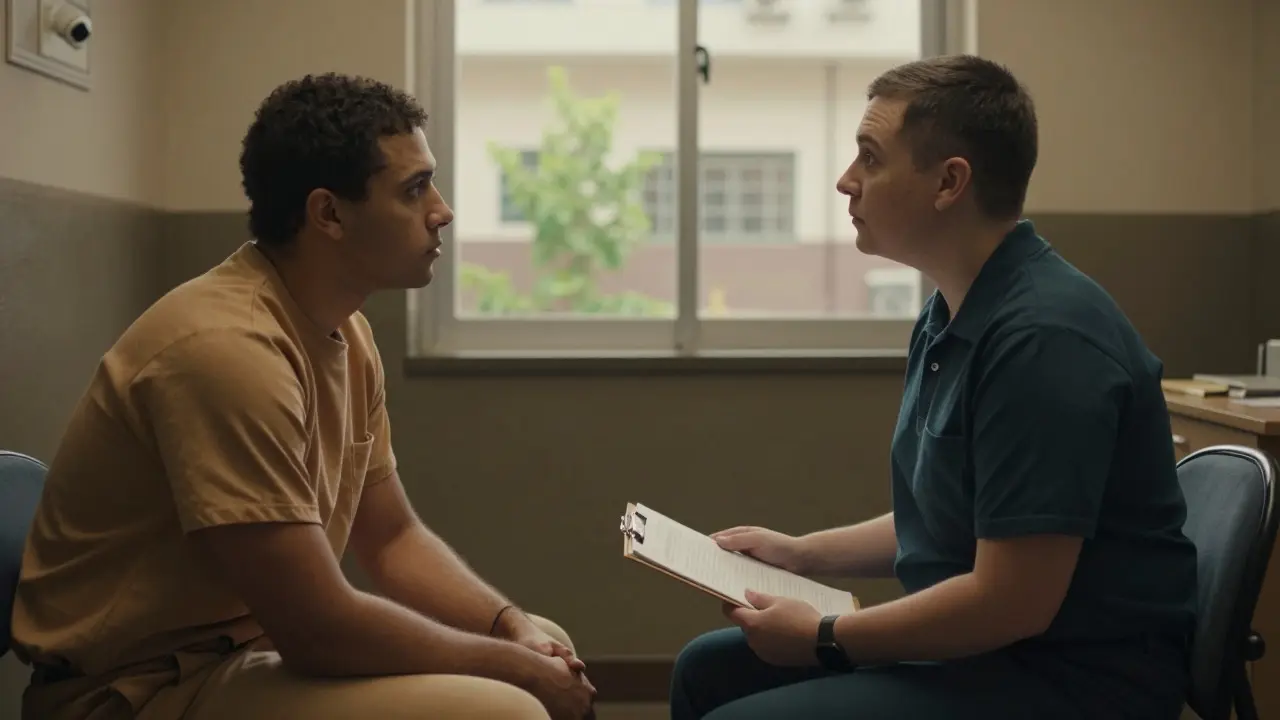
A great curriculum means nothing if the person delivering it isn’t prepared. Prison guards and counselors often deal with burnout. Adding specialized sex offense treatment to their plate without proper training leads to superficial sessions. Effective programs invest in ongoing professional development for staff. This includes learning how to manage group dynamics, handle resistance, and avoid triggering secondary victimization during interviews.
Continuity is another big factor. If a therapist leaves mid-program, the offender loses their anchor. Many facilities struggle with high turnover rates among mental health staff. To combat this, some systems use telehealth services, connecting inmates with specialists via video link. This expands access, especially in remote areas, though it lacks the face-to-face connection that builds trust over time.
Measuring Success: Beyond Recidivism Rates
We often judge these programs by one metric: did they commit another crime after release? That’s important, but it’s incomplete. A single year of freedom doesn’t tell the whole story. Long-term follow-up is rare in prison research because tracking released individuals is difficult and expensive.
Better indicators include:
- Internal Behavior Changes: Reduced disciplinary infractions during incarceration.
- Self-Efficacy Scores: How confident the offender feels in managing future risks.
- Peer Feedback: Observations from group members about changed attitudes.
When we combine these internal metrics with post-release data, we get a clearer picture. Facilities that track these intermediate outcomes can adjust their programs in real-time, rather than waiting five years to see if a policy worked.
Challenges Facing Future Implementation
Funding is always the elephant in the room. Correctional budgets prioritize security over rehabilitation. To expand access, policymakers need to view treatment as an investment, not a cost. Every dollar spent on effective CBT saves multiple dollars in future incarceration costs. This economic argument is gaining traction, but political will varies by state.
Another challenge is stigma. Even within the prison population, participating in sex offense treatment can carry social weight. Offenders worry about being labeled. Creating safe, confidential spaces is essential to overcoming this barrier. Finally, technology offers hope. Digital tools for self-monitoring and virtual group therapy could democratize access, making quality care available regardless of geographic location.
Frequently Asked Questions
Is sex offense treatment mandatory in all prisons?
No, it is rarely mandatory. Most systems use a voluntary model to encourage genuine engagement. However, some jurisdictions require participation as part of sentencing conditions, especially for high-risk offenders. Voluntary programs tend to show higher completion rates and better outcomes.
How long does a typical treatment program last?
Standard CBT-based programs in correctional settings usually run between 12 and 24 weeks. Intensive residential programs can last six months or longer. The duration depends on the offender's risk level and the facility's resource availability.
Do these programs actually reduce repeat offenses?
Yes, meta-analyses indicate that evidence-based treatments like CBT reduce recidivism rates by approximately 20-30% compared to untreated controls. The effectiveness depends heavily on implementation fidelity and the skill of the facilitators.
What happens if an offender drops out of the program?
Dropping out usually results in losing privileges associated with the program, such as reduced security levels or early release eligibility. It does not typically result in additional jail time unless the dropout was due to misconduct. Re-entry into the program is often possible after a waiting period.
Can telehealth replace in-person therapy in prisons?
Telehealth complements but rarely replaces in-person therapy. It is excellent for individual check-ins and specialist consultations. However, group dynamics, body language, and immediate feedback are crucial for deep behavioral change, which is best achieved face-to-face.