
Imagine waking up in a new city with no car, no job, and a diagnosis of schizophrenia or bipolar disorder. Your medication was cut off six months ago during your sentence. The system that held you is now releasing you back into a world that expects you to be "functional" immediately. This is the reality for thousands of people every year. Serious Mental Illness (SMI) affects roughly one-third of the incarcerated population, yet transition planning for these individuals often remains fragmented, rushed, and underfunded. Without a solid bridge between correctional facilities and community life, the risk of recidivism spikes, and so does the likelihood of homelessness.
The core problem isn't just medical; it's logistical. When an individual with SMI leaves prison, they are usually handed a set of keys to their old life, but the locks have changed. They need housing, benefits, and consistent psychiatric care within days, not weeks. If we don't map out this journey before release day, we are setting them up to fail. Here is how effective transition planning actually works when done right, focusing on the specific needs of those living with severe psychiatric conditions.
Why Standard Reentry Fails People with SMI
Most reentry programs are designed for the average offender. They focus on job placement and basic substance abuse counseling. But for someone with Schizophrenia, a chronic brain disorder characterized by disruptions in thought processes, perceptions, and emotional functioning, or Bipolar Disorder, a condition involving extreme mood swings including elated highs and depressed lows, the stakes are different. These conditions require daily medication management, routine, and low-stress environments. Prison offers structure, but it’s a sterile kind. Community life is chaotic. The jump from a controlled environment to total freedom without a safety net is dangerous.
Research shows that within 30 days of release, the rate of emergency room visits for mental health crises among people with SMI doubles compared to the general public. Why? Because continuity of care breaks down. In many states, Medicaid coverage lapses upon incarceration and takes time to reactivate after release. That gap of two to four weeks is where patients fall through the cracks. They miss appointments, run out of antipsychotics, and end up back in the ER or, worse, back in jail for technical violations like missing probation check-ins because they were hospitalized.
The Critical Window: Pre-Release Assessment
Effective planning doesn’t start on release day. It starts 90 days prior. This is the golden window. During this phase, clinical staff in the facility must conduct a comprehensive assessment. This isn’t just checking a box; it’s building a profile. What medications did they stabilize on? Who are their family supports? Do they have a history of homelessness? Do they need supported employment or just a standard job referral?
The goal here is to identify barriers early. If a person has a history of non-adherence due to paranoia, the plan needs to include long-acting injectable medications (LAIs) rather than daily pills. If they have no family, the plan needs to secure a spot in a supportive housing unit before they walk out the door. Waiting until the last week to find housing is a recipe for disaster. By the time the paperwork is processed, the bed might be taken, or the application might get lost in the mail.
Building the Interdisciplinary Team
You can’t fix this with one doctor or one social worker. Transition planning for SMI requires a multidisciplinary approach. The team should include:
- Clinical Psychologists/Psychiatrists: To manage medication and diagnostic stability.
- Case Managers: To coordinate logistics like ID replacement, bank accounts, and transportation.
- Housing Specialists: To navigate Section 8 vouchers or supportive housing waitlists.
- Peer Support Specialists: Individuals with lived experience of both incarceration and SMI who can provide trust-based mentorship.
Each role addresses a different piece of the puzzle. The psychiatrist handles the biology, the case manager handles the bureaucracy, and the peer specialist handles the stigma and isolation. When these roles are siloed, information gets lost. When they collaborate, the individual sees a unified front. For example, if the psychiatrist notices a patient is anxious about leaving, the peer specialist can share their own story of navigating that same fear, creating a bond that pure clinical advice can’t achieve.

Navigating Benefits and Housing Barriers
Let’s talk money. Most people with SMI rely on Supplemental Security Income (SSI) or Social Security Disability Insurance (SSDI). However, there is a catch: if a person is incarcerated for more than 30 consecutive days, their SSI payments stop. Upon release, they must reapply. This process can take three to six months. During this gap, they have no income. This is why securing temporary emergency funds or linking them with local charities pre-release is vital.
Housing is the other massive hurdle. Finding a landlord willing to rent to someone with a criminal record and a mental health diagnosis is difficult. Stigma plays a huge role here. Transition plans should include letters of good conduct from the facility and, if possible, references from treatment providers. Some cities have "Housing First" initiatives specifically for formerly incarcerated people with SMI. These programs prioritize housing over sobriety or symptom control, recognizing that stability is the first step to recovery. Knowing which local agencies offer this model is crucial for the case manager.
Medication Continuity Strategies
Medication adherence is the single biggest predictor of success. If the meds stop, the symptoms return. And when symptoms return, the person is likely to act out, leading to arrest. How do we ensure they keep taking them?
- Bridge Prescriptions: Ensure the final prescription covers at least 30 days post-release.
- Long-Acting Injectables (LAIs): Where clinically appropriate, switch to monthly or quarterly injections. This removes the daily burden of remembering to take pills.
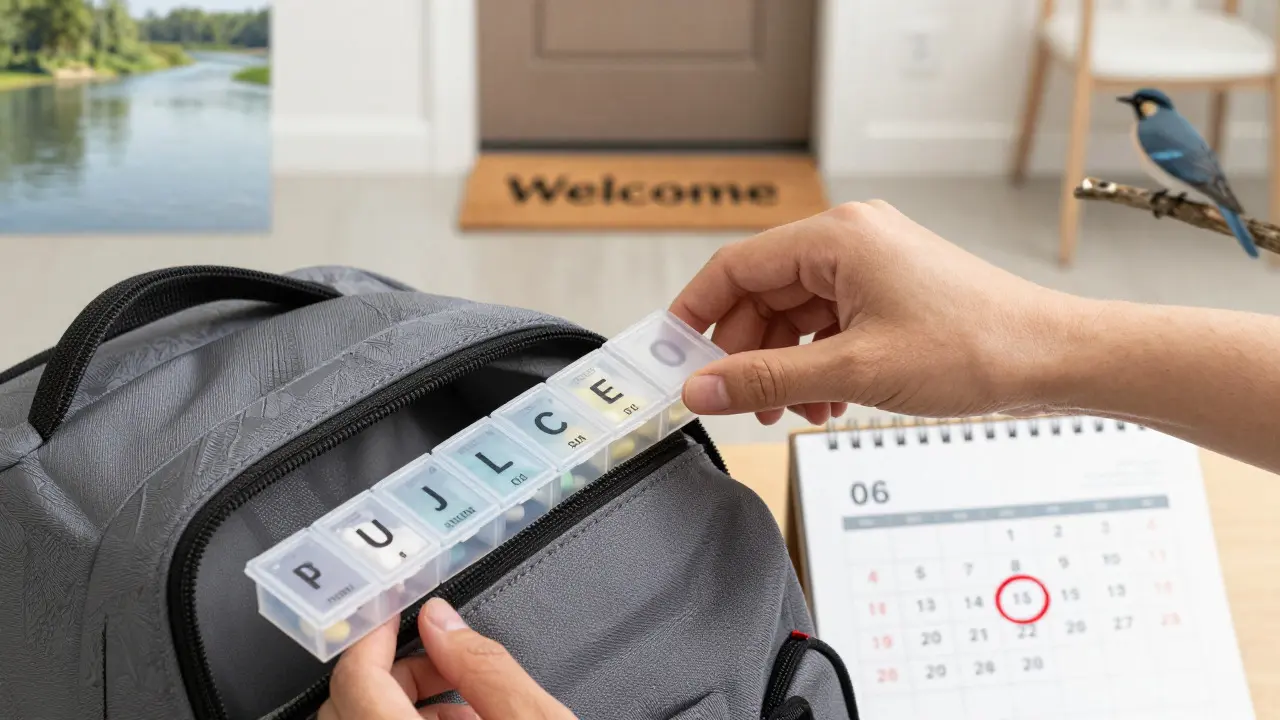
- Pill Dispensers: Provide automatic pill organizers for the first month to build routine.
- Follow-up Appointments: Schedule the first outpatient appointment within 7 days of release, not 30. Early contact prevents drift.
Pharmacies near the release location should be notified in advance. Sometimes, a simple phone call to the pharmacist saying, "We have a patient arriving next Tuesday, please have his meds ready," saves days of waiting in line and confusion.
Comparison of Support Models
| Model Type | Primary Focus | Best For | Limited Effectiveness For |
|---|---|---|---|
| Standard Probation | Compliance monitoring | Low-risk offenders with strong family support | High-acuity SMI requiring intensive daily oversight |
| Assertive Community Treatment (ACT) | Intensive, mobile team-based care | People with frequent hospitalizations or high service use | Individuals who prefer independence and minimal contact |
| Housing First | Stable housing as primary goal | Chronically homeless individuals with SMI | Those needing strict behavioral contracts for housing access |
| Peer-Led Recovery | Mentorship and social connection | Individuals struggling with stigma and isolation | Crisis stabilization requiring immediate clinical intervention |
Common Pitfalls to Avoid
Even well-intentioned plans can go wrong. Here are the most common errors:
- Overloading the Individual: Giving someone with psychosis five new tasks to complete in the first week is overwhelming. Prioritize: Meds, Housing, Food. Everything else can wait.
- Ignoring Substance Use Comorbidity: Many people with SMI also struggle with addiction. Treating only the mental health issue while ignoring the substance use leads to relapse. Integrated care is essential.
- Failure to Update Records: If the psychiatric records stay locked in the prison server, the community provider doesn’t know the patient’s history. Electronic Health Record (EHR) interoperability is still a major gap in the US system.
Next Steps for Practitioners and Families
If you are a case manager, audit your current release protocol. Are you contacting community providers 60 days out? If not, change that. If you are a family member, ask questions. Don’t assume the system knows what they need. Advocate for specific services, not just "help." If you are a policy maker, look at the data on 30-day readmission rates. That metric tells you everything about whether your transition planning is working. The path out of prison for someone with serious mental illness is narrow. But it is walkable. With the right team, the right timing, and the right resources, we can turn a crisis point into a turning point. The goal isn’t just to avoid jail; it’s to build a life that sustains itself.
How long before release should transition planning begin for someone with SMI?
Ideally, 90 days prior. This allows enough time to assess clinical needs, secure housing, reactivate benefits, and schedule follow-up appointments. Starting later increases the risk of gaps in care.
What is the biggest barrier to successful reentry for people with serious mental illness?
Discontinuity of medication and lack of stable housing. Without these two stabilizing factors, symptoms tend to return quickly, leading to crisis and potential re-incarceration.
Does incarceration affect disability benefits like SSI?
Yes. If a person is incarcerated for more than 30 consecutive days, SSI payments typically stop. They must reapply upon release, which can take several months, creating a critical financial gap.
What role do peer specialists play in transition planning?
Peer specialists provide lived-experience mentorship. They help reduce stigma, build trust, and offer practical advice based on their own journeys through incarceration and recovery, complementing clinical care.
Why are Long-Acting Injectables (LAIs) recommended for some patients?
LAIs remove the daily burden of taking oral medication. For individuals with SMI who struggle with memory, motivation, or routine, monthly or quarterly injections ensure consistent drug levels and reduce the risk of relapse.