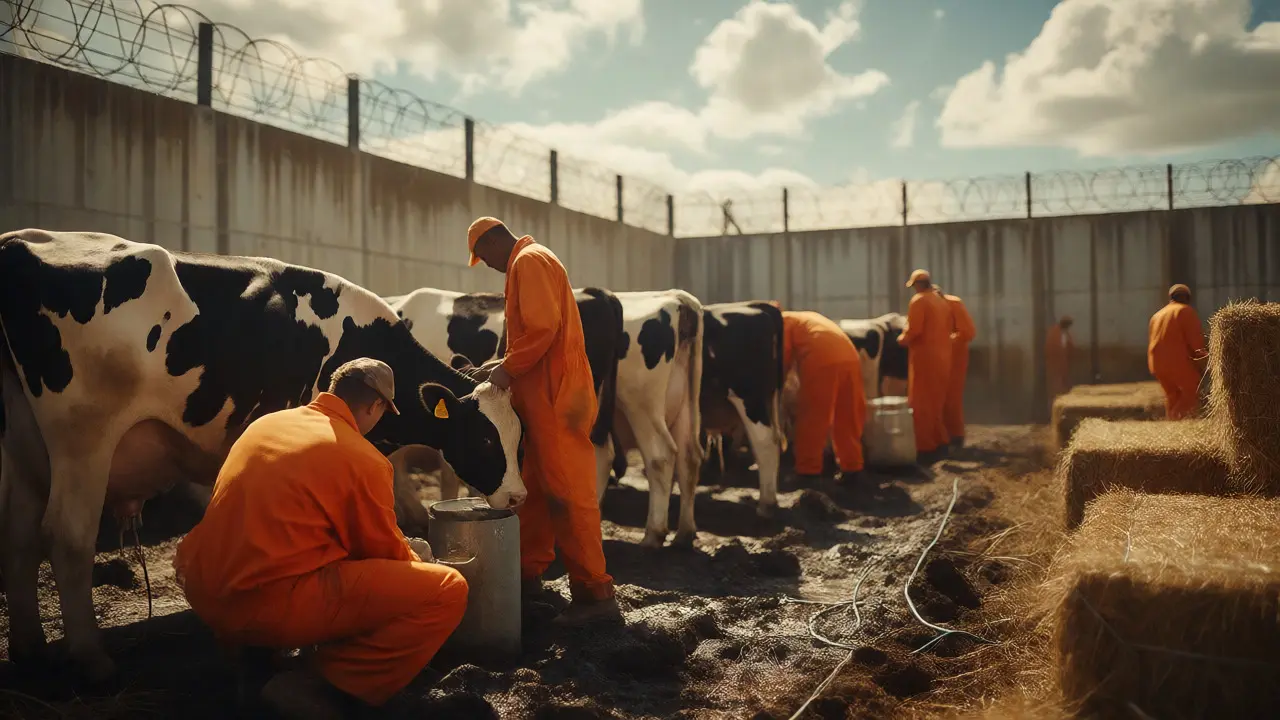
You might picture prison work as sitting on a toilet seat assembly line or stuffing envelopes. But walk onto the grounds of many state facilities today, and you’ll smell hay, manure, and fresh soil instead of industrial lubricant. Agriculture and Livestock Training in Prisons has quietly become one of the most effective bridges between incarceration and employability. It’s not just about keeping inmates busy; it’s about teaching them how to manage living systems, handle heavy machinery, and meet strict safety codes-skills that translate directly to jobs on the outside.
Why does this matter? Because the recidivism rate drops significantly when people leave prison with a tangible skill set and a credential they can show an employer. Farming isn’t just a hobby; it’s a multi-billion dollar industry that desperately needs workers who understand animal welfare, crop cycles, and equipment maintenance. If you’re looking for a path out of the cycle, understanding how these programs work-and what certifications they offer-is your first step toward a real career.
The Rise of Correctional Agriculture Programs
Historically, prison labor was often criticized as exploitative, resembling plantation work more than education. That narrative is shifting. Modern programs focus on vocational rehabilitation. The goal isn't free labor; it's workforce development. Facilities like those run by the Federal Bureau of Prisons (BOP) and various state Departments of Corrections have partnered with land-grant universities and agricultural extension services to bring academic rigor to farm operations.
These programs aren't uniform. Some prisons operate small vegetable gardens to feed the population. Others run full-scale dairy farms, beef cattle operations, or poultry processing plants. The scale matters because it determines the depth of training. Working in a small garden teaches you basic horticulture. Managing a herd of 500 dairy cows teaches you veterinary basics, inventory management, and emergency response. When choosing a facility or program, look for operations that mimic commercial standards. If the prison sells its milk or meat to local markets under USDA guidelines, the training is likely rigorous enough to be respected on the outside.
Core Skills You Will Learn Behind Bars
Don't let the rural setting fool you. Agricultural work requires a complex mix of hard and soft skills. Here is what you are actually signing up for when you enroll in these programs:
- Animal Husbandry: This goes beyond feeding animals. You learn breeding cycles, disease identification, vaccination schedules, and humane handling techniques. For example, learning how to safely restrain a steer without injuring yourself or the animal is a critical survival skill in livestock management.
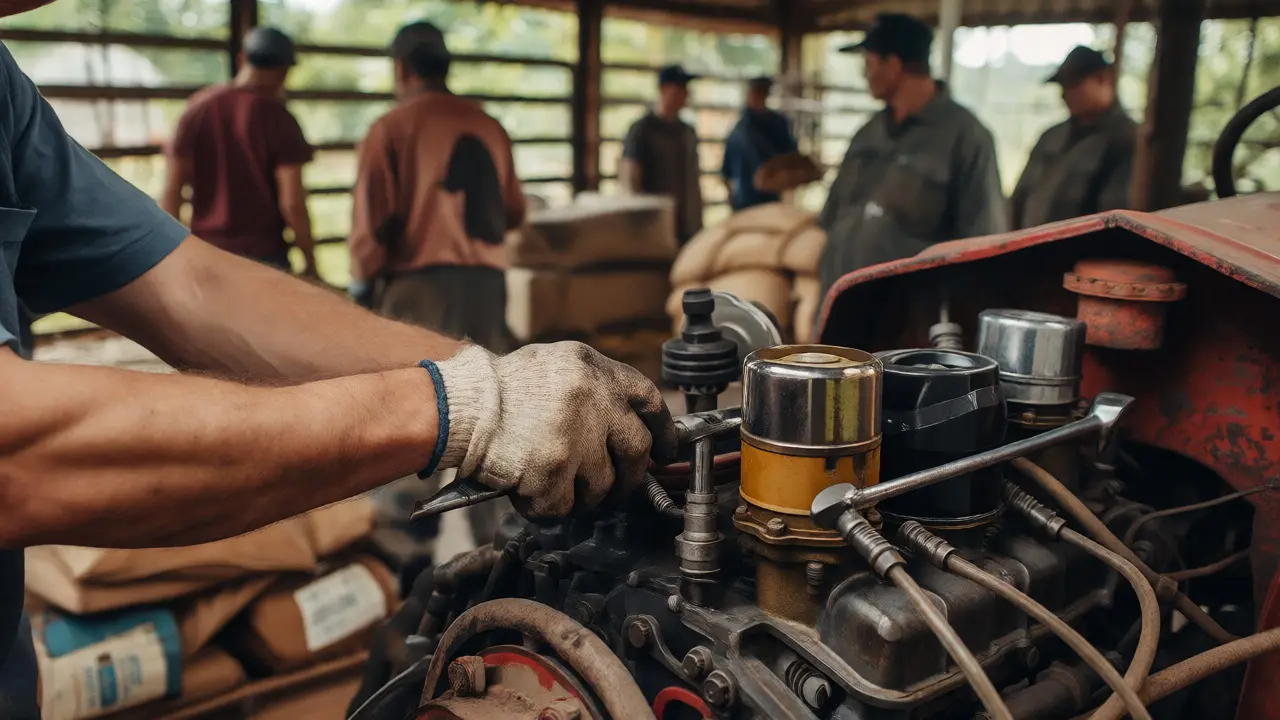
- Mechanical Maintenance: Tractors, balers, and irrigation systems break down. A major part of the curriculum involves preventive maintenance. You’ll learn to change oil, replace filters, troubleshoot hydraulic leaks, and repair fences. These mechanical aptitudes are transferable to construction, automotive, and manufacturing jobs.
- Crop Science and Soil Health: In row-crop environments, you learn about nutrient cycling, pest management, and harvesting logistics. Understanding why soil pH matters or how to rotate crops to prevent depletion shows employers you understand the science, not just the manual labor.
- Safety Compliance: Farms are dangerous places. OSHA regulations apply heavily here. You will be trained in lockout/tagout procedures for machinery, proper lifting techniques, and chemical handling for fertilizers and pesticides. This safety mindset is highly valued in any industrial workplace.
The daily routine is structured around the biological clock of the animals and plants. Cows need milking twice a day, regardless of weather. Crops need harvesting during specific windows. This instills a sense of responsibility and time management that many inmates struggle to develop in traditional prison settings.
Credentials That Matter After Release
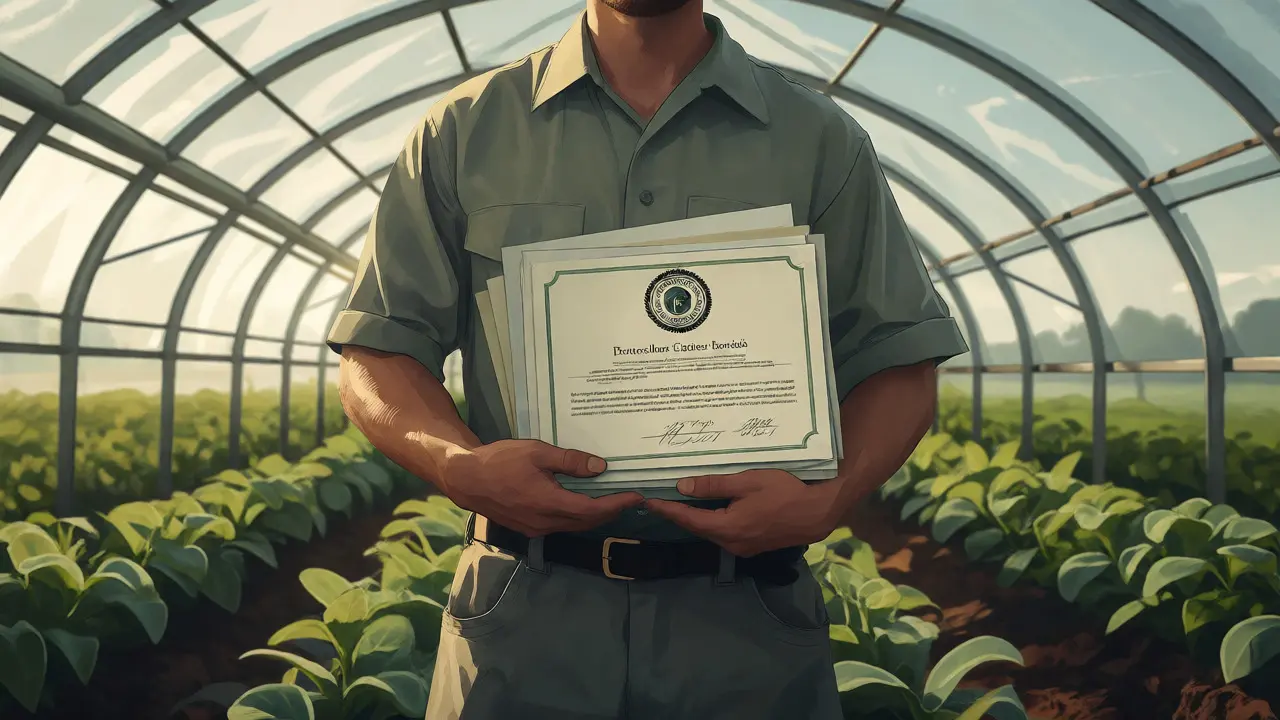
Doing the work is one thing; proving you did it is another. Employers don't always know what "worked in the prison farm" means. They do, however, recognize specific certifications. High-quality prison agriculture programs aim to provide credentials that are portable and verifiable.
| Credential Name | Issuing Body | Relevance to Employment | Typical Duration |
|---|---|---|---|
| OSHA 10-Hour Construction/Agriculture | U.S. Department of Labor | Highly valued in all industries; proves safety awareness | 1-2 Days |
| Pesticide Applicator License | State Department of Agriculture | Required for landscaping, farming, and groundskeeping jobs | Varies by State |
| Forklift Operator Certification | National Safety Council or Private Providers | Essential for warehousing, distribution, and large-scale farming | 1 Day |
| Master Gardener Certificate | University Extension Services | Good for horticulture and landscaping roles | 3-6 Months |
| Beef Quality Assurance (BQA) | United States Cattlemen's Association | Specific to livestock handling and meat quality standards | Short Course |
The Pesticide Applicator License is particularly powerful. It is a state-issued license that allows you to legally apply restricted-use chemicals. Landscaping companies, golf courses, and municipal parks departments hire licensed applicators at higher rates than general laborers. Many prison programs partner with local university extensions to prepare inmates for this exam.
Another key credential is the Forklift Operator Certification. While it seems simple, it opens doors to warehouse jobs, which are abundant and often unionized. Since prison farms use forklifts to move hay bales, feed sacks, and produce crates, integrating this certification into the workflow makes practical sense.
Career Paths: Where Do Graduates Go?
So, you’ve served your time, learned to milk cows, and got your OSHA card. What’s next? The assumption that you must return to farming is outdated. Agricultural training provides a foundation for several distinct career tracks.
Landscape and Grounds Management: This is the most common exit path. Municipalities, school districts, and private landscaping firms need workers who can operate mowers, trimmers, and blowers. Your experience with soil health and plant care gives you an edge over someone who just pushes a mower. With a Pesticide License, you can advance quickly to crew leader positions.
Warehouse and Logistics: The mechanical skills and safety discipline from farm work translate well here. If you maintained tractors, you can maintain warehouse equipment. If you handled livestock, you understand the importance of careful movement of goods. Many former inmates find stable employment in distribution centers where physical stamina and attention to detail are prized.
Specialized Livestock Care: For those who truly love animals, careers in equine therapy centers, boarding stables, or rodeo operations are viable. Horse trainers and stable managers are in high demand. The hands-on experience with large animals reduces the liability risk for employers, making you a safer hire.
Construction and Trades: Believe it or not, many farmers are also skilled carpenters and welders because they constantly fix barns and fences. Prison agriculture programs often include welding modules. A welder who understands structural integrity from building livestock pens is a valuable asset on construction sites.
Overcoming Stigma and Hiring Barriers
Let’s be honest: having a criminal record is a hurdle. But agricultural employers are often more pragmatic than corporate HR departments. They see results. Did you keep the animals healthy? Did the crops come in on time? Did you show up early every day?
To improve your hiring chances, document everything. Keep a logbook of your activities. Note the breeds of cattle you handled, the types of crops you harvested, and the machinery you repaired. When you interview, don’t just say "I worked on the farm." Say, "I managed a 40-head dairy herd, performed daily health checks, and maintained three John Deere tractors using standard OSHA protocols." Specificity builds credibility.
Networking while inside is also crucial. Many prison farms invite local farmers, veterinarians, and extension agents for inspections or workshops. Use these opportunities to make connections. Ask questions. Show interest. Sometimes, a job offer comes from a casual conversation with a visiting expert who sees your dedication firsthand.
How to Find and Apply for These Programs
Not every prison has a thriving agriculture program. Before you commit to a sentence location or request a transfer, do your research. Contact the facility’s Education Coordinator or Vocational Counselor. Ask specifically about:
- Partnerships: Does the program work with a community college or university extension?
- Certifications: Are the tests administered on-site, or do you need to travel?
- Job Placement: Does the prison have agreements with local agricultural employers for post-release hiring?
- Eligibility: Are there security level restrictions? Usually, minimum-security camps are best for outdoor work, but some medium-security facilities have enclosed agricultural units.
If you are currently incarcerated, submit a written request to the classification committee. Highlight any prior experience with animals, tools, or outdoor work. Even growing tomatoes in a backyard counts. Frame your application around your desire to gain marketable skills, not just fill time.
The Future of Prison Agriculture
The trend is moving toward sustainability and technology. New programs are introducing hydroponics, aquaponics, and solar-powered irrigation. These technologies require computer literacy and data monitoring, adding a tech-savvy dimension to traditional farming skills. As climate change impacts agriculture, the ability to grow food efficiently in controlled environments becomes a premium skill. Inmates who learn to manage automated greenhouse systems are positioning themselves for future-proof careers.
Furthermore, the social stigma is slowly eroding. Companies like Chipotle and Whole Foods have sourced products from prison-run farms. When big brands validate the quality of prison-grown goods, it signals to other employers that the labor force is competent and reliable. This shift benefits everyone: taxpayers save money on recidivism costs, communities get reliable workers, and individuals get a second chance at dignity.
Do prison agriculture programs pay wages?
Yes, most programs pay a nominal wage, typically ranging from $0.12 to $1.25 per hour depending on the state and whether the work is considered "compulsory" or "voluntary." However, the primary value is the training and certification, not the immediate income. Some states allow inmates to earn credits toward restitution or savings accounts.
Can I take agricultural classes if I am in maximum security?
It depends on the facility. Maximum-security prisons rarely have large-scale livestock operations due to escape risks. However, many max-security institutions offer classroom-based agricultural theory, horticulture labs, or greenhouse work within secure perimeters. Check with your facility’s education department for available options.
Are these certifications recognized outside the prison system?
Yes, if they are issued by third-party organizations like OSHA, state agricultural boards, or national associations (e.g., United States Cattlemen's Association). Avoid certificates that are only signed by the warden unless they are backed by a formal partnership with an accredited educational institution.
What if I have no experience with animals or farming?
No prior experience is usually required. These programs are designed for beginners. The instructors start with the basics: safety, tool usage, and animal behavior. Your willingness to learn and follow instructions is more important than previous experience.
How long does it take to complete a typical program?
Duration varies widely. Short-term certifications like OSHA 10 or Forklift Operation can take 1-2 days. Comprehensive vocational tracks involving crop management and animal husbandry may last 6 months to a year. Some programs align with academic semesters if partnered with community colleges.