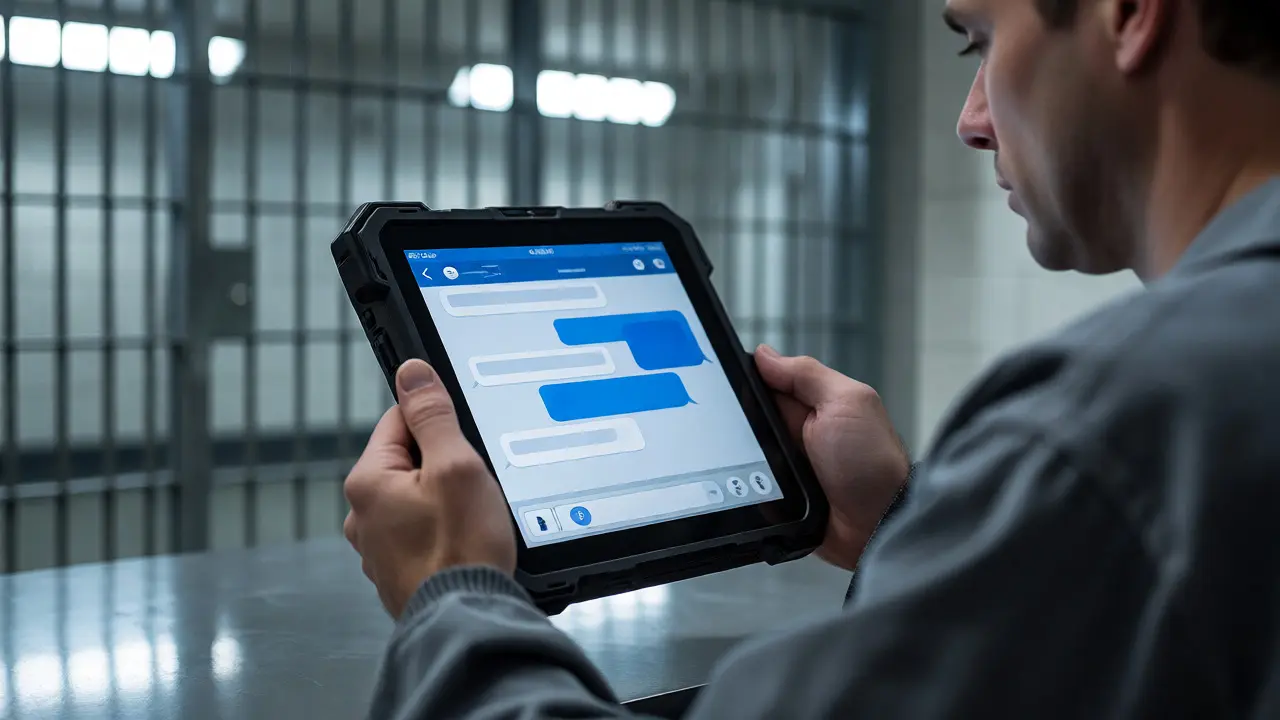
Imagine trying to explain your day to a loved one, but you have to wait weeks for a letter to arrive. Or picture the frustration of missing a scheduled phone call because of a facility lockdown. For families navigating the criminal justice system, traditional communication methods-snail mail and collect calls-are often slow, expensive, and unreliable. Enter jail instant messaging, a digital lifeline that is reshaping how incarcerated individuals stay connected with the outside world.
This isn't about scrolling through social media feeds or chatting with strangers on public platforms. It’s about structured, monitored, and secure communication within correctional facilities. If you’re a family member, a friend, or someone working in corrections, understanding how these tools work-and where they fall short-is crucial. Let’s break down what you need to know about access, restrictions, and realistic expectations.
What Is Jail Instant Messaging?
Jail instant messaging is a secure, text-based communication service provided by third-party vendors to correctional facilities, allowing inmates to send and receive messages via electronic tablets or kiosks. Unlike consumer apps like WhatsApp or iMessage, these systems are closed loops. An inmate cannot message anyone outside their approved contact list. The recipient (usually a family member) uses a web portal or a mobile app to reply.
The core function is simple: replace paper letters and long-distance phone bills with near-instant text exchanges. But unlike free consumer apps, every message is subject to strict protocols. These services are typically integrated into hardware already present in many jails, such as Securus Technologies or GTL tablets. This integration means the infrastructure exists; it’s just a matter of whether the specific facility has enabled the feature.
How Access Works: The Digital Divide in Corrections
Not every jail offers instant messaging. In fact, availability varies wildly depending on the county, state laws, and the contract between the facility and its telecom provider. Generally, access depends on three factors:
- Facility Contract: Does the jail use a vendor like Securus, GTL, or ViaPath? Most major vendors offer messaging modules, but some smaller, rural jails still rely solely on landline phones.
- Inmate Status: Pretrial detainees often have different privileges than convicted prisoners. Some facilities restrict messaging to those who have been processed and assigned housing units.
- Account Funding: Both parties usually need an active account. While receiving a message might be free for the family, sending one from inside costs money. Conversely, if the family wants to initiate a conversation, they may need to fund the inmate’s tablet account first.
For families, setting up access requires registration. You’ll typically need to provide your full name, address, and relationship to the inmate. Verification can take anywhere from 24 hours to two weeks, depending on the facility’s administrative backlog. Once approved, you gain access to a dashboard where you can view messages, pay fees, and manage contacts.
The Cost Factor: Why It’s Not Free
Let’s address the elephant in the room: cost. Many people assume that since texting is free on smartphones, it should be cheap here too. That’s not the case. Correctional communication pricing remains one of the most debated topics in criminal justice reform.
| Feature | Who Pays? | Average Cost Range | Notes |
|---|---|---|---|
| Sending Message (Inmate) | Inmate | $0.15 - $0.39 per page/message | Charged against inmate commissary funds. |
| Receiving Message (Family) | Family | $0.00 - $0.25 per message | Some vendors charge a small fee to read/print; others are free. |
| Photo Attachment | Sender | $0.50 - $1.50 | Photos require manual review, hence higher cost. |
| Monthly Subscription | Varies | $0.00 - $5.00 | Some plans offer unlimited texts for a flat fee. |
These fees add up quickly. A single parent sending daily updates to a child in jail could spend $20-$30 a month just on text fees. Compare this to a $0.05 stamp for a letter, and the disparity becomes clear. However, proponents argue that the speed and convenience justify the cost, especially when urgent matters arise.
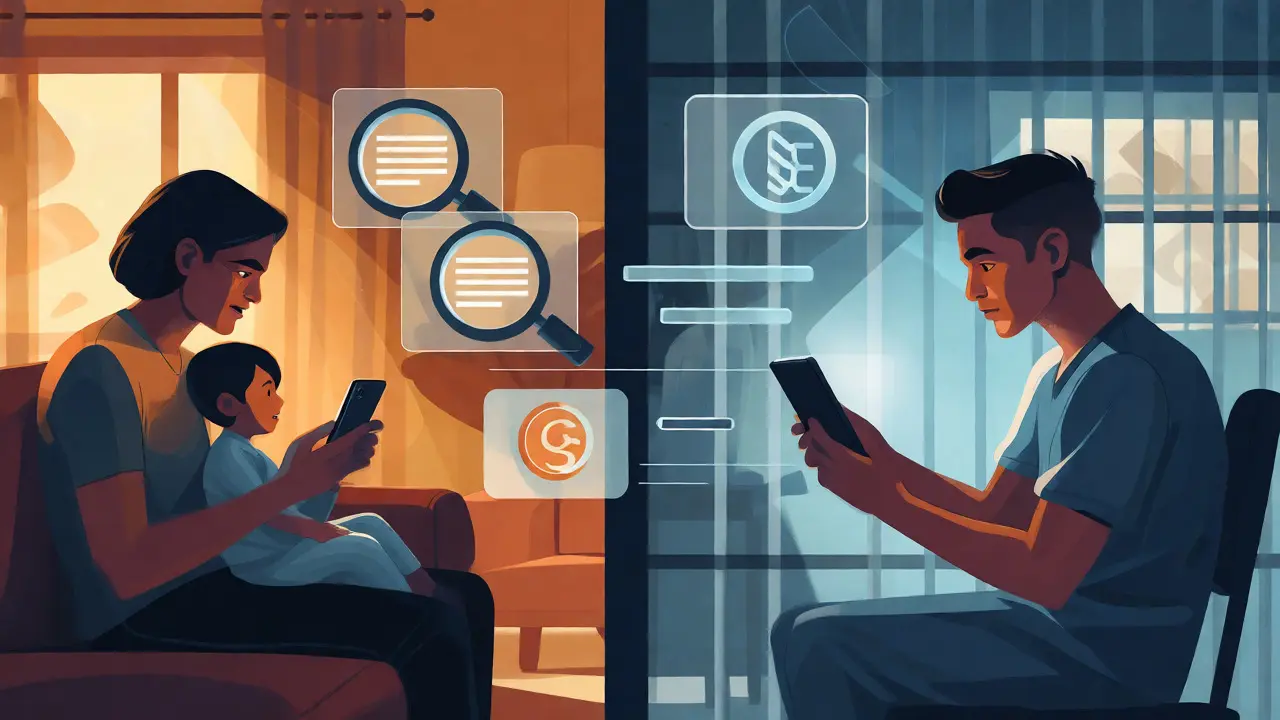
Restrictions and Monitoring: No Privacy Here
If you expect the same privacy you have with your personal smartphone, you’ll be disappointed. Every word typed into a jail messaging platform is logged, stored, and reviewed. This isn’t just bureaucratic red tape; it’s a security requirement.
Keyword Filtering: Systems automatically flag words related to contraband, escape plans, or gang activity. If you type “weed” or “shank,” your message might be held for human review, delaying delivery by days.
Contact List Limits: Inmates cannot message random numbers. They can only communicate with pre-approved contacts. Adding a new person often requires paperwork and approval from a caseworker, which can take weeks.
Content Rules: Emojis are often blocked or displayed as code (e.g., :smile:) because older jail tablets don’t support Unicode. Acronyms like LOL or BRB might be flagged if the algorithm doesn’t recognize them. Keep language simple and literal.
No External Links: You cannot click a link to open a browser. All content must be contained within the message body. This prevents inmates from accessing the broader internet, keeping the environment controlled.
Expectations vs. Reality: What Families Should Know
Families often hope that instant messaging will solve all communication gaps. It won’t. It’s a tool, not a replacement for trust or legal counsel. Here’s what you can realistically expect:
- Delivery Delays: Messages sent during shift changes or lockdowns may sit in a queue for 24-72 hours. Don’t panic if there’s no immediate reply.
- Technical Glitches: Tablets crash. Wi-Fi drops. If an inmate says they didn’t get your message, believe them. Resend it.
- Emotional Tone Loss: Text lacks tone. A sarcastic comment can easily be misread as anger. Be explicit about your feelings to avoid misunderstandings.
- Legal Risks: Never discuss ongoing legal cases in detail via messaging. Lawyers advise against it because prosecutors can subpoena these records. Use phone calls or in-person visits for sensitive legal strategy.

Alternatives and Complementary Tools
While instant messaging is powerful, it works best alongside other communication methods. Video Visitation offers face-to-face interaction without travel costs, though it’s more expensive ($10-$20 per hour). Traditional Mail remains the cheapest option and allows for physical photos and longer, reflective letters.
Many families adopt a hybrid approach: use messaging for quick logistics (“Did you get the laundry?”), mail for emotional depth, and video calls for birthdays or holidays. This balance manages costs while maintaining connection.
Tips for Effective Communication
To make the most of these tools, follow these guidelines:
- Keep it Brief: Long paragraphs can confuse the interface. Break thoughts into separate messages.
- Avoid Slang: Stick to standard English. Regional slang or internet abbreviations may trigger filters.
- Check Read Receipts: Most platforms show when a message is opened. Use this to gauge if your loved one is actively checking their device.
- Respect Boundaries: If an inmate goes silent for a few days, it might be due to facility issues, not disinterest. Patience pays off.
Frequently Asked Questions
Can inmates use jail instant messaging to browse the internet?
No. Jail instant messaging operates on a closed network. Inmates cannot access websites, search engines, or external email services. They can only send and receive messages through the specific application provided by the facility's vendor.
Are messages private from prison staff?
No. Correctional staff and law enforcement agencies can access message logs at any time. There is no attorney-client privilege for text messages unless explicitly protected by specific local regulations, which is rare. Assume everything you write can be read by authorities.
Why was my message rejected?
Messages are often rejected due to keyword filters (words associated with drugs, weapons, or gangs), attachment errors, or exceeding character limits. Check the notification email for a reason code, or try simplifying the language and resending.
Do I need a smartphone to use jail messaging?
Not necessarily. Most vendors offer a web-based portal accessible from any computer with a browser. However, smartphone apps are available for iOS and Android, making it easier to check notifications on the go.
How much does it cost to send a photo?
Sending a photo typically costs between $0.50 and $1.50 per image. Photos require manual review by staff to ensure they comply with facility rules (no inappropriate clothing, no hand gestures, etc.), which adds processing time and labor costs.