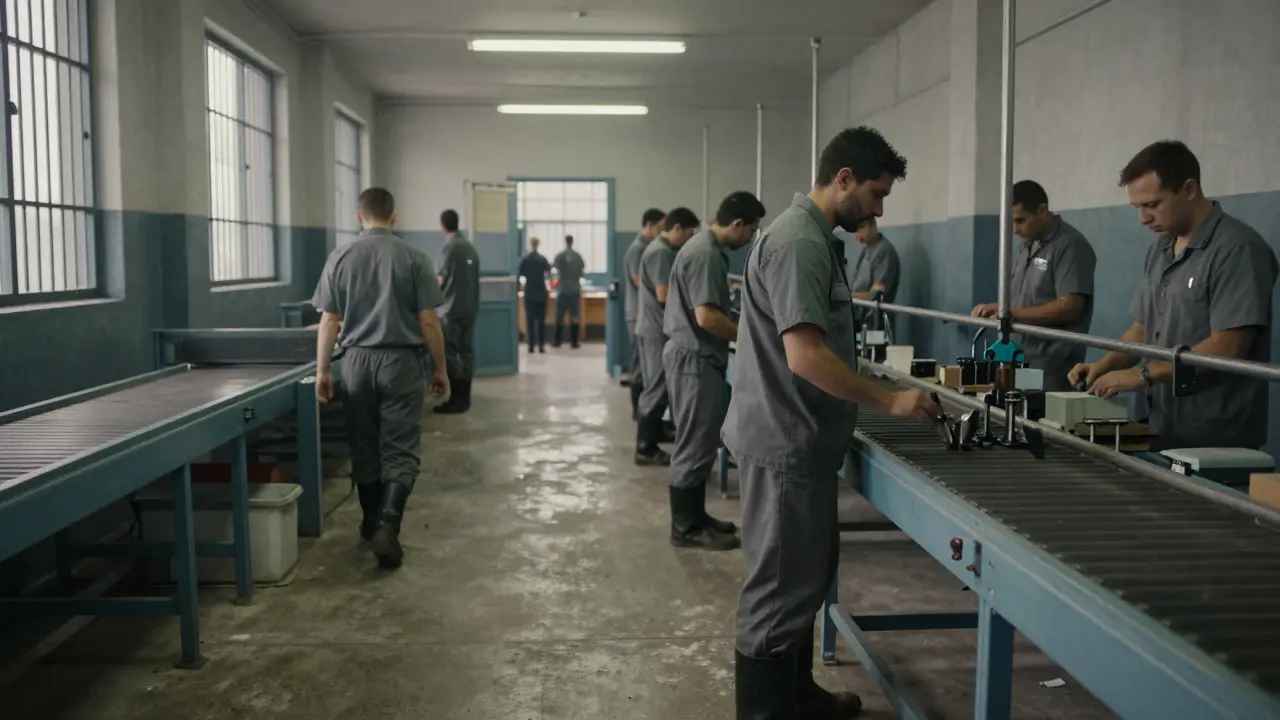
Walking into a correctional facility often feels like stepping into a different world with its own rigid clock. For many inmates, the day is split between labor and learning, but these two activities rarely coexist peacefully. The core challenge isn't just about finding time; it’s about managing energy, motivation, and institutional constraints that dictate every minute of the day. If you’re an educator, a correctional officer, or an advocate trying to understand how this balance works, you need to look past the simple idea of "free time." It’s a complex logistical puzzle where prison education competes directly with mandatory labor quotas.
The Reality of the Daily Schedule
In most U.S. state prisons, the daily routine is non-negotiable. Inmates typically wake up around 6:00 AM and have dinner by 8:00 PM. Within this window, they must complete their assigned work duties, which can range from manufacturing parts to cleaning facilities. Education classes are usually scheduled during specific blocks, often in the late afternoon or early evening. However, if an inmate falls behind on their work quota, they may be required to stay late, effectively cutting into class time. This creates a direct conflict: do you finish your physical labor to avoid disciplinary issues, or do you attend class to improve your long-term prospects?
This tension is exacerbated by the fact that prison jobs are often low-skill and repetitive. While they provide structure, they don’t always align with the educational tracks available. An inmate studying computer science might find themselves spending eight hours assembling furniture, leaving them mentally exhausted before they even open a textbook. The physical toll of manual labor makes intellectual engagement significantly harder, a factor that is frequently overlooked in policy discussions.
Why the Balance Matters for Reentry
The goal of balancing these two aspects isn't just academic. It’s about reducing recidivism. Research consistently shows that inmates who participate in vocational training and educational programs are less likely to return to prison. But this benefit only materializes if the inmate can actually complete the coursework. When work assignments consume too much of the day, attendance drops, completion rates fall, and the investment in education yields diminishing returns.
Consider the difference between a general education development (GED) program and a specialized trade certification. GED prep requires consistent study hours, while a welding certification requires hands-on practice time. If the schedule doesn't account for the specific demands of each program, the balance fails. A welder needs access to a shop, not just a classroom. A student needing English as a Second Language (ESL) support needs flexible timing that accounts for fatigue levels. One-size-fits-all scheduling ignores these nuances, leading to higher dropout rates.
Structural Barriers to Effective Scheduling
Several structural factors make balancing education and work difficult. First is staffing. Correctional officers manage security, not pedagogy. They ensure safety and order, but they rarely have the training to adjust schedules based on educational needs. If a class runs over because a discussion got heated, the officer might cut it short to maintain the lock-down timeline. This lack of flexibility frustrates both students and teachers.
Second is transportation. In many facilities, moving inmates from a work unit to a classroom involves a full count, a transport bus ride, and another count upon arrival. This process can take 30 to 45 minutes per transition. If an inmate has two work shifts and one class, they might spend nearly an hour a day just moving through hallways. This logistical friction eats into valuable instructional time and adds stress to the inmate's day.
Third is the incentive structure. In some prisons, work hours are tied to good behavior credits or visitation privileges. If attending a class means missing a work shift that earns credits, the rational choice for many inmates is to skip school. This misalignment of incentives undermines the very purpose of offering education in the first place.

Strategies for Better Integration
So, how do we fix this? The solution isn't to eliminate work or education, but to integrate them more thoughtfully. One effective strategy is to align work assignments with educational goals. For example, instead of having an accounting student work in laundry, assign them to the prison's administrative office where they can apply basic math and record-keeping skills. This dual-purpose approach reinforces learning while fulfilling labor requirements.
Another strategy is block scheduling. Instead of scattering classes throughout the day, group educational time into dedicated blocks where inmates are exempt from work duties. This reduces the number of transitions and allows for deeper focus. During these blocks, work quotas should be adjusted so that completing the day's labor doesn't require overtime. This requires coordination between the work unit supervisors and the education department, which is often lacking due to siloed management structures.
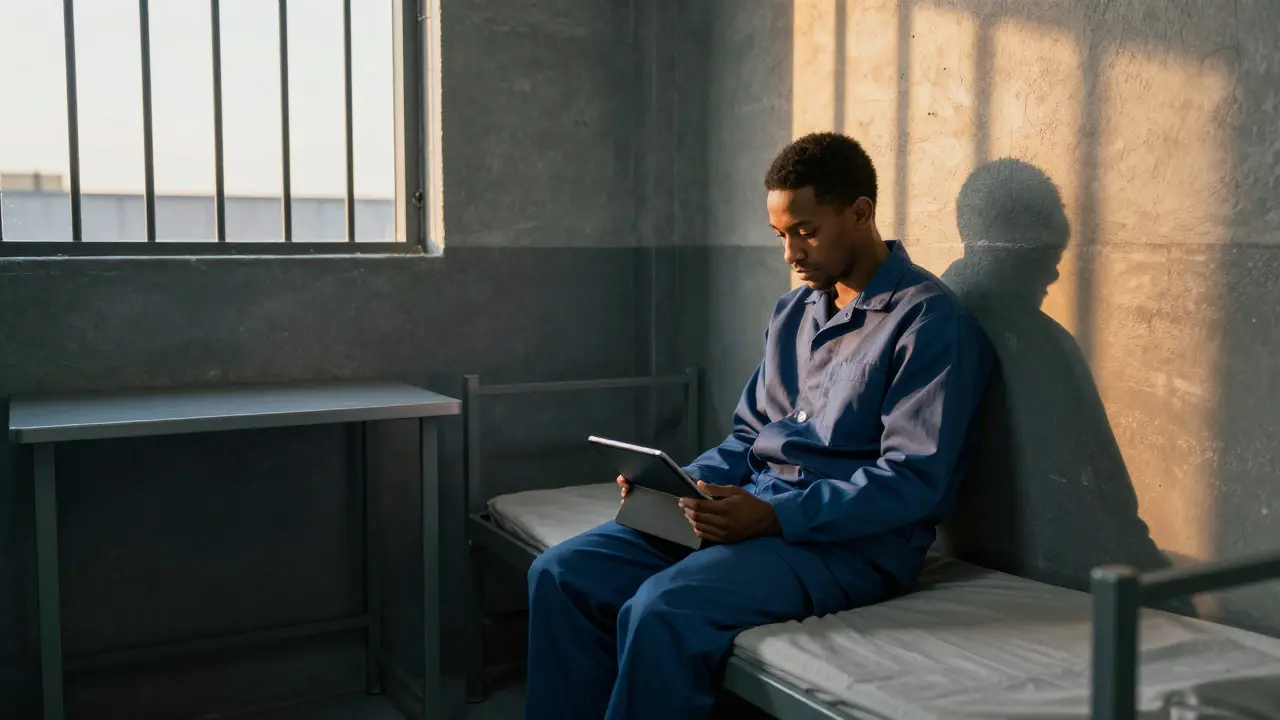
Digital tools can also help. Online learning platforms allow inmates to review material at their own pace during downtime, such as in their cells or common areas. This asynchronous model complements live instruction and helps bridge gaps caused by missed classes due to work conflicts. However, access to technology varies widely by facility, so this isn't a universal solution.
Comparing Different Approaches
Not all prisons handle this balance the same way. Some adopt a strict separation model, where work and education happen in completely different parts of the day with no overlap. Others use an integrated model, where learning is embedded within work tasks. Let’s look at how these compare in terms of efficiency and outcome.
| Model Type | Description | Pros | Cons | Best For |
|---|---|---|---|---|
| Strict Separation | Work and education occur in distinct, non-overlapping time blocks. | Clear boundaries; easy to manage logistics. | No reinforcement of skills; high fatigue impact. | Facilities with ample staff and space. |
| Integrated Learning | Educational content is woven into work tasks. | Reinforces practical skills; efficient use of time. | Requires trained supervisors; harder to standardize. | Vocational trades and technical fields. |
| Asynchronous Hybrid | Live classes combined with self-paced digital study during work breaks. | Flexible; accommodates individual pacing. | Requires reliable internet/devices; self-discipline dependent. | Literacy and general education programs. |
The Role of Inmate Motivation
Logistics matter, but human behavior matters more. Many inmates enter prison without clear goals. Without a sense of purpose, balancing work and study feels like a burden rather than an opportunity. Programs that pair education with mentorship or career counseling tend to see higher engagement. When an inmate sees a direct link between what they learn and a job waiting for them outside, they are more willing to sacrifice leisure time for study.
Peer influence also plays a huge role. If a social norm in a housing unit values education, new arrivals are more likely to follow suit. Conversely, if skipping class is seen as smart or tough, attendance suffers. Educators and counselors can leverage peer groups to create supportive environments where balancing responsibilities is normalized.
Challenges in Implementation
Implementing better schedules faces significant hurdles. Budget cuts often hit education programs first, forcing facilities to rely on volunteer instructors who may not have the authority to adjust work assignments. Union agreements for correctional staff can limit flexibility in scheduling changes. And political will is sometimes lacking, as public perception still views prison primarily as punishment rather than rehabilitation.
Despite these challenges, progress is possible. Facilities that treat education as a core function, rather than an add-on, tend to develop more cohesive schedules. This requires leadership commitment, cross-departmental communication, and a willingness to measure success by completion rates and post-release employment, not just by keeping inmates busy.
Frequently Asked Questions
How many hours per week do inmates typically work in prison?
Inmates generally work between 30 and 40 hours per week, depending on the facility and state regulations. Some states mandate a maximum of 35 hours to allow for educational participation, while others leave it to facility discretion. The exact number varies based on the type of work assignment and the inmate's status.
Does working in prison affect an inmate's ability to graduate from a course?
Yes, it can significantly impact graduation rates. Fatigue from physical labor reduces cognitive performance, making it harder to retain information. Additionally, if work conflicts with class times, attendance drops. Studies show that inmates with fewer work-hour conflicts have higher course completion rates by 15-20% compared to those with frequent conflicts.
What is the best way to align prison work with education?
The most effective method is job-related learning, where work tasks incorporate skills taught in class. For example, a student studying business administration could work in the prison's mailroom, applying inventory management concepts. This alignment reinforces learning and makes work feel purposeful rather than punitive.
Can inmates choose their work assignments to match their studies?
In many facilities, inmates have limited choice. Work assignments are often determined by availability, skill level, and behavioral history. However, some progressive prisons allow inmates to request placements that align with their educational track, especially for vocational programs. This requires coordination between the education and work units.
How does prison education impact reentry success?
Participation in prison education programs reduces the likelihood of reoffending by approximately 43%, according to data from the RAND Corporation. This effect is strongest when education is paired with vocational training and supported by adequate time allocation for study. Balancing work and education effectively is key to realizing this benefit.