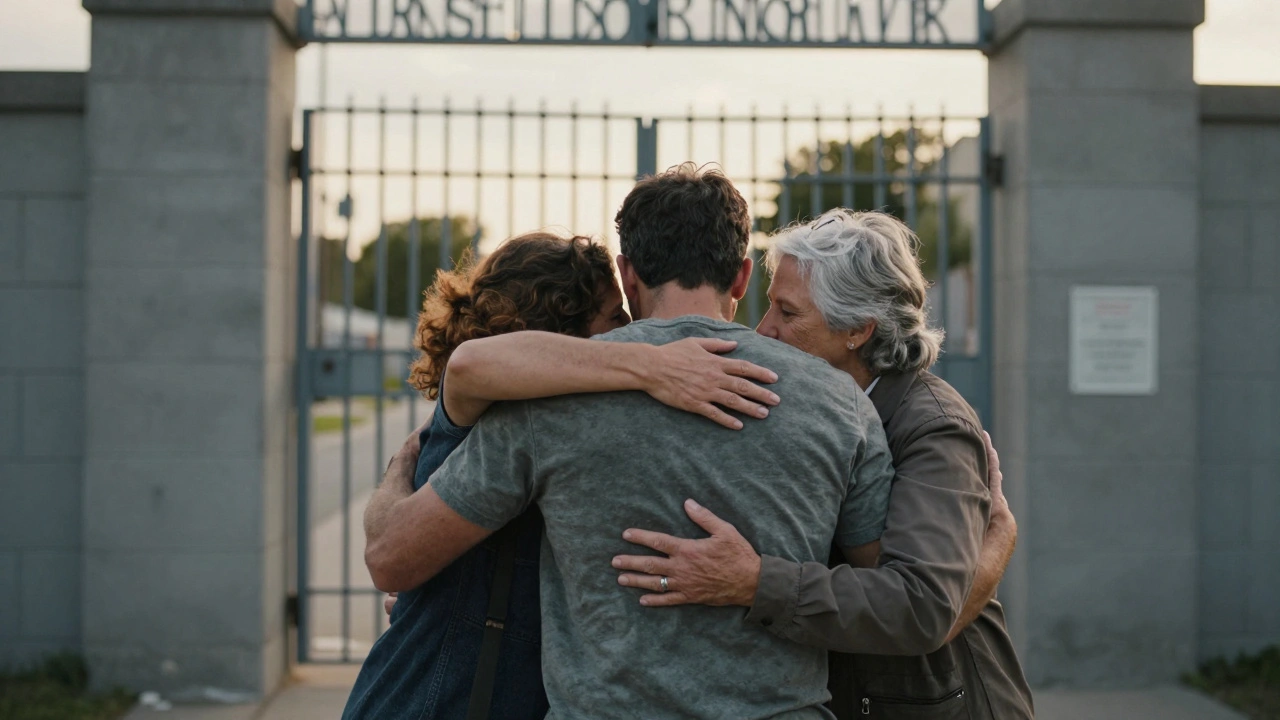
Coming home after years of incarceration is often framed as a "fresh start," but the reality is much more complex. For someone on parole, the transition isn't just about following rules-it's about surviving a massive life shift. While parole officers manage the legal side, the real engine of success is usually the people waiting at the gate. Without a solid bridge back to the community, the risk of falling back into old patterns skyrockets.
A family support plan isn't just a casual agreement to let someone sleep on the couch; it's a strategic framework that addresses emotional, financial, and logistical needs. When families are actively involved in the reentry process, they don't just provide a place to stay-they act as a buffer against the stress and isolation that often lead to parole violations. This is why moving from a purely individual focus to a family-centered approach is the most effective way to reduce recidivism.
Quick Summary: Key Takeaways
- Family ties are the strongest predictors of long-term success after release.
- Support plans must cover both immediate logistics (transport, housing) and long-term emotional stability.
- Families can act as advocates and accountability partners to help the parolee navigate bureaucratic hurdles.
- Addressing broken relationships before release is critical to preventing home-life volatility.
- Formal programs, like the Family Reunion Program, help bridge the gap between custody and community.
The Critical Role of Family in Reentry
Formal services, like halfway houses or government caseworkers, are essential, but they are often temporary. Staff change, funding cuts happen, and case loads grow. In contrast, Family Support is the continuous emotional and practical assistance provided by kinship networks to individuals transitioning from incarceration to community supervision. Family members provide a level of consistency that no state agency can match.
Think about the immediate psychological impact of release. The sensory overload of the modern world, combined with the pressure of strict parole conditions, can be paralyzing. A trusted sibling or parent provides the "emotional grounding" needed to process this. They offer a safe space to fail, vent, and recalibrate without the fear of an immediate report to a parole officer. This stability is what allows a returning citizen to focus on finding a job or attending treatment rather than spiraling into a crisis.
Practical Support: The Logistics of Coming Home
When a person is released, the first 72 hours are the most volatile. A well-structured support plan handles the "small" things that can actually cause huge setbacks. For example, simply having a family member meet them at the gate in a familiar vehicle removes a massive layer of anxiety and prevents the parolee from feeling abandoned at their lowest moment.
Beyond the ride home, families take on a variety of logistical roles that keep the parolee compliant with their conditions:
- Housing and Stability: Providing a stable residence that is approved by the parole officer.
- Financial Guidance: Helping manage a small amount of seed money or dealing with pre-existing debts that might cause stress.
- Childcare and Parenting: For parents, rearranging childcare so they can attend mandatory check-ins or employment training.
- Healthcare Navigation: Driving the individual to mental health appointments or helping them secure medications.
By taking over these burdens, family members allow the parolee to focus on the core requirements of their Parole Conditions, which usually involve employment and sobriety. When the logistics are handled, the chance of a technical violation drops significantly.

Accountability and Advocacy
It is a common misconception that family support means "going easy" on the returning citizen. In fact, the most effective families are those who balance love with a high level of accountability. They act as an unofficial part of the case management team.
Family members can monitor red flags-like social withdrawal or returning to old peer groups-long before a parole officer would notice. They can encourage the individual to be honest about their struggles and push them to stay committed to their treatment plans. This isn't about spying; it's about providing a safety net that catches a slip before it becomes a full-blown relapse.
Furthermore, families serve as vital advocates. Navigating the bureaucracy of the justice system is exhausting. A spouse or parent can attend planning meetings, ensure that promised services (like vocational training) are actually delivered, and help the parolee articulate their needs to the state. They ensure the individual isn't just a case number but a person with a support system fighting for their success.
| Feature | Formal Services (PO/Caseworker) | Family Support System |
|---|---|---|
| Duration | Fixed (ends when parole expires) | Lifelong / Permanent |
| Primary Focus | Compliance and Risk Management | Well-being and Reintegration |
| Emotional Bond | Professional/Transactional | Personal/Affective |
| Flexibility | Strictly regulated by policy | Adaptive to individual needs |
Healing Broken Bonds Before the Gate Opens
We can't ignore the elephant in the room: incarceration often destroys family trust. Expecting a person to return to a home where there is deep resentment or unresolved trauma is a recipe for disaster. If the home environment is toxic, the "support plan" becomes a liability rather than an asset.
This is where structured interventions are necessary. Programs like the Family Reunion Program in New York recognize that the repair work must start inside the facility. By allowing extended, private face-to-face time between incarcerated individuals and their loved ones, these programs let families renegotiate their relationships in a controlled environment before the pressure of the outside world hits.
For mothers, the stakes are even higher. Programs like the Visiting Family and Assistance Program (VFAP) focus specifically on the unique needs of women and their children. Recognizing that women often serve as primary caregivers, these initiatives bridge the gap between interim caregivers and the returning mother, ensuring that the reunification process is gradual and healthy for the children involved.

Building a Long-Term Support Ecosystem
Success isn't a straight line. Most people on parole experience "bumps"-a lost job, a conflict with a neighbor, or a period of depression. The danger is when these bumps happen after formal supervision has ended. Many people thrive during parole because they are being watched, only to relapse once the oversight is gone.
A truly effective support plan prepares the family for the "post-parole" phase. This involves identifying a long-term circle of prosocial influences-mentors, faith communities, or support groups like those provided by the Osborne Association. By diversifying the support network, the burden doesn't fall solely on one spouse or parent, which prevents "caregiver burnout."
When a family moves from a crisis-management mode to a growth-oriented mode, the returning individual stops seeing themselves as a "former convict" and starts seeing themselves as a father, daughter, or community member. This shift in identity is the ultimate goal of any reentry plan.
What happens if the family is unwilling or unable to provide support?
Not everyone has a supportive family, and in some cases, returning home is dangerous. In these scenarios, the support plan must pivot to "chosen family"-trusted friends, mentors, or community-based organizations. Parole officers should be notified if family support is unstable so that alternative housing and support services can be secured to prevent a violation.
How can family members help without enabling the parolee?
There is a thin line between supporting and enabling. Effective support means providing the tools for success (like a ride to a job interview) rather than removing all consequences for poor choices. Families should set clear boundaries and expectations in writing, and hold the individual accountable to them, just as the parole officer does.
How do I start a family support plan while the person is still incarcerated?
Start with open communication through letters, calls, and visits. Discuss the realistic expectations for the first six months after release. Identify who will handle specific tasks (e.g., who is providing housing, who is helping with ID recovery) and discuss potential conflict triggers. Using a facility's family programming can help facilitate these difficult conversations.
Are there specific resources for children of incarcerated parents during parole?
Yes, organizations like the Osborne Association provide specialized groups and resources for children and young people affected by incarceration. These services help children process the trauma of separation and the complexities of reunification, ensuring that the child's emotional needs are met while the parent adjusts to parole.
Can a family member be penalized if the parolee violates their conditions?
Generally, family members are not legally penalized for the parolee's violations. However, if a family member knowingly helps a parolee hide from supervision or assists in a new crime, they could face legal charges. It is important for supporters to stay in communication with the parole officer to ensure their own legal safety.
Next Steps for Families and Parolees
If you are currently planning for a release, don't leave the support system to chance. Start by mapping out the first 30 days: where will the person sleep, how will they get to their first meeting, and who is the point of contact for emergencies?
For those already on parole, it's never too late to refine the plan. If the current dynamic is causing stress, seek out a community mediator or a reentry specialist to help renegotiate the boundaries. Remember that reintegration is a marathon, not a sprint, and the strength of the family bond is often the deciding factor in whether that marathon is finished successfully.