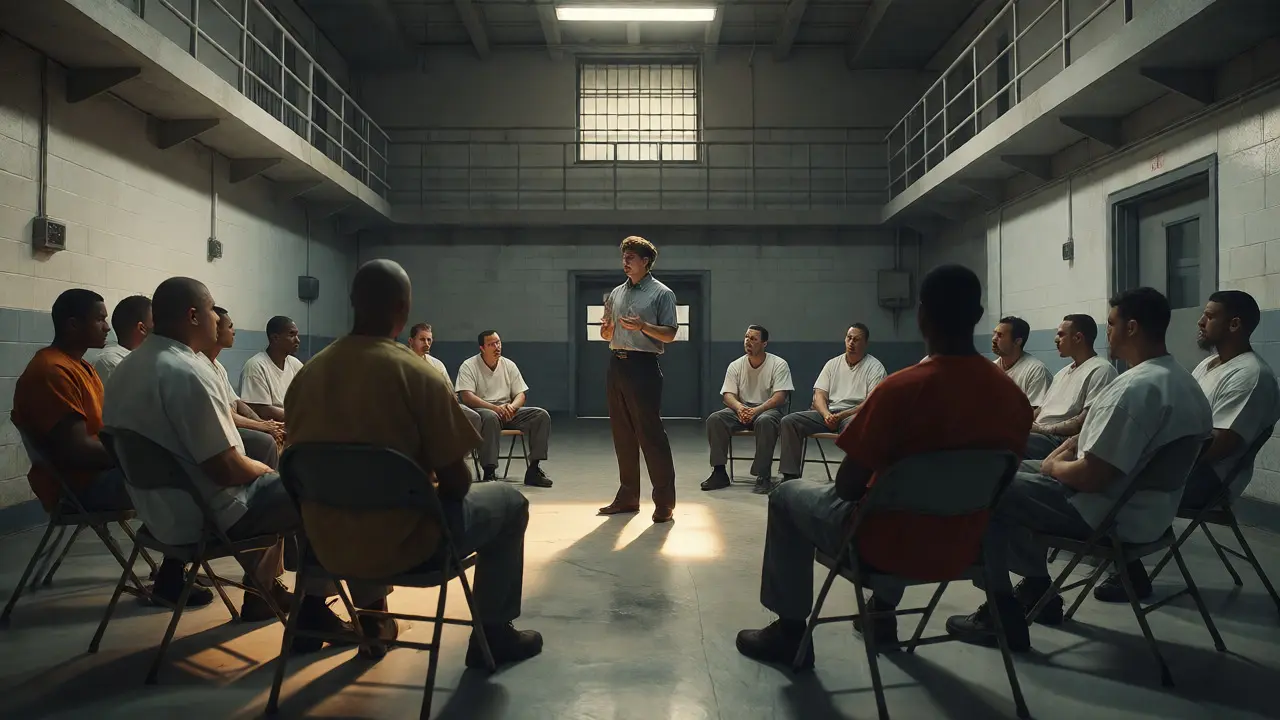
You’ve probably heard the phrase "change your thinking, change your life." It sounds like a bumper sticker, but inside prison walls, it’s often the difference between reoffending and staying free. Cognitive-Behavioral Therapy (CBT) is not just talk therapy; it is a structured, skills-based intervention designed to help incarcerated individuals recognize how their thoughts drive their actions. In a high-stress environment where survival instincts often override logic, CBT provides a mental toolkit that actually works.
Why does this matter? Because recidivism rates are stubbornly high. Traditional punishment alone rarely changes behavior patterns rooted in years of habit or trauma. CBT bridges the gap by teaching concrete coping mechanisms. If you are a corrections officer, a policy maker, or someone interested in how we handle incarceration, understanding the core skills and structure of these programs is essential. It moves us from simply warehousing people to actively rehabilitating them.
The Core Problem: Why Punishment Alone Fails
Let’s be real about what happens in most prisons. The environment is chaotic, dangerous, and deeply hierarchical. For many inmates, aggression isn’t just a choice; it’s a learned survival mechanism. When a person has spent decades reacting to threats with immediate force, sitting down to analyze their feelings feels foreign, even weak.
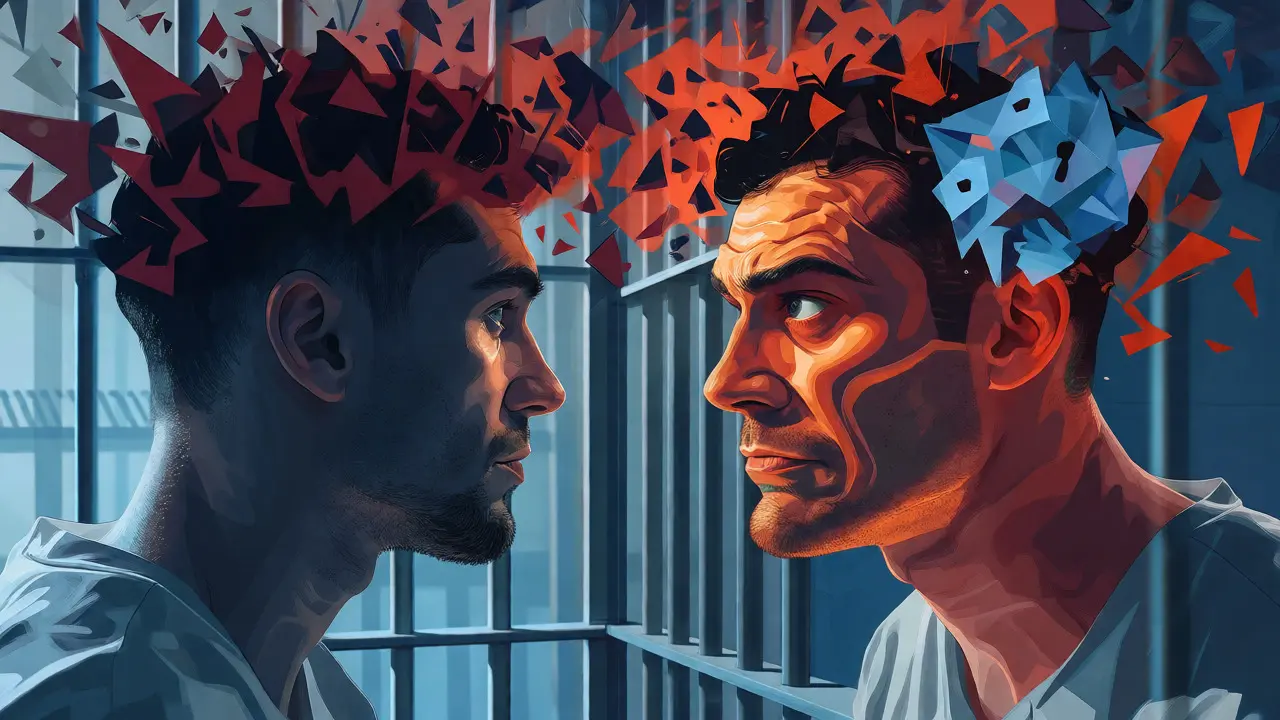
This is where the cognitive model comes in. CBT operates on the premise that events do not cause emotions; our interpretation of events causes emotions. An inmate might perceive a guard’s neutral tone as disrespect. That thought triggers anger, which leads to an outburst, which leads to solitary confinement. The cycle repeats. Without intervening at the thought stage, the behavior remains unchanged. Programs that ignore this cognitive link often fail because they address the symptom (the fight) rather than the source (the distorted perception).
Key Cognitive Distortions Behind Criminal Behavior
To understand how CBT works in a correctional setting, you have to identify the specific mental traps-known as cognitive distortions-that fuel criminal conduct. These aren’t abstract concepts; they are daily realities for many incarcerated individuals.
| Distortion | Description | Prison Context Example |
|---|---|---|
| Hostile Attribution Bias | Assuming others intend harm when there is no evidence. | Believing another inmate bumped into you on purpose to start a fight. |
| Entitlement | Believing one deserves special treatment without effort. | Expecting leniency from staff despite violating rules repeatedly. |
| Power Over Others | Valuing dominance and control above cooperation. | Using intimidation to secure resources or status within a housing unit. |
| Superoptimism | Believing negative consequences won't happen to oneself. | Thinking, "I can smuggle this item and I won't get caught," despite past failures. |
These patterns are sticky. They feel true to the person experiencing them. A major part of CBT programming involves identifying these automatic thoughts. It’s not about arguing whether the inmate is "right"; it’s about showing them that their interpretation might not be the only one available. Once they see the distortion, they can begin to challenge it.
Core Skills Taught in Correctional CBT
So, what do inmates actually learn? It’s not just venting sessions. Effective prison CBT focuses on four distinct skill sets that translate directly to life inside and outside the facility.
- Emotional Regulation: Learning to pause between stimulus and response. This involves recognizing physical signs of anger (tight jaw, racing heart) before acting on them. Techniques include deep breathing, grounding exercises, and time-outs.
- Problem-Solving: Many crimes result from poor decision-making under pressure. CBT teaches a step-by-step approach: define the problem, brainstorm solutions, evaluate consequences, and choose the best option. This replaces impulsive reactions with calculated choices.
- Social Perspective-Taking: Developing empathy by considering how one’s actions affect others. This is crucial for reducing violence. If you understand that your outburst hurts your cellmate’s sleep schedule, you might adjust your behavior.
- Relapse Prevention: Identifying personal triggers and high-risk situations. For substance abusers, this means recognizing that boredom or stress are precursors to using drugs. For violent offenders, it means spotting the specific insults or provocations that usually lead to fights.
These skills are practiced through role-playing, journaling, and group discussions. The goal is muscle memory. You want the brain to default to problem-solving instead of punching when stress hits.
Program Structure: How It’s Delivered
Structure matters more than theory here. Unstructured therapy fails in prisons because of security constraints and short attention spans. Successful programs follow a rigid, modular format.
Most evidence-based models, such as Moral Reconation Therapy (MRT) or Reasoning and Rehabilitation (R&R), consist of 20 to 40 sessions. Each session lasts 60 to 90 minutes. Consistency is key. Missing sessions breaks the momentum, so attendance incentives are often built into the program design.
Facilitation style also differs from clinical settings. Therapists or trained correctional counselors act less like doctors and more like coaches. They direct the group, keep discussions on track, and enforce homework assignments. The curriculum is manualized, meaning every facilitator follows the same script and activities. This standardization ensures fidelity to the model and makes outcomes measurable across different facilities.

Overcoming Barriers to Implementation
If CBT is so effective, why isn’t it everywhere? Several hurdles exist.
Staff Training and Turnover: High turnover in corrections means constant retraining. If a new counselor doesn’t understand the CBT model, they might revert to punitive measures during sessions, undermining the therapeutic alliance. Ongoing supervision is non-negotiable.
Security vs. Therapy: Group therapy requires moving inmates around the facility. Security protocols sometimes restrict movement, causing delays or cancellations. Finding a balance between safety and access to programming is a logistical nightmare that administrators must solve.
Cultural Relevance: Standard CBT materials often feel disconnected from the lived experiences of incarcerated populations, who are disproportionately minority groups. Programs that incorporate culturally relevant examples and respect local community norms see higher engagement rates. Ignoring this aspect can make the therapy feel imposed rather than helpful.
The Impact on Recidivism and Public Safety
Does it work? Yes, but with caveats. Meta-analyses show that CBT programs reduce recidivism by 10 to 15 percentage points compared to control groups. That might sound small, but on a population level, it translates to thousands of fewer crimes committed and millions of dollars saved in incarceration costs.
However, the effect size depends on dosage. Short, sporadic interventions yield minimal results. Comprehensive programs that last several months and integrate with other services-like education or vocational training-show the strongest outcomes. It’s not a magic bullet; it’s a component of a broader rehabilitation strategy.
For the public, the takeaway is clear: investing in mental health infrastructure inside prisons pays dividends on the outside. When an individual leaves prison equipped with emotional regulation tools, they are better positioned to maintain employment, sustain relationships, and avoid the revolving door of incarceration.
Is CBT mandatory in all US prisons?
No, there is no federal mandate requiring CBT in all state or federal prisons. Availability varies significantly by jurisdiction, funding levels, and institutional philosophy. Some states have integrated CBT into their core rehabilitation frameworks, while others rely on traditional counseling or religious programs.
How long does a typical CBT program last in prison?
Most structured CBT programs range from 3 to 9 months. This typically involves weekly group sessions lasting 60-90 minutes. Longer durations allow for deeper skill acquisition and practice, which correlates with better post-release outcomes.
Who delivers CBT in prisons?
It is delivered by licensed mental health professionals, such as psychologists and social workers, as well as trained correctional counselors. In some facilities, peer educators-incarcerated individuals who have completed the program-also assist in facilitating groups under professional supervision.
Can CBT help with substance abuse in prisons?
Yes, CBT is highly effective for substance use disorders. It helps individuals identify triggers, manage cravings, and develop coping strategies for stress without relying on drugs or alcohol. Many prison CBT programs are specifically adapted for dual-diagnosis patients.
What is the main difference between CBT and traditional therapy in prison?
Traditional therapy often focuses on exploring past trauma and feelings over an indefinite period. CBT is present-focused, structured, and time-limited. It emphasizes learning specific skills to change current behaviors and thoughts, making it more practical for the constrained environment of a prison.