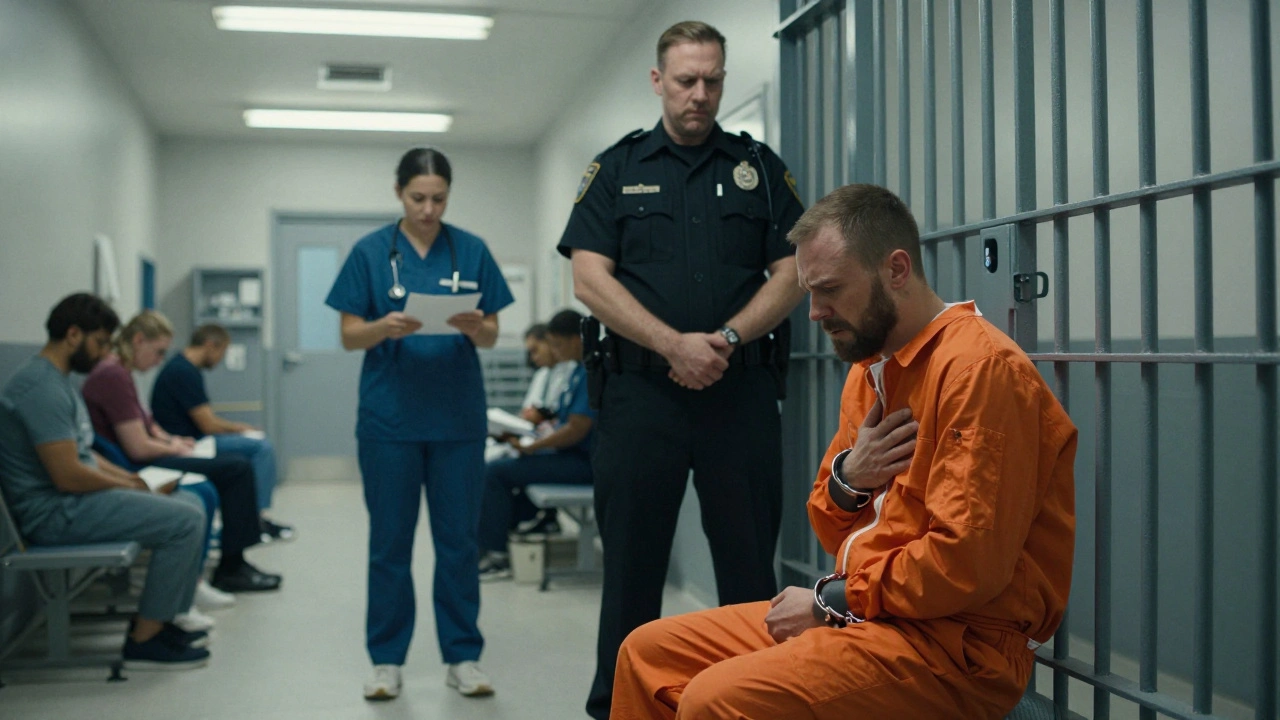
Imagine a patient arriving with chest pain. In a community hospital, they are seen within minutes. In an overcrowded jail clinic in 2026, that same patient might wait hours while staff juggle security protocols, limited resources, and a backlog of chronic conditions. This isn't just a logistical headache; it's a public health crisis. With over 1.6 million people incarcerated in the United States, the strain on correctional healthcare infrastructure has reached unprecedented levels. The question is no longer if we need better systems, but how quickly we can implement them.
The reality for incarcerated individuals is stark. They present with higher rates of chronic medical conditions, including diabetes, hypertension, HIV, hepatitis C, and tuberculosis. When you add substandard living conditions to this mix, the risk of rapid health deterioration skyrockets. Effective medical triage isn't just about sorting patients; it's about preventing a cascade of health failures in an environment where overcrowding itself acts as a medical risk factor.
The Unique Challenges of Correctional Triage
Triage in a jail looks nothing like triage in an emergency room. You cannot simply walk up to a nurse and say, "I feel faint." Every interaction is mediated by security. Research published in NIH/PMC journals highlights that incarcerated patients often remain physically shackled during their entire hospital course. They face documented bias from healthcare providers and struggle with privacy barriers due to the constant presence of corrections officers.
These factors complicate clinical assessment. A standard triage protocol assumes a certain level of patient cooperation and environmental neutrality. In a jail, you must account for:
- Security Constraints: Movement restrictions can delay transport to imaging or labs.
- Bias and Stigma: Healthcare workers may underestimate pain or urgency due to unconscious bias against the incarcerated population.
- Privacy Deficits: Sensitive disclosures about mental health or substance use are harder to make when guards are listening.
This means triage systems must be adapted. They need to be more robust, more observant, and less reliant on self-reporting alone. The goal is to identify high-risk patients before their condition becomes critical, despite the noise and constraints of the environment.
Why Overcrowding Is a Medical Risk Factor
We often think of overcrowding as a housing issue. But recent scoping reviews, such as those referenced in PMC12219723, show a direct statistical link between prison overcrowding and adverse health outcomes. It’s not just uncomfortable; it’s dangerous. Overcrowding is independently associated with:
- Increased transmission of tuberculosis and COVID-19.
- Rises in self-harm incidents and suicide attempts.
- Higher diagnosis rates of depression and anxiety.
- Overall increases in mortality.
Jeremy Goldhaber-Fiebert of Stanford Health Policy argued in May 2025 that overcrowding exacerbates both acute and chronic conditions. It puts immense pressure on already limited healthcare delivery infrastructure. When a clinic is at capacity, the margin for error shrinks. A delayed triage decision can mean the difference between stabilization and death. Therefore, effective prioritization is not just operational-it is ethical and essential for public health security.
Innovative Models: Crisis Response Teams
So, what works? One of the most promising models comes from Tennessee. They implemented a specialized Crisis Response Team consisting of mobile psychiatric experts. Instead of sending every mentally ill inmate to the local emergency department (ED), these teams evaluate uncomplicated psychiatric cases directly at the jail facility.
How does it work? If an inmate presents with isolated depression, suicidal ideation, or non-acutely dangerous psychosis, the team conducts an evaluation via telemedicine. If admission to an inpatient psychiatric hospital is needed, they arrange direct admission. This bypasses the ED entirely.
This model offers three major benefits:
- Reduces ED Burden: Emergency departments are overwhelmed by low-acuity behavioral health visits. Removing these cases frees up resources for trauma and cardiac emergencies.
- Maintains Security: Patients stay within the secure jail environment until they are transferred to a treatment facility, reducing security risks during transport.
- Improves Outcomes: Specialized psychiatric triage ensures that mental health needs are met by experts, not generalists stretched thin in an ER.
This approach proves that we don't need to build more jails to improve care. We need smarter routing of existing resources.
Cost-Effective Alternatives: The Rapid City Model
If you think specialized care is too expensive, look at Rapid City, South Dakota. The National League of Cities documented a program using Safe Solutions beds in crisis care centers. These centers serve as single locations where police and EMS transport individuals experiencing behavioral health crises.
The cost difference is staggering. A bed in the crisis center costs approximately $20 per day. A bed in the Pennington County Jail costs $80 per day. That’s a $60 daily savings per person. During the analyzed period, this pricing structure resulted in roughly $645,000 in facility savings.
But it’s not just about money. Data showed that 37% of referrals came from emergency services, while 63% came from self-referrals. This dual pathway captures people who might otherwise fall through the cracks. For jail clinics, this suggests that integrating with community-based crisis centers can offload patients who don’t need incarceration-level security but do need immediate medical attention.
| Model | Average Daily Cost | Primary Benefit | Best For |
|---|---|---|---|
| Jail Detention | $80/day | High Security | Criminal justice processing |
| Crisis Center Bed | $20/day | Cost Savings & Care | Behavioral health crises |
| Emergency Department | $1,500+ per visit | Acute Medical Stabilization | Life-threatening physical trauma |
Implementing Structured Triage Protocols
To make these models work, jail clinics need structured protocols. A comprehensive academic investigation by the University of Maine reviewed over 2,000 articles on emergency care alternatives. Their findings apply directly to jails: interprofessional collaboration and operational adjustments reduce wait times and improve outcomes.
Here is what a robust triage system should include:
- Rapid Recognition Training: Corrections staff and nurses must be trained to spot signs of clinical deterioration early. Incarcerated populations experience accelerated disease progression due to stress and comorbidity clustering.
- Systematic Vital Sign Monitoring: Don't rely on patients to ask for help. Implement regular checks for blood pressure, heart rate, and oxygen saturation, especially for those with known chronic conditions.
- Clear Escalation Pathways: Define exactly who gets called when a patient’s condition worsens. Ambiguity kills. There should be a clear line from jail nurse to off-site specialist to emergency transport.
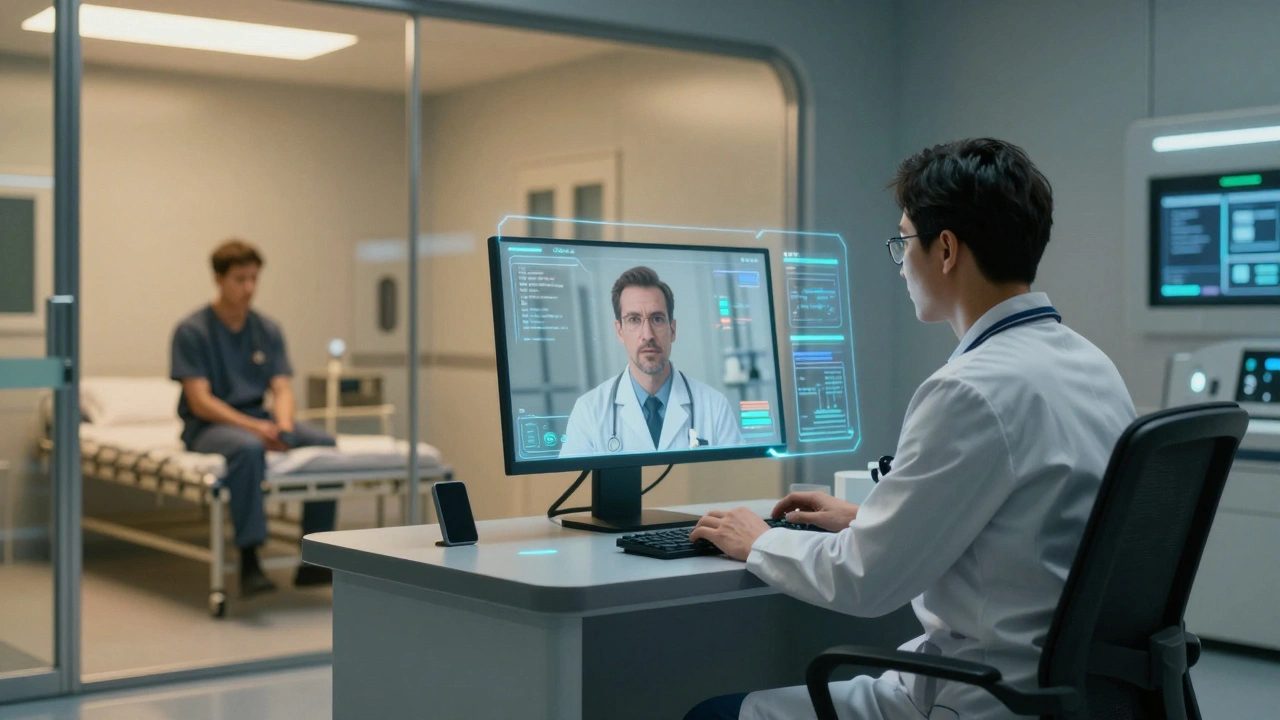
- Telemedicine Integration: Use video consultations for specialist opinions. This brings expertise into the jail without moving the patient, maintaining security and speed.
NIH research shows that substance use disorders and mental health problems are primary drivers of medical emergencies in detention facilities. Your triage system must be designed to identify these complex cases quickly. A patient overdosing on polysubstances needs different handling than someone with a broken finger. Misidentifying the acuity level can lead to fatal delays.
The Role of Technology and Data
Future developments in jail clinic triage will likely emphasize technological integration. Real-time clinical decision support tools can help nurses prioritize patients based on objective data rather than subjective complaints. Imagine a dashboard that flags a diabetic inmate whose glucose levels have been trending upward for three days, prompting proactive intervention before a ketoacidosis event occurs.
Data collection is also key. Many jails still operate in silos, with little insight into how their triage decisions impact long-term outcomes. Systematic tracking of wait times, escalation rates, and post-release health status can reveal bottlenecks. If you aren't measuring your triage effectiveness, you can't improve it.
Conclusion: A Call for System-Level Change
Medical triage in overcrowded jails is not a standalone problem. It is a symptom of a larger systemic failure. While innovative models like Tennessee's Crisis Response Teams and Rapid City's Safe Solutions beds offer hope, they are band-aids on a gaping wound. As Goldhaber-Fiebert noted, system-level solutions addressing overcrowding itself remain essential.
However, we cannot wait for perfect conditions to provide decent care. By implementing structured triage protocols, leveraging telemedicine, and adopting cost-effective crisis models, we can mitigate some of the negative health consequences of overcrowding. We can save lives, reduce costs, and uphold the dignity of incarcerated individuals. The evidence is clear. The tools exist. What’s missing is the political will to deploy them at scale.
What is medical triage in a jail setting?
Medical triage in a jail is the process of assessing and prioritizing healthcare needs for incarcerated individuals. Unlike community hospitals, jail triage must account for security protocols, limited resources, and high rates of chronic illness and mental health issues. It aims to ensure that the sickest patients receive care first while managing the overall flow of patients in an overcrowded environment.
Why is overcrowding considered a medical risk factor?
Overcrowding increases the transmission of infectious diseases like tuberculosis and COVID-19. It also correlates with higher rates of self-harm, depression, and mortality. The stress and lack of space accelerate disease progression and strain healthcare infrastructure, making effective triage even more critical to prevent health cascades.
How do Crisis Response Teams help jail clinics?
Crisis Response Teams, such as the model used in Tennessee, provide mobile psychiatric evaluations directly at jail facilities. They assess inmates with mental health crises via telemedicine and arrange direct admission to psychiatric hospitals if needed. This bypasses the emergency department, reduces costs, maintains security, and provides specialized care faster.
What are the cost benefits of alternative triage centers?
Alternative models like the Safe Solutions beds in Rapid City, South Dakota, cost significantly less than jail detention. At $20 per day compared to $80 per day in jail, these centers saved approximately $645,000 during the studied period. They also reduce the burden on emergency departments by handling behavioral health crises outside the traditional medical system.
What challenges do incarcerated patients face during medical encounters?
Incarcerated patients often remain shackled during medical visits, face bias from healthcare providers, and lack privacy due to the presence of corrections officers. These barriers can hinder accurate assessment and honest communication, making it harder for triage staff to determine the true severity of a patient's condition.
How can technology improve triage in jails?
Technology can improve triage through real-time clinical decision support, systematic vital sign monitoring, and telemedicine integration. Dashboards can flag deteriorating patients early, while video consultations allow specialists to advise jail nurses without transporting the patient. This enhances accuracy, speed, and safety in resource-constrained environments.