When someone leaves prison, they don’t just walk out with a suitcase and a bus ticket. They walk out with a record, a history of addiction, and almost no job skills. More than half of formerly incarcerated people are unemployed a year after release. And without steady work, many end up back behind bars. But what if prisons didn’t just lock people up-they built them up?
The most effective prisons today aren’t just holding cells. They’re training grounds. They’re recovery centers. And they’re pairing vocational training with substance abuse recovery in ways that actually change outcomes. This isn’t theory. It’s happening in Nevada, Michigan, and beyond-with real results.
Why This Combo Works
Most people in prison struggle with addiction. Studies show over 60% of incarcerated individuals have a substance use disorder. That’s not a coincidence. Addiction drives crime. It leads to theft, drug dealing, and violence. And when someone gets out without treatment, they’re likely to use again. Without a job, they have no way to pay rent, feed their kids, or rebuild their lives. So they fall back into old patterns.
But when you combine job training with recovery, you attack both sides of the problem. You don’t just give someone a hammer to swing-you teach them how to use it, how to get hired with it, and how to stay sober while doing it. This isn’t about being nice. It’s about smart policy.
The First Step Act and the Second Chance Act both fund programs that link these two pieces. Federal guidelines say it clearly: education, job skills, and addiction treatment must go hand in hand. And programs that do this are seeing dramatic drops in recidivism.
What a Real Program Looks Like
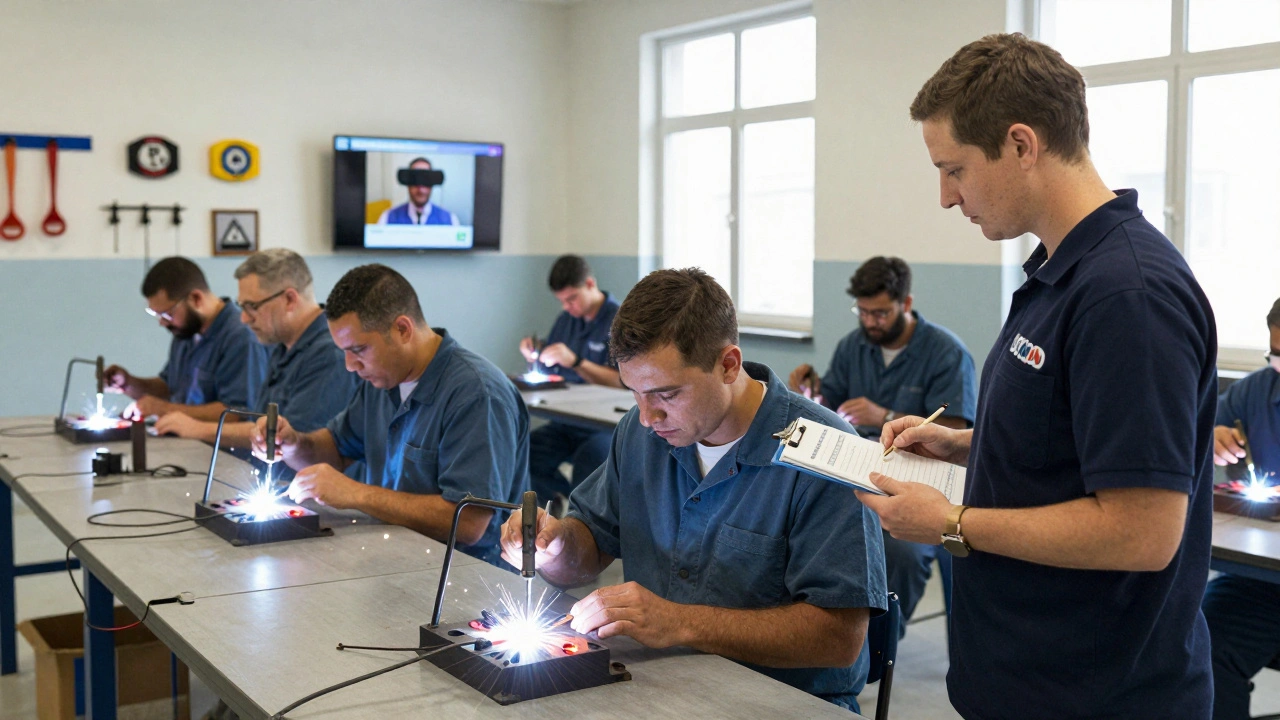
In Nevada, the Vocational Village at Southern Desert Correctional Center doesn’t just teach welding or carpentry. It builds a whole new identity. Men in the program live in a residential unit where every day includes therapy sessions, life skills workshops, job coaching, and hands-on trade training. They earn certifications in electrical work, HVAC, and plumbing. They learn how to write a resume, answer interview questions, and handle rejection.
And here’s the twist: they’re not allowed to enroll unless they’ve been clean for at least 90 days. No one gets into the program while actively using. That’s not punishment-it’s protection. It keeps the whole group safe and focused.
They also get one-on-one case managers who track their progress, connect them with housing options before release, and even call employers on their behalf. This isn’t optional. It’s built into the structure.
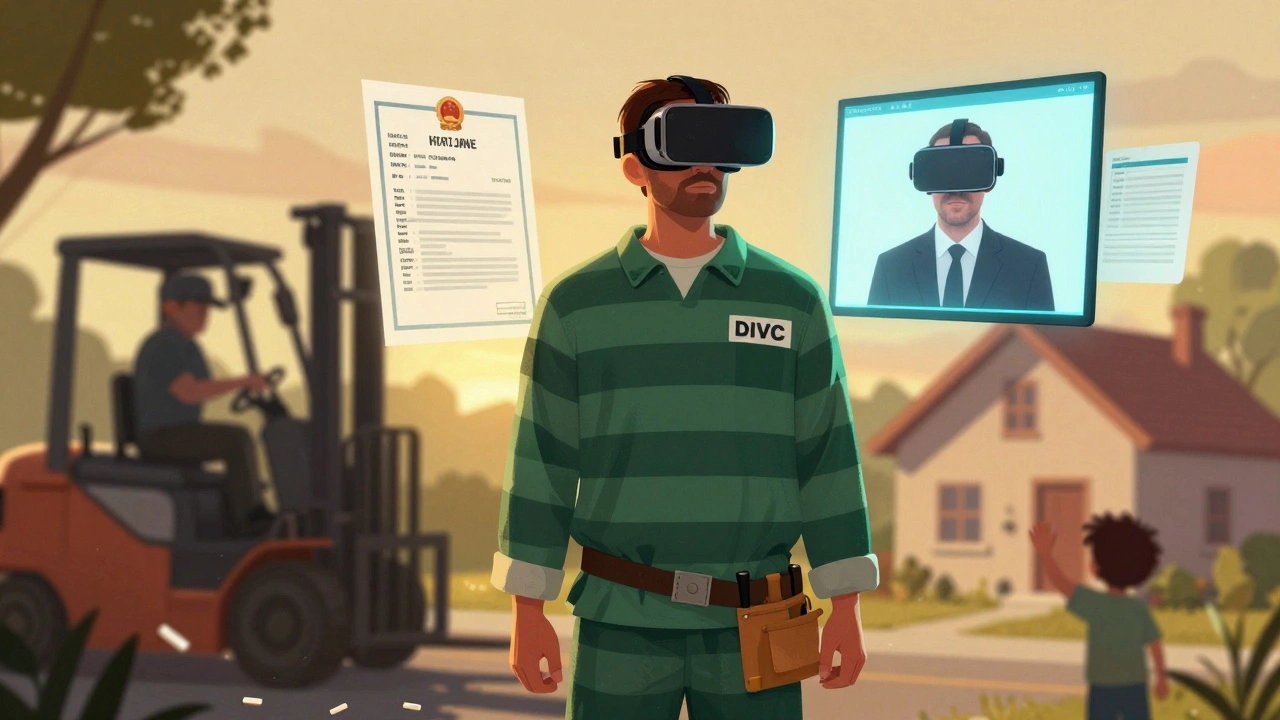
Michigan’s Vocational Villages take it further. They use virtual reality to simulate job interviews. Participants put on a headset and face a digital hiring manager who asks tough questions, critiques their answers, and gives instant feedback. Studies show this boosts confidence and increases job offers by 40% within six months of release.
And the credentials? They’re real. Forklift certification. OSHA 30-hour safety training. Commercial driver’s license. These aren’t paper certificates. They’re nationally recognized. Employers know what they mean.
The Numbers Don’t Lie
Let’s talk about what happens after release. In states without these programs, about 75% of people are rearrested within five years. In places with integrated vocational and recovery programs, that number drops to under 30%. Nevada’s recidivism rate is 28.63%. Programs like the Vocational Village aim to cut that in half.
Why? Because employment is the single biggest predictor of long-term success. People with jobs are less likely to use drugs. They’re more likely to pay child support, rent, and bills. They’re more likely to stay connected to family and community. And they’re far less likely to return to crime.
But here’s the catch: only about 50% of state prisons even offer vocational training. And of those, fewer than 10% fully integrate substance abuse treatment. Most programs are siloed. You go to therapy on Tuesdays. You go to carpentry on Thursdays. No one connects the dots.
Integrated programs fix that. They make recovery part of the job. They teach men how to manage cravings while learning to solder a wire. They help women rebuild self-worth while mastering sewing machines. It’s not about punishment. It’s about rebuilding.
Barriers Still Exist
Not every prison can run a program like this. Budgets are tight. Staff are overworked. Some inmates don’t have a GED. Others have violent histories. Many programs only accept those with less than five years left on their sentence. That means people serving 10 or 15 years get left out.
Eligibility rules are strict. You need a clean disciplinary record. You need to have been sober for months. You need to show up every day. That’s not easy in prison. But it’s necessary. These programs work best when participants are ready to change.
And even then, there’s a gap. Most programs don’t track long-term outcomes. Did they keep their job for six months? Did they stay clean? Did they find housing? Without data, we can’t improve.
That’s why randomized studies are rare. Most programs aren’t evaluated with scientific rigor. We know they help-but we don’t always know how much, or why.

What’s Missing?
Technology helps. VR interviews, online credentialing, mobile apps for recovery check-ins-all of it makes training more effective. But tech alone won’t fix this. You still need counselors. You still need mentors. You still need people who believe in you.
What’s missing is scale. Right now, these programs serve a few hundred people a year. There are over 1.2 million people in U.S. prisons. We need thousands more of these programs. We need funding. We need political will. We need employers who are willing to hire people with records.
Some companies already are. Home Depot, Amazon, and Walmart have launched hiring initiatives for formerly incarcerated workers. But most employers still won’t touch a resume with a box checked “felony.” That’s why programs must include job placement teams. They don’t just train people-they fight for them.
The Bigger Picture
This isn’t just about prisons. It’s about communities. When someone gets a job, they pay taxes. They support their kids. They stop using drugs. They stop stealing. They stop being a burden on the system.
Every dollar spent on vocational and recovery programs saves $4 to $7 in future incarceration costs. That’s not charity. That’s ROI.
And it’s not about second chances. It’s about real ones. People don’t need pity. They need opportunity. They need to feel like they matter. And when you give them a skill, a certificate, and a clean slate-they rise to it.
The future of corrections isn’t more walls. It’s more tools. More training. More hope. And it’s already working-in Nevada, in Michigan, and in places where leaders dared to try something different.