
You’ve spent months managing a patient’s diabetes inside a correctional facility. You know their blood sugar patterns, their medication adherence history, and exactly which pharmacy they used before incarceration. Then, the day comes. They walk out the gate. Three weeks later, you hear from a community clinic: the patient missed two appointments, ran out of insulin, and is back in the emergency room. This isn’t just a medical failure; it’s a system breakdown.
The gap between Correctional Health and community-based healthcare is where most reentry patients fall through the cracks. It’s not usually about bad intentions. It’s about fragmented data, incompatible schedules, and a lack of clear handoff protocols. If you’re a provider trying to fix this, or an administrator wondering why your readmission rates are stubbornly high, you need to look at how these two worlds actually talk to each other.
Why the Handoff Fails (And Why It Matters)
Think about the last time you changed doctors. Even if you had all your records, wasn’t there friction? Now multiply that by ten. When someone leaves prison or jail, they aren’t just switching providers; they’re switching entire ecosystems. The secure environment of a facility, where meds are dispensed directly to lips and appointments are mandatory, vanishes overnight. Suddenly, the patient has to navigate insurance eligibility, transportation, and appointment scheduling-all while dealing with the stress of reintegration.
Most failures happen because the communication happens too late. A discharge summary might be faxed to a community clinic three days after release. By then, the patient has already tried to find care elsewhere, often ending up in urgent care centers that don’t have their full history. Or worse, they assume they’re still covered by the facility’s Medicaid waiver, only to find out their coverage lapsed the moment they stepped outside.
We see this pattern repeatedly in Reentry Health programs across the country. The data shows that without active coordination, nearly half of individuals with chronic conditions experience a lapse in care within the first 30 days post-release. That’s not a statistic; that’s people going into withdrawal, having hypertensive crises, or missing critical cancer screenings.
The Core Pillars of Effective Coordination
So, what does successful coordination actually look like? It’s not just sending a PDF. It’s a structured process built on four pillars: timing, information transfer, warm handoffs, and insurance alignment.
Timing: Start Before the Gate Opens
Coordination cannot start on release day. It needs to begin 60 to 90 days prior. This window allows for:
- Insurance Activation: Verifying Medicaid enrollment status so coverage is active on day one.
- Appointment Scheduling: Booking the first follow-up visit before the patient even leaves.
- Medication Reconciliation: Ensuring the patient has a sufficient supply of medications to bridge the gap until their first community appointment.
If you wait until the night before release, you’re fighting against administrative inertia. Community clinics have limited slots. If you call them on Tuesday for a Thursday release, you’ll likely get told there’s no availability for two weeks. Two weeks is an eternity for someone managing HIV or severe mental illness.
Information Transfer: Beyond the Discharge Summary
A standard discharge summary is often useless to a community provider. It’s written for internal facility use, focusing on security incidents and compliance rather than clinical nuance. What does a primary care physician need?
- Current medication list with dosages and reasons for any changes.
- Recent lab results (A1C, lipid panels, viral loads).
- Allergy history, including non-medical allergies (like latex or iodine).
- Behavioral health notes that indicate triggers or support needs.
Use standardized formats like HL7 C-CDA documents when possible. These electronic formats allow community EHRs to ingest data more easily than scanned faxes. If your facility still relies on paper, consider using secure email portals with encrypted attachments. Speed matters, but accuracy matters more.
The Warm Handoff: Making Human Contact
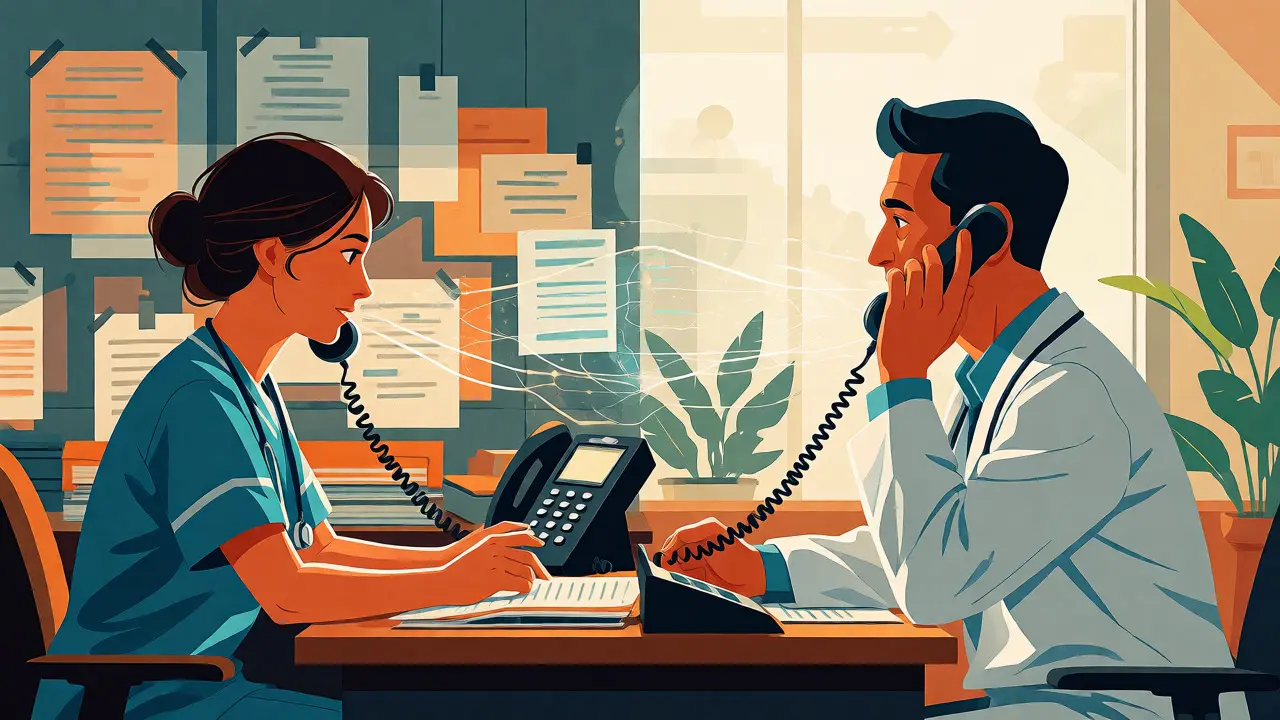
This is the game-changer. A "warm handoff" means direct conversation between the correctional nurse or case manager and the community provider. Not an email. A phone call.
Imagine this scenario: Nurse Sarah calls Dr. Lee at the local community clinic. She says, "I’m releasing John Doe tomorrow. He has Type 2 Diabetes and depression. His A1C was 8.5 last month. He’s scared he won’t make his appointment because he doesn’t have a car." Dr. Lee now knows who is walking in. He can flag the chart. He can prepare a specific treatment plan. He can even offer a telehealth option if transportation fails. This human connection reduces anxiety for the patient and increases accountability for the provider.
Insurance Alignment: Navigating the Coverage Cliff
Many states have implemented Section 1115 waivers to allow Medicaid to cover services during incarceration. However, the transition from "inmate" to "resident" is complex. Providers must ensure the patient is enrolled in a managed care organization (MCO) that includes the chosen community clinic in its network. Mismatched networks lead to denied claims and abandoned care.
| Model | Timing | Data Method | Patient Outcome |
|---|---|---|---|
| Passive Fax | Post-Release (Day 1+) | Scanned Documents | High rate of missed appointments; frequent ER visits. |
| Standardized Packet | Pre-Release (Week 1) | C-CDA/Electronic | Moderate improvement; depends on patient initiative. |
| Warm Handoff Protocol | Pre-Release (60 Days) | Direct Phone + Electronic | Lowest readmission; higher medication adherence. |
Practical Steps for Providers and Administrators
If you’re looking to improve your facility’s coordination, start small. Don’t try to overhaul the whole system overnight. Pick one pilot unit or one specific chronic condition, like hypertension, and test a new workflow.
Step 1: Build Your Community Network Map
Identify which community clinics accept your patient population. Do they take Medicaid? Do they specialize in behavioral health? Create a database of contacts-specifically names and direct lines, not general reception numbers. Knowing that Maria at Clinic X handles intake for reentry patients saves hours of hold music.
Step 2: Train Your Discharge Planners
Your nurses and social workers are the linchpins. They need training on:
- How to explain insurance gaps to patients clearly.
- What specific clinical details community providers request.
- Scripts for making warm handoff calls.
Role-playing these conversations helps. Many staff members feel awkward calling external providers, fearing they’re bothering them. Assure them that community clinics appreciate the heads-up. It helps them prepare.
Step 3: Leverage Technology Wisely
You don’t need expensive software. Simple tools work. Use shared calendars for appointment tracking. Use secure texting apps for quick updates between case managers and community liaisons. Some facilities use tablets to let patients video-call their new doctor before they leave. Seeing the face of the person they’ll meet reduces fear significantly.
Step 4: Follow Up After Release
Coordination doesn’t end at the gate. Assign a case manager to check in via phone or text at 7 days, 30 days, and 90 days. Did they attend the appointment? Did they pick up their meds? Are they experiencing side effects? This outreach catches problems early. If they missed the appointment, you can intervene before they drop out of care entirely.
Common Pitfalls to Avoid
Even well-intentioned programs stumble. Here are the traps I see most often in Portland and beyond.
The "One Size Fits All" Approach: Treating a young adult with asthma the same as an elderly man with heart failure and dementia is a mistake. Tailor the intensity of coordination based on risk. High-risk patients need weekly contact; low-risk patients might only need a single confirmation call.
Ignoring Social Determinants: Health is downstream of housing and food. If a patient is released to a shelter with no kitchen, telling them to cook low-sodium meals is futile. Coordination should include referrals to social services, not just medical ones. Partner with local organizations that provide food banks or transitional housing.
Underestimating Stigma: Patients often fear judgment from community providers. They worry that mentioning their incarceration will affect their care. Training community clinic staff on trauma-informed care is crucial. A welcoming attitude can mean the difference between a patient returning for their next checkup or disappearing for a year.
The Role of Policy and Funding
None of this works without resources. In many jurisdictions, funding for correctional health is separate from community health grants. This siloing creates bureaucratic hurdles. Advocacy is key. Push for integrated funding models that reward outcomes, such as reduced ER visits, rather than just volume of services.
Look at states like Oregon, which has invested heavily in coordinated care organizations (CCOs). These entities bring together hospitals, clinics, and social services under one umbrella. Correctional health systems that align with CCOs report smoother transitions. If your region has similar structures, plug into them. Attend their meetings. Understand their metrics. Speak their language.
Also, keep an eye on federal initiatives. The Second Chance Act and various CDC grants for infectious disease control in corrections provide funding streams specifically designed to support these types of coordination efforts. Apply for them. Write the grant proposals. Money follows priority.
Real-World Example: The Portland Model
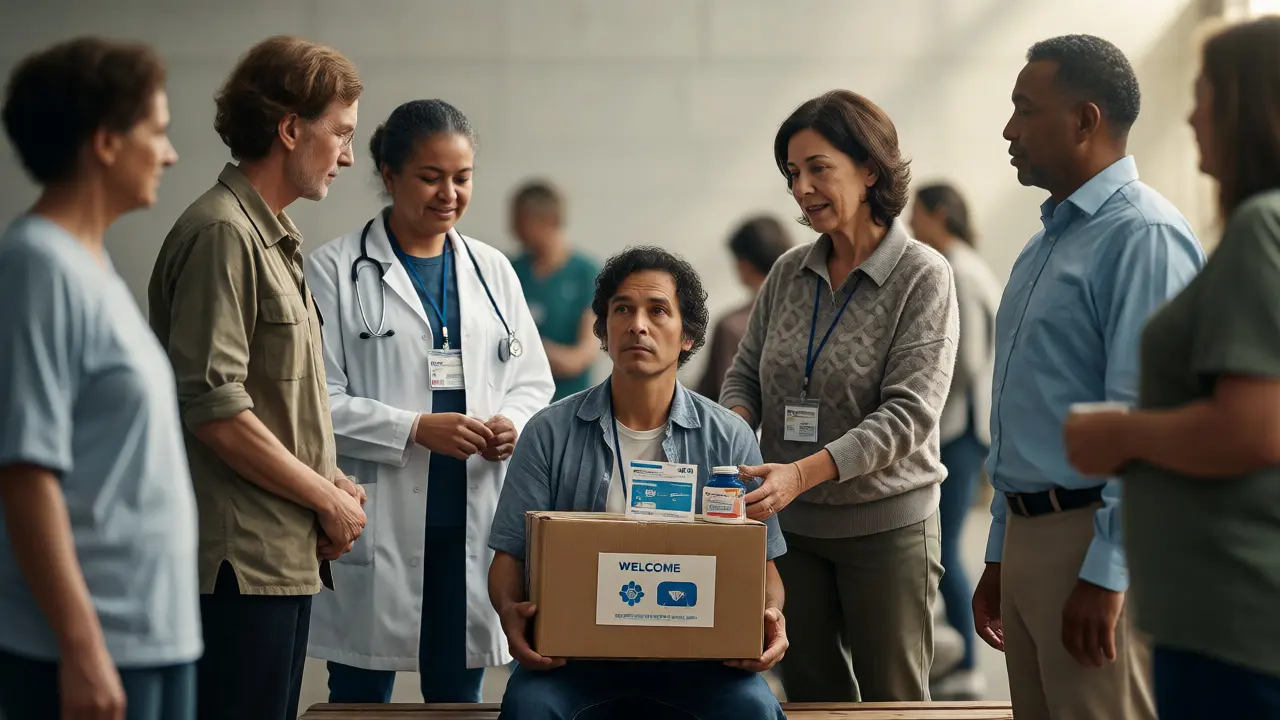
In Multnomah County, we’ve seen success with a model called "Bridge Care." Before release, a navigator meets with the patient. They review the medication list together. The navigator schedules the first appointment at a federally qualified health center (FQHC) known for serving justice-involved populations. On release day, the patient receives a "welcome kit" containing a bus pass, a printed map to the clinic, and a direct phone number for the navigator.
At 30 days, the navigator checks in. If the patient hasn’t been seen, the navigator calls the clinic. This simple loop reduced no-show rates by 40% in the pilot group. It wasn’t magic. It was just consistent, human-centered follow-through.
Another effective tactic is co-location. Some facilities allow community providers to conduct intake interviews inside the jail or prison. This builds trust before release. The patient sees the provider as a partner, not a stranger. When they walk into the clinic later, it feels familiar.
Measuring Success
How do you know if your coordination efforts are working? Track these metrics:
- Time to First Appointment: Target less than 7 days post-release.
- Medication Adherence: Check refill rates at 30 and 90 days.
- ER Visits: Compare pre- and post-coordination rates for the same cohort.
- Patient Satisfaction: Survey patients on whether they felt supported during the transition.
Don’t just count encounters. Count outcomes. Did the patient’s blood pressure stabilize? Did they stay out of custody? These are the real indicators of successful health coordination.
What is the biggest barrier to coordinating care between prisons and community clinics?
The biggest barrier is usually misaligned timelines and information silos. Facilities operate on strict security schedules, while clinics run on flexible but resource-constrained agendas. Additionally, electronic health record systems often don't communicate seamlessly, forcing reliance on slower methods like fax or phone, which leads to delays and lost data.
How far in advance should coordination begin before release?
Ideally, 60 to 90 days before release. This timeframe allows enough time to verify insurance eligibility, schedule a first appointment, reconcile medications, and build a relationship between the patient and the community provider. Starting earlier than this is beneficial for complex cases, but starting later than 30 days often results in rushed decisions and missed opportunities.
Do community clinics always accept patients recently released from prison?
Not always. While many Federally Qualified Health Centers (FQHCs) and public clinics serve this population, private practices may hesitate due to perceived complexity or billing issues. It's crucial to identify clinics with experience in justice-involved care. Building relationships with these specific providers beforehand ensures smoother acceptance and better understanding of the patient's unique needs.
What role does technology play in improving coordination?
Technology facilitates faster and more accurate data exchange. Using standardized electronic formats (like HL7 C-CDA) allows community EHRs to automatically ingest patient histories. Secure messaging platforms enable quick questions between providers. Telehealth options can also serve as a bridge if transportation is a barrier, allowing initial consultations to happen remotely before an in-person visit.
How can providers address the stigma patients feel when entering community clinics?
Providers can reduce stigma by training staff in trauma-informed care and creating welcoming environments. Clear communication about confidentiality and respect for privacy helps. Additionally, involving patients in the selection of their community provider, when possible, gives them a sense of agency. Positive, non-judgmental interactions during the first visit set the tone for long-term engagement.