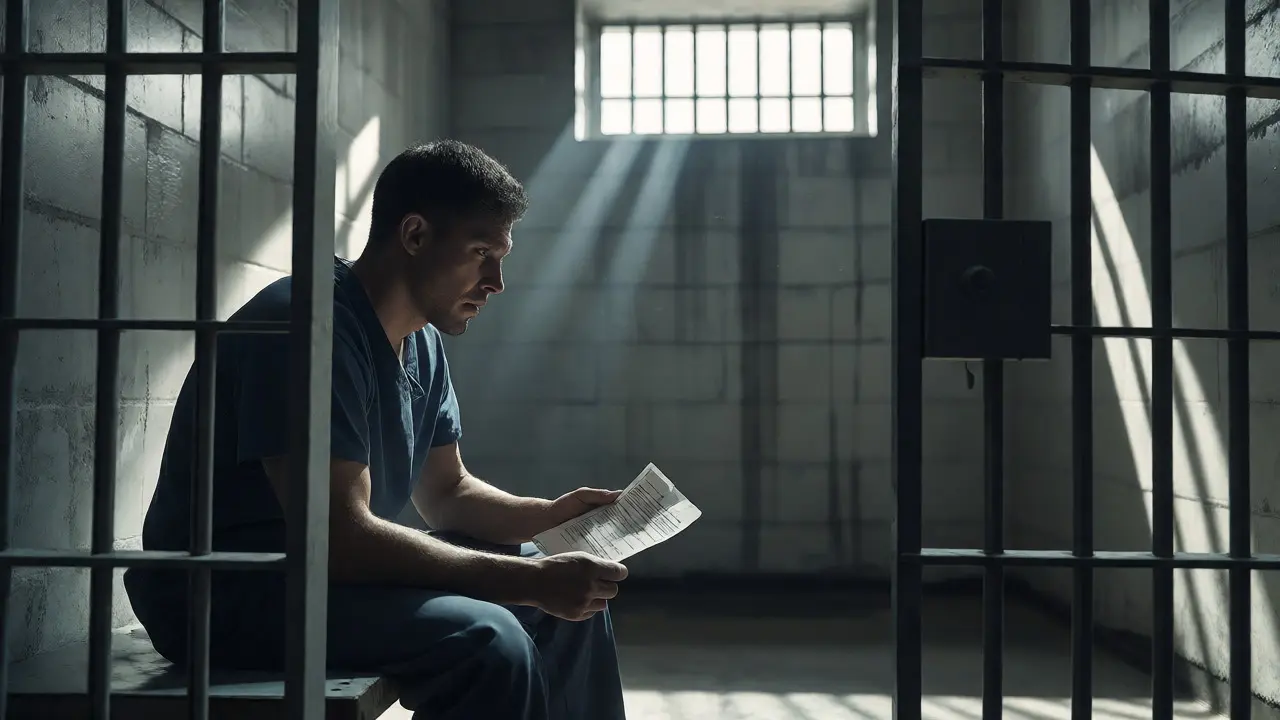
You are sitting in a cell that feels smaller than usual because you just got hit with a major misconduct write-up. The stakes? Loss of good-time credits, solitary confinement, or both. You might think the prison has all the power here, but they don't. They have to follow specific legal standards for due process before taking those privileges away. If they skip steps, the punishment can be thrown out. But what exactly counts as "enough" process in a prison setting? It is not the same as a criminal trial, and knowing where the line sits could save your freedom.
| Feature | Criminal Court | Prison Disciplinary Hearing |
|---|---|---|
| Right to Counsel | Guaranteed by Constitution | Generally no attorney; may have student/helper |
| Evidence Rules | Strict rules of evidence apply | Hearsay often allowed if reliable |
| Cross-Examination | Full right to cross-examine witnesses | Limited; hearing officer decides necessity |
| Standard of Proof | Beyond a reasonable doubt | Some evidence rule (very low threshold) |
The Foundation: Why Due Process Applies Inside Walls
Before we get into the nitty-gritty, you need to understand why these rules exist. For decades, prisons operated like closed fiefdoms. Wardens had absolute authority. Then came Wolff v. McDonnell, a landmark Supreme Court case from 1974. This decision changed everything. The Court ruled that while prisoners do not have full constitutional rights, they do retain certain procedural protections. Specifically, when a disciplinary action results in the loss of good-time credits or placement in solitary confinement, the state cannot act arbitrarily. The government must provide a fair chance to defend yourself. This isn't about coddling inmates; it's about preventing arbitrary power abuses that can lead to riots and legal chaos.
What Counts as "Major" Misconduct?
Not every infraction triggers high-level due process. If you fail to make your bed or talk back to a guard, you might get a minor ticket. These usually carry small penalties, like loss of recreation time or extra chores. In those cases, the prison only needs to give you basic notice and a chance to explain. But when the charge involves violence, drug possession, or escape attempts, the stakes rise dramatically. That is when the Wolff requirements kick in fully. You need to know which category your write-up falls into. Check your institution’s handbook. Most facilities divide offenses into Class A (major), Class B (intermediate), and Class C (minor). Only Class A violations typically require the full suite of procedural safeguards because they threaten substantial liberty interests.
The Four Pillars of Wolff Due Process
The Supreme Court laid out four specific things a prison must do to satisfy the Constitution in serious disciplinary cases. Miss one, and you have grounds for an appeal. Here is what they look like in practice:
- Written Notice: You must receive a written statement of the charges against you at least 24 hours before the hearing. This gives you time to prepare. A verbal heads-up isn't enough. The notice must be specific. Saying "you were disorderly" is vague. Saying "on October 3rd, you struck Officer Smith in the head" is actionable.
- Statement of Evidence: After the hearing, the decision-maker must provide a brief written statement outlining the evidence relied on and the reasons for the disciplinary action. They don't need to write a novel, but they must show their work. If the record says "guilty" with no explanation, that is a red flag.
- Impartial Decision-Maker: The person judging your case cannot be directly involved in the incident. If Officer Jones wrote the ticket and also presides over the hearing, that is a conflict of interest. The hearing officer should be someone neutral, often a staff member who wasn't present during the alleged event.
- Right to Assistance: You don't have a right to a lawyer, but you do have a right to help if you are illiterate or if the issues are too complex for you to handle alone. This could mean a fellow inmate or a law student volunteer helps you gather statements or understand the rules.
The "Some Evidence" Rule: A Low Bar to Clear
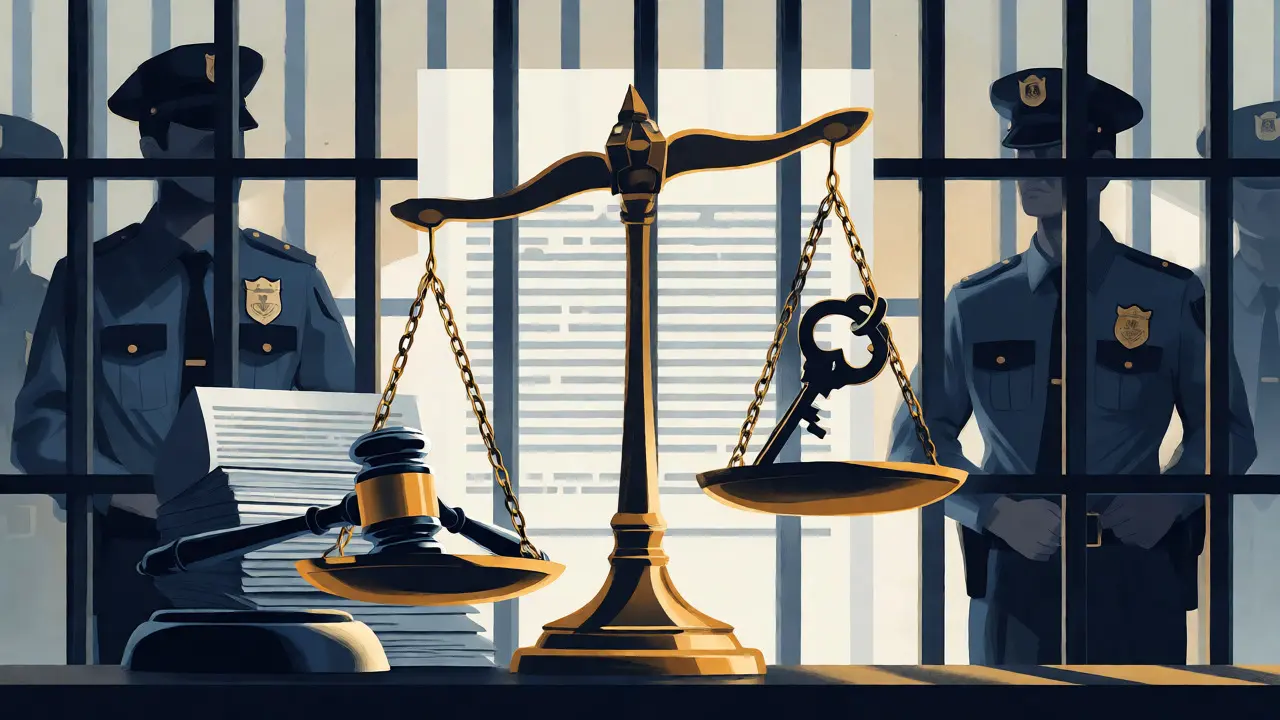
This is where many inmates get frustrated. You might think, "I didn't do it! There was no witness!" But under the some evidence standard, established in Superintendent v. Hill (1985), the court doesn't re-weigh the facts. They only ask: Is there any evidence in the record that supports the finding? Even a single credible piece of testimony from a correctional officer can meet this bar. It does not matter if you have ten witnesses saying you were elsewhere. If the hearing officer believes the guard, the conviction stands. This makes challenging the factual findings difficult. Your best strategy is usually attacking the procedure, not the truthfulness of the accusation.
When Can You Cross-Examine Witnesses?
In a courtroom, you can grill every witness. In prison, it's different. You generally have the right to call witnesses and present documentary evidence, but the hearing officer has discretion to deny calls if they deem them irrelevant or redundant. However, if the main evidence against you is a single guard's report, and you want to question that guard, the officer should allow it unless there is a valid security reason not to. If the hearing officer denies your request to cross-examine without stating a valid reason, that is a potential due process violation. Always ask for the denial to be noted in the record.
Common Pitfalls and How to Avoid Them
Many appeals fail because inmates miss deadlines or misunderstand the scope of review. Here are three common traps:
- Missing the Appeal Window: Most states give you 10 to 15 days to file an administrative appeal after the hearing decision. Do not wait. Once that window closes, you often lose your right to challenge the outcome entirely.
- Focusing on Innocence Instead of Procedure: As mentioned, courts rarely overturn decisions based on new evidence. Focus your appeal on whether the prison followed the Wolff steps. Did you get notice? Was the officer impartial? Did they provide a statement of reasons?
- Waiving Rights Unknowingly: Sometimes, signing a form saying you waive your right to call witnesses can backfire. Read every document before signing. If you don't understand something, ask for clarification or refuse to sign until you do.
State Variations and Local Rules
While Wolff sets the federal floor, individual states can offer more protection. Some states grant the right to counsel in disciplinary hearings involving significant loss of good time. Others require stricter timelines for notice. For example, California has specific regulations requiring detailed reporting of evidence. You need to check your specific Department of Corrections' administrative code. Don't assume the federal minimum is the only rule. Knowing your local statutes can reveal additional leverage points that federal law doesn't cover.
Next Steps If You Are Facing a Hearing
If you are currently facing a disciplinary board, take immediate action. First, request the evidence file used against you. Second, identify any exculpatory evidence, such as camera footage or logs showing you were in another location. Third, prepare a short, clear statement focusing on procedural errors if applicable. If the outcome is unfavorable, file your administrative appeal immediately. Document every interaction. Keep copies of all notices and decisions. If administrative remedies are exhausted, you may consider filing a petition for a writ of habeas corpus, though this requires meeting strict legal criteria regarding exhaustion of state remedies.
Do I have the right to a lawyer in a prison disciplinary hearing?
Generally, no. The Sixth Amendment right to counsel applies to criminal prosecutions, not internal prison disciplinary proceedings. However, some states or specific circumstances (like complex legal issues) may allow for assistance from a fellow inmate or a law student. You do not have a constitutional right to hire a private attorney for the hearing itself.
What happens if the prison fails to provide written notice?
Failure to provide adequate written notice at least 24 hours before the hearing is a violation of due process. This can be grounds for reversing the disciplinary decision. You should document the lack of notice and raise it in your administrative appeal.
Can hearsay evidence be used against me?
Yes. Unlike in criminal court, prison disciplinary hearings allow hearsay evidence. If a correctional officer testifies about what another officer saw, that is often admissible. The key is whether the evidence is reliable and meets the "some evidence" standard.
How long do I have to appeal a disciplinary decision?
This varies by state and facility, but typically ranges from 10 to 30 days. Check your institution's inmate handbook for the exact deadline. Missing this window usually means you forfeit your right to appeal administratively.
Does losing good-time credits count as a deprivation of liberty?
Yes. Under Wolff v. McDonnell, the loss of statutory good-time credits creates a protected liberty interest. Therefore, you are entitled to the minimum due process protections outlined in that ruling.