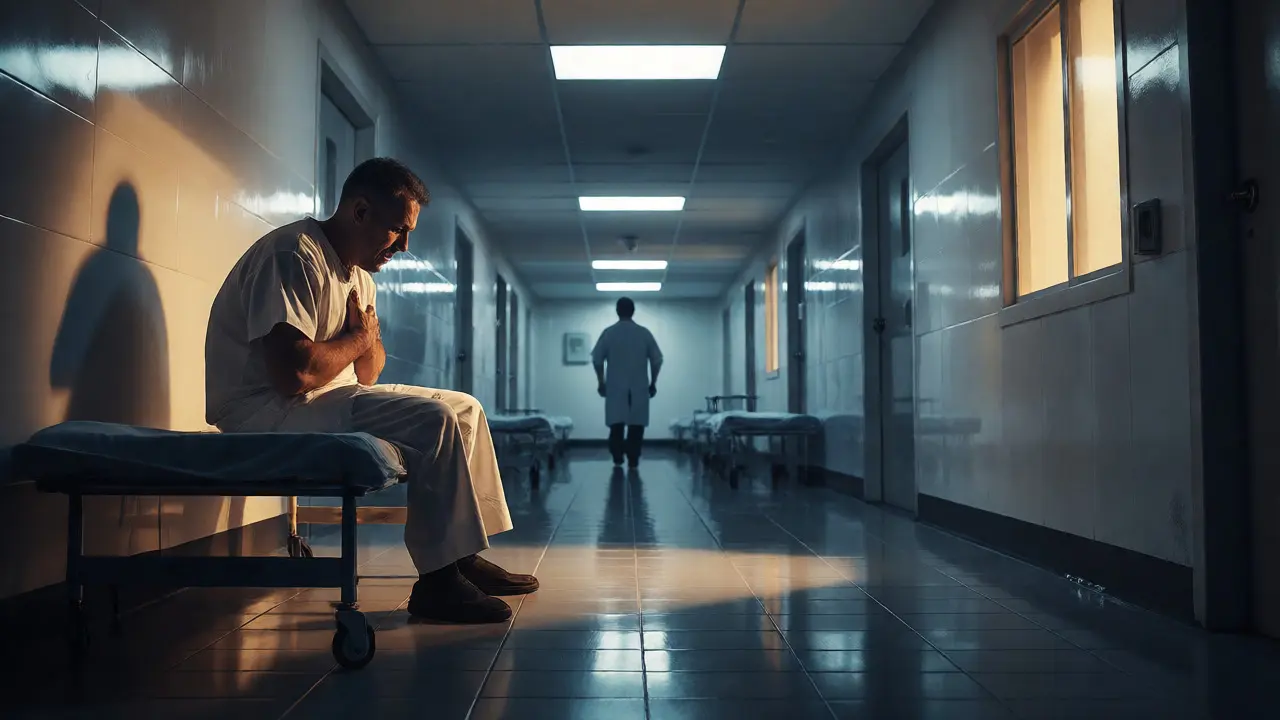
You might think that once a person is behind bars, their healthcare needs fall into a black hole. But the Special Litigation Section (SLS) of the U.S. Department of Justice exists to ensure that doesn't happen. This unit doesn't just watch from the sidelines; it actively investigates systemic failures in prisons and jails across the country. If you've ever wondered how bad conditions actually get fixed without waiting for a decade-long lawsuit, this is where the rubber meets the road.
The Hidden Power of Federal Oversight
Most people know about lawsuits filed by individual prisoners. But those cases are slow, expensive, and often focus on one specific injury. The Special Litigation Section operates differently. It looks at patterns. It asks: Is this happening to everyone? Is the system broken, or was this just one bad doctor? By investigating entire facilities, the SLS can force changes that protect thousands of inmates at once. This approach turns isolated complaints into broad policy shifts.
Think of it like building code inspections. You don't wait for a building to collapse to check the foundation. Similarly, the SLS uses data and site visits to spot risks before they become tragedies. When they find violations of the Eighth Amendment-which prohibits cruel and unusual punishment-they have leverage. That leverage comes from the threat of federal intervention, which most state corrections departments desperately want to avoid.
How Investigations Actually Work
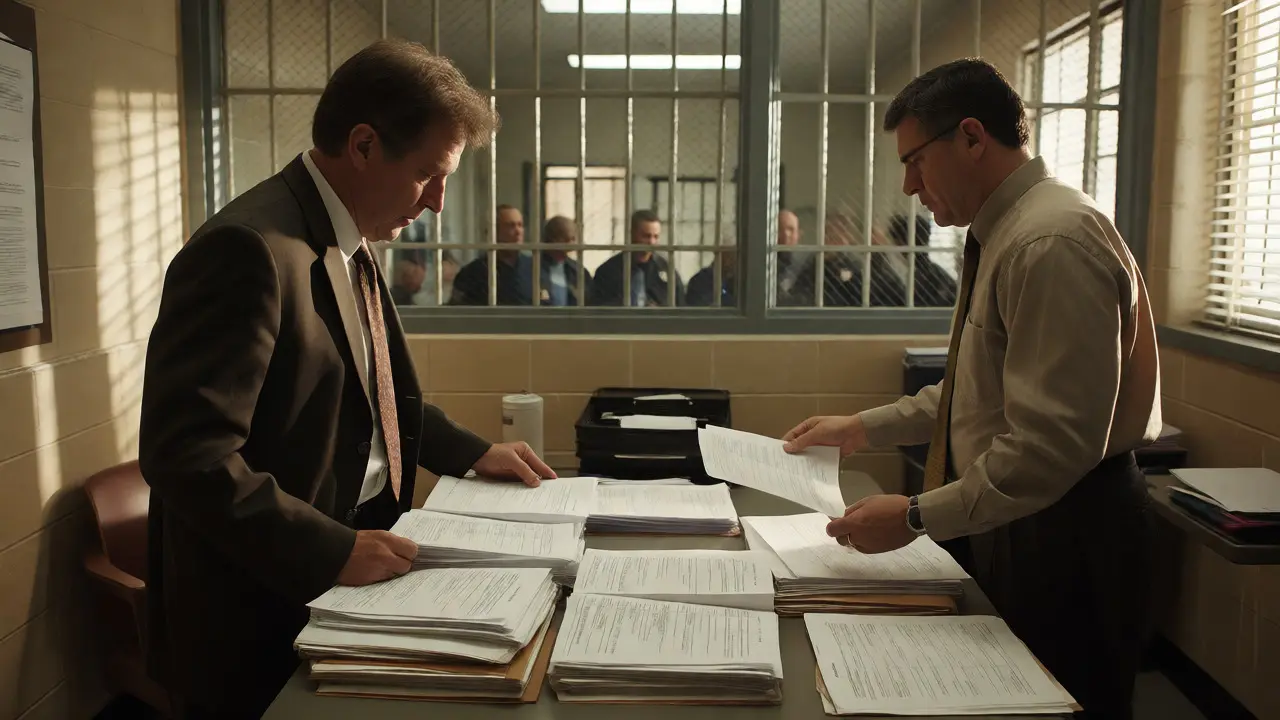
An investigation usually starts with a complaint. Maybe a family member reports poor medical care, or an internal whistleblower flags high death rates. The SLS then opens a formal inquiry. They don't just read paperwork; they visit the facility. Investigators talk to guards, doctors, and prisoners. They review medical records, staffing logs, and incident reports.
Here’s what they look for:
- Access to Care: Can inmates actually see a doctor when they’re sick?
- Quality of Treatment: Are prescriptions filled correctly? Are chronic conditions managed?
- Mental Health Support: Are suicidal inmates monitored properly?
- Use of Force: Is excessive force used against vulnerable populations?
If the findings show a pattern of neglect, the SLS issues a "Findings Letter." This isn't a court order yet. It’s a roadmap. It tells the prison exactly what’s wrong and what needs to change. Many facilities choose to negotiate a Consent Decree right then. A Consent Decree is a legally binding agreement overseen by a federal judge. It sets strict deadlines for improvements. If the prison fails to meet them, the DOJ can sue. And nobody wants to explain why they ignored a federal judge.
Real-World Impact on Medical Standards
Let’s look at concrete examples. In recent years, investigations into mental health care in county jails revealed shocking gaps. In some places, inmates waited weeks for psychiatric evaluations after attempting suicide. The SLS stepped in, and within two years, those same jails had dedicated mental health units and trained staff available 24/7. Why? Because the alternative-federal takeover of the jail’s operations-was too costly and politically damaging.
Physical health has seen similar gains. Before these interventions, dental care in many prisons was virtually nonexistent. Inmates would lose teeth simply because extraction was easier than filling cavities. After targeted investigations, several states updated their dental protocols. Now, basic restorative work is standard. This shift didn’t happen because prison administrators suddenly became compassionate. It happened because the legal risk of doing nothing outweighed the cost of hiring more dentists.
The Role of Data and Technology
Modern corrections rely heavily on data, and so does the SLS. They use electronic health record (EHR) audits to track treatment delays. For instance, if a facility claims they provide timely care but EHR logs show average wait times exceed 14 days for urgent issues, that discrepancy triggers deeper scrutiny. This data-driven approach removes guesswork. It makes arguments objective rather than anecdotal.
Technology also helps monitor compliance post-investigation. Independent monitors, appointed by courts, use software to track every step of the remediation plan. Did the prison hire the required number of nurses? Did they complete training modules? These systems generate real-time reports. If a metric slips, the monitor flags it immediately. This continuous feedback loop prevents backsliding, a common problem in past reforms where progress stalled once the media moved on.
| Feature | Individual Lawsuits | Special Litigation Section Investigations |
|---|---|---|
| Scope | Single inmate grievance | Systemic facility-wide patterns |
| Duration | Years to decades | Months to few years for resolution |
| Outcome | Monetary damages or specific relief | Consent Decrees and structural reform |
| Cost to Taxpayer | High litigation fees per case | Investment in infrastructure and staff |

Challenges and Limitations
It’s not all smooth sailing. The SLS is understaffed compared to the sheer number of correctional facilities in the U.S. There are over 3,000 local jails and hundreds of state prisons. The section can’t investigate them all. Prioritization is key. They focus on facilities with the worst indicators: high suicide rates, frequent riots, or consistent failure to provide basic hygiene.
Another hurdle is political will. State governors and sheriffs sometimes resist federal oversight, framing it as bureaucratic interference. They argue that local control is better. While local knowledge matters, history shows that without external pressure, corners get cut. Budgets shrink during economic downturns, and inmate healthcare is often the first line item to suffer. The SLS acts as a counterweight to these cyclical budget cuts.
Also, consent decrees can be rigid. Sometimes, the prescribed solutions don’t fit the unique culture of a specific jail. A one-size-fits-all mandate might ignore local resource constraints. Successful reforms require collaboration, not just command-and-control. The best outcomes happen when prison leadership embraces the changes as necessary for long-term stability, not just as a way to avoid fines.
Why This Matters Beyond Prison Walls
Critics often ask why taxpayers should fund better care for inmates. The answer is public safety. Poor health in prison leads to worse health upon release. If an inmate leaves with untreated hepatitis C or unmanaged diabetes, they return to communities already strained by limited healthcare access. This creates a revolving door of illness and incarceration.
Moreover, humane treatment reduces violence inside facilities. Staff turnover drops when working conditions improve. Guards face fewer assaults when inmates’ basic needs are met. This lowers operational costs for the prison itself. So, while the initial investment in compliance seems high, the long-term savings in litigation, staff recruitment, and emergency medical services often offset it.
The Special Litigation Section serves as a crucial watchdog in our democracy. It ensures that constitutional rights don’t evaporate at the prison gate. Through rigorous investigation and strategic enforcement, it drives tangible improvements in correctional care. These changes save lives, reduce costs, and uphold the principle that dignity is not a privilege reserved for the free.
What is the Special Litigation Section?
The Special Litigation Section (SLS) is a unit within the Civil Rights Division of the U.S. Department of Justice. Its primary mission is to investigate allegations of systemic misconduct and constitutional violations in state and local law enforcement agencies, including prisons and jails.
How does a Special Litigation Section investigation start?
Investigations typically begin with complaints from individuals, advocacy groups, or internal reports. The DOJ reviews these allegations to determine if there is reasonable cause to believe a pattern or practice of constitutional violations exists. If so, they open a formal investigation.
What happens if a prison fails a DOJ investigation?
If the DOJ finds violations, it issues a Findings Letter detailing the deficiencies. The prison can then negotiate a Consent Decree, a court-enforced settlement requiring specific reforms. If no agreement is reached, the DOJ may file a lawsuit seeking injunctive relief to force changes.
Do investigations only cover medical care?
No. While medical and mental health care are major focuses, the SLS also investigates excessive use of force, sexual abuse, overcrowding, and inadequate conditions of confinement such as sanitation and food quality.
Are Consent Decrees permanent?
No, Consent Decrees are temporary agreements. They remain in effect until the prison demonstrates sustained compliance with all terms, verified by independent monitors. Once compliance is proven, the decree is lifted, though ongoing monitoring may continue informally.