You’re in a cell. The guard just walked by, ignored your request for medical help after you fell, or maybe worse, used excessive force during a routine check. What do you do? You can’t exactly call your lawyer from the yard. You can’t file a lawsuit tomorrow morning because you don’t have access to a court clerk. Your first real line of defense isn’t a courtroom-it’s a piece of paper called a prison grievance. It is the mandatory administrative process inmates use to report issues like unsafe conditions, staff misconduct, and violations of constitutional rights.
But here’s the catch: if you mess up this paperwork, you might lose your right to sue later. Courts often require "exhaustion of administrative remedies," meaning you must try to fix it inside the prison system before asking a judge to intervene. This guide breaks down how to raise safety and abuse claims effectively through that system, ensuring your voice is heard and your legal options stay open.
Why the Grievance Process Matters More Than You Think
Many inmates view the grievance form as a bureaucratic hurdle-a box to check so they can eventually get out or see a doctor. That’s a dangerous mistake. In the eyes of federal law, specifically the Prison Litigation Reform Act (PLRA), which was enacted in 1996, you generally cannot bring a civil action under 42 U.S.C. § 1983 regarding prison conditions unless you have exhausted available administrative remedies.
Think of the grievance process as building an evidentiary record. When you write down that Officer Smith hit you on March 12th at 2:00 PM, and you submit that within the required timeframe, you create a timestamped document. If you wait three months and then try to tell a judge about it, the judge will ask why you didn’t report it immediately. If you didn’t, the claim looks weak or fabricated. By filing properly, you preserve the timeline and the details while memories are fresh and witnesses are still around.
Identifying Valid Safety and Abuse Claims
Not every complaint qualifies as a "safety" or "abuse" claim suitable for high-priority review. Prisons handle thousands of grievances about bad food or broken TVs. To stand out, your claim needs to address specific legal standards. There are two main categories you need to understand:
- Eighth Amendment Violations: This covers cruel and unusual punishment. For adult prisoners, this includes deliberate indifference to serious medical needs, excessive use of force, and failure to protect from violence (either by other inmates or staff).
- Fourteenth Amendment Violations: This applies primarily to pretrial detainees (people awaiting trial). Since they haven’t been convicted, they retain more rights. Any punishment imposed without due process can be challenged here.
For example, if a guard denies you insulin for diabetes until your blood sugar crashes into a coma, that’s likely deliberate indifference. If a guard tackles you for talking back when you were already compliant, that’s potentially excessive force. But if a guard yells at you? That’s usually not actionable. Focus your energy on incidents that threaten your physical integrity or basic human dignity.
The Step-by-Step Grievance Procedure
Every state department of corrections and the Federal Bureau of Prisons has its own manual. However, the core steps remain similar. Missing a step or a deadline is the most common reason cases get dismissed.
- Informal Resolution: Most systems require you to talk to a supervisor first. Go to the unit manager or captain. Say, "I want to report an incident involving Officer Jones." Note the date, time, and their response. If they fix it, great. If they ignore you or deny it, move to the next step.
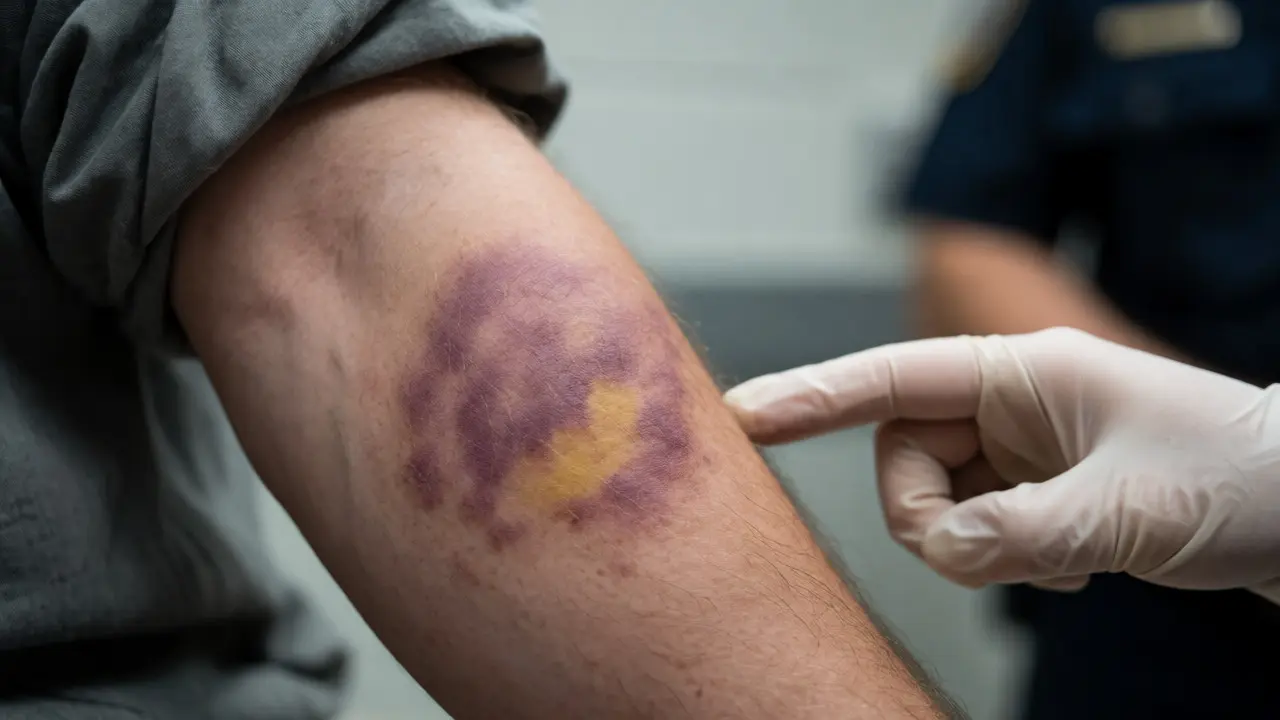
- Filing the Formal Grievance: Get the official form (often called CDCR 602 in California, or BP-9 in the Federal system). Fill it out clearly. Who, what, where, when, and why. Attach any evidence-photos of injuries, witness statements if allowed, medical records if you have copies.
- Submission Deadlines: This is critical. Many states require filing within 15 to 30 days of the incident. Check your facility’s handbook immediately. If you miss the window, you must explain why (e.g., you were in solitary confinement and couldn’t access forms).
- First Level Review: A designated official reviews your claim. They can grant relief, deny it, or dismiss it for procedural errors.
- Appeals: If denied, you appeal to a higher authority (Warden, Regional Director, Central Office). Each level has its own strict deadlines, often 10-15 days. You must exhaust all levels before going to court.

Drafting Effective Statements
Vague complaints get vague results. Compare these two statements:
| Weak Statement | Strong Statement |
|---|---|
| "The guards are mean and beat me up last week." | "On October 12, 2026, at approx. 14:00 hours in Cell Block C, Correctional Officer Miller struck me with a baton across my left arm while I was handcuffed and compliant. This resulted in visible bruising documented by Nurse Lee." |
| "It’s too cold in here and I’m sick." | "The heating in Unit 4 has been non-functional since November 1, 2026. Temperatures have dropped below 50°F. I submitted maintenance requests on Nov 2 and Nov 5. No repair has occurred despite multiple visits by Maintenance Tech Davis." |
Notice the difference? The strong statement includes dates, names, locations, specific actions, and references to documentation. It removes emotion and focuses on facts. Avoid words like "harassment" or "cruelty" unless you define them with actions. Let the facts speak for themselves.
Handling Retaliation and Delays
A common fear among inmates is retaliation. Will filing a grievance against a powerful sergeant make your life harder? Sometimes, yes. Guards might transfer you, deny privileges, or increase scrutiny. Document everything. If you notice changes in treatment immediately after filing, note them in subsequent grievances.
Delays are another tactic. Some facilities let grievances sit for months. Don’t panic. Keep copies of every submission. If the administration exceeds their own policy timelines (e.g., promising a decision in 30 days but taking 90), cite this delay in your appeal. In federal court, unreasonable delays can sometimes count as constructive exhaustion, meaning you tried your best, and the system failed you.
When to Seek Legal Help
You don’t always need a lawyer to file a grievance, but you should consider one if:
- Your injury is severe or permanent.
- The grievance is repeatedly denied without explanation.
- You suspect systemic issues affecting many inmates.
- You are approaching the statute of limitations for filing a lawsuit (often 2-3 years depending on the state).
Legal aid organizations and nonprofit groups specializing in prisoners’ rights can help review your grievance drafts before you submit them. They know the local judges and what language resonates in your jurisdiction.
Common Pitfalls to Avoid
Even well-intentioned inmates lose cases due to simple errors. Watch out for these traps:
- Missing Signatures: Unsigned grievances are automatically void.
- Wrong Form: Using a generic letter instead of the official grievance form may result in rejection.
- Combining Issues: Don’t mix a medical claim with a property damage claim in one grievance. File separate ones. Mixing them confuses the reviewer and dilutes both claims.
- Losing Copies: Always keep a carbon copy or photo of your submission. If the prison loses it (which happens), you have proof you filed.
Next Steps After Exhaustion
Once you’ve gone through every internal appeal level and received a final denial, you’ve "exhausted your remedies." Now, you can file a federal lawsuit. Bring your entire grievance packet to your attorney. It serves as the roadmap for your case. Without it, you start from zero.
Raising safety and abuse claims isn’t just about venting frustration. It’s a strategic legal maneuver. Do it carefully, do it quickly, and do it thoroughly. Your future freedom and health may depend on those few pages of paper.
Can I file a grievance anonymously?
Generally, no. Most prison grievance systems require your name and inmate number to track the case and verify standing. While some facilities allow anonymous tips about general corruption, formal claims for personal injury or abuse typically require identification so the administration can investigate and provide relief to the specific individual affected.
What if I miss the grievance deadline?
If you miss the deadline, you must provide a valid excuse, such as being in lockdown, hospitalized, or unable to obtain forms due to administrative error. Simply forgetting is rarely accepted. If the initial reviewer rejects your late filing, appeal immediately and include evidence supporting your reason for the delay.
Do I need a lawyer to file a prison grievance?
No, you do not need a lawyer to file the initial grievance. The process is designed to be accessible to inmates without legal representation. However, consulting with a lawyer or legal aid clinic before filing can help ensure your claim is framed correctly to meet legal standards, especially for complex constitutional violations.
How long does the grievance process take?
Timelines vary by institution. Initial responses often take 30-60 days. Appeals can add several months. In total, exhausting administrative remedies can take six months to over a year. Patience is required, but persistent follow-up within allowed limits is necessary to prevent stalling.
What counts as 'excessive force'?
Excessive force occurs when officers use more physical strength than reasonably necessary to restore order or maintain security. Factors include the severity of the threat, whether the inmate was resisting, and whether less intrusive methods were available. Minor pushes during compliance may not qualify, but striking a restrained inmate usually does.