
When someone is locked up, change doesn’t happen just because they’re told to stop breaking the law. Many incarcerated people know they’ve made bad choices-but they also feel stuck, hopeless, or angry. That’s where motivational interviewing comes in. It’s not about lecturing, shaming, or forcing change. It’s about helping people find their own reasons to change-and that makes all the difference.
Why Traditional Approaches Fail in Prison
Most correctional programs assume that if you give someone enough rules, consequences, or lectures, they’ll change. But that’s not how human behavior works. Think about it: if telling someone "don’t use drugs" worked, we wouldn’t have 60% of incarcerated people with substance use disorders. Studies show that when correctional staff use direct confrontation or punishment, resistance goes up. People shut down. They stop listening. They might even act out more. This isn’t about being soft. It’s about being smart. Motivational interviewing (MI) was built for people who are ambivalent-people who know they should change but don’t believe they can, or don’t think it’s worth it. In prison, that’s almost everyone.What Is Motivational Interviewing? (And How It’s Different)
Motivational interviewing isn’t therapy in the traditional sense. It’s a conversation style. Developed in the 1980s for addiction treatment, it’s now used everywhere from hospitals to probation offices. In corrections, it works because it follows four core principles:- Express empathy-listen without judgment. People change when they feel understood, not judged.
- Develop discrepancy-help them see the gap between where they are and where they want to be. "You say you want to be a father again. How does using drugs help with that?"
- Avoid argumentation-if you push too hard, they push back. MI avoids power struggles.
- Support self-efficacy-help them believe they can change. Not because someone told them to, but because they’ve seen proof in themselves.
One study in New Zealand prisons gave 38 high-risk offenders just five 20-minute MI sessions. At the end, their motivation to change jumped. And six months later? That motivation was still there-even though they hadn’t been released yet. That’s rare. Most programs only show short-term results.
How MI Works in Real Correctional Settings
Let’s say an inmate is on probation for driving while intoxicated. He’s been arrested three times. His counselor doesn’t start with a lecture. Instead, they ask:- "What do you think happened the last time you got pulled over?"
- "How do you want your kids to remember you?"
- "What would have to be true for you to stop drinking before driving?"
These aren’t tricks. They’re designed to help the person talk themselves into change. Research shows that when people say things like "I should stop" or "I don’t want to go back to jail," they’re more likely to follow through. That’s called "change talk." MI helps bring it out.
A meta-analysis of 72 studies found that MI outperforms traditional advice-giving across the board. Even 15-minute sessions had lasting effects in 64% of cases. When people had five or more sessions? That number jumped to 85%. In prison, where time is limited and trust is low, that’s huge.
MI Works Best With the Most Resistant
Here’s the surprising part: MI doesn’t just help people who are ready to change. It works best with those who are the most resistant. That’s exactly who needs it most.One study focused on men with antisocial personality disorder-often seen as "untreatable." The group that got MI showed bigger improvements than those who didn’t. Another study looked at domestic violence offenders. Those who received MI stayed in treatment 30% longer than those who got standard counseling. And they were 1.79 times less likely to report violence afterward.
Why? Because MI doesn’t try to fix people. It helps them fix themselves. It meets them where they are. A man who says, "I don’t need help," might not be ready to change-but he might be ready to talk about why he thinks that way. And that conversation? That’s the first step.
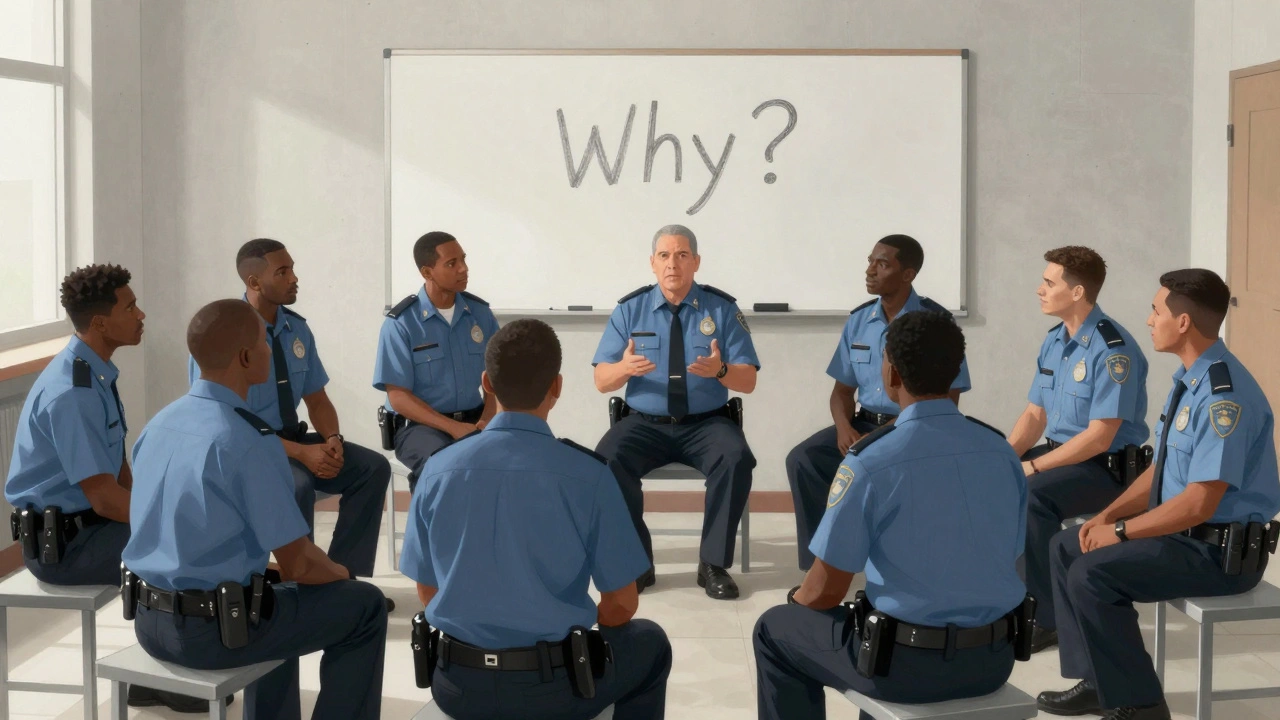
Training Officers to Use MI-It Actually Works
You can’t just hand someone a pamphlet and expect them to use MI. It takes training. But when correctional officers got trained, the results were clear:- Knowledge of MI increased significantly.
- Skill in using MI techniques jumped.
- Officers reported higher confidence in using it.
One study found that after training, officers showed a median increase in MI skills with a statistical effect size so strong it was almost impossible to ignore. That’s not luck. That’s skill transfer. And when officers use MI well, inmates respond. They show up to more sessions. They stay in treatment longer. They start talking about their goals.
What MI Can-and Can’t-Do
MI isn’t magic. It won’t erase a criminal record. It won’t fix poverty or trauma overnight. But it does something critical: it opens the door.Here’s what it does well:
- Increases motivation to enter substance abuse treatment
- Reduces dropout rates from rehabilitation programs
- Improves attendance-participants went to 3.82 more sessions on average
- Boosts readiness to change, even in people who say they don’t care
- Works in short sessions (15-30 minutes)
Here’s what it doesn’t do:
- Replace therapy for severe mental illness
- Substitute for structural change (housing, jobs, family support)
- Work if delivered poorly
Effectiveness depends on fidelity. If an officer just goes through the motions-asking questions but not listening-MI fails. But when done right? The numbers don’t lie.
The Bigger Picture: MI as Part of Real Rehabilitation
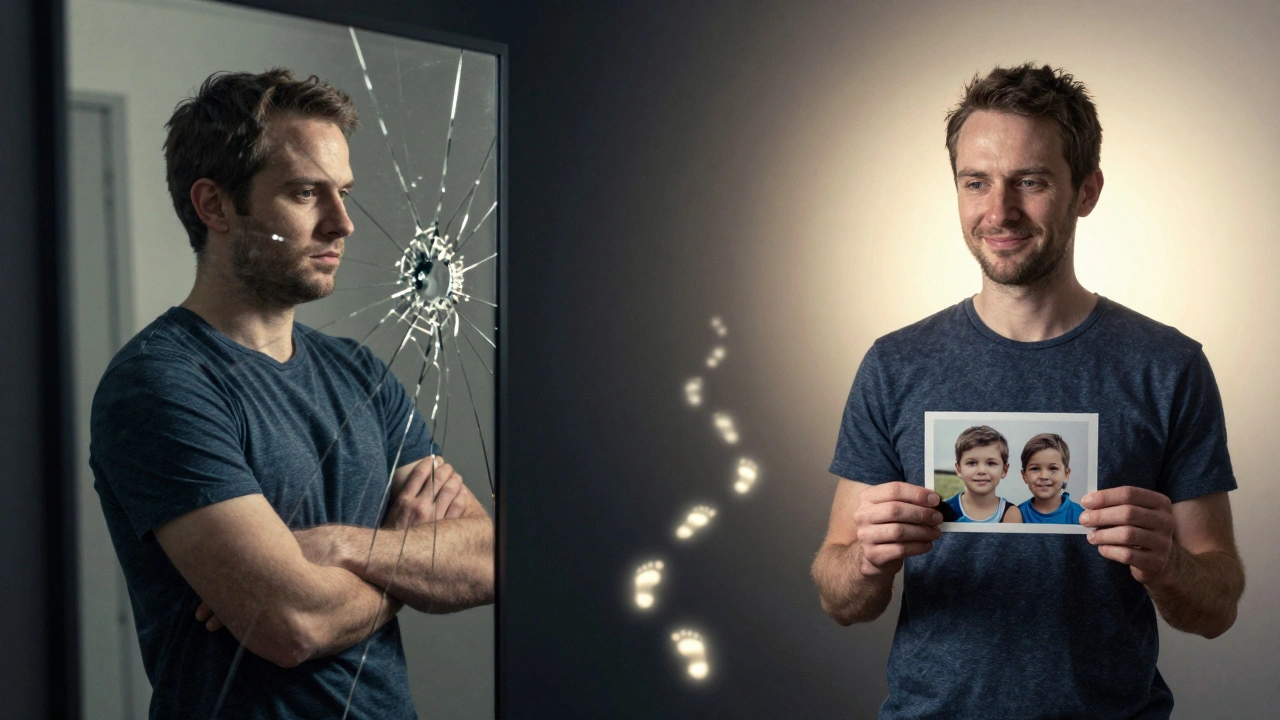
Motivational interviewing isn’t just about drugs or crime. It’s about identity. Many incarcerated people don’t see themselves as someone who can change. They’ve been told they’re bad, dangerous, or broken. MI helps them rebuild that sense of self.When someone starts talking about wanting to get a GED, find a job, or be there for their kid, that’s not just behavior change. That’s identity change. And that’s what lasts.
Prisons don’t need more rules. They need more conversations. MI gives staff the tools to have those conversations-without power, without pressure, without punishment. And that’s how real change begins.