
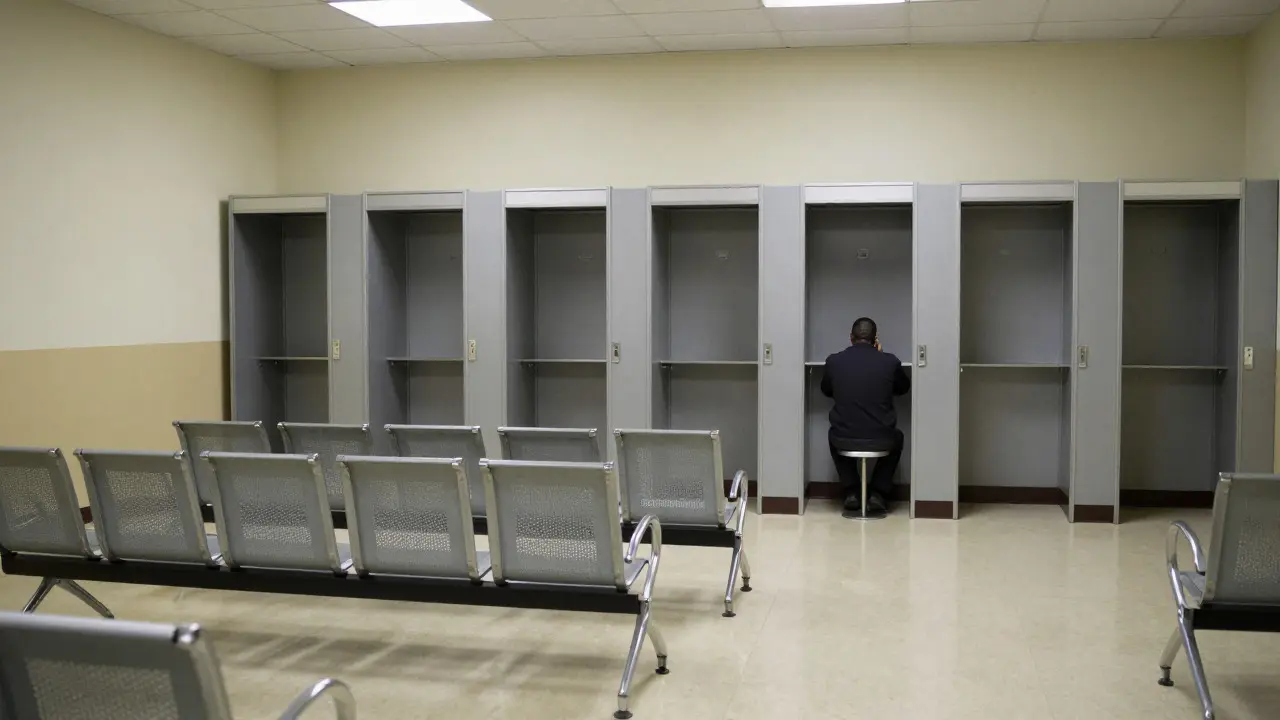
Imagine trying to explain a legal appeal to your lawyer in a foreign language while sitting in a concrete cell, paying $0.15 per minute for the privilege. For hundreds of thousands of incarcerated individuals across the United States, this isn't a hypothetical scenario; it is their daily reality. International communication from prisons is a complex system of regulated phone services that allows inmates to contact family and legal counsel abroad, often hindered by high fees, limited language support, and strict facility policies. While domestic calls have seen some regulatory scrutiny, international lines remain a gray area where cost and accessibility collide with basic human connection.
The core problem is simple: money talks, but it doesn't always listen. Inmates are not just paying for airtime; they are paying a premium for the infrastructure that keeps them connected to a world outside the walls. If you are a family member waiting on the other end of the line, or an advocate trying to understand why these connections fail, the mechanics behind these calls matter more than most people realize.
The Economics of Distant Voices
Let’s look at the numbers first, because they tell the story better than any policy document can. A standard domestic call within the US might cost between $0.05 and $0.10 per minute. Cross the border, and that price jumps. International calls to countries like Mexico, Canada, or even European nations can range from $0.15 to over $0.30 per minute, depending on the carrier and the destination.
For an inmate earning minimum wage-or less-this adds up fast. Consider a typical monthly budget. An inmate working in a prison kitchen might make $0.50 an hour. After taxes and mandatory deductions, take-home pay is often under $100. Now, factor in the commissary is the internal prison store where inmates purchase personal items, toiletries, and snacks with earned wages. A pack of gum, soap, or a prepaid card can eat into that thin margin quickly.
- Average Domestic Call Cost: $0.05 - $0.10/min
- Average International Call Cost: $0.15 - $0.30+/min
- Typical Monthly Take-Home Pay: $50 - $100
- Commissary Essentials (Soap, Toothpaste): $10 - $20/month
This creates a direct trade-off. Do you buy hygiene products to maintain dignity, or do you save every cent for a ten-minute call to a parent in another country? It’s a choice that shouldn’t exist, yet it defines the lives of many non-citizens and those with transnational families.
Language Barriers Beyond the Line
Cost is only half the battle. The other half is comprehension. Many facilities offer phone cards or collect call options, but rarely do they provide translation services during the call itself. If an inmate speaks Spanish, Mandarin, or Arabic, and their family member speaks English (or vice versa), the conversation becomes fragmented.
This gap affects more than just casual chats. It impacts legal proceedings. When an inmate needs to discuss bail, sentencing, or parole with a lawyer who operates in a different language, the lack of real-time interpretation can lead to misunderstandings. Unlike courtrooms, where certified interpreters are required, prison phone booths are silent zones. No one is there to bridge the linguistic divide.
Facilities sometimes rely on "language access" policies, but these are often vague. They might state that "reasonable efforts" will be made, which in practice means nothing. There is no standardized protocol for multilingual communication in correctional settings. This leaves inmates dependent on the patience of their listeners and the clarity of their own speech through low-quality handset speakers.

Facility Policies and Technical Limits
It’s not just about what the phone company charges; it’s about what the prison allows. Each state, and often each individual facility, has its own rules regarding outgoing calls.
- Call Duration Caps: Many facilities limit calls to 15 or 30 minutes. Once the timer hits zero, the line cuts. No extensions, no grace periods.
- Time Zones: Scheduling a call to align with both time zones is difficult. If an inmate is in Oregon and their family is in Vietnam, finding a window that works for both without burning through the entire credit balance is a logistical puzzle.
- Phone Card Restrictions: Some prisons only accept specific brands of prepaid cards. If the card expires or runs out mid-call, the connection drops instantly.
- Monitoring: Calls are monitored for keywords. Saying certain words can trigger a review, adding anxiety to the interaction.
These technical and administrative limits create friction. They turn a simple act of checking in on a loved one into a high-stakes operation requiring precise planning. Miss your slot, and you wait another week. Run out of credit, and you’re cut off until payday.
The Role of Commissary and Alternative Channels
When phone calls fail, inmates turn to alternatives. The inmate store plays a surprising role here. While primarily for goods, it also serves as a hub for information. Sometimes, letters are cheaper than calls, but they are slower. Writing a letter takes time, postage costs money, and delivery can take weeks. In an era of instant messaging, this feels archaic, yet for many, it remains the only viable option for long-form communication.
Some facilities allow video visits, but these are rare for international contacts due to bandwidth costs and scheduling complexity. Video requires stable internet, which is expensive in rural or remote prison locations. Even when available, the latency can make conversation awkward, especially if language barriers already exist.
| Method | Cost Estimate | Speed | Language Support | Limitations |
|---|---|---|---|---|
| International Phone Call | $1.50 - $3.00 / 10 min | Real-time | None built-in | High cost, time caps |
| Domestic Phone Call | $0.50 - $1.00 / 10 min | Real-time | None built-in | Limited to US/Canada/Mexico usually |
| International Letter | $1.00 - $2.00 / envelope | 1-4 weeks | Written (Self-interpreted) | Slow, no feedback loop |
| Video Visit | $5.00+ / session | Real-time | None built-in | Scheduling conflicts, tech issues |
Navigating the System: Practical Tips
If you are on the receiving end of these calls, or helping an inmate navigate this landscape, a few practical strategies can help mitigate the pain points.
- Pre-load Credit Strategically: Don’t send small amounts frequently. Larger deposits often reduce per-minute rates slightly or avoid activation fees. Check the specific facility’s rate card online before sending money.
- Use Collect Calls Wisely: If the inmate has no funds, a collect call places the burden on the receiver. Ensure you know the number and have the funds ready. Note that international collect calls are harder to set up and may require calling a third-party service.
- Write Down Key Points: Due to poor audio quality and language gaps, keep conversations short and structured. Write down questions beforehand so nothing is forgotten when the timer starts ticking.
- Check Time Zone Differences Daily: Daylight Saving Time changes can throw off schedules. Use a shared calendar app to mark safe calling windows.
- Explore Non-Profit Assistance: Organizations like the National Prison Project or local legal aid groups sometimes offer resources for transnational families, including guidance on how to file complaints about excessive fees.
Frequently Asked Questions
How much does an international prison call cost?
Costs vary by facility and destination, but typically range from $0.15 to $0.30 per minute. A 10-minute call could cost between $1.50 and $3.00. Always check the specific prison's rate sheet, as some facilities add connection fees.
Can prisoners use translation services during calls?
Generally, no. Most prison phone systems do not include built-in translation. Inmates must rely on the language skills of the person on the other end or arrange for a separate interpreter if legally necessary, which is rare for routine family calls.
What is the best way to send money for international calls?
Using the prison's official online deposit portal or authorized kiosk vendors is usually the fastest method. Avoid third-party wire transfers unless specified, as they may take longer to post to the inmate's account. Prepaid phone cards accepted by the facility are also an option, but check expiration dates carefully.
Are there limits on how long international calls can last?
Yes. Most facilities impose hard caps, often between 15 and 30 minutes. Once the limit is reached, the call ends automatically. There is usually no way to extend the call without starting a new one, which may incur additional connection fees.
Do all prisons allow international calls?
Most federal and state prisons allow international calls, but policies vary. Some lower-security facilities may restrict calls to domestic numbers only. High-security or special management units might have stricter controls. Always verify with the specific institution's visitor guide or communications office.