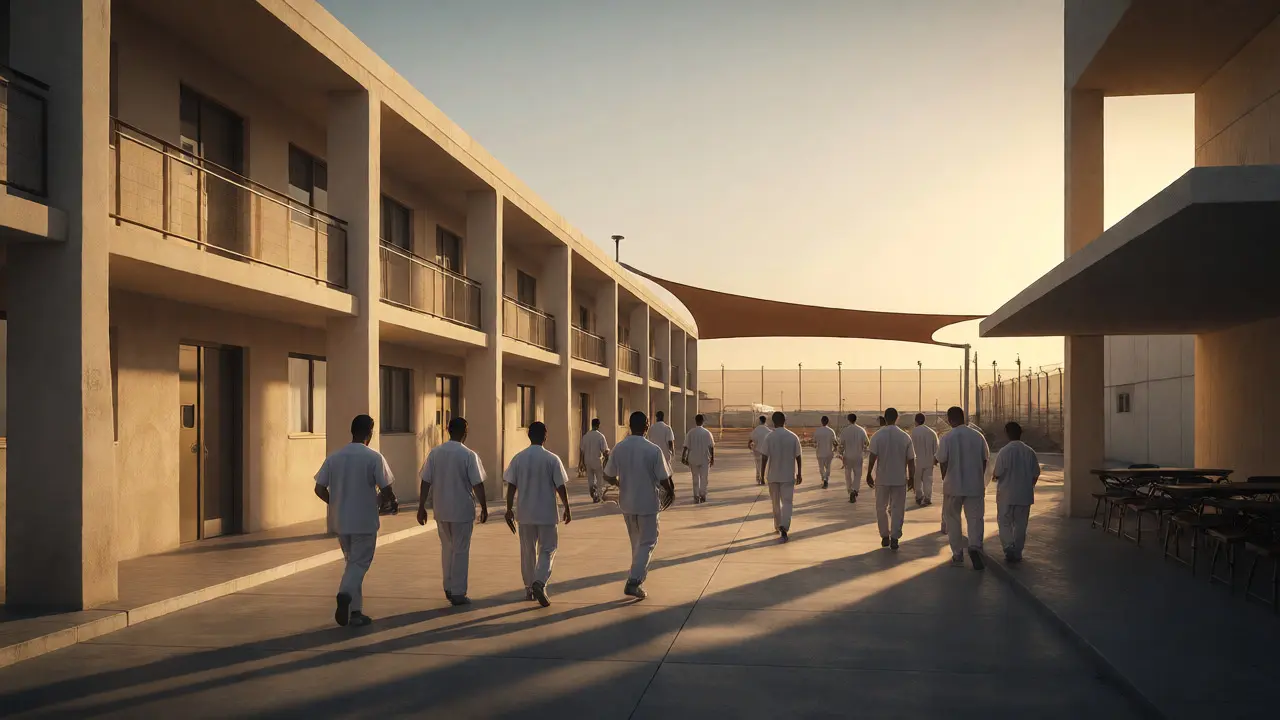
You might picture prison as a place of idleness, but for those in minimum custody facilities, it is often more like a low-wage workforce camp. The difference between sitting in a cell all day and working outside depends entirely on how the system classifies you. It’s not just about your sentence length; it’s about behavior, risk assessment, and what jobs are available when you arrive.
If you or someone you know is facing incarceration, understanding how inmate classification works can change the entire experience. Minimum custody isn't just a label-it determines where you sleep, who you live with, and whether you spend your days doing laundry or clearing brush along a highway. Let’s break down how these assignments happen and what opportunities actually exist inside.
How Prison Classification Works
When an individual enters the corrections system, they aren’t immediately thrown into a general population block. First, they go through intake. This is where the real sorting begins. Correctional officers and case managers review the criminal history, current charges, and any prior disciplinary records. They use this data to assign a security level. Think of it as a risk scorecard.
The goal here is twofold: keep dangerous individuals contained and save money by housing lower-risk offenders in cheaper, less restrictive environments. Security levels typically range from maximum (high security) to minimum (low security). If you’re placed in minimum custody, it usually means you have a short sentence, no history of violence, and good behavior during pre-trial detention. But don’t get too comfortable-this status can be revoked if you break rules.
Once classified, you move to a specific housing unit. In many states, this is a dormitory-style setup rather than individual cells. You’ll share space with dozens of others. Privacy is scarce. But the trade-off is freedom of movement within the facility walls. You can walk to the mess hall, the library, or the work detail without being escorted by guards every step of the way.
Housing Conditions in Minimum Custody Facilities
Housing in minimum custody prisons looks very different from the high-security blocks seen in movies. These facilities are often called "camps" or "colonies." They might be located in rural areas, sometimes near forests or agricultural land. The physical structure is simpler. Instead of concrete cells with steel doors, you might find bunk beds in open rooms. Windows may have bars, but the doors often lock only at night.
Why does this matter? Because environment affects mental health. Studies from the National Institute of Justice suggest that less restrictive environments reduce recidivism rates because inmates maintain a sense of normalcy. However, these camps are still prisons. There are fences, cameras, and strict schedules. You cannot leave. And while the atmosphere is calmer, conflicts still happen. You need to navigate social hierarchies carefully.
Some minimum custody facilities are co-located with other institutions. For example, a woman’s minimum custody unit might be attached to a larger state penitentiary. This allows for shared resources like medical clinics and educational programs. But it also means closer supervision compared to standalone camps.
Work Opportunities: More Than Just Chores
This is where things get interesting for many inmates. Minimum custody prisoners are often required-or allowed-to work. Unlike higher-security inmates who might only clean their own cells, minimum custody workers contribute to the economy. These jobs vary wildly depending on the location and the managing agency.
Common roles include:
- Agricultural Labor: Planting, harvesting, and maintaining crops on prison farms.
- Maintenance: Painting buildings, repairing roads, and landscaping grounds.
- Manufacturing: Assembling parts, sewing uniforms, or processing food.
- Public Service: Cleaning up litter along highways or helping in local parks.
These aren’t volunteer positions. Refusing work can lead to disciplinary action. But the pay, though minimal, provides some autonomy. Most states pay between $0.12 and $0.50 per hour. Some allow inmates to send a portion of their earnings home to support families or cover court fees. A few progressive programs offer higher wages if the labor competes with private companies, but those are rare.
What makes these jobs valuable isn’t just the cash. It’s the routine. Having a purpose helps pass the time and builds skills. Many former inmates report that learning basic trades-like carpentry or welding-while incarcerated helped them find employment after release. The Federal Bureau of Prisons actively promotes vocational training in these settings, recognizing that employability reduces the chance of returning to prison.

Comparing Custody Levels and Work Access
To understand why minimum custody matters, look at how it stacks up against other levels. Not everyone gets access to the same privileges or job types. Here’s a quick breakdown of how custody levels affect daily life and work options.
| Custody Level | Housing Type | Work Access | Freedom of Movement |
|---|---|---|---|
| Maximum Security | Individual Cells | Limited (internal cleaning, kitchen) | Highly Restricted (escorted) |
| Medium Security | Cells or Dorms | Moderate (laundry, maintenance) | Controlled (within unit) |
| Minimum Security | Dormitories/Camps | Extensive (external labor, trades) | Open (within perimeter) |
As you can see, the jump from medium to minimum custody opens up significant external work possibilities. This is crucial for rehabilitation. Working outside the fence line-even under guard-helps inmates stay connected to society. It teaches responsibility and teamwork in a setting that mimics the free world more closely than a cellblock ever could.
Risks and Realities of Minimum Custody Life
Don’t let the term "minimum" fool you. These places are still dangerous. With fewer guards and more open spaces, assaults can happen. Drug smuggling is easier in camps than in supermax facilities. Visitors come and go more frequently, which increases contraband risks. Inmates must remain vigilant. Trust is hard to come by.
Another challenge is boredom. While work programs help, not everyone gets a desirable job. Some end up stuck in repetitive tasks with little variety. Mental health support in minimum custody facilities is often understaffed. Without proper counseling, inmates may struggle with anxiety or depression despite the relatively relaxed environment.
Also, consider the stigma. Even if you’re in a minimum custody camp, you’re still wearing a uniform and living behind a fence. The psychological impact of confinement doesn’t disappear just because the walls are lower. Reintegration planning should start early. Case managers play a key role here, helping inmates map out post-release steps while they’re still working.

Preparing for Release Through Work Programs
The ultimate goal of any prison sentence is release. For minimum custody inmates, work opportunities serve as a bridge to reentry. Employers today look for reliability and skill sets. An inmate who has spent two years running a prison print shop or maintaining farm equipment has tangible experience to list on a resume.
Many programs partner with local businesses. For instance, some states contract with private companies to run manufacturing units inside prisons. Inmates gain real-world production standards. Others focus on certification. Completing a welding course or earning a GED while working adds credibility. The Second Chance Act, a federal law aimed at reducing recidivism, encourages these kinds of vocational partnerships.
If you’re advising someone heading into minimum custody, encourage them to seek out skilled labor positions over unskilled ones. Sweeping floors pays the same wage as building furniture, but one leaves you with a trade. That distinction can mean the difference between staying employed or bouncing back into trouble after release.
Frequently Asked Questions
Can anyone get assigned to minimum custody?
No. Assignment depends on several factors including the severity of the crime, sentence length, disciplinary history, and flight risk. Violent offenders or those with long sentences are rarely placed in minimum custody regardless of good behavior.
Do minimum custody inmates wear handcuffs when working outside?
It varies by jurisdiction and task. For high-risk tasks or public-facing work, restraints may be used. For internal camp duties like gardening or cooking, they often are not. Guards always supervise, though.
Is work mandatory in minimum custody prisons?
In most systems, yes. Able-bodied inmates are expected to work. Refusal can result in loss of privileges or solitary confinement. However, medical exemptions apply for those with documented health issues.
How much do minimum custody inmates earn?
Wages are low, typically ranging from 12 cents to 50 cents per hour depending on the state and type of work. Some private industry contracts pay slightly more, up to minimum wage in rare cases.
Can family members visit minimum custody facilities easily?
Generally, yes. Visitation policies are often more flexible than in maximum security prisons. Camps may allow outdoor visits or longer hours. Check specific facility rules, as security protocols still apply.