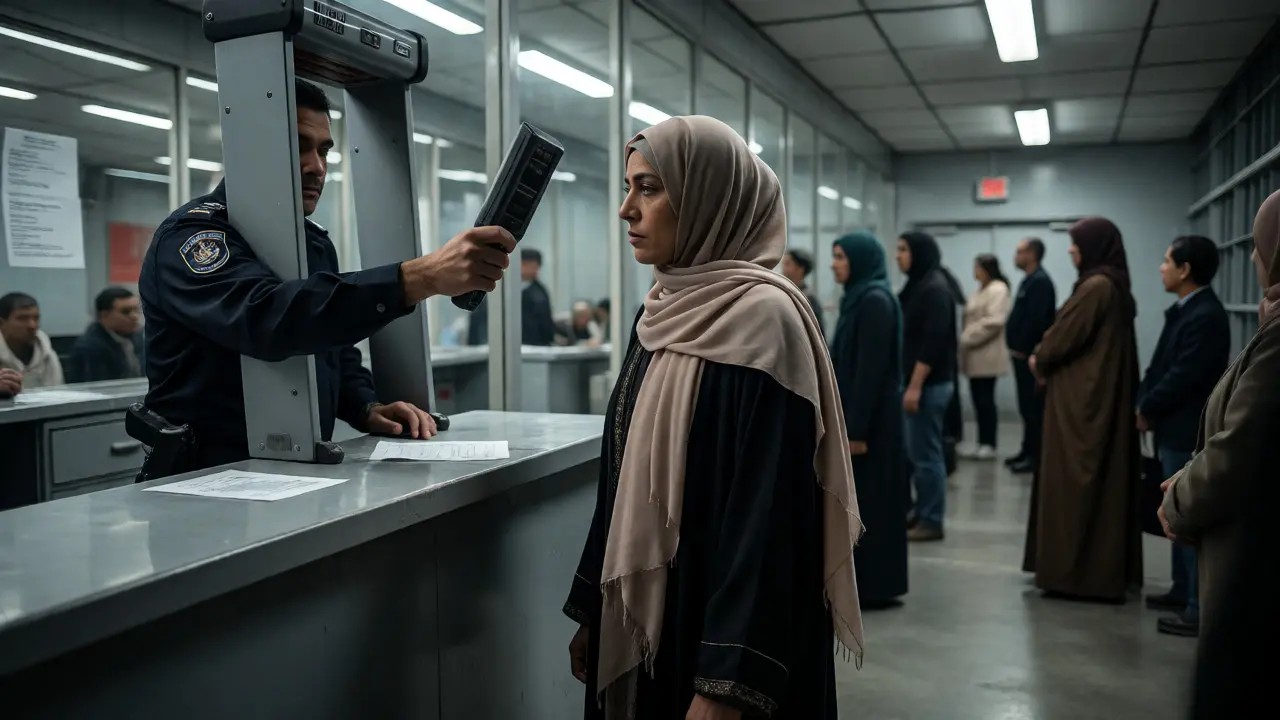
You’re standing in a sterile waiting room, clutching a bag of approved snacks. You’ve traveled three hours to see your brother. But when you step up to the counter, the guard doesn’t just check your ID. He asks if you’re wearing a head covering for "religious reasons" or if that long braid violates the "grooming standard." For millions of families, prison visitation is less about seeing a loved one and more about navigating a maze of rigid rules that often clash with deeply held cultural and religious beliefs.
This isn’t just bureaucratic nitpicking. When a policy ignores how a person prays, dresses, or interacts with family, it severs the very ties that help reduce recidivism. If you’re preparing for a visit-or if you work in corrections-you need to know where the lines are drawn and how to advocate for reasonable accommodations.
Why One-Size-Fits-All Rules Fail
Correctional facilities operate on security protocols. That’s non-negotiable. But here’s the problem: many policies were written decades ago for a demographic that didn’t look like today’s prison population. A rule banning all loose clothing might seem neutral until you realize it prevents a Sikh man from wearing his turban properly, or stops a Muslim woman from covering her hair without looking like she’s hiding contraband.
When these clashes happen, families don’t just skip the next month. They stop coming altogether. Data from the Bureau of Justice Statistics shows that maintaining family contact significantly lowers the chance of reoffending. So, when a visitation policy inadvertently blocks access based on faith or culture, it undermines the entire goal of rehabilitation.
The Head Covering Hurdle
Let’s talk about the most common friction point: head coverings. From hijabs and kippahs to turbans and dreadlocks, hair and headwear are central to identity for many groups. Security wants to ensure nothing is hidden underneath. Families want to respect their traditions.
Here is how different approaches impact the visitor experience:
| Religious/Cultural Practice | Typical Restriction | Security Concern | Common Accommodation |
|---|---|---|---|
| Hijab | Ban on opaque fabric; must be transparent mesh | Hiding weapons or drugs | Allow sheer fabric; allow pat-down instead of removal |
| Turban | Prohibition on wrapped cloth; size limits | Concealment within folds | Pre-inspection at entry; use of metal detectors |
| Kippah/Yarmulke | Must be removed during search | Small items hidden inside | Allow wearing during visual inspection only |
| Dreadlocks/Braids | Length restrictions; no accessories | Contraband woven into hair | Allow length but require comb-through by staff |
Notice the pattern? The accommodation usually involves shifting the burden of proof. Instead of banning the item, staff inspect it differently. This requires training, not just new rules.
Gender Roles and Physical Contact
Cultural norms around gender interaction vary wildly. In some traditions, physical touch between unrelated men and women is strictly forbidden. In others, a handshake is mandatory. Prison policies, however, are often blind to this nuance.
Consider a father visiting his daughter. If the facility enforces a strict "no contact" rule, he can’t hug her goodbye. For families from cultures where affection is expressed through touch, this feels cold and alienating. Conversely, some policies mandate handshakes upon entry, which might violate the beliefs of Orthodox Jewish visitors who avoid touching members of the opposite sex.
The solution isn’t always changing the rule-it’s offering choice. Can visitors opt for a verbal greeting instead of a physical one? Can same-gender guards handle searches for those who object to cross-gender inspections? These small adjustments cost little but build massive trust.
Language Barriers as Cultural Exclusion
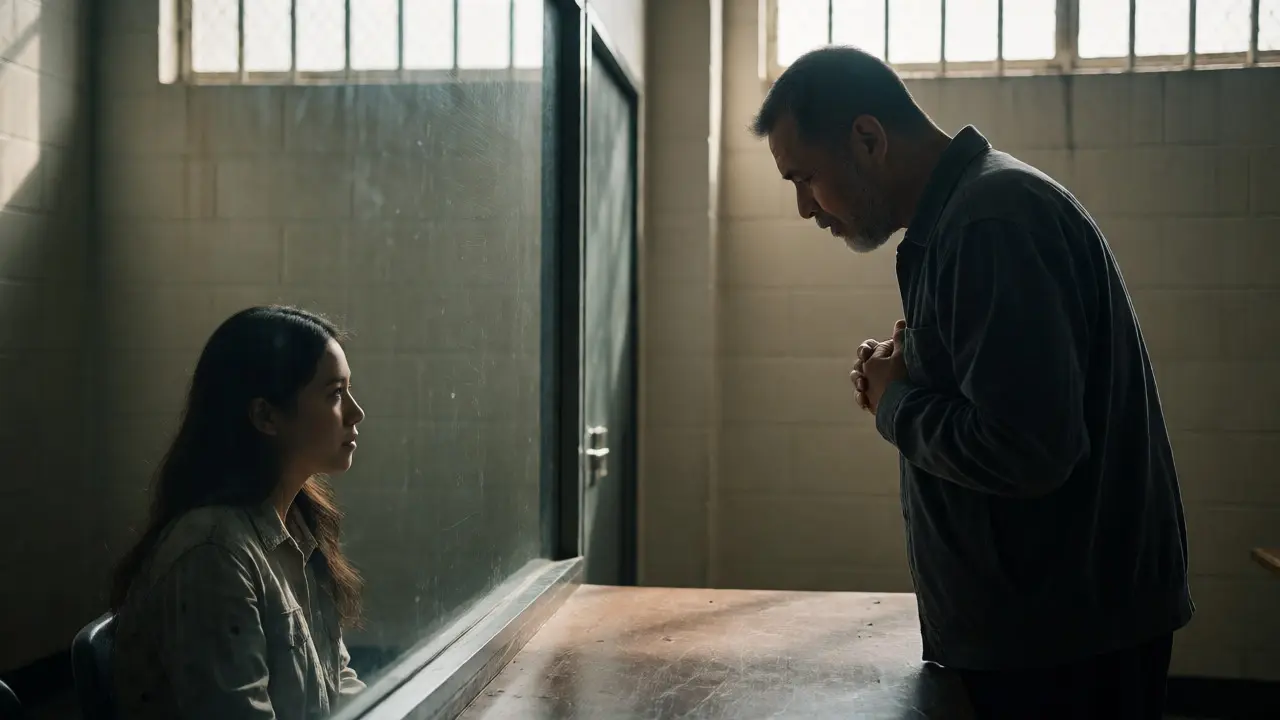
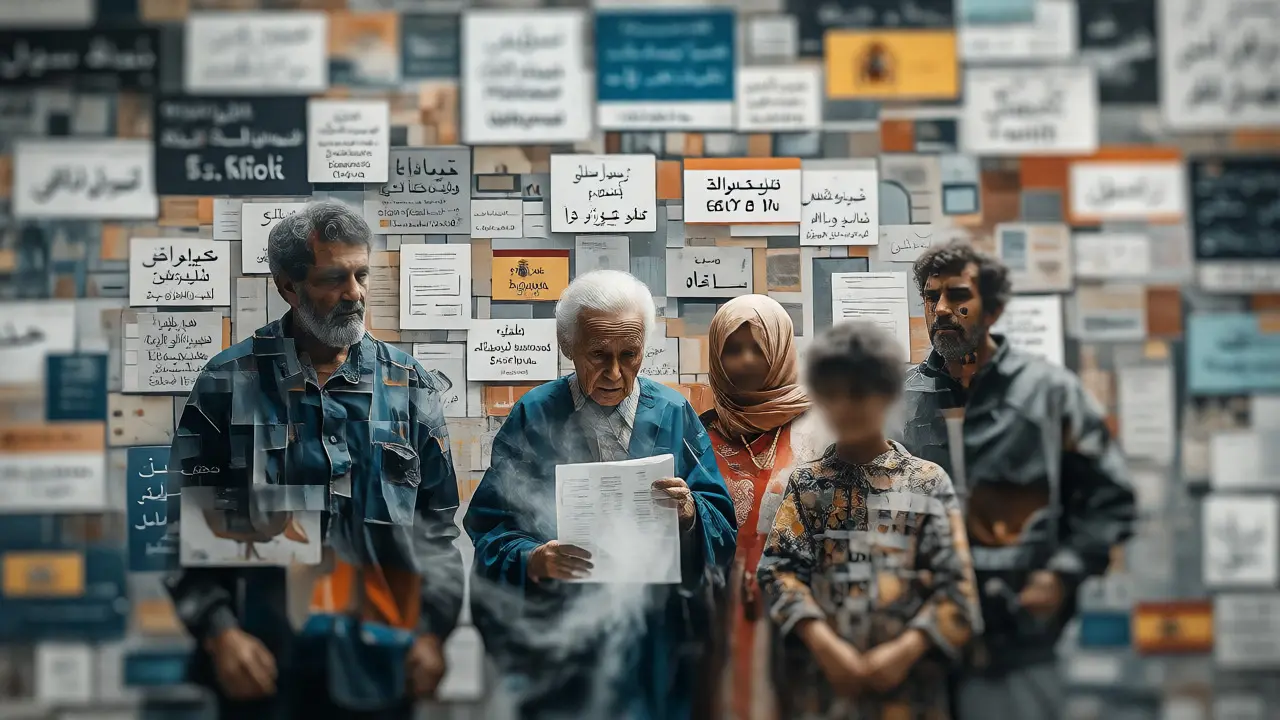
We often forget that language is part of culture. If a prison’s visitation forms, signage, and staff instructions are only in English, you effectively exclude Spanish-speaking grandparents, Vietnamese spouses, or Arabic-speaking elders. It’s not just an inconvenience; it’s a barrier to participation.
Imagine trying to navigate a complex scheduling system or understand why your visit was denied because you couldn’t read the fine print. Many facilities now offer translated materials, but human interpretation during disputes is rare. If you’re advocating for change, push for multilingual kiosks or bilingual staff availability during peak hours. It’s a low-cost fix with high emotional return.
Dietary Restrictions and Food Policies
Food is love. Bringing a meal or snack to a loved one is a universal gesture of care. But dietary laws complicate this quickly. Halal, Kosher, vegetarian, or vegan requirements aren’t just preferences-they’re mandates.
Many prisons ban outside food entirely. Others allow it but prohibit specific ingredients (like pork products) without offering alternatives. If a family brings a sandwich, and the rules say "no meat," they have to guess if the turkey counts. Clear labeling helps, but better yet is having a list of pre-approved vendors who supply compliant meals. This removes the stress of guessing and ensures the inmate gets a meal that aligns with their values.
How to Advocate for Your Family’s Needs
So, what do you do if you hit a wall? Don’t just get angry. Be strategic.
- Know the Specific Policy: Before you go, download the facility’s handbook. Look for sections on "grooming," "dress code," and "search procedures." Quote the exact section number when you speak to staff.
- Request Reasonable Accommodation: Use the legal term. Under federal law (specifically the Religious Land Use and Institutionalized Persons Act), prisons must accommodate sincerely held religious practices unless there is a compelling government interest. You don’t need to be a lawyer, but using this phrase signals you know your rights.
- Document Everything: Keep a log. Date, time, officer name, and what happened. If you were asked to remove a head covering, note if you offered alternative screening methods.
- Engage Chaplains: Prison chaplains are often allies. They understand religious nuances and can sometimes mediate with security staff who don’t.
The Future of Inclusive Visitation
Things are shifting. Facilities in states like California and New York are piloting "culturally competent" visitation programs. These include flexible dress codes, prayer spaces near visiting areas, and staff training on implicit bias. It’s not perfect, but it’s progress.
If you’re a policymaker, think beyond security theater. Ask yourself: Does this rule actually make us safer, or does it just make us feel in control? If a grandmother can’t visit her grandson because she wears a veil, we haven’t made the prison safer-we’ve just made it lonelier.
Can I wear my religious head covering into the prison?
Generally, yes, but policies vary by facility. Most allow head coverings if they are inspected for contraband. Some require them to be semi-transparent or subject to a pat-down. Always check the specific facility's handbook before traveling.
What if I am denied a visit due to my hairstyle?
If your hairstyle (like locs or braids) is tied to your religion or culture, you can request a reasonable accommodation. Cite the Religious Land Use and Institutionalized Persons Act (RLUIPA). Ask to speak with a supervisor or the warden's office rather than arguing with the front-line guard.
Are there exceptions to the no-contact rule for religious greetings?
Not typically for general contact, but some facilities allow verbal greetings or bows if physical touch is prohibited. However, security protocols regarding handshakes are usually strict. You may need to explain your religious objection politely and ask if a non-contact acknowledgment is acceptable.
Do prisons provide Halal or Kosher food for visitors?
Rarely for visitors. Most prisons restrict outside food. Some allow sealed, store-bought snacks. If you need specific dietary options, bring pre-packaged items that meet the facility's ingredient restrictions and clearly label them as Halal or Kosher.
How can I find out if a prison is culturally friendly?
Check online reviews from other families, look for statements on diversity and inclusion on the department of corrections website, or call the facility's community liaison officer. Asking specifically about their experience with religious accommodations gives you a realistic preview.