You might think that once someone is locked up, their day is entirely dictated by the clock on the wall. But for millions of incarcerated people across the United States, the most anticipated hour isn't mealtime or visitation-it's outdoor yard time. This brief window of fresh air and sunlight is often the only break from the concrete walls of a cell block. Yet, getting outside isn't as simple as stepping through a door. It involves a complex web of security protocols, staffing limitations, and rigid schedules that vary wildly from one facility to another.
If you've ever wondered how prisons manage thousands of bodies moving in and out of confined spaces without chaos, it comes down to three things: access, counts, and closures. Understanding these mechanics reveals just how fragile the balance between security and human well-being really is. Whether you're a family member trying to understand why your loved one missed their call, a student researching corrections, or simply curious about life behind bars, here’s what actually happens during those precious hours on the yard.
The Reality of Outdoor Yard Time
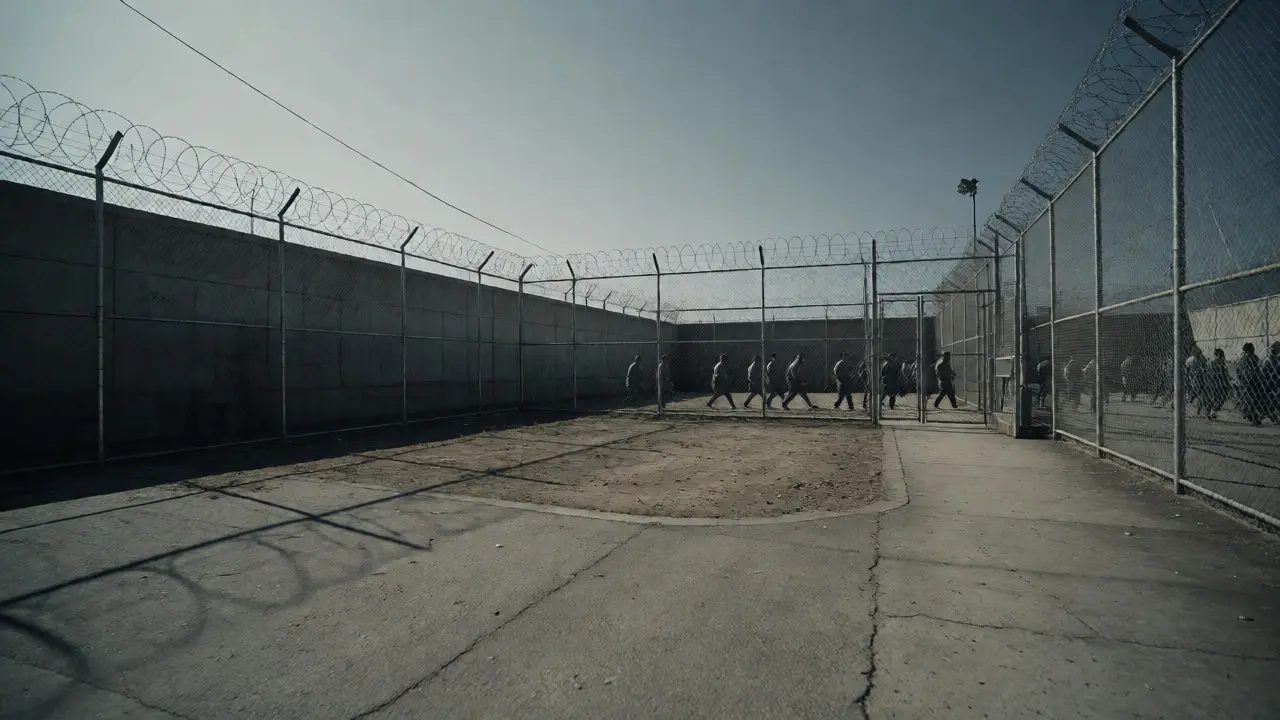
First, let’s clear up a common misconception. "Yard time" doesn't always mean a grassy field with basketball hoops. In many urban jails or older state prisons, the "yard" might be a concrete courtyard surrounded by high fences topped with razor wire. Sometimes, it’s just a small patch of dirt next to the housing unit. Regardless of the amenities, the purpose remains the same: providing physical exercise, mental relief, and social interaction.
Inmate Recreation Time is a scheduled period during which incarcerated individuals are permitted to leave their cells for physical activity and socialization in an outdoor or indoor designated area. The Federal Bureau of Prisons (BOP) mandates at least one hour of outdoor exercise daily for sentenced inmates. However, local jails and private facilities often have different standards, sometimes offering less than an hour or combining outdoor time with indoor gym sessions.
Why does this matter? Research consistently shows that lack of natural light and physical movement contributes to higher stress levels, increased aggression, and poorer mental health outcomes among prisoners. When yard time is cut short or canceled frequently, tension inside the facility spikes. Guards know this. Inmates know this. That’s why when the gate opens, everyone moves fast.
How Prison Yard Schedules Are Built
Prison administrators don’t just wake up and decide who goes outside when. They build schedules around two major constraints: staff availability and security risk. Most facilities operate on a rotation system. If a prison has four housing units, they can’t send all 800 inmates to the yard at once. It would be impossible to maintain control and conduct headcounts efficiently.
Instead, units rotate. Unit A might get 9:00 AM to 10:00 AM. Unit B gets 10:30 AM to 11:30 AM. This staggered approach ensures that only a manageable number of people are outside at any given time. It also allows maintenance crews to clean the yard between shifts if needed.
But here’s where it gets tricky. These schedules aren’t set in stone. They change based on:
- Staffing Levels: If guards call out sick, there may not be enough personnel to supervise the yard safely. The schedule shrinks.
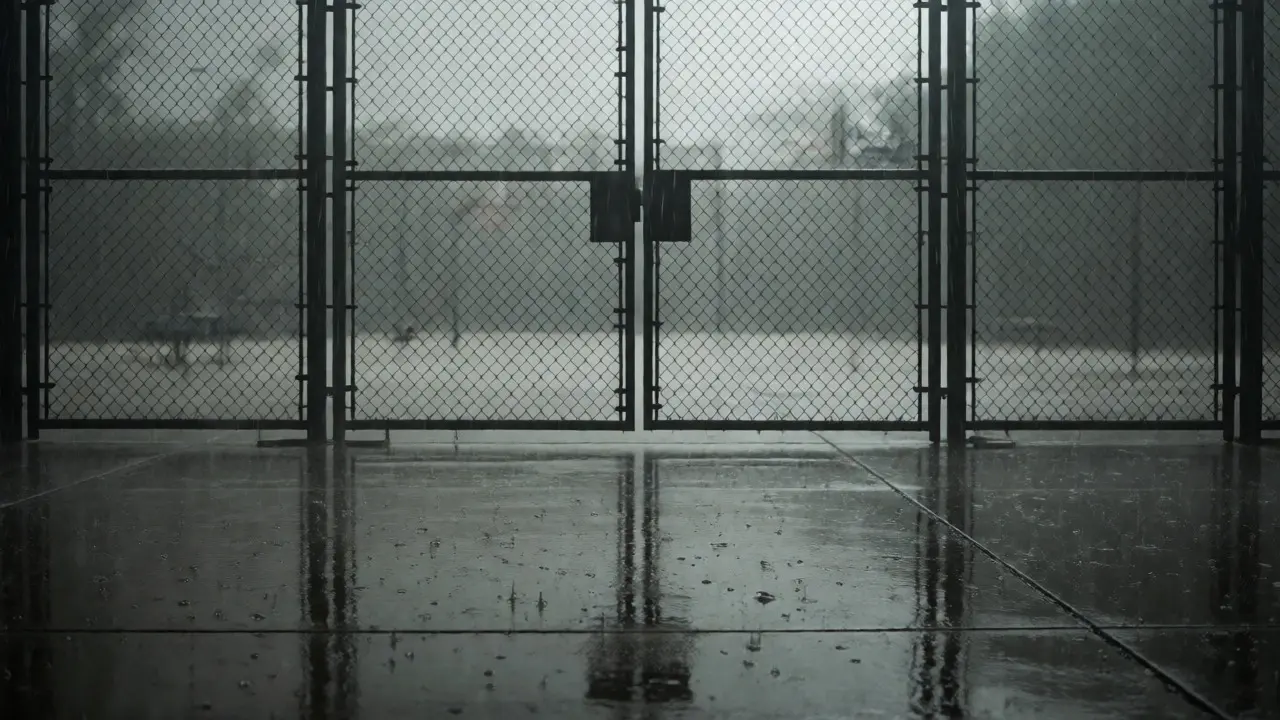
- Weather Conditions: Extreme heat, heavy rain, or snow can force immediate cancellations. Safety liability is a huge concern for prison officials.
- Security Lockdowns: If there’s a fight, a contraband discovery, or a threat assessment, the entire facility might go into lockdown, canceling all recreational activities.
In my experience visiting facilities in the Pacific Northwest, I’ve seen how quickly a sunny Tuesday morning can turn into a gray afternoon of closed doors because a single incident occurred earlier in the week. The schedule is a living document, constantly adjusted to keep the peace.
The Critical Role of Counts During Transitions
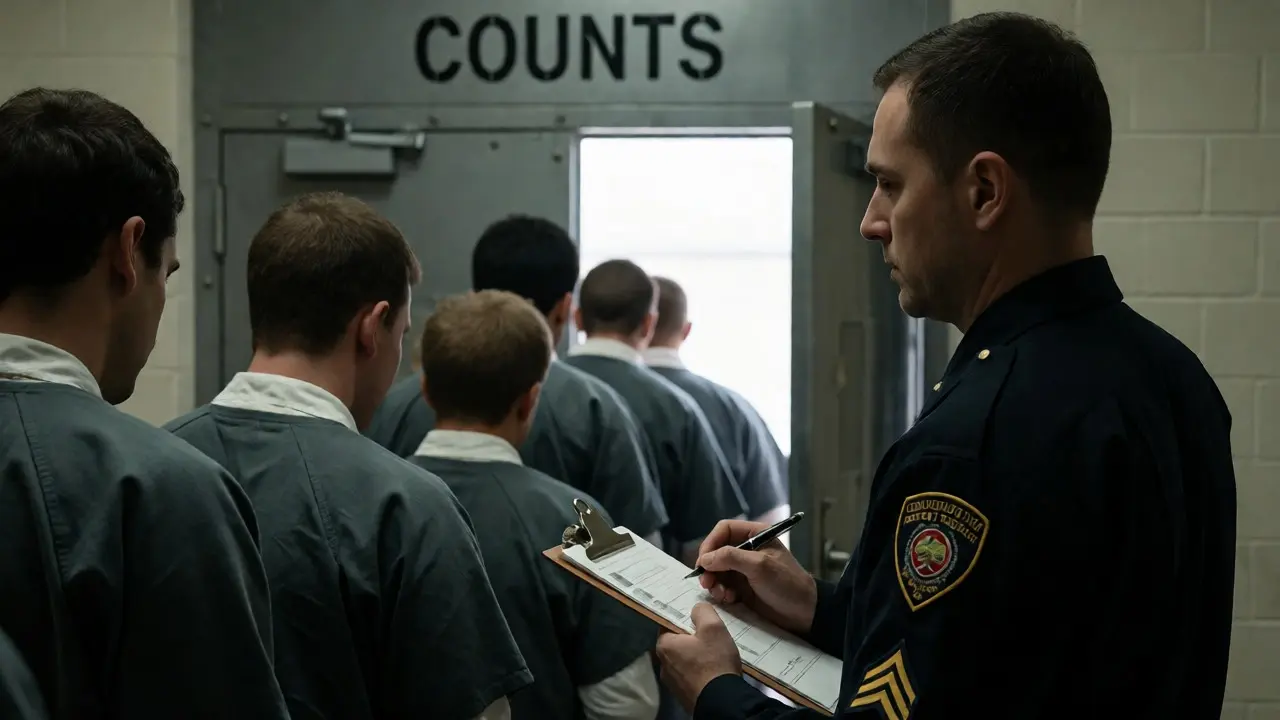
You can’t just walk into the yard. And you certainly can’t just walk back in. Every transition requires a count. This is the backbone of prison security. Before inmates leave their housing unit, officers must verify that everyone present is accounted for. Then, upon return, they do it again.
Prison Counts are security procedures used to verify the presence and location of every individual within a correctional facility. There are different types of counts, but the ones affecting yard time are usually "movement counts." These happen when large groups move from one secure zone to another.
Here’s how it works in practice:
- Pre-Movement Check: Officers stand at the door. Inmates line up. Names are called or badges are scanned. If someone is missing, no one leaves until they’re found.
- Escort to Yard: Groups are moved under supervision. No running, no lingering.
- Yard Count: Once outside, another quick check ensures everyone arrived.
- Return Process: The reverse happens. You can’t stay five minutes past the buzzer. If you’re late, you miss the count, and you face disciplinary action.
This process takes time. Often, the actual time spent enjoying the outdoors is less than the total block allocated for "recreation." If a unit has 200 people, counting them in and out can eat up 15-20 minutes each way. So, a one-hour slot might only yield 40 minutes of real freedom. For many inmates, those 40 minutes are everything.
Why Yard Closures Happen More Than You Think
Families often complain that their loved ones haven’t been able to go outside in days. Is the prison being punitive? Not necessarily. While punishment can revoke privileges, frequent closures are usually operational. Let’s look at the main culprits.
1. Staff Shortages
This is the biggest driver today. Across the country, correctional officer vacancies are high. If a facility is short-staffed, they prioritize essential duties: locking cells, serving meals, and maintaining perimeter security. Recreation is considered a "non-essential" service in emergencies. If there aren’t enough eyes on the yard, the gates stay shut.
2. Environmental Hazards
In places like Portland, Oregon, rain is common. But in desert states, extreme heat is the enemy. Many prisons have heat index guidelines. If the temperature exceeds a certain threshold (often around 95°F or 100°F depending on humidity), outdoor exercise is banned to prevent heatstroke. Similarly, icy conditions make concrete yards slippery and dangerous. Liability lawsuits keep wardens cautious.
3. Security Incidents
If a weapon is found in the yard, the area becomes a crime scene. It’s closed for investigation. If two rival groups clash, the yard might close for days while tensions cool. These closures aren’t always announced far in advance, leading to frustration and rumors spreading through the housing units.
4. Maintenance Issues
Broken sprinklers, damaged fencing, or graffiti removal can take a yard offline. While this seems minor, it disrupts the entire rotation schedule. One closed yard means other units might get less time or none at all to compensate.
Differences Between Jails and Prisons
It’s important to distinguish between jails and prisons, as their yard schedules differ significantly. Jails hold pre-trial detainees and short-term offenders. Their populations churn rapidly. Because of this, jail yards are often smaller, more crowded, and have stricter time limits. Detainees might get 30 minutes of yard time, twice a week, rather than daily.
Prisons, designed for long-term sentences, typically offer better access. State prisons and federal institutions usually guarantee daily outdoor time. However, the quality varies. A minimum-security prison camp might have acres of land, sports fields, and gardens. A maximum-security penitentiary might offer a fenced-in rectangle of asphalt.
| Facility Type | Typical Frequency | Duration | Common Restrictions |
|---|---|---|---|
| Local Jail | 2-3 times per week | 30-60 minutes | High turnover, limited space, frequent lockouts |
| State Prison (Medium) | Daily | 1-2 hours | Rotational scheduling, weather-dependent |
| Federal Prison | Daily | 1+ hours | Strict adherence to BOP guidelines, varied amenities |
| Private Prison | Varies | Contract-dependent | Cost-saving measures may reduce frequency |
Notice the variability. If you’re dealing with a specific facility, always check their local policy manual. Generalizations rarely apply universally.
The Human Impact of Limited Access
We talk about schedules and counts, but we forget the human element. Imagine being confined to a room the size of a parking space for 23 hours a day. Your body stiffens. Your mind races. The yard is your therapy. It’s where you stretch your legs, feel the wind, and talk to friends without shouting through a vent.
When access is restricted, mental health deteriorates. Depression rates climb. Anxiety increases. Violence can follow. Conversely, consistent access improves behavior. Studies from the National Institute of Justice suggest that inmates who engage in regular physical activity are less likely to commit infractions. Exercise burns off excess energy and reduces cortisol levels.
For families, knowing the schedule helps. If you’re sending mail or making calls, timing matters. Some inmates prefer to use phone time after yard because they’re relaxed. Others save it for before. Understanding the rhythm of the day helps you connect better.
Navigating Changes and Advocacy
Schedules change. Policies shift. What worked last year might not work now. If you notice a pattern of excessive closures, consider asking questions. Contact the facility’s public information officer. Ask about current staffing levels or recent incidents. Transparency builds trust.
Advocacy groups also play a role. Organizations pushing for better prison conditions often monitor yard access data. They highlight disparities between facilities. If you’re passionate about criminal justice reform, supporting these efforts can lead to systemic improvements. Better funding for staff means fewer closures. Better infrastructure means safer, more usable yards.
Ultimately, outdoor yard time is more than a privilege; it’s a basic human need. Recognizing its importance-and the logistical hurdles involved-helps us view incarceration not just as punishment, but as a complex social system that affects real people every single day.
How much outdoor time do prisoners legally get?
There is no single federal law mandating exact minutes for all prisons, but the Federal Bureau of Prisons requires at least one hour of outdoor exercise daily for sentenced inmates. State laws vary; some mandate similar amounts, while others leave it to administrative discretion. Local jails often provide less, sometimes only a few times a week.
Can prisoners choose when they go to the yard?
Generally, no. Yard time is assigned by housing unit or group to ensure security and manage crowd sizes. Inmates cannot freely enter and exit the yard at will throughout the day. They must adhere to the posted schedule and wait for their designated time slot.
What happens if an inmate misses the yard count?
Missing a count is a serious security violation. The inmate may be placed in segregation or lose future yard privileges. Disciplinary action depends on the reason for the delay and the facility's specific code of conduct. Repeated offenses can result in loss of good-time credits.
Do private prisons offer less yard time than public ones?
Not necessarily, but it varies by contract. Private facilities aim to meet contractual obligations, which may mirror public standards. However, cost-cutting measures regarding staffing can lead to more frequent closures or shorter durations compared to well-funded public institutions.
Is yard time canceled for bad weather everywhere?
Most facilities have weather protocols. Light rain might not stop activity, but thunderstorms, extreme heat, or freezing temperatures usually do. Safety guidelines prioritize preventing injury and illness, so closures are common during severe weather events regardless of the facility type.