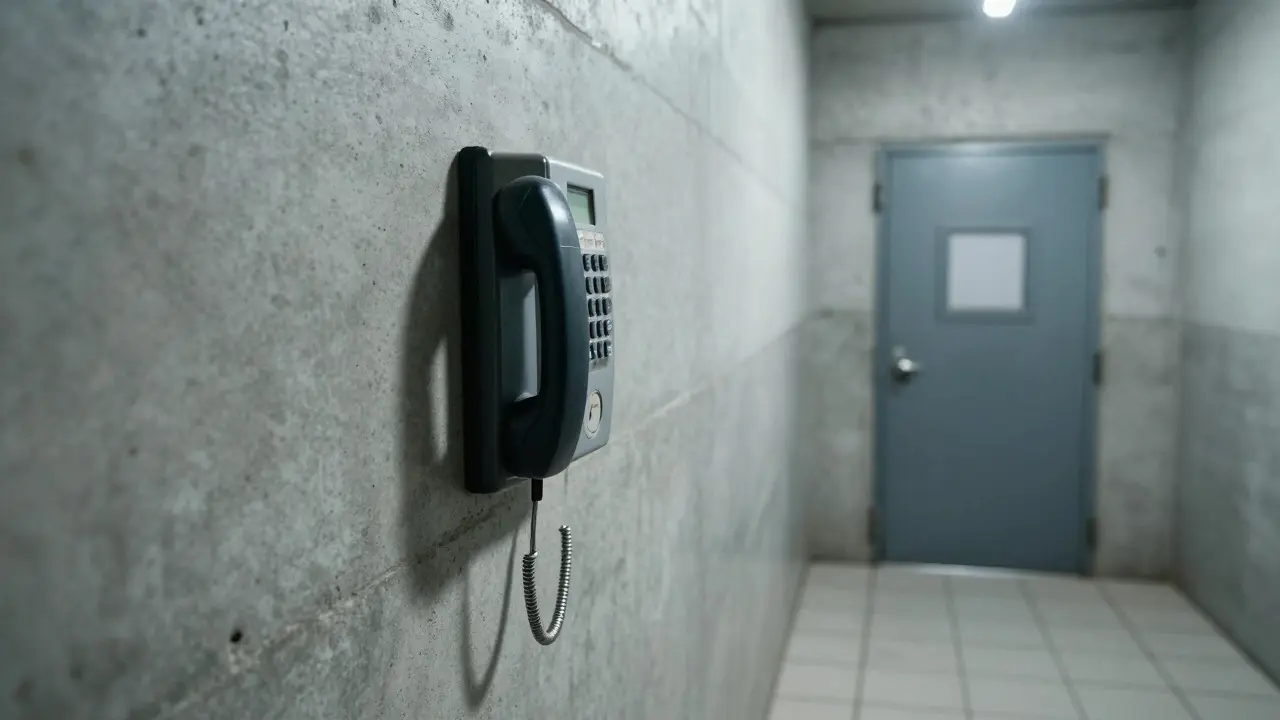
Imagine you are sitting in your cell, waiting for a phone call from your mother or a package from your lawyer. Suddenly, the guard tells you that your communication privileges are suspended. No calls for 30 days. No visits until further notice. It feels like being erased from the world outside. But why did this happen? And more importantly, how do you fight back without losing more ground?
In the U.S. prison system, communication isn't just a luxury; it is a core part of rehabilitation and legal defense. Yet, these rights are often conditional. Understanding the specific causes for suspension and the precise steps to appeal can mean the difference between staying connected to your support network and falling into isolation.
What Counts as Communication Privileges?
Before we talk about losing them, let's define what they actually are. In most state and federal facilities, Communication Privileges include telephone access, face-to-face visitation, mail delivery, and electronic messaging services. These are distinct from Commissary Access, which refers to buying personal items like soap, snacks, or clothing from the prison store. While they are different, they often get tangled up together in disciplinary actions.
The key distinction matters because the rules governing them differ. Visitation is usually tied to behavior classifications (like General Population vs. Segregated Housing), while phone access might be restricted due to technical issues or specific rule violations. Knowing which bucket your restriction falls into is the first step in building a solid appeal.
Common Causes for Suspension
Why would a warden pull the plug on your calls? It rarely happens without a trigger. Here are the most frequent reasons inmates find themselves cut off from the outside world:
- Disciplinary Infractions: This is the big one. Getting a ticket for "disorderly conduct," "excessive noise," or even "failure to follow instructions" can lead to a temporary loss of privileges. If you are placed in Administrative Segregation (Admin Seg) or Disciplinary Segregation (Disc Seg), communication is often heavily limited or monitored by staff only.
- Security Threats: If prison intelligence suspects you are coordinating activity with other units or gangs, they may restrict your phone use to prevent information flow. This is often done under broad security clauses rather than specific rule violations.
- Financial Issues: Surprisingly, low trust account balances can sometimes pause service if the provider requires a minimum credit. However, this is usually a billing issue, not a punishment, but it stops the calls anyway.
- Technical Failures: Old phones, broken lines, or software glitches can mimic a suspension. If everyone in your unit has no service, it’s likely IT, not discipline. If it’s just you, look at your disciplinary record.
- Legal Holds: If you are involved in active litigation against the prison, or if a judge orders monitoring, your communications might be intercepted or restricted pending review.
A critical nuance here is the difference between *loss* and *restriction*. A loss means no calls at all. A restriction might mean you can only call during specific hours, or only to approved numbers. Both hurt, but the appeal strategy differs slightly.
The Connection Between Behavior and Commissary
You mentioned Commissary Access. Why does this matter when talking about phones? Because in many facilities, the same behavioral score determines both. If you accumulate too many points for minor infractions, you might lose your ability to buy hygiene products and your phone minutes.
For example, in several large state systems, an inmate with a "Level 1" classification gets full access. Drop to "Level 2" after two tickets, and you might lose weekend visits. Drop to "Level 3," and you lose daily phone calls, keeping only emergency contacts. The commissary follows a similar tiered structure. So, protecting your communication rights often means protecting your general behavioral standing.

How to File a Successful Appeal
Finding out your privileges are gone is stressful, but panicking helps no one. You need a structured approach. Most prisons operate under a formal Grievance Procedure, which is your primary tool for challenging decisions.
- Check the Official Notice: Did you receive a written notice? It should state the reason, the duration, and the date it starts. If you didn’t get one, ask for it immediately. Lack of proper notice is a strong basis for appeal.
- Review Your Inmate Handbook: Find the section on "Privileges" and "Discipline." Note the exact rule number cited against you. Does the evidence match the rule? For instance, if you were accused of "talking over the phone," was there audio proof?
- Draft Your Grievance Form: Be concise. State the facts: "On [Date], I received a notice suspending phone calls for 14 days citing Rule X. I believe this is unfair because [Reason]." Attach any supporting documents, like a copy of the notice or witness statements from other inmates.
- Submit Within the Deadline: This is crucial. Deadlines are often short-sometimes as little as 5 to 10 business days. Miss the window, and your case is dead on arrival.
- Request a Hearing: If available, ask for a hearing before a neutral party. Bring witnesses if allowed. Stay calm and stick to the facts.
If the internal grievance fails, you have external options. You can file a complaint with the state Ombudsman or seek pro bono help from legal aid organizations specializing in prisoner rights. Sometimes, a simple letter from a lawyer can reverse a hasty decision.
Comparison: Internal vs. External Appeals
Knowing where to go next can save months of frustration. Here is how the two main paths compare:
| Feature | Internal Grievance | External Legal Action |
|---|---|---|
| Speed | Fast (weeks) | Slow (months/years) |
| Cost | Free (usually) | Potential filing fees or lawyer costs |
| Outcome | Reversal of decision, compensation | Court order, damages, policy change |
| Risk | Low (if factual) | Moderate (retaliation claims possible) |
| Best For | Procedural errors, minor disputes | Constitutional violations, long-term bans |
Generally, start with the internal process. It’s faster and less adversarial. Save the courts for when the prison ignores its own rules or infringes on fundamental rights, like access to counsel.

Practical Tips for Staying Connected
While you wait for your appeal, don’t sit idle. Here are some practical moves to keep your lines open:
- Use Mail Strategically: Even if phones are down, mail usually stays open. Send letters to family and lawyers. It’s slower, but it works.
- Keep Records: Log every incident. Dates, times, guard names, and what was said. This paper trail is gold if things escalate.
- Stay Composed: Guards watch for "attitude." Arguing loudly in the yard can get you another ticket, extending your suspension. Keep your head down and your paperwork clean.
- Know Your Emergency Contacts: Make sure your list of approved numbers is current. If you lose access, having a clear, updated list helps when service resumes.
Frequently Asked Questions
Can a prison ban me from calling my lawyer?
Rarely, and only for good cause. Access to counsel is a constitutional right. If a ban prevents you from discussing your case, it is likely unconstitutional. Document any attempts to block attorney calls and file a grievance immediately.
Does losing phone access affect my commissary spending?
Not directly, but indirectly yes. If the phone suspension comes from a disciplinary point deduction, that same deduction might lower your commissary allowance or limit your shopping frequency. Check your facility's specific policy on "privilege tiers."
How long does a typical suspension last?
It varies by facility and severity. Minor infractions might result in a 7-day suspension. Major disciplinary hearings can lead to 30-90 day losses. Permanent loss is rare unless you are moved to a maximum-security segregation unit indefinitely.
What if I miss the grievance deadline?
Your internal options are largely closed. However, you can still try to resolve it informally with a counselor or chaplain. If the delay was due to prison error (e.g., they never gave you the form), you might argue "excusable neglect" in a later court filing, but it’s difficult.
Is it worth suing over lost phone minutes?
Usually, no. The cost of litigation outweighs the value of the minutes. Suits are more viable if the suspension prevented contact with a dying relative or blocked essential legal preparation. Focus on procedural fairness rather than financial reimbursement.