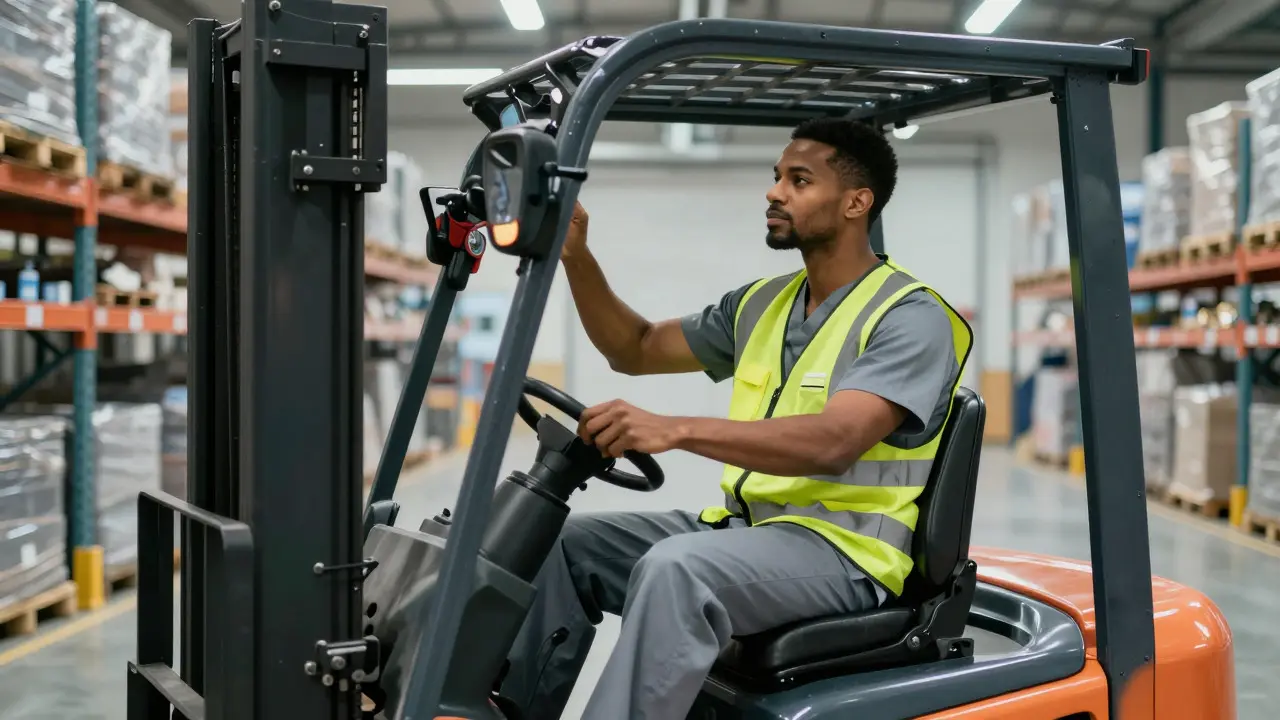
Imagine standing in a warehouse aisle, the hum of an electric motor filling the air. You aren't at a distribution center; you are inside a correctional facility. For thousands of inmates across the U.S., this is not just a job-it is a lifeline. Forklift certification is a specialized industrial skill that allows individuals to operate powered industrial trucks safely and efficiently in warehouse environments. When paired with other industrial skills programs, it transforms the prison experience from one of isolation to one of preparation for reentry.
The stakes are high. Without marketable skills, recidivism rates climb. With them, they drop. These programs do more than teach how to lift boxes; they build discipline, technical proficiency, and a resume that employers actually want to see. If you are looking into these opportunities-whether as an inmate, a family member, or a policy advocate-understanding how they work is the first step toward making them count.
Key Takeaways
- Forklift certification is one of the most in-demand vocational credentials in correctional facilities due to high warehouse demand.
- Programs typically combine classroom instruction with hands-on driving practice under strict safety protocols.
- Completion rates vary by state, but successful graduates often secure jobs within weeks of release.
- Costs are usually covered by the facility or grant funding, making it accessible to low-income inmates.
- Safety standards align with OSHA guidelines, ensuring the credential holds value outside prison walls.
Why Forklift Training Matters in Corrections
Warehousing is a massive employer. Companies like Amazon, FedEx, and regional logistics firms hire constantly. But they need drivers who know how to handle a pallet jack or a reach truck without crashing into racking systems. This is where correctional vocational training steps in. It bridges the gap between unskilled labor and skilled trade work.
Inside prisons, time can feel stagnant. Vocational programs give inmates a sense of purpose. They learn routine, accountability, and teamwork. For many, the forklift course is their first exposure to professional workplace expectations. The structured environment mirrors what they will face on the outside. It’s not just about the machine; it’s about building a habit of precision and safety awareness.
Employers value this background. Knowing that a candidate has completed a rigorous, supervised training program in a controlled environment signals reliability. It reduces the perceived risk of hiring someone with a criminal record. In this way, the certification acts as a trust builder between the worker and the employer.
How the Certification Process Works
The path to becoming certified follows a clear, multi-step structure. Most facilities partner with local community colleges or private training vendors to deliver the curriculum. Here is what that journey looks like:
- Application and Screening: Inmates apply through the facility’s education department. Staff review disciplinary records to ensure candidates are suitable for equipment handling.
- Classroom Instruction: Students spend several hours learning theory. Topics include load capacity, center of gravity, pedestrian zones, and daily inspection checklists.
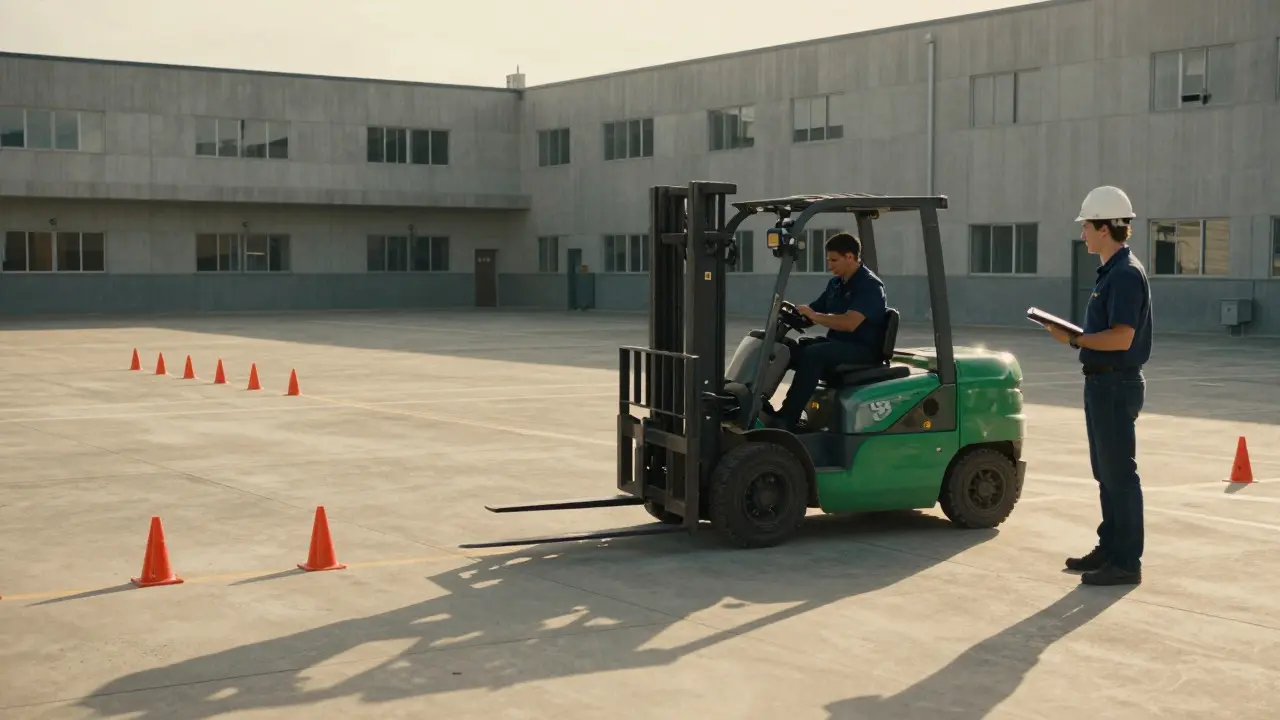
- Practical Evaluation: Under the watchful eye of an instructor, trainees perform maneuvers in a marked course. They must demonstrate smooth acceleration, precise turning, and safe stacking techniques.
- Final Assessment: A written test covers safety regulations. Passing both the practical and written components earns the certificate.
The entire process usually takes two to four weeks, depending on the facility’s schedule. Classes often run during morning shifts, allowing inmates to maintain their regular work assignments in the afternoon.
Beyond the Forklift: Broader Industrial Skills
Forklift operation is rarely taught in isolation. Successful programs bundle it with other industrial skills that create a well-rounded warehouse professional. Think of it as a toolkit. The forklift is one tool, but you need others to be effective.
Common companion courses include:
- Order Picking and Packing: Techniques for efficiently selecting items from shelves using barcode scanners.
- Material Handling Safety: Understanding ergonomics to prevent back injuries when lifting heavy boxes.
- Basic Maintenance: Learning how to check tire pressure, fluid levels, and battery charge on electric trucks.
- Logistics Fundamentals: An overview of supply chain basics, including inventory management and shipping labels.
This holistic approach ensures that graduates don’t just know how to drive; they understand the workflow around them. Employers prefer candidates who can multitask and adapt to different roles within a warehouse floor.
Comparing Program Models
Not all correctional programs are created equal. Some focus heavily on short-term certifications, while others aim for long-term career pathways. Understanding the differences helps set realistic expectations.
| Model Type | Duration | Focus Area | Best For | Limitations |
|---|---|---|---|---|
| Short-Term Certification | 2-4 Weeks | Specific Equipment (e.g., Forklift) | Inmates nearing release | Limited depth in broader logistics |
| Comprehensive Trade Program | 6-12 Months | Multiple Skills + Soft Skills | Inmates with longer sentences | Requires significant facility resources |
| Apprenticeship Hybrid | 12+ Months | On-the-Job Training + Classroom | High-potential candidates | Dependent on external employer partnerships |
Short-term models are popular because they fit within typical sentence lengths. However, comprehensive programs tend to produce higher retention rates in post-release employment. The key is matching the program length to the inmate’s remaining time and career goals.
Barriers and How to Overcome Them
Despite the benefits, access isn’t always guaranteed. Several barriers can hinder participation. Recognizing them is the first step to solving them.
Space Constraints: Many older facilities lack adequate indoor space for safe forklift practice. Solutions include using outdoor yards with protective netting or partnering with nearby warehouses for off-site training days.
Equipment Costs: Forklifts are expensive. Facilities often rely on grants from organizations like the U.S. Department of Labor or private foundations. Advocacy groups can help lobby for increased funding in budget cycles.
Disciplinary Issues: Strict behavior requirements can exclude some inmates. Clear communication about expectations early in the program helps reduce dropout rates due to minor infractions.
Transportation After Release: Getting to an interview is a hurdle. Some programs include bus passes or ride-share credits as part of the graduation package. This small detail makes a big difference in securing that first job.

Success Stories and Real-World Impact
The numbers tell a story, but individual experiences bring it to life. Consider Marcus, a resident in a medium-security facility in Ohio. He had no prior experience with machinery. During his six-month sentence, he completed the forklift certification and a basic maintenance course. Upon release, he used his certificate to land a position at a regional grocery distributor. Two years later, he was promoted to shift lead. His confidence grew alongside his skills, and his recidivism risk dropped significantly.
Stories like Marcus’s are common. Data from various state corrections departments shows that inmates who complete vocational training are up to 30% less likely to reoffend within five years. This statistic underscores the value of investing in prison education initiatives. It’s not just charity; it’s public safety.
Employers also report satisfaction. Warehouse managers often seek out candidates from correctional programs because they arrive with verified skills and a strong work ethic. The structured environment of prison training prepares them for the fast-paced nature of logistics work better than many traditional entry-level hires.
Getting Involved: Next Steps for Stakeholders
If you want to support or participate in these programs, here is where to start.
- For Inmates: Speak with your facility’s education coordinator. Ask specifically about forklift availability and upcoming cohorts. Keep your disciplinary record clean to maximize eligibility.
- For Families: Research the specific policies of the facility where your loved one is housed. Some states allow family members to sponsor additional training materials or fees if required.
- For Employers: Build relationships with local correctional institutions. Offer internships or guaranteed interviews for graduates. This creates a pipeline of skilled workers and strengthens community ties.
- For Advocates: Track state budget allocations for vocational training. Push for increased funding and better tracking of post-release employment outcomes.
Engagement doesn’t have to be large-scale. Even small actions, like sharing information about available programs, can make a difference. The goal is simple: give every person leaving prison the tools they need to rebuild their life with dignity and stability.
Frequently Asked Questions
Is forklift certification valid after release?
Yes, provided the training meets OSHA standards. Most correctional programs use nationally recognized curricula, so the certificate is accepted by employers nationwide. Always verify that the issuing body is accredited by a reputable organization.
How much does forklift training cost in prison?
In most cases, it is free to the inmate. Funding comes from state budgets, federal grants, or private donors. Occasionally, inmates may pay a small fee for exam administration, but full tuition is rarely required.
What other skills are taught alongside forklift operation?
Common additions include material handling safety, basic warehouse maintenance, order picking techniques, and soft skills like punctuality and communication. These complement the technical driving skills to create a complete profile.
Can inmates with prior convictions get certified?
Generally, yes. Eligibility depends more on current behavior and facility rules than past history. However, certain violent offenses might restrict access to specific equipment or off-site training opportunities.
How long does it take to complete the program?
Most intensive forklift courses last two to four weeks. Comprehensive industrial skills programs that include multiple certifications can take three to twelve months, depending on the depth of training and facility scheduling.