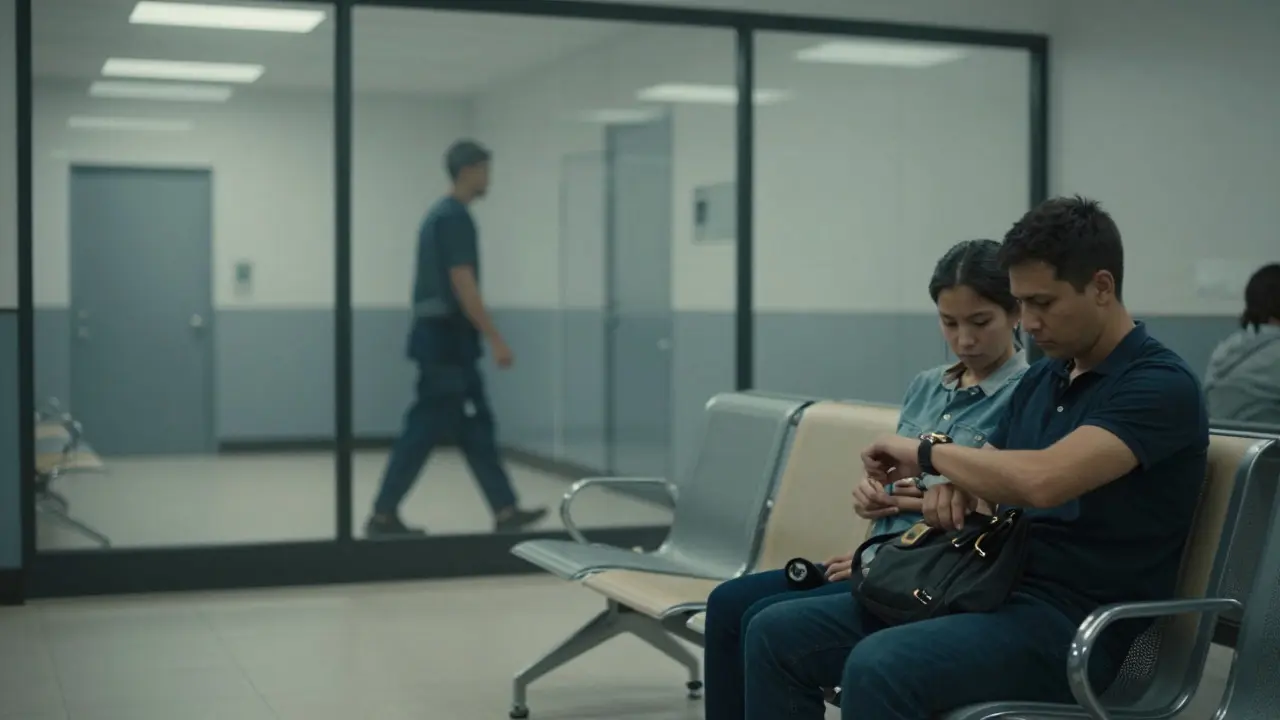
Imagine you’ve been waiting for three months to see your loved one. You book the appointment, drive two hours, and arrive on time. Then the guard says, "Room is full," or "They’re in the yard." It happens more often than you’d think. Understanding how prison visitation works isn’t just about following rules-it’s about protecting your time, money, and emotional energy.
Visitation policies vary wildly by state, facility type, and even the specific unit within a prison. What works at a federal penitentiary in Texas might not apply to a county jail in Oregon. This guide breaks down the real-world mechanics of scheduling, time limits, and common pitfalls so you can walk in prepared.
How Visitation Scheduling Actually Works
Most facilities use an online portal or a phone system to book slots. These aren’t first-come, first-served in the traditional sense; they are often tiered based on behavior points or security level. For example, a maximum-security federal prison might only allow visits once every 30 days, while a minimum-security camp could offer weekly opportunities.
The booking window is usually short. Many state departments of corrections open appointments 14 to 30 days in advance. If you miss that window, you’re stuck waiting for cancellations. Here’s what to watch for:
- Booking Windows: Check if the facility opens slots 2 weeks or 1 month out. Set calendar reminders immediately when the window opens.
- Cancellation Policies: Some prisons release canceled slots back into the pool 24-48 hours before the visit. Others hold them for staff or emergency releases.
- Time Zones: If you’re visiting across state lines, double-check the facility’s local time. A 9 AM slot in Eastern Time is 6 AM in Pacific Time.
Pro tip: Call the facility directly if the online system seems glitchy. Sometimes the digital queue lags behind the physical reality of available rooms. A quick call to the visitation officer can save you a wasted trip.
Understanding Visit Duration and Frequency Limits
This is where families get tripped up most. The "time limit" refers to how long you can stay in the room, not how often you can visit. However, frequency caps exist too.
| Facility Type | Visit Duration | Frequency Cap | Notice Required |
|---|---|---|---|
| Federal Maximum Security | 1 hour | Once per month | 7 days |
| State Medium Security | 1-2 hours | Twice per month | 5 days |
| County Jail (Local) | 30 mins - 1 hour | Daily or Weekly | Same day/Next day |
| Minimum Security Camps | 2-4 hours | Weekly | 3 days |
Note that these are averages. Specific institutions like Oregon Department of Corrections is the state agency managing correctional facilities in Oregon, with specific visitation protocols varying by institution may have unique rules. Always verify with the specific facility’s website or front desk.
Why the difference? Higher security levels mean more screening, fewer visitors allowed per room, and stricter movement controls. In a county jail, the goal is often community reintegration, so shorter, more frequent visits are encouraged. In federal max-security, the goal is containment, so visits are rare and tightly controlled.
Common Reasons Visits Get Canceled or Shortened
You show up, pass through metal detectors, sit in the waiting area, and then… nothing. Or worse, they cut your visit short halfway through. Here are the top culprits:
- Inmate Behavior Points: If the person inside picked up infractions (like a fight or contraband), their visitation privileges might be suspended temporarily. Check their status via the facility’s inmate search tool before driving over.
- Full Capacity: If the visitation hall is packed, guards may turn away late arrivals or shorten existing visits to rotate people faster. Arrive 30 minutes early to secure your spot.
- Staffing Shortages: Understaffed shifts lead to reduced visitation hours. Some prisons close early on Fridays or holidays due to lower staffing.
- Special Events: Religious services, court dates, or medical appointments take priority. An inmate scheduled for a hearing won’t be in the visitation room.
To mitigate this risk, confirm your visit 24 hours prior via phone or email. Ask specifically: "Is [Name] confirmed for visitation today, and are there any known delays?"

Preparing for Your Visit: What to Bring and What to Avoid
Visitation isn’t just about showing up; it’s about passing the screening process smoothly. Each facility has a list of approved items, but some rules are universal.
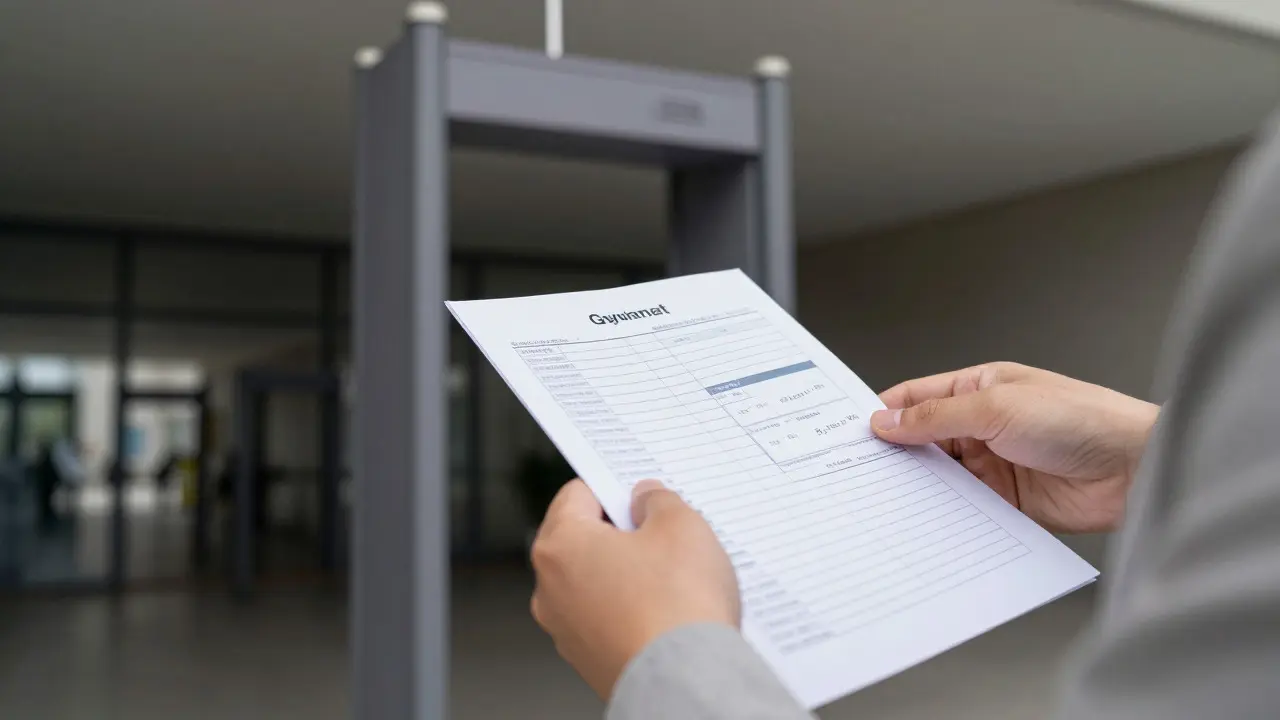
- ID Requirements: Government-issued photo ID is non-negotiable. Expired licenses are a common reason for denial. Kids need birth certificates or custody documents if applicable.
- Contraband Checks: No phones, no cameras, no large bags. Leave valuables in your car. Some facilities ban jewelry entirely to prevent hiding spots.
- Clothing Restrictions: Avoid clothing with logos, slogans, or bright colors that might be interpreted as gang affiliation or distraction. Neutral tones are safest.
- Food and Drink: Usually prohibited unless the facility provides vending machines. Bringing outside food can result in immediate ejection.
If you’re visiting multiple times a month, consider creating a checklist. Print it out and keep it in your wallet. It takes five seconds to check against the list before you leave home, but it saves hours of stress at the gate.
Navigating Disputes and Appeals
What if you’re denied entry without explanation? Or if a visit is cut short unfairly? You have options, but they require documentation.
First, ask for the name and badge number of the officer who made the decision. Write it down immediately. Next, request a written explanation if possible. While many officers will just say "policy," getting it in writing forces accountability.
If the issue persists, file a grievance through the facility’s internal system. Most states have a formal grievance process for both inmates and visitors. It’s slow, but it creates a paper trail. Alternatively, contact a local public defender or a legal aid organization specializing in prisoner rights. They often know which facilities have lax enforcement and which are strict.
Don’t argue at the gate. It rarely helps. Save your energy for the follow-up. A calm, documented approach is far more effective than a heated confrontation with security staff.
Remote Visitation: The Digital Alternative
Since 2020, video visitation has become a standard feature in most US prisons. Platforms like Securus Technologies and Global Tel Link dominate this space. It’s not a perfect substitute for face-to-face contact, but it’s better than silence.
Key considerations for remote visits:
- Cost: Fees range from $0.05 to $0.15 per minute, plus monthly subscription fees for some plans. Compare providers before choosing.
- Schedule Conflicts: Remote visit slots are separate from in-person slots. You can often do both, but not simultaneously.
- Technical Issues: Have a backup plan. If the Wi-Fi drops, can you restart the session? Know the provider’s support number.
For families living far away, remote visitation is a lifeline. It allows for regular check-ins without the travel burden. Just remember: the quality of connection matters. A blurry, laggy video call can be more frustrating than no call at all.
FAQ
How far in advance should I book a prison visit?
Most facilities allow bookings 14 to 30 days in advance. Book as soon as the window opens, especially for popular weekends or holidays. Set a reminder for the exact date and time the portal opens.
Can I bring my child to a prison visit?
Yes, but rules vary. Some facilities require proof of guardianship or custody papers. Children under a certain age (often 5 or 10) may need to be accompanied by an adult. Check the specific facility’s policy on minors before planning the trip.
What happens if I arrive late to a visit?
Many facilities have a grace period of 10-15 minutes. After that, you may lose your spot or be charged a fee. If traffic is expected, call ahead to see if you can shift to a later slot or if they’ll hold your place.
Are phone calls and visits the same thing?
No. Phone calls are usually limited to 15-30 minutes per week and are monitored. Visits are longer, face-to-face interactions (or video) with different rules. You can have both, but they operate on separate schedules and budgets.
How do I find out if an inmate has lost visitation privileges?
Check the facility’s online inmate locator for status updates. If it’s not listed, call the visitation office directly. Inmates sometimes don’t tell their families about discipline issues until after the fact, so verify independently.