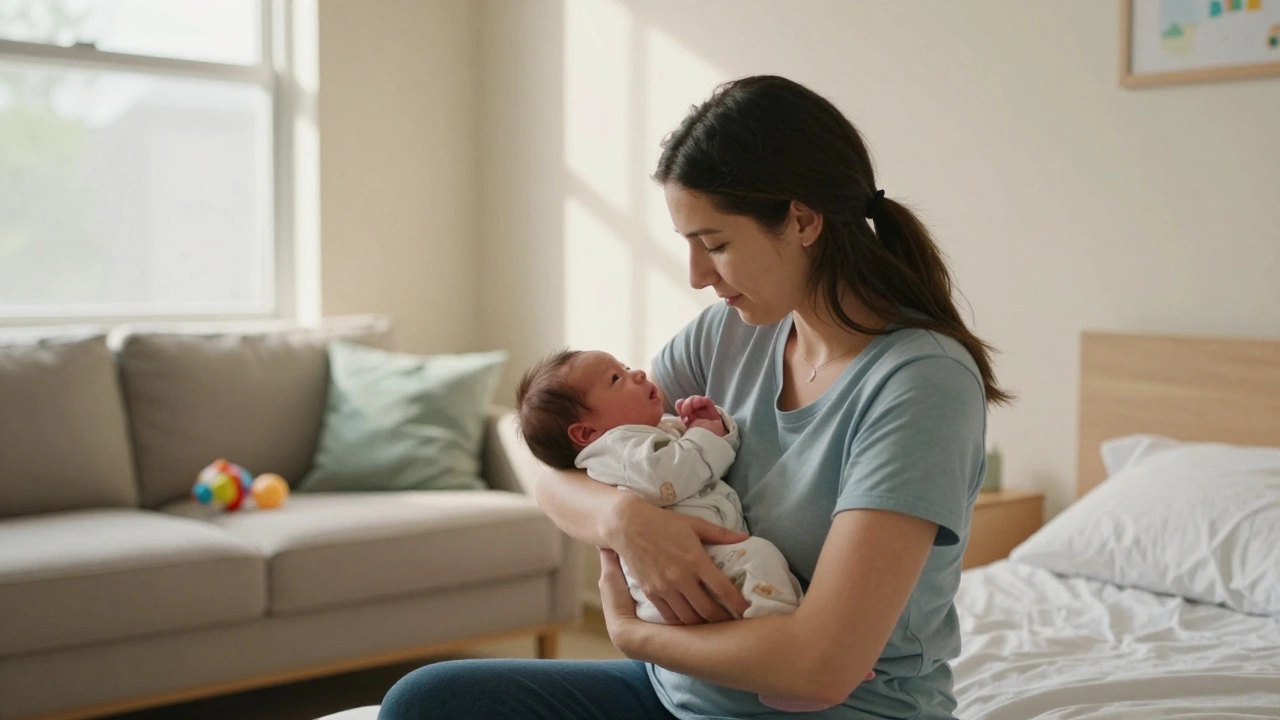
Imagine giving birth to your child and being forced to hand them over within days because you were behind bars. That has been the default reality for too many justice-involved mothers. But things are shifting. We are seeing a move away from that standard practice toward a model that prioritizes keeping mothers and babies together when it is safe to do so. This shift relies heavily on specialized Women-Focused Reentry Services, which target the unique needs of pregnant and parenting women returning to society. These aren't just general counseling sessions; they are comprehensive ecosystems designed to protect maternal health, secure parent-child bonds, and prevent recidivism.
The Reality of Separation and Connection
In the past, the system viewed pregnancy in prison largely as a logistical challenge rather than an opportunity for intervention. Standard procedure meant that a woman would give birth, often in a hospital bed alone, and immediately lose contact with her newborn. The trauma of this separation ripples outward. It disrupts the critical window for attachment and leaves the mother feeling isolated and unsupported just when she needs stability the most.
Specialized reentry services flip this script. They operate on the principle that safety for the family unit can exist even if one parent is currently incarcerated. By providing structured environments where mothers and infants can live together under supervision, these programs reduce intergenerational trauma. When we look at the data, the distinction becomes clear. Programs that maintain family unity report better outcomes for both the mother's mental health and the child's development compared to those that mandate immediate separation.
Federal Programs and Residential Options
At the federal level, the approach is formalized through the Federal Bureau of Prisons. Their flagship initiative here is the Mothers and Infants Together (MINT) Program, a residential service for eligible female inmates. Under this framework, pregnant women are transferred to one of five Residential Reentry Centers during the final two months of their pregnancy. This transfer isn't merely administrative; it prepares the environment for birth and early parenting. Once the baby arrives, the mother doesn't face immediate discharge. Instead, she gets a minimum of three months to bond with her child, though the recommendation leans toward six months to solidify that attachment.
These centers differ significantly from standard penitentiary conditions. They offer more privacy for medical appointments, allowing mothers to discuss health concerns without the fear of judgment from staff or other inmates. The focus is on preparation for life outside the walls. While inside, they begin accessing vocational training and case management. The goal is that by the time the baby is six months old, the mother is equipped with job skills, a housing plan, and a deep understanding of infant care.
State-Level Innovation and Community Models
While federal programs set a baseline, state prisons often drive innovation due to their direct control over daily operations. States like Minnesota, Alabama, Georgia, North Carolina, Texas, and Virginia have built out enhanced perinatal support systems. In Washington State, the Department of Corrections implemented gender-responsive programming that includes culturally relevant support networks. This regional variation means that the quality of support depends heavily on geography, but the best practices are spreading.
Region
Key Services Offered
Focus Area
Minnesota
Doula support, extended post-release care
Sustained attachment and trauma-informed care
Alabama
Lactation counseling, parenting curriculum
Health and education integration
Washington
Culturally responsive programming, family visits
Community-based reentry and family ties
Montana
Contact visits, in-prison parenting tools
Maintaining bonds during incarceration
Community-based alternatives are also gaining traction. Some jurisdictions allow noninstitutional options where mothers reside with their babies in community settings while serving their sentences under supervision. This is often reserved for low-risk cases pre-adjudication or near completion of sentences. It mirrors the goals of MINT but removes the prison entirely from the equation. The result is that the infant develops in a normal home environment while receiving necessary monitoring.
Evidence-Based Parenting Curricula
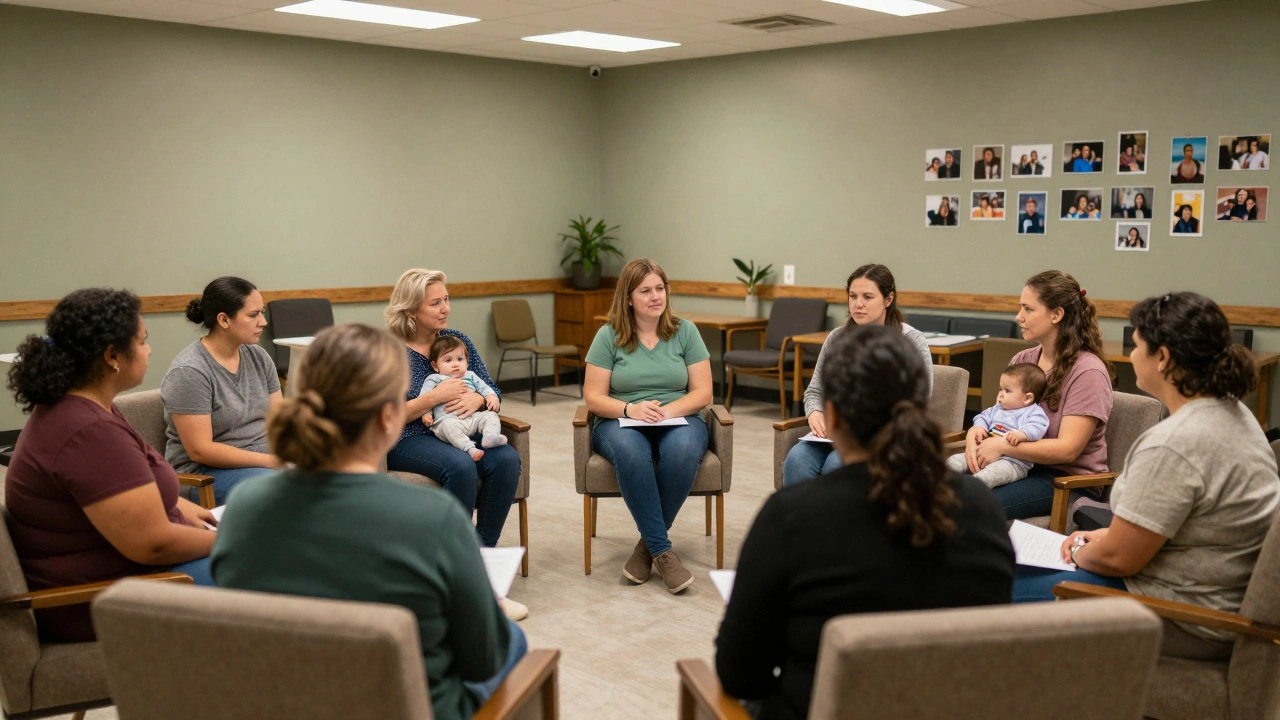
Education is a pillar of these services, but standard parenting classes rarely work for this population. You need materials that account for trauma, substance use history, and the stress of the carceral environment. One widely adopted curriculum is "Parenting Inside Out." This isn't just about diaper changes and feeding schedules; it focuses on emotional regulation and the psychological aspects of caregiving.
Minnesota developed its own specialized tracks called "Pregnancy and Beyond" and "Mothering Inside." These courses address the specific first year of a child's life and the ongoing role of a mother who may still be in custody or returning to a home after years away. Implementation varies, but when these curricula are fully utilized, participation increases significantly. Fathers are included in some models, such as the "InsideOut Dad" program run in partnership with facilities, ensuring the entire support network is engaged.
Physical Support: Doulas and Lactation
Medical care during pregnancy shouldn't end at release. Many women suffer from complications simply because their care stops abruptly when they leave a facility. To combat this, several programs integrate doula support directly into the reentry pipeline. Doulas are trained in trauma-responsive care, meaning they understand that a woman in the system may react differently to medical authority due to past experiences.
Beyond labor support, there is a growing emphasis on lactation counseling. Breastfeeding provides significant health benefits, but it is physically impossible in traditional prison settings. Facilities that prioritize this issue create designated spaces for pumping and educate staff on milk storage and transport rules so mothers can share breastmilk with their babies during visitation. Minnesota and Alabama lead here, extending one-on-one support for up to six months after release. This continuity helps the mother feel competent and valued rather than stigmatized.
Trauma-Informed Approaches
You cannot effectively help a parent recover without addressing their trauma. Many justice-involved women have histories of abuse, violence, or neglect before entering the system. Standard correctional interactions often exacerbate this trauma through rigid hierarchies and punitive measures. Trauma-informed services treat participants as worthy of autonomy and care, reinforcing reproductive justice principles.
Practical examples of this lens in action include yoga classes sanctioned by organizations like the Prison Yoga Project. These aren't just exercise routines; they teach self-regulation and body awareness. Officers themselves receive training on how to interact with pregnant residents in a way that minimizes stress. When a correctional officer understands the triggers that cause anxiety in a pregnant woman, the environment becomes safer for everyone. Mental health support is woven into every interaction, not siloed into a separate appointment time.

Safety Planning and Economic Stability
A successful return to society requires more than love; it requires resources. A mother needs a roof, income, and legal clarity. Post-release services in advanced programs include intensive case management that bridges the gap between prison doors and community stability. Staff assist with navigating family court issues and mitigating child support debt that accumulated during incarceration.
Safety planning is a distinct component of this work. It addresses the risk factors that contributed to the initial incarceration. If a woman was incarcerated due to substance-related offenses, her safety plan includes substance use treatment referrals. If she was involved in relationship violence, it includes connections to shelters and advocacy groups. In Montana, for instance, post-release assistance extends for six months, covering job training, fatherhood education (where relevant), and transportation to appointments. Transportation alone is a massive barrier for many new mothers trying to keep medical appointments.
Policy Gaps and Future Standards
Despite these successes, coverage remains uneven across the country. Twelve states have enacted laws specifically regarding sentencing alternatives for pregnant people, leaving many others with inconsistent guidelines. The legislative landscape is moving, however. Recently, Congress introduced the Protecting the Health and Wellness of Babies and Pregnant Women in Custody Act. This bill aims to create a national standard of care for labor, delivery, and the postpartum period, addressing the wide variance that currently exists between state lines.
Whistleblower complaints regarding mistreatment in immigration detention facilities highlight the urgency of these standards. We cannot wait for incidents to happen before establishing protocols. The goal is universal access to basic reproductive healthcare rights, including the ability to decide how to manage pregnancy and birth regardless of custody status.
Frequently Asked Questions
Are all incarcerated women eligible for parenting programs?
Eligibility varies significantly by jurisdiction and program. Most specialized programs require a low security risk status and a clean disciplinary record while incarcerated. Eligibility criteria are strict to ensure the safety of the infant. Some programs, like MINT, require that the mother be serving time at a facility that can transfer her to a Residential Reentry Center near the end of her sentence.
How long can a baby stay with their mother in a prison nursery?
Duration depends on the specific program. In the MINT program, infants can typically stay until they are six months old. In community-based residential parenting programs, the length of stay might vary based on the mother's remaining sentence or probation terms. Generally, the goal is to provide enough time to establish a secure attachment, usually ranging from four months to one year depending on local laws and facility capacity.
What happens if a woman is denied access to these services?
Without specialized programming, most women transition into standard reentry services upon release, which lack prenatal or infant-specific focus. They often face immediate separation from their children if born in custody. Legal advocates or public defenders can sometimes intervene to request alternative sentencing or placement in available residential programs during the legal process to mitigate this outcome.
Do these programs help with recidivism rates?
Evidence suggests yes. Studies indicate that maintaining strong family bonds and providing economic support reduces the likelihood of returning to custody. When women view themselves as caregivers and have practical tools for employment and parenting, their motivation to avoid future offenses increases. Successful reentry correlates strongly with sustained maternal engagement.
Is lactation support legally protected in correctional facilities?
Federal law does not universally mandate lactation support in all facilities yet, though trends are moving that way. Some states like Minnesota and Alabama have explicit policies supporting it. However, the Protecting the Health and Wellness of Babies and Pregnant Women in Custody Act aims to standardize this protection nationally if passed, ensuring consistent access to pump space and storage.