
Imagine a scenario where seconds count. An individual collapses in a cell block. The environment is high-security, resources are limited, and the stakes are life or death. This is not a standard hospital emergency room. It is a correctional facility. Recognizing and responding to acute illness in correctional settings requires specialized protocols that balance immediate medical intervention with strict security mandates. For healthcare providers, correctional officers, and administrators, the ability to identify distress signals early can mean the difference between survival and tragedy.
The unique nature of these environments creates distinct challenges. Medical care must be delivered while maintaining safety for staff, patients, and other incarcerated individuals. Understanding how to navigate this complex landscape is critical for anyone working within the criminal justice system. This guide breaks down the essential steps for recognizing signs of medical emergencies and executing effective response strategies.
The Dual Mandate: Security Meets Healthcare
In any typical medical setting, the primary focus is patient care. In a correctional facility, the focus splits. Staff must provide life-saving treatment while ensuring no security breaches occur. This dual mandate often creates tension. A nurse performing primary assessment a quick evaluation of airway, breathing, and circulation cannot ignore their surroundings. They must ensure the staff mix present is appropriate for safe care delivery.
This reality means that standard medical protocols are adapted. For example, stabilizing a patient might involve applying restraints before administering medication. While this may seem counterintuitive in a civilian context, it is necessary to prevent violence or escape attempts during a vulnerable moment. The goal remains the same: save the life. The method, however, requires heightened situational awareness.
Correctional facilities function as high-risk congregate settings. Dormitory-style housing, limited space for isolation, and the constant movement of residents complicate infectious disease management. Diseases like influenza, tuberculosis, and norovirus spread easily. Early recognition of symptoms is not just about individual health; it is about public health containment.
Early Recognition: The First Line of Defense
Professional medical personnel are not always on hand when an incident begins. Often, the first responders are correctional officers or peer inmates. Training these non-healthcare staff to recognize verbal and behavioral cues is vital. Signs of medical emergencies sudden health crises requiring immediate attention can be subtle.
- Behavioral Changes: Sudden agitation, confusion, or withdrawal may indicate drug withdrawal, intoxication, or a mental health crisis rather than just disciplinary issues.
- Physical Symptoms: Pale skin, excessive sweating, difficulty breathing, or clutching the chest are classic signs of cardiac events.
- Verbal Cues: Complaints of dizziness, nausea, or severe pain should never be dismissed as manipulation without proper assessment.
The National Institute of Corrections (NICIC) a federal agency providing training and technical assistance to correctional agencies emphasizes that staff must notify healthcare providers immediately upon observing deteriorating health. Delaying notification due to fear of stigma or belief that the complaint is minor can lead to fatal outcomes. Early intervention allows for stabilization before conditions worsen.
Standardized Training Protocols
Effective response relies on rigorous training. According to guidelines from Nursing CE Central, all personnel-both healthcare and non-healthcare-must undergo initial on-hire training followed by annual refreshers. Competency-based skill verification ensures that staff retain critical knowledge.
Key training components include:
- CPR and AED Usage: Cardiopulmonary Resuscitation and Automated External Defibrillator skills are mandatory for designated staff.
- Basic Life Support: Techniques to maintain airways and control bleeding until advanced help arrives.
- Mental Health Crisis Intervention: Distinguishing between disruptive behavior and acute psychiatric episodes.
- Suicide Precautions: Identifying risk factors and implementing immediate safety measures.
- Interfacility Transfer Protocols: Knowing when and how to move a patient to a higher level of care.
These protocols ensure that every staff member knows their role. When an alarm sounds, there is no hesitation. Everyone acts according to their training, creating a coordinated response effort.
Triage and Assessment Procedures
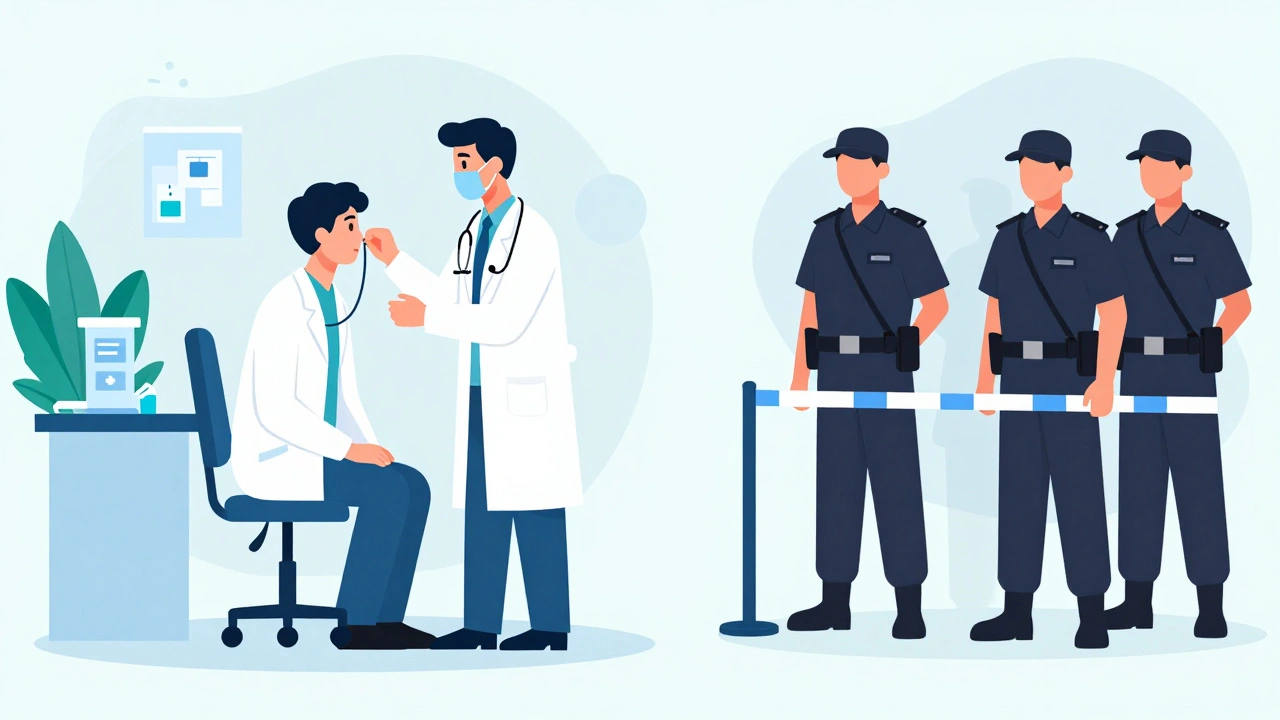
Once an emergency is identified, the triage process begins. In correctional settings, this follows specific algorithms designed for speed and accuracy. Color-coded identifier systems help teams quickly determine priority levels. Red indicates immediate life-threatening conditions, while yellow or green signifies less urgent needs.
The initial assessment phase involves checking the ABCs: Airway, Breathing, and Circulation. Staff also perform a body check for severe bleeding or gross deformities. Treatment is provided to the level of training. If the situation exceeds facility capabilities, Emergency Medical Services (EMS) are activated immediately.
Consider the intake process as well. When individuals enter a jail or prison, they undergo rapid medical screening. This is the first opportunity to identify existing conditions or acute issues. However, this process has limitations. Officers primarily control the environment, and ill individuals may not be identified if screening is not comprehensive. Therefore, ongoing vigilance after intake is crucial.
| Scenario Type | Primary Focus | Key Challenge | Response Strategy |
|---|---|---|---|
| Individual Event (e.g., Cardiac Arrest) | Patient-centered care | Maintaining security during CPR | Immediate stabilization, EMS activation |
| Mass Casualty (e.g., Riot, Fire) | Triage and resource allocation | Overwhelmed staff resources | Broad approach, prioritize most critical cases |
| Infectious Disease Outbreak | Containment and monitoring | Limited isolation space | Screening, PPE usage, cohorting patients |
Managing Infectious Diseases
Correctional facilities are hotspots for communicable diseases. The close quarters and shared facilities facilitate transmission. Infection Prevention and Control (IPC) protocols designed to stop the spread of pathogens plans must be facility-specific. These include procedures for bloodborne pathogen exposure and tuberculosis control.
For instance, transporting a patient with suspected tuberculosis requires special security vehicles equipped with filtration systems. Staff must wear appropriate Personal Protective Equipment (PPE). Residents often hesitate to disclose symptoms due to fear of isolation or disciplinary action. Overcoming this reluctance requires trust and clear communication about health benefits versus security consequences.
Early detection allows for effective treatment of conditions like HIV, hepatitis C, and syphilis. Treating these illnesses within the facility not only improves individual health but also reduces community transmission upon release. Public health guidance, such as CDC Respiratory Virus Guidance, informs facility-level decisions on monitoring and isolation.
Coordination with External Hospitals
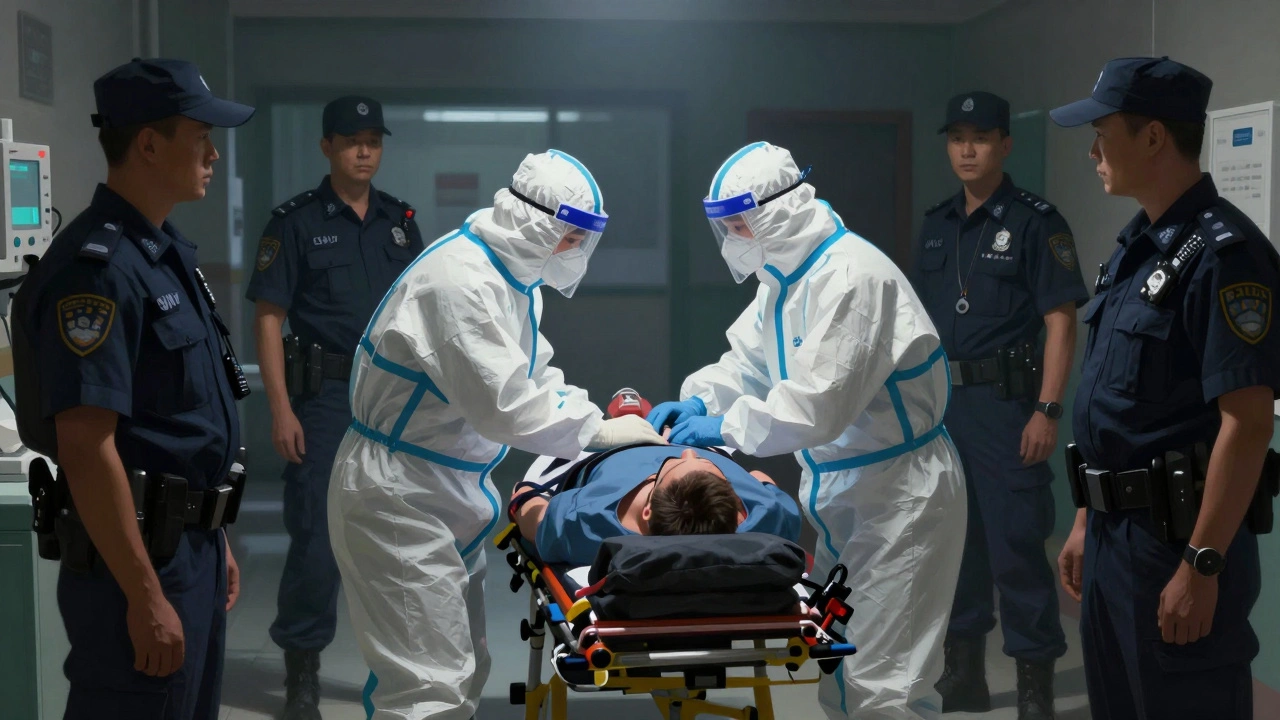
When facility-level care is insufficient, patients are transported to external Emergency Departments (EDs). This transition introduces new complexities. The American College of Emergency Physicians (ACEP) a professional organization representing emergency medicine physicians highlights several key considerations for ED staff treating detainees.
First, follow-up care may be impossible. Correctional facilities might not allow timely return visits or medication compliance checks. ED staff must listen carefully to complaints and reassess if concerns persist. Discharge instructions must be clear and simple, recognizing that the patient may not have access to standard resources.
Second, communication is vital. ED physicians should contact the correctional facility’s healthcare provider to update them on management needs. This ensures continuity of care once the patient returns. Without this link, critical information may be lost, leading to mismanagement of chronic or acute conditions.
Trauma-Informed Care Approaches
An emerging best practice is trauma-informed care an approach that recognizes the widespread impact of trauma and promotes healing. Incarcerated populations experience high rates of Post-Traumatic Stress Disorder (PTSD) and past trauma. Behavioral manifestations of acute medical or mental health crises can mimic disruptive conduct.
Staff trained in trauma-informed practices understand this distinction. They respond with de-escalation techniques rather than punitive measures. This approach reduces the risk of exacerbating medical conditions through stress-induced reactions. The Illinois Criminal Justice Information Authority (ICJIA) documents how evidence-based programs address trauma, improving overall facility safety and health outcomes.
By integrating trauma awareness into acute illness response, facilities create a more humane and effective environment. Patients feel safer seeking help, and staff handle crises with greater empathy and precision.
Systemic Challenges and Future Directions
The systemic challenge lies in balancing security imperatives with healthcare quality. Resources are often stretched thin. Staff turnover can disrupt training consistency. Despite these hurdles, progress is being made. Webinars, audits, and updated guidelines from organizations like NICIC support continuous improvement.
Future directions include leveraging technology for remote monitoring and telemedicine. These tools can enhance early detection and reduce the need for physical transfers. Additionally, expanding mental health integration will address the root causes of many behavioral emergencies.
Ultimately, recognizing and responding to acute illness in correctional settings requires a collaborative effort. It demands respect for both the dignity of the individual and the necessity of security. By adhering to established protocols and fostering a culture of vigilance, correctional facilities can save lives and uphold their duty of care.
Who is responsible for identifying acute illness in correctional facilities?
Responsibility is shared. Correctional officers, peer inmates, and healthcare staff all play roles. Officers and peers are often the first to notice changes in behavior or physical condition. They must notify medical personnel immediately. Healthcare providers then conduct formal assessments and initiate treatment protocols.
What are the most common acute medical emergencies in prisons?
Common emergencies include cardiac arrest, stroke, severe asthma attacks, and complications from chronic conditions like hypertension. Additionally, injuries from violence or self-harm are frequent. Mental health crises and substance withdrawal also present as acute medical issues requiring immediate attention.
How does security affect medical treatment in jails?
Security protocols require staff to maintain awareness of their surroundings during treatment. This may involve using restraints, having additional officers present, or limiting movement. While this adds complexity, it ensures that medical care does not compromise facility safety or staff security.
Why is early recognition of infectious diseases important in correctional settings?
Correctional facilities are congregate settings where diseases spread rapidly. Early recognition allows for isolation, treatment, and containment. This protects not only the infected individual but also the broader population, including staff and other inmates. It also facilitates effective treatment of communicable diseases like TB and HIV.
What training do correctional staff receive for medical emergencies?
Staff receive initial training and annual refreshers. Key topics include CPR, AED usage, basic first aid, recognizing signs of mental health crises, and suicide prevention. Non-healthcare staff are trained to identify potential emergencies and initiate response protocols before professional medical help arrives.
How do hospitals handle detainees transferred from correctional facilities?
Hospitals treat detainees similarly to other patients but must consider follow-up limitations. ED staff communicate directly with correctional healthcare providers to ensure continuity of care. They provide clear discharge instructions and monitor for compliance issues, recognizing that the patient may return to a restrictive environment.
What is trauma-informed care in a correctional context?
Trauma-informed care acknowledges the high prevalence of PTSD among incarcerated individuals. It involves responding to behavioral crises with de-escalation techniques rather than punishment. This approach helps distinguish between medical/psychiatric emergencies and disciplinary issues, leading to better health outcomes and increased safety.
Can inmates hide symptoms of acute illness?
Yes, inmates may hide symptoms due to fear of stigma, medical co-pays, disciplinary action, or placement in isolation. This makes early recognition by observant staff crucial. Training focuses on identifying subtle behavioral and physical cues that indicate underlying health problems even when patients do not volunteer information.