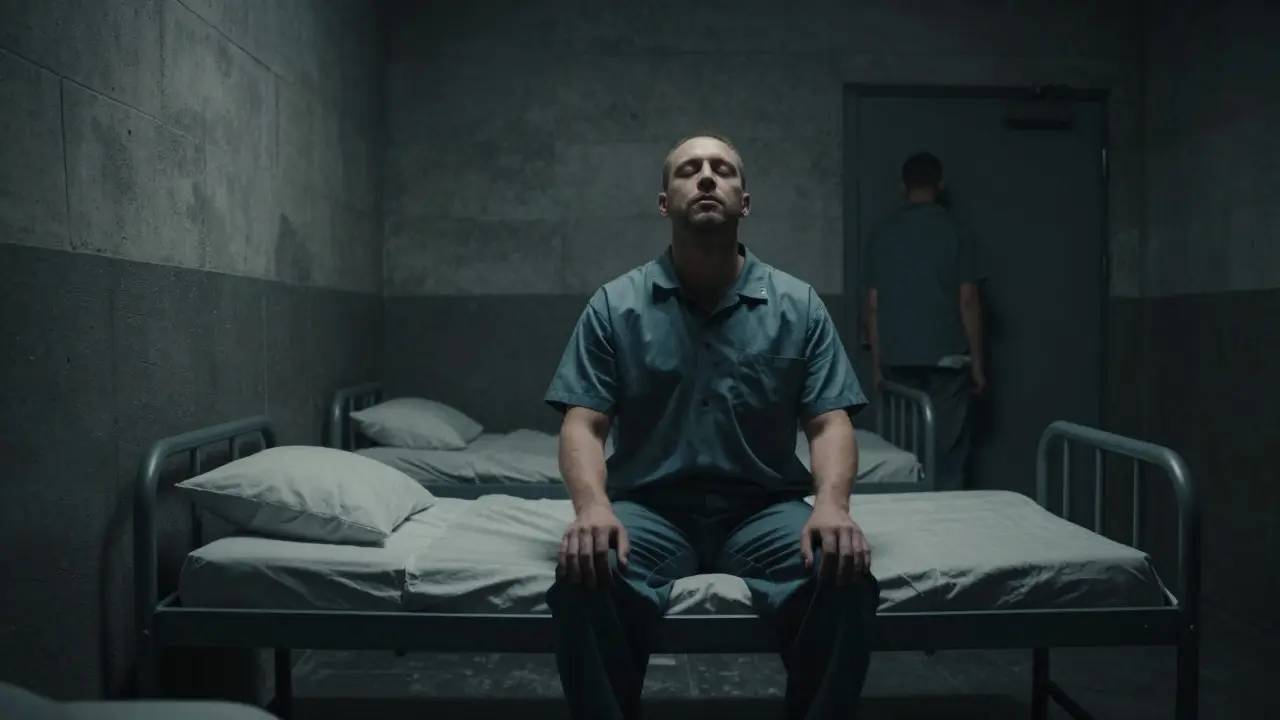
Imagine you are stuck in a concrete cell with no phone, no internet, and a roommate who is constantly picking fights. How do you keep your cool? For many incarcerated individuals, this isn't a hypothetical; it is daily life. Cognitive Behavioral Therapy (CBT) is a structured psychological treatment that helps people identify and change negative thought patterns and behaviors. When applied in correctional facilities, standard CBT often feels too abstract for the immediate chaos of prison life. That is where specific problem-solving instruction comes in. It turns theory into action, giving inmates practical tools to handle conflicts, manage stress, and plan for reentry before they even walk out the gate.
The Core Framework: What Problem-Solving Means in Correctional Settings
Problem-solving is not just about fixing mistakes after they happen. In the context of Incarceration, it is a proactive skill set designed to reduce recidivism by improving decision-making under pressure. Traditional therapy might ask an inmate to "think about their feelings." Problem-solving instruction asks them to "map out the next three steps." This shift from reflection to execution is critical because prison environments reward quick reactions, which often lead to disciplinary infractions or violence.
The core entity here is the Problem-Solving Model, which typically consists of five distinct stages. These stages are taught as a loop, not a straight line, because real-life problems rarely resolve in one pass. The model relies on breaking down overwhelming situations into manageable components. By mastering these stages, inmates develop what psychologists call "cognitive flexibility," the ability to switch between different thinking modes when faced with new challenges.
Step One: Defining the Problem Without Judgment
The first step is often the hardest. Many inmates define problems based on blame. If a fight breaks out, the definition becomes "the other guy started it." This traps them in a cycle of defensiveness. Effective instruction teaches inmates to define the problem objectively. Instead of "he disrespected me," the objective definition is "we both feel our space was invaded, leading to raised voices."
Facilitators use worksheets to help inmates separate facts from interpretations. Facts are observable events: "He walked past me without looking." Interpretations are subjective judgments: "He was trying to start trouble." By distinguishing these two, inmates reduce emotional reactivity. This step requires active listening and self-monitoring, skills that are directly transferable to workplace interactions post-release.
Step Two: Brainstorming Solutions Without Criticism
Once the problem is clearly defined, the next phase is generating options. A common pitfall in group settings is premature judgment. If one inmate suggests apologizing, another might mock them as weak. To prevent this, facilitators enforce a "no criticism" rule during brainstorming. The goal is quantity over quality at this stage.
Inmates are encouraged to list every possible response, even the unrealistic ones. Did they want to punch the person? Write it down. Did they want to leave the room? Write it down. Did they want to ignore it? Write it down. This process exhausts the mental energy spent on hidden thoughts and brings them into the open. Research in correctional psychology shows that simply verbalizing options reduces anxiety levels significantly, as the brain moves from "fight or flight" mode to analytical mode.
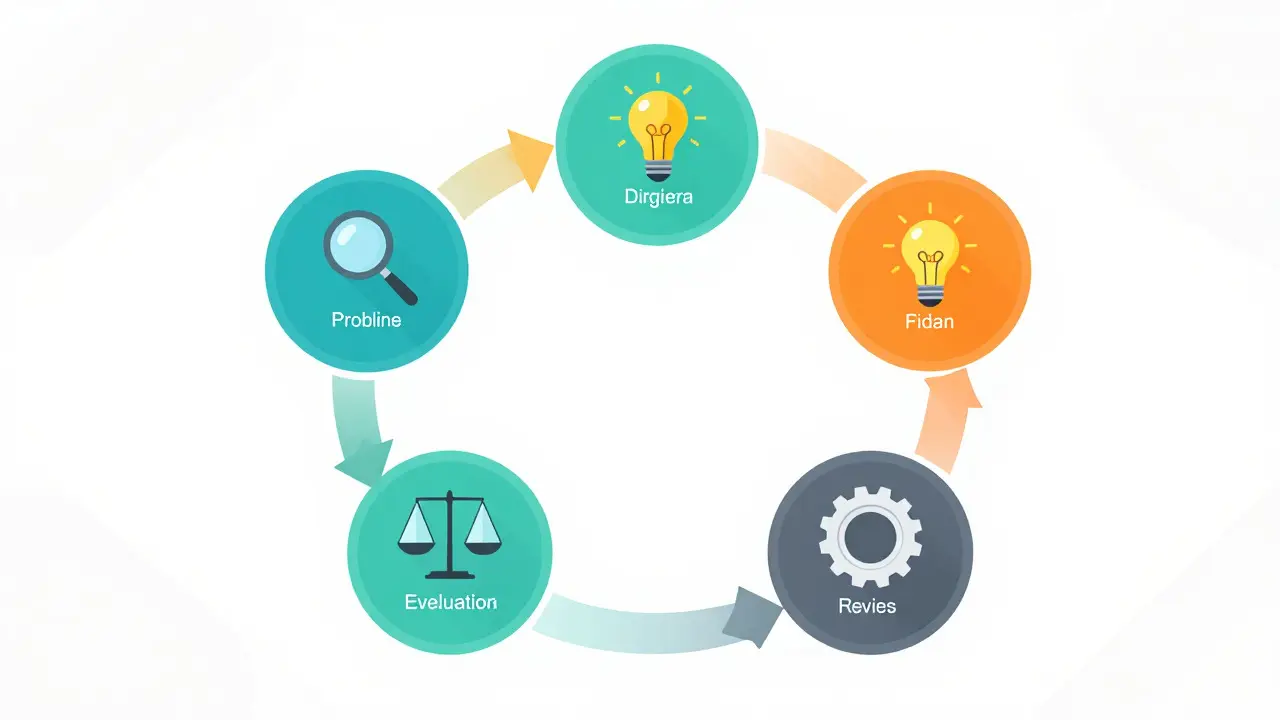
Step Three: Evaluating Consequences and Choosing a Path
Now comes the critical analysis. Inmates must weigh the short-term and long-term consequences of each option. This is where Risk Assessment becomes a tangible skill. Facilitators guide the group through a cost-benefit analysis. For example, if the chosen solution is to confront the roommate, what is the risk of a shakedown? What is the benefit of establishing boundaries?
This step also introduces the concept of "second-order thinking." Most criminal behavior stems from focusing only on first-order outcomes (e.g., "I will get my revenge"). Second-order thinking asks, "And then what?" Will the revenge lead to a loss of good time credits? Will it cause family members to stop visiting? By mapping these downstream effects, inmates learn to delay gratification and prioritize long-term stability over immediate emotional relief.
Step Four: Implementing the Plan and Monitoring Progress
A plan on paper is useless without execution. This step involves creating a specific, measurable action plan. Vague intentions like "be nicer" fail. Specific plans like "I will say hello to my roommate twice a day and avoid eye contact during his angry episodes" succeed. Inmates practice these scripts in role-play scenarios within the therapy group. Role-playing allows them to rehearse responses in a safe environment before facing the real thing in the dormitory or yard.
Monitoring progress is equally important. Inmates keep a simple log of incidents. Did they follow the plan? What triggered the deviation? This data provides concrete evidence of growth, which boosts self-efficacy. Seeing a pattern of successful resolutions reinforces the belief that they have control over their reactions, a key component of lasting behavioral change.
Step Five: Reviewing Outcomes and Adjusting Strategies
The final step closes the loop. After the action is taken, the inmate reviews the outcome. Did the problem resolve? If yes, the strategy is added to their personal toolkit. If no, they return to Step Two to generate new options. This iterative process mirrors professional project management techniques but is adapted for personal social dynamics. It teaches resilience: failure is not a dead end but a data point for adjustment.
This review phase is crucial for preventing relapse. Many inmates feel confident after a few successful weeks but struggle when a major crisis hits. Regular reviews ensure that their problem-solving skills remain sharp and adaptable. It transforms CBT from a passive listening exercise into an active lifestyle habit.
Overcoming Barriers in High-Stress Environments
Implementing these steps in a prison is not easy. The environment itself can sabotage progress. Noise, overcrowding, and lack of privacy make it hard to think clearly. Facilitators address this by teaching "micro-breaks." Inmates learn to take ten seconds to breathe deeply before reacting, creating a small window for the problem-solving model to kick in. This physiological regulation is the foundation upon which cognitive skills are built.
Another barrier is stigma. Some inmates view therapy as a sign of weakness. To counter this, instructors frame problem-solving as a survival skill, similar to learning how to cook or maintain hygiene. It is practical, not emotional. This reframing increases engagement and participation rates. When inmates see peers successfully using these techniques to avoid fights or gain privileges, peer influence drives adoption more effectively than any lecture could.
Preparing for Reentry: Transferring Skills to Society
The ultimate goal of prison CBT is successful reintegration. Problem-solving skills learned behind bars must translate to the outside world. Job interviews, landlord negotiations, and family reunions all require the same five-step process. Facilitators explicitly map prison scenarios to community scenarios. For instance, dealing with a difficult guard translates to dealing with a difficult boss. Both require defining the issue, brainstorming respectful responses, evaluating career risks, and implementing a professional demeanor.
This transferability is what makes problem-solving instruction so valuable. It bridges the gap between institutional life and free society. Inmates who master these skills report higher confidence in their ability to find employment and maintain stable housing. They enter the community not just with a clean record, but with a proven methodology for handling life's inevitable hurdles.
Frequently Asked Questions
How long does it take for inmates to master problem-solving skills?
Most programs show significant improvement in behavioral markers within 8 to 12 weeks of consistent practice. However, true mastery, where the skills become automatic under high stress, often takes several months of reinforcement. The timeline varies depending on the individual's baseline cognitive abilities and the intensity of the therapeutic environment.
Is problem-solving instruction suitable for inmates with low literacy levels?
Yes. The method relies heavily on verbal discussion, role-playing, and visual aids rather than complex written assignments. Facilitators adapt materials to be oral-based, ensuring that literacy barriers do not prevent access to these critical life skills. Visual flowcharts of the five steps are often posted in group rooms for constant reference.
What happens if an inmate fails to follow the plan?
Failure is treated as a learning opportunity, not a punishment. The group returns to Step Five to analyze why the plan failed. Was the trigger unexpected? Was the consequence underestimated? This non-punitive approach encourages honesty and continuous improvement, which is essential for long-term behavioral change.
Can these skills help reduce recidivism rates?
Studies indicate that inmates who complete structured problem-solving programs have lower recidivism rates compared to those who receive only standard counseling. The reduction is attributed to improved impulse control and better conflict resolution skills, which decrease the likelihood of returning to criminal behavior due to minor interpersonal disputes.
Do guards need special training to support this process?
Ideally, yes. When correctional officers understand the problem-solving framework, they can reinforce positive behaviors in the general population. For example, instead of immediately punishing a minor altercation, an officer trained in CBT principles might ask the inmate to explain their thought process, reinforcing the habit of self-reflection and strategic thinking.