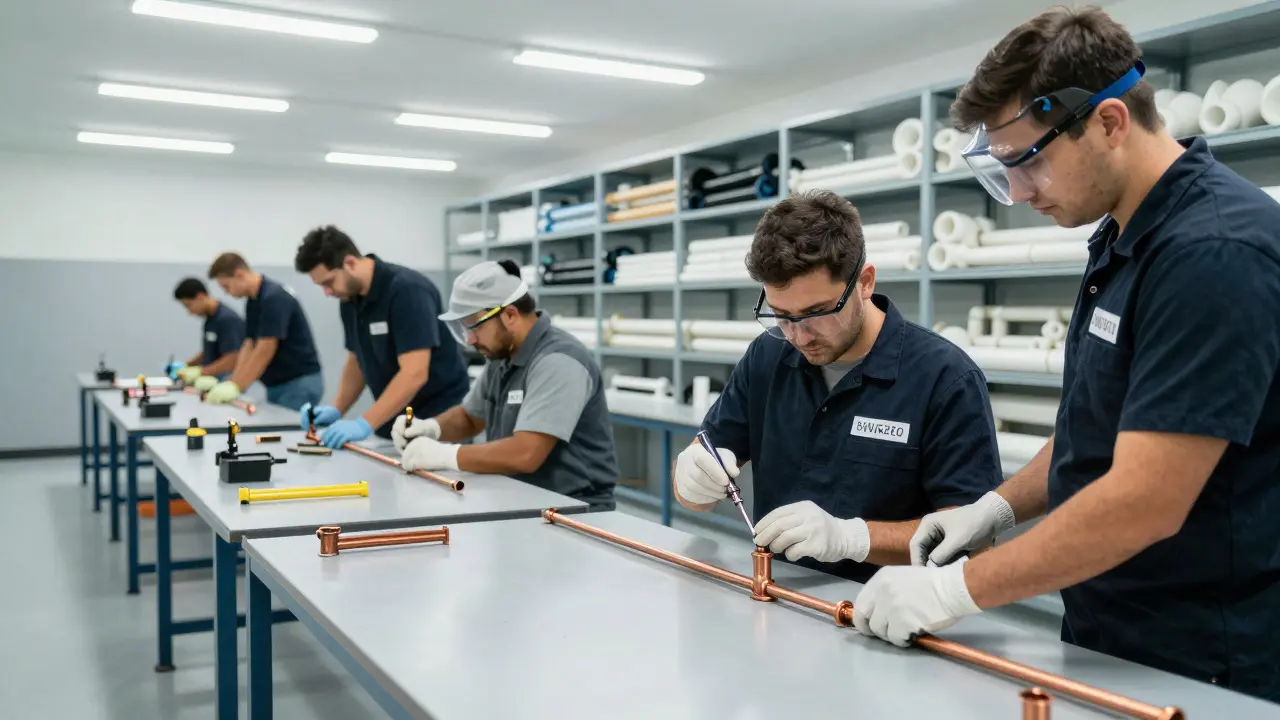
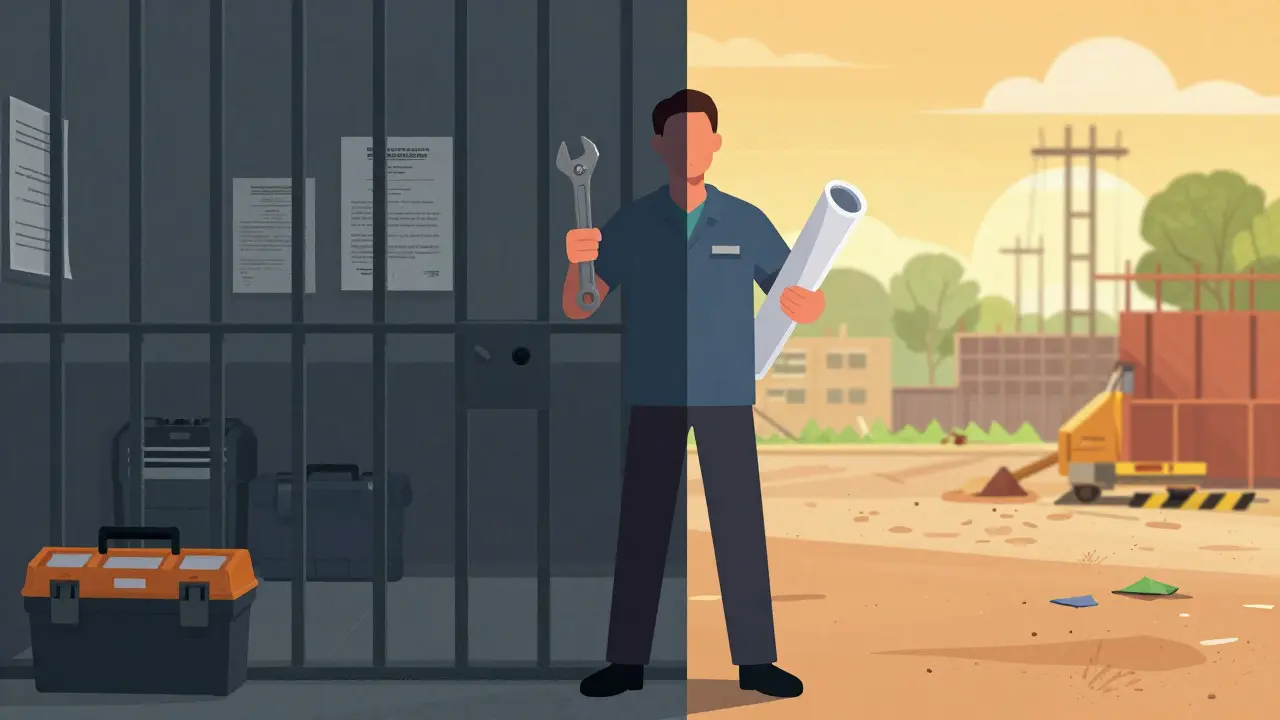
Imagine walking into a correctional facility not just to serve time, but to learn a trade that pays well after release. For thousands of inmates across the U.S., this is reality. Prison industries have evolved from simple labor camps into structured vocational hubs where skilled trades like painting, plumbing, and welding are taught with professional certification in mind. This isn't charity work; it's a strategic shift by state corrections departments to reduce recidivism and tap into a reliable, low-cost workforce for public infrastructure projects.
The core promise here is simple: you gain marketable skills while incarcerated. But does it actually translate to job offers on the outside? The data suggests yes, provided the program is rigorous and the certifications are recognized by private employers. Let’s break down how these programs work, who benefits most, and what you need to know if you or someone you know is considering this path.
Key Takeaways
- Prison Industries are state-run operations that provide vocational training and labor services to inmates.
- Top-paying trades in prison settings include Plumbing, Electrical Work, and Carpentry.
- Certifications earned inside often align with OSHA standards, making them valuable to private contractors.
- Recidivism rates drop significantly for inmates who complete trade programs compared to those who do not.
How Prison Industries Operate
At their core, prison industries function as a dual-purpose system. First, they offer inmates a way to earn wages (usually below minimum wage) and save money for post-release life. Second, they provide the state with a cost-effective labor force for maintaining facilities, building new ones, or repairing public assets. Think of it as an apprenticeship model stripped of the traditional mentorship but amplified by structured curriculum.
The operational model varies by state. Some facilities focus heavily on manufacturing, like sewing uniforms or assembling furniture. Others prioritize construction trades. In Oregon, for instance, the Department of Corrections has partnered with local community colleges to bring vocational training directly into high-security units. This means an inmate in Salem might be taking the same plumbing theory classes as a student at a nearby community college, just with a different schedule and security protocol.
It’s crucial to understand that not all prison jobs are equal. A position sorting laundry doesn’t build a resume. A position assisting a master plumber in installing pipes in a new dormitory block does. The distinction lies in the presence of a certified instructor and a defined learning outcome. If there’s no paper trail of skill acquisition, the job is just labor, not education.
Painting: More Than Just Holding a Roller
When people hear "painter" in a prison context, they often picture inmates repainting walls in their own cells. While that happens, the real value lies in surface preparation and commercial application techniques. Painting is one of the most accessible entry points into the trades because the barrier to entry is low, but the demand for quality work is high.
In a structured program, a trainee learns about:
- Surface Prep: Sanding, priming, and masking-skills that account for 70% of a painter’s billable time.
- Material Knowledge: Understanding the difference between latex, oil-based, and epoxy coatings, and when to use each.
- Safety Protocols: Proper ventilation, PPE usage, and hazardous material handling, which are critical for OSHA compliance.
Why does this matter for reentry? Commercial painting crews are always short-staffed. A former inmate who can demonstrate proficiency in spray equipment operation or large-scale wall finishing is immediately employable. Many states even allow inmates to earn a journeyman-level certificate in painting, which can shave off years of required on-the-job experience needed for full licensure in some jurisdictions.

Plumbing: The High-Value Trade
If painting is the gateway, plumbing is the gold mine. It requires more technical knowledge, higher physical stamina, and stricter licensing requirements. Consequently, the wages post-release are significantly higher. In many prison industries, plumbing trainees start by helping with drain cleaning and fixture installation. Over time, they move to pipe fitting, soldering, and reading blueprints.
The key entity here is Pipe Fitting. Mastering this skill involves understanding copper, PVC, PEX, and cast iron systems. An inmate who spends two years in a plumbing program isn’t just watching videos; they are cutting threads, bending pipes, and troubleshooting leaks under supervision. This hands-on repetition builds muscle memory that textbooks can’t replicate.
Furthermore, plumbing is a trade with less seasonal fluctuation than carpentry or landscaping. Whether it’s winter or summer, someone needs a toilet fixed or a water heater replaced. This stability makes it an attractive option for individuals seeking consistent employment upon release.
| Trade | Typical Program Length | Post-Release Avg. Starting Wage | Licensing Requirement |
|---|---|---|---|
| Painting | 6-12 months | $18-$22/hour | None (Certification preferred) |
| Plumbing | 1-2 years | $22-$30/hour | Journeyman License (varies by state) |
| Welding | 1 year | $25-$35/hour | OSHA Certification |
| Carpentry | 1-2 years | $20-$28/hour | None (Apprenticeship hours help) |
Other High-Demand Trades: Welding and Carpentry
Beyond paint and pipes, two other trades dominate prison industry catalogs: welding and carpentry. Welding is particularly lucrative because it combines mechanical aptitude with precision. Inmates in welding programs often work on structural steel repairs for the facility itself. They learn TIG, MIG, and stick welding processes. The certification they receive is usually aligned with AWS (American Welding Society) standards, which is recognized nationwide.
Carpentry, meanwhile, focuses on framing, drywall, and finish work. It’s physically demanding but offers clear progression paths. An inmate who starts as a helper can move to rough carpenter and eventually finish carpenter. The key advantage here is transferability. Construction sites exist in every major city, meaning geographic mobility is easier for carpenters than for specialized industrial workers.
The Role of Certifications and Licensing
This is where many people get tripped up. Having a "certificate" from a prison program isn’t automatically equivalent to a state license. However, most reputable prison industry programs design their curricula to meet the prerequisites for state licensing boards. For example, to become a licensed plumber in Oregon, you need specific hours of on-the-job experience. Time spent in a certified prison plumbing program counts toward these hours.
Always verify the following before enrolling:
- Is the program accredited by a recognized body (like the American Correctional Association)?
- Do the instructors hold active licenses in their trade?
- Are the certifications accepted by local unions or trade associations?
If the answer to any of these is no, the value proposition drops significantly. You’re getting a job, sure, but you’re not building a long-term career asset.
Challenges and Pitfalls to Avoid
Let’s be realistic. Not every prison industry program is a success story. Common pitfalls include:
- Understaffing: When there aren’t enough instructors, students end up doing manual labor instead of learning.
- Outdated Equipment: Learning on 1990s tools can make you uncompetitive in the modern job market.
- Lack of Mentorship: Without guidance on soft skills (punctuality, communication), technical skills alone may not land you a job.
To mitigate these risks, ask questions during intake. Request to see the curriculum. Talk to graduates if possible. And keep your eyes open for supplemental resources, like online courses or library access, to fill any gaps in the formal program.
Preparing for Reentry: Beyond the Tool Belt
Getting the trade is step one. Step two is getting hired. Employers don’t just look at skills; they look for reliability. Use your time in prison to build a portfolio. Keep photos of projects you’ve completed (with permission). Write down the specific tasks you performed. Create a simple resume that highlights your trade-specific achievements, not just your incarceration dates.
Also, network early. Many states have reentry offices that connect inmates with local employers. Attend any informational sessions offered. Connect with alumni groups for specific trades. These networks are often informal but incredibly powerful for finding first jobs.
Frequently Asked Questions
Do prison trade certificates count toward state licensing?
Yes, in most cases. Hours spent in accredited prison industry programs typically count toward the on-the-job experience required for journeyman or master licenses. Always check with your state’s licensing board to confirm specific equivalencies.
Which trade pays the most in prison industries?
Welding and Plumbing generally offer the highest post-release wages. Inside the facility, wages are lower and standardized, but the market value of the skill determines your earning potential after release.
Can I switch trades halfway through my sentence?
Usually, yes, but it depends on facility capacity and program availability. Switching resets your progress in the new trade, so it’s best to choose carefully based on your interests and long-term goals.
What is the difference between a prison job and a prison trade program?
A prison job is any assigned task, like cleaning or maintenance. A trade program is a structured educational course with certified instructors, a curriculum, and a final certification. Only trade programs build significant career capital.
How do I find out what trades are available at my facility?
Talk to your case manager or the education coordinator at your facility. They can provide a list of current openings and upcoming enrollment periods. You can also check the state Department of Corrections website for published program guides.