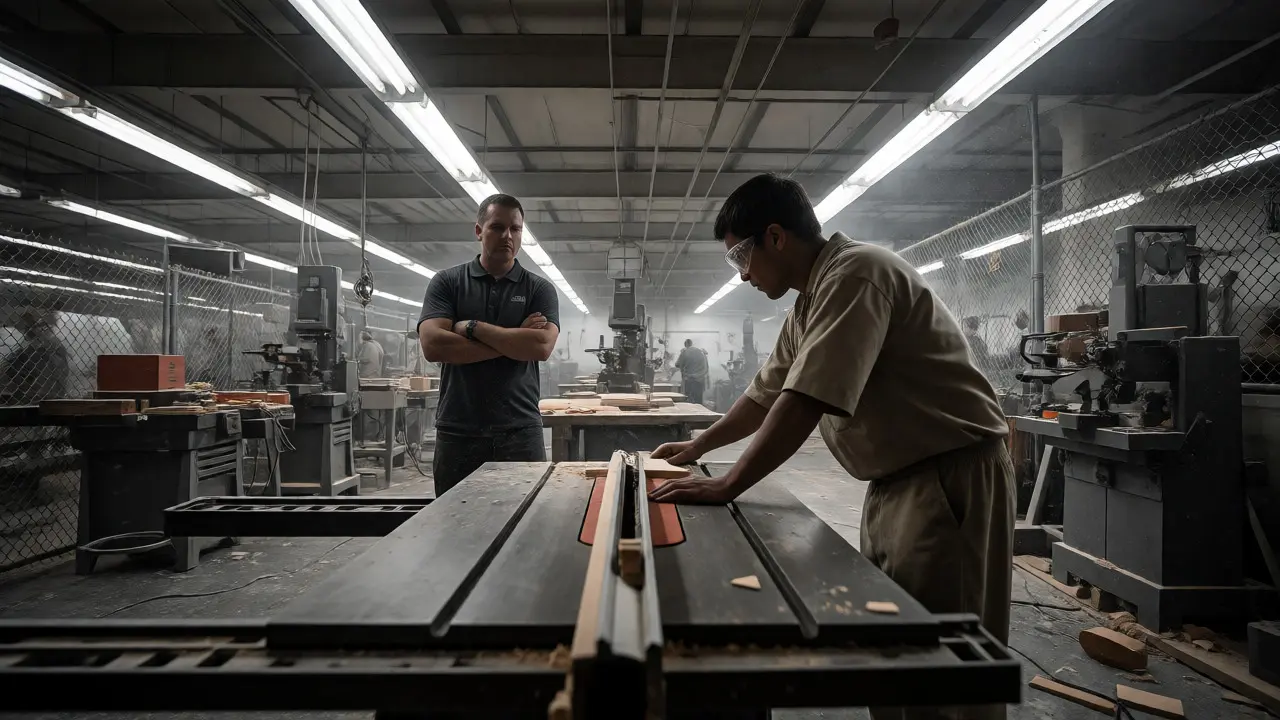
You walk into a correctional industry workshop. The air smells like sawdust and hot metal. A table saw is humming. An inmate is operating it. You are the supervisor. Your job isn't just to keep production moving; it's to make sure everyone walks out of that room with all ten fingers attached. This isn't a regular factory floor. The rules are different here. The stakes are higher. If you get this wrong, people get hurt, or worse.
Correctional industry workshops are unique industrial environments where incarcerated individuals perform vocational labor. Unlike civilian manufacturing plants, these facilities operate under dual mandates: economic productivity and strict custodial security. Safety training here must address both physical hazards from machinery and psychological dynamics between staff and inmates. Effective supervision in correctional settings requires a blend of technical expertise, behavioral management skills, and rigid adherence to safety protocols.
Why Standard Factory Safety Rules Don't Fully Apply
If you come from a civilian background, you might think standard OSHA guidelines cover everything. They don't. In a prison workshop, you have a captive workforce. You can't fire someone for ignoring safety goggles because they can't just quit and leave. You also can't rely on voluntary compliance in the same way. The power dynamic is skewed. Inmates may feel coerced to work faster to earn good time credits or privileges, leading them to bypass safety steps.
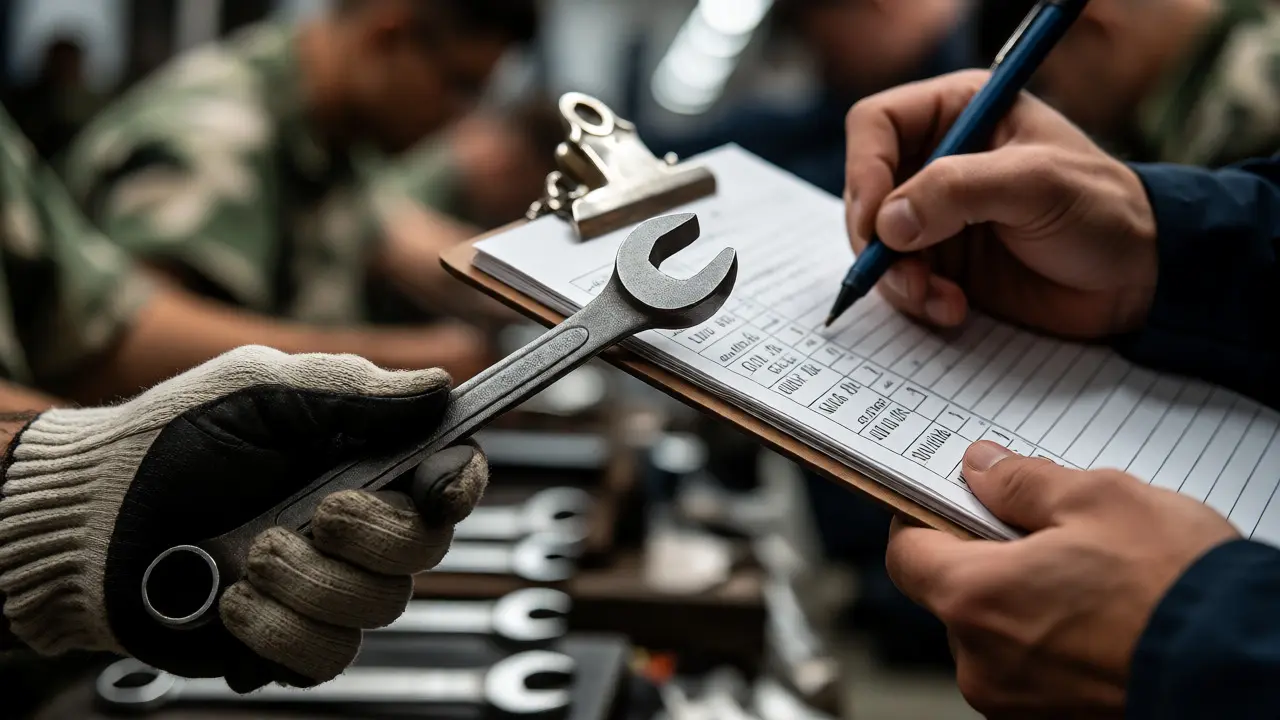
Consider the tools. In a normal shop, if an employee leaves a wrench on a bench, it’s an annoyance. In a correctional facility, that wrench is a potential weapon. Tool control is a critical safety attribute that overlaps with security. Every tool must be accounted for at start-up and clean-up. This creates friction. Workers want speed; supervisors need accountability. Balancing this tension without compromising safety is the core challenge of prison workshop supervision.
Furthermore, the population itself presents specific risks. Many inmates enter these programs with limited prior work experience or histories of trauma. High-stress environments can trigger impulsive reactions. A momentary lapse in attention near a press brake isn't just a mistake; it could be a crisis event. Therefore, safety training must include emotional regulation strategies alongside mechanical operation procedures.
The Core Pillars of Workshop Safety Training
Training in these facilities needs to be layered. It starts with the basics but quickly moves to context-specific behaviors. Here is what effective training looks like:
- Hazard Recognition: Can the worker spot a frayed cord before plugging it in? Do they know which machines require two-hand controls?
- PPE Compliance: Personal Protective Equipment isn't optional. But beyond wearing it, workers must understand why. Why do we wear steel-toed boots? Because dropped materials happen. Why ear protection? Because hearing loss is permanent.
- Emergency Response: What happens if there is a fire? Or a medical emergency? Or a fight breaks out near the assembly line? Drills must cover all three scenarios.
- Behavioral Expectations: How do you interact with a supervisor? How do you report a near-miss without fear of retaliation?
You cannot just hand them a manual and hope for the best. Hands-on demonstration is non-negotiable. Have them show you how they lock out a machine. Watch their eyes. Are they looking at the gauge or checking out the window? Engagement matters more than attendance.
Supervision Strategies That Actually Work
Supervising in a correctional workshop is part coaching, part policing, and part engineering. You need to maintain authority without creating unnecessary hostility. If you are too aggressive, you create resistance. If you are too passive, you lose control of the safety standards.
Active supervision means being present and observant, not just hovering. It involves walking the floor, asking questions, and correcting behavior in real-time. When you see an inmate lifting a heavy box with their back instead of their legs, stop the line. Correct the form immediately. Do not wait until after the shift to mention it in a report. Immediate feedback builds muscle memory.
Another key strategy is peer leadership. Identify reliable inmates who grasp safety concepts quickly. Train them as lead operators or safety marshals within their units. They can monitor their peers during less critical tasks. This reduces the burden on staff and fosters a sense of ownership among the workforce. However, never delegate final authority. The correctional officer or civilian supervisor always holds the ultimate decision-making power regarding stop-work orders.
Communication style matters. Use clear, direct language. Avoid jargon. Instead of saying "ensure ergonomic alignment," say "keep your back straight." Simple instructions reduce confusion, especially for inmates with lower literacy levels or those whose first language isn't English.
Navigating Security and Safety Conflicts
Sometimes, security protocols clash with safety efficiency. For example, security might require all loose items to be removed from pockets. But a worker needs a tape measure for their task. Who wins? Usually, security dictates the rule, but safety demands a solution. Maybe the tape measure is tethered. Maybe it is issued and returned per shift. You must document these exceptions clearly so auditors understand why a deviation occurred.
Another common conflict involves PPE. Security may restrict certain types of gloves because they can hide contraband. But the task requires grip protection. You need to find approved alternatives. Perhaps fingerless gloves with reinforced palms. Testing these options before rolling them out facility-wide prevents frustration and ensures compliance.
| Feature | Civilian Workshop | Correctional Workshop |
|---|---|---|
| Tool Accountability | Lost tools replaced by employer | Strict count-in/count-out; missing tool triggers lockdown |
| Discipline for Violations | Warning, suspension, termination | Loss of privileges, disciplinary write-up, solitary confinement risk |
| Worker Turnover | High (voluntary resignation) | Low (involuntary release or transfer only) |
| Motivation Factor | Wages, career advancement | Good time credit, reduced sentence, skill certification |
| Emergency Exit | Immediate evacuation | Controlled evacuation under guard escort |
The Role of Technology in Modern Correctional Safety
Gone are the days when safety was managed solely with paper logs. Modern correctional technology helps track incidents and streamline training. Digital checklists ensure supervisors complete daily inspections before machinery starts. Apps can log near-misses instantly, allowing data teams to spot trends. Maybe every Tuesday, the band saw has a guard issue. Data reveals this pattern, prompting maintenance fixes before an accident occurs.
Video monitoring serves a dual purpose. It provides evidence in case of injury claims. It also acts as a deterrent against unsafe behavior. Knowing cameras are watching encourages compliance. However, privacy concerns exist. Ensure policies clearly state that video is used for safety and security review, not arbitrary punishment. Transparency builds trust.
Virtual reality (VR) training is emerging in some advanced facilities. It allows inmates to practice hazardous scenarios-like a chemical spill or equipment malfunction-in a safe, simulated environment. This reduces anxiety and prepares them for real-world responses without risking actual injury. While still costly, the return on investment in reduced accidents makes it worth exploring for larger systems.

Building a Culture of Safety Among Incarcerated Workers
Culture eats policy for breakfast. You can have the best written rules, but if the culture says "cutting corners is cool," people will cut corners. Changing culture takes time. Start small. Recognize safe behavior publicly. Did someone report a slippery floor? Thank them. Did a crew finish a project with zero incidents? Celebrate it. Positive reinforcement works better than constant criticism.
Involve inmates in safety committees. Let them suggest improvements. Often, the workers themselves see hazards that supervisors miss. Maybe the lighting in the corner is bad. Maybe the ventilation is poor. Listening to their input gives them agency. It shifts the mindset from "I am forced to work" to "I am responsible for my workspace."
Consistency is vital. If one supervisor enforces helmet rules strictly while another ignores them, confusion reigns. All supervisors must be trained on the same standards. Regular meetings between shift leads help align expectations. Share stories of close calls. Learning from others' mistakes is cheaper than learning from injuries.
Measuring Success: Key Metrics for Workshop Safety
How do you know if your efforts are working? Track specific metrics. Don't just look at total recordable incident rates (TRIR). Look deeper.
- Near-Miss Reporting Rate: A low number might mean few dangers, or it might mean fear of reporting. A rising trend often indicates improved trust and awareness.
- Training Completion Percentage: Are 100% of new hires trained before touching a machine? No exceptions.
- Audit Scores: Regular internal audits should yield high scores. Declining scores signal complacency.
- Injury Severity Index: Are injuries minor cuts or serious fractures? Reducing severity is as important as reducing frequency.
Review these numbers monthly. Adjust your training focus based on the data. If slips and falls are up, implement anti-slip footwear mandates or floor cleaning schedules. If hand injuries rise, inspect glove quality and usage. Data-driven decisions prevent guesswork.
Do OSHA regulations apply to prison workshops?
Yes, generally. Most state and federal correctional facilities are subject to Occupational Safety and Health Administration (OSHA) standards regarding workplace safety. However, enforcement mechanisms differ. While fines may not apply in the same way as private companies, violations can lead to legal liability and increased scrutiny from oversight bodies. Compliance is essential for protecting both inmates and staff.
Who is liable if an inmate gets injured in a workshop?
Liability depends on the jurisdiction and the cause of the injury. Typically, the correctional department covers medical costs through inmate healthcare services. However, if negligence by a supervisor or faulty equipment caused the injury, lawsuits can occur. Proper documentation of training and maintenance records is crucial for defending against such claims.
Can inmates refuse to work in unsafe conditions?
In many jurisdictions, inmates do not have the same right to refuse unsafe work as civilian employees. Refusal might result in disciplinary action or loss of privileges. However, they can report hazards. Supervisors have a duty to address reported hazards promptly. Ignoring valid safety complaints can lead to administrative penalties for the staff.
What is the biggest safety risk in correctional workshops?
While machinery accidents are significant, the intersection of human error and security stress is often the biggest risk. Distraction due to interpersonal conflicts, fatigue, or lack of proper training leads to most preventable injuries. Additionally, unsecured tools becoming weapons pose a unique security-related safety threat.
How does training impact recidivism rates?
Vocational training in safe, structured environments improves employability post-release. Skills learned in workshops, including safety discipline and teamwork, translate to civilian jobs. Studies suggest that inmates who participate in meaningful work programs have lower recidivism rates. Safety training contributes to professional habits valued by employers.