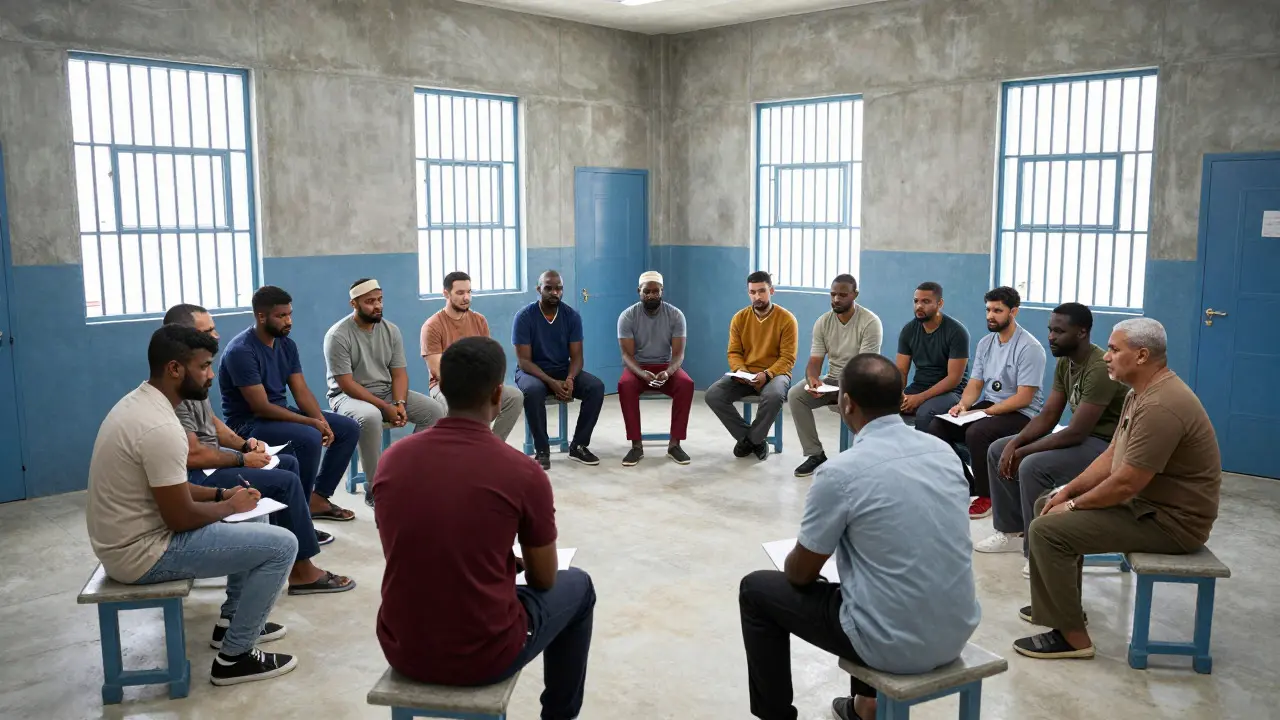
Most people walk into a county jail expecting to wait out a few days or weeks. What they don't expect is that their time behind bars could be the only window they get to address the root cause of why they're there in the first place. For many inmates, substance use isn't just a side effect; it's the engine driving their legal troubles. Yet, designing an effective substance use education program for these short-stay populations is tricky. You can't run a 12-month outpatient-style course on someone who leaves in 30 days. So, how do you pack enough value into a tight timeframe to actually change behavior?
The answer lies in matching the curriculum to the specific phase of the inmate's journey and understanding what actually sticks in a high-stress, low-resource environment. It’s not about cramming every possible fact into a single session. It’s about strategic timing and focused content.
Why Standard Programs Fail in Short-Term Jails
Many correctional facilities try to adapt long-term prison programs for jails, but this often backfires. A standard 90-day Substance Abuse Treatment (SAT) program assumes stability. In a county jail, stability is rare. Inmates are processed quickly, released quickly, and often cycle back in. If your curriculum assumes the inmate will stay for three months, you’re setting yourself up for failure.
The core issue is attention span and relevance. An inmate with a 14-day sentence doesn’t care about deep psychoanalytic history if they’re worried about getting home to see their kids. They care about immediate survival skills. Therefore, the curriculum must shift from "treatment" to "education and awareness." The goal isn't necessarily full sobriety by day one, but rather the knowledge to make better choices upon release.
Core Topics That Actually Matter
When stripping away the fluff, five topics consistently show the highest impact in short-stay settings. These aren't arbitrary; they address the immediate triggers and consequences that lead to recidivism.
- Pharmacology Basics: How drugs affect the brain specifically. Not just "drugs are bad," but how opioids dampen the central nervous system versus how stimulants spike dopamine. Understanding the mechanism helps demystify the craving.
- Trigger Identification: Who, what, where, and when usually leads to use? This requires simple journaling exercises or guided reflection. Most relapses happen within 72 hours of release due to environmental cues.
- Motivational Interviewing Techniques: Teaching inmates how to talk themselves through a moment of weakness. Instead of relying on external authority, they learn internal scripts to resist urges.
- Legal Consequences Review: Connecting substance use directly to current charges. Seeing the direct line between a possession charge and lost freedom makes the abstract concept of "risk" concrete.
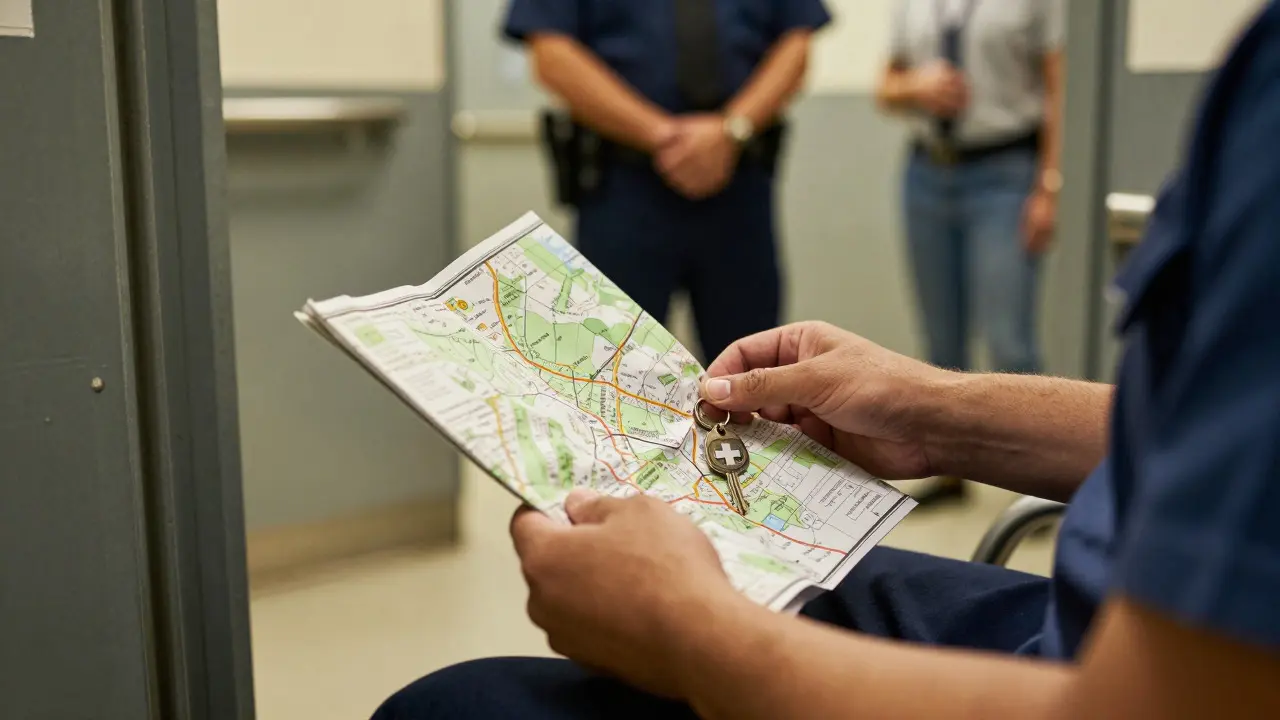
- Reentry Resource Mapping: Knowing exactly which clinics, support groups, and housing options exist in their specific zip code before they leave the building.
Notice what’s missing? Deep trauma processing. While important, trauma work often requires long-term therapeutic relationships. In a jail setting, surface-level coping strategies are more practical than deep excavation.
Structuring the Timeline: The 3-Phase Model
You can't treat a 5-day stay the same as a 60-day stay. Here is a practical framework for structuring content based on length of stay.
| Phase | Short Stay (1-14 Days) | Medium Stay (15-45 Days) | Long Stay (45+ Days) |
|---|---|---|---|
| Intake & Assessment | Day 1: Basic screening, orientation to rules, immediate safety check. | Days 1-3: Comprehensive assessment, individualized goal setting. | Week 1: Full diagnostic evaluation, baseline testing, family contact setup. |
| Core Education | Days 2-10: Pharmacology, Trigger ID, Legal Consequences. 1 hour/day. | Days 4-30: All Core Topics + Motivational Interviewing. 2 hours/day. | Weeks 2-8: Intensive CBT, Group Therapy, Skill Building. 3-4 hours/day. |
| Reentry Prep | Final 2 Days: Resource map, discharge plan, follow-up appointment scheduling. | Final Week: Rehearsal of coping plans, community resource visits (virtual), family mediation. | Final Month: Probation officer meetings, job readiness, housing applications, extended aftercare planning. |
This phased approach ensures that no matter how short the stay, the inmate leaves with a tangible plan. For the short-stay group, the focus is heavily weighted toward the last two days. Why? Because that’s when they are most likely to act on impulse.
The Role of Cognitive Behavioral Therapy (CBT)
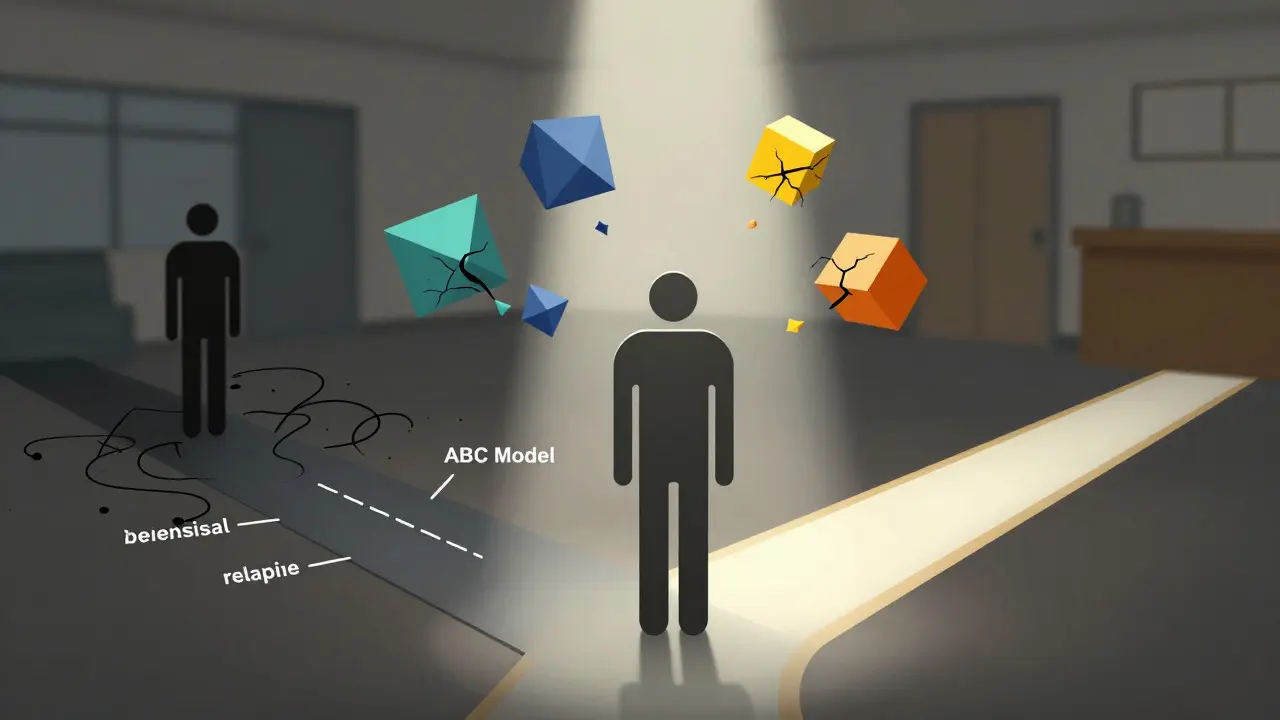
Cognitive Behavioral Therapy is a psychological treatment that focuses on changing patterns of thinking or behavior. In a jail context, CBT is the gold standard because it is structured, time-limited, and evidence-based. Unlike open-ended counseling, CBT gives the inmate tools they can use immediately.
For example, a common CBT exercise in this setting is the "ABC Model":
- Activating Event: "My boss yelled at me."
- Belief: "I'm a loser, I need to escape this feeling."
- Consequence: "I go buy meth."
By breaking down the chain, the inmate learns to interrupt the B step. If they believe "This is temporary, I can handle it," the consequence changes. This is teachable in a 30-minute group session. It doesn’t require years of training for the facilitator, nor does it require the inmate to have advanced literacy skills. It’s logical, practical, and repeatable.
Facilitator Challenges and Solutions
Who runs these classes? Often, it’s overworked case managers or volunteers with good intentions but limited clinical training. This creates a gap. The solution isn’t necessarily hiring more PhDs (which is expensive), but standardizing the curriculum so that any trained staff member can deliver consistent content.
Key challenges include:
- Inconsistent Attendance: Inmates move between units. Solution: Offer multiple daily slots or asynchronous video modules for self-paced learning.
- Skepticism: Many inmates distrust "system" advice. Solution: Use peer mentors-former inmates who have successfully navigated recovery-to co-facilitate sessions.
- Low Literacy: Avoid text-heavy materials. Use visuals, role-playing, and oral discussions.
Peer mentoring is particularly powerful here. When a 24-year-old inmate hears from another 24-year-old who got clean after six months in a halfway house, the message lands differently than when it comes from a uniformed officer.
Measuring Success Beyond Recidivism
We usually judge these programs by one metric: did they come back to jail? That’s a flawed metric for short-term stays. Recidivism takes months to track. We need immediate indicators of success.
Consider these alternative metrics:
- Completion Rate: Did they finish the module?
- Knowledge Retention: Can they name three triggers without looking at notes?
- Resource Utilization: Did they call the intake hotline provided during discharge?
- Self-Reported Confidence: On a scale of 1-10, how confident are they to handle a urge in the first week out?
If an inmate leaves knowing where the nearest Naloxone kit is and has a scheduled appointment with a primary care provider, that’s a win-even if they haven't been sober for a year yet. It’s a step in the right direction.
Common Pitfalls to Avoid
Don’t fall into the trap of "one-size-fits-all." A non-violent drug offender needs different nuances than a violent offender with comorbid mental health issues. However, since grouping by offense type in jails is difficult, ensure the curriculum has optional branches. For instance, a module on managing anxiety without benzodiazepines might be crucial for some, while irrelevant to others.
Also, avoid ending the program abruptly. The worst thing you can do is dump an inmate out the door on a Friday afternoon with no weekend plan. Ensure the final session happens at least 48 hours before release to allow for logistical coordination.
How long should a basic substance use education session be in a jail?
For short-stay populations (under 14 days), aim for 1 hour per day, 5 days a week. This totals 5 hours of instruction, which is sufficient to cover pharmacology, triggers, and reentry basics without overwhelming the inmate.
What is the most effective therapy model for jail populations?
Cognitive Behavioral Therapy (CBT) is widely considered the most effective due to its structured nature and focus on practical skill-building. It requires less time than psychodynamic approaches and produces measurable changes in behavior quickly.
Do jail inmates actually attend these programs?
Attendance varies, but it increases significantly when participation is tied to early release incentives or reduced disciplinary points. Mandatory attendance alone yields lower engagement rates compared to incentive-based models.
How do you handle inmates with low literacy levels?
Use visual aids, audio recordings, and interactive role-playing instead of written worksheets. Ensure all key concepts are explained verbally and demonstrated through examples rather than read from slides.
Is it worth offering programs to inmates serving very short sentences (3-5 days)?
Yes. Even a 2-hour intensive session covering trigger identification and local resources can prevent immediate relapse. The cost of prevention is far lower than the cost of processing them again next month.