
Most people assume that getting a degree or finishing a GED is the only way to improve life chances after incarceration. But there is another path that often gets overlooked: creative expression. In correctional facilities across the United States, Writing and the Arts is a pedagogical approach that uses literature, poetry, theater, and visual media to build critical thinking, literacy, and emotional resilience. These programs do not just teach how to hold a pen; they teach how to think, argue, listen, and connect with others. For inmates who have spent years in rigid, high-stress environments, this shift can be transformative.
The core promise here is simple but powerful. When you write your own story or act out a scene from Shakespeare, you are not just memorizing facts. You are practicing communication skills that employers actually value. This article breaks down how these creative methods boost academic performance, why they work better than traditional rote learning for some students, and what the data says about long-term outcomes.
Key Takeaways
- Writing and the Arts improves literacy rates by making learning personal and relevant rather than abstract.
- Creative programs reduce recidivism by building soft skills like empathy and conflict resolution.
- These classes complement traditional academics by providing a low-pressure environment for skill practice.
- Facilities with integrated arts programs report higher student engagement and lower disciplinary incidents.
- Reentry success is stronger when inmates leave with both a credential and a portfolio of creative work.
Why Creative Methods Work in High-Stress Environments
Traditional classroom settings can feel intimidating for individuals returning to education after many years away. The fear of failure, combined with the lack of prior foundational knowledge, often leads to disengagement. Creative Pedagogy is an educational method that prioritizes process over product, allowing learners to explore ideas without the immediate pressure of standardized testing. In a prison context, this is crucial. The environment is already controlled and restrictive. Adding rigid academic structures can cause resistance. Instead, asking an inmate to write a poem about their morning routine or act out a historical event creates a bridge. It lowers the stakes while raising the engagement.
This approach leverages what psychologists call "flow." When someone is deeply engaged in a creative task, they lose track of time and external stressors. For those dealing with trauma or anxiety, this state is therapeutic as well as educational. It turns the classroom into a safe space where mistakes are part of the process, not signs of failure. This psychological safety is the foundation upon which all other academic skills are built.
Building Core Academic Skills Through Creative Practice
You might wonder how painting a mural or writing a short story helps with math or history. The connection is deeper than it appears. Every creative project requires planning, execution, and revision. These are the same cognitive processes used in solving complex equations or analyzing historical texts.
- Reading Comprehension: Analyzing a novel or play requires close reading. Students must identify themes, tone, and character motivation. This directly translates to understanding legal documents, job applications, and technical manuals.
- Written Communication: Drafting, editing, and revising essays or scripts teaches structure and clarity. Whether the output is a literary piece or a business proposal, the underlying skill is organizing thoughts logically.
- Critical Thinking: Interpreting art or debating the meaning of a text forces students to form arguments and support them with evidence. This is the essence of critical analysis.
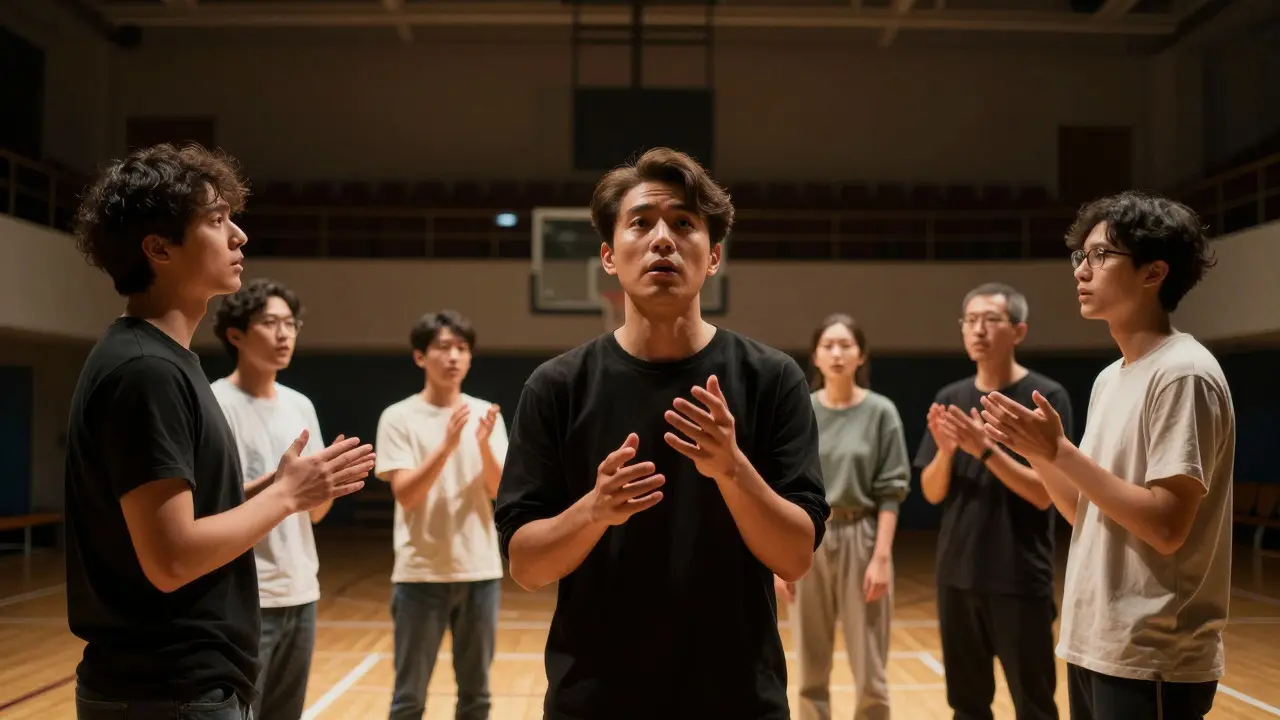
- Oral Presentation: Theater and spoken word workshops require students to speak publicly, use vocal variety, and read body language. These are key components of effective communication in any professional setting.
By embedding these skills within creative contexts, educators bypass the boredom that often plagues standard curricula. A student who struggles with a dry grammar lesson might thrive when asked to rewrite a sentence to make it more dramatic or impactful. The goal remains the same-mastering language-but the vehicle is different.
The Impact on Recidivism and Reentry Success
The ultimate measure of any educational program in a correctional facility is whether it helps people stay out of jail. Research consistently shows that education reduces recidivism. However, the specific impact of arts-based programs is becoming clearer. Programs that combine traditional academics with creative outlets see higher completion rates. Why? Because they address the whole person, not just their test scores.
Consider the concept of identity. Many incarcerated individuals struggle with who they are outside of their criminal record. Creative work allows them to explore new identities. They become writers, actors, artists. This shift in self-perception is vital for reentry. When you view yourself as a creator rather than a convict, you approach opportunities differently. You are more likely to seek out jobs that match your new skills and less likely to revert to old habits.
Furthermore, these programs build social capital. Group projects in theater or collaborative writing circles require cooperation, active listening, and compromise. These are exactly the interpersonal skills needed to maintain stable relationships post-release. A network of peers who have gone through similar experiences provides a support system that is often missing in the early stages of reentry.
Comparing Traditional vs. Creative Educational Models
To understand the value of integrating arts, it helps to compare it with standard correctional education models. While both aim to improve outcomes, they differ significantly in methodology and focus.
| Feature | Traditional Model | Creative/Arts-Integrated Model |
|---|---|---|
| Primary Focus | Standardized testing, GED preparation | Literacy, critical thinking, emotional intelligence |
| Assessment Method | Exams, quizzes, grades | Portfolios, peer review, reflective journals |
| Student Engagement | Often passive, risk of disengagement | Active participation, high ownership of work |
| Skill Application | Abstract, theoretical | Practical, real-world communication |
| Recidivism Data | Moderate reduction (40-50%) | Higher retention, strong soft-skill gains |
The table highlights that while traditional models are essential for obtaining credentials, creative models fill the gap in practical application and personal development. The most effective programs do not choose one over the other; they blend them. A student might take a standard English class to pass a test, but also participate in a creative writing workshop to refine their voice. This dual-track approach ensures they meet institutional requirements while developing genuine competence.
Challenges and Implementation Strategies
Despite the benefits, implementing these programs faces hurdles. Funding is the biggest barrier. Arts programs are often seen as "extras" compared to mandatory vocational training. Advocates must demonstrate the return on investment. The argument is straightforward: every dollar spent on effective education saves taxpayers thousands in future incarceration costs. Creative programs, by boosting engagement, help justify the overall budget for prison education.
Another challenge is staffing. Not every teacher is comfortable facilitating creative workshops. Training is essential. Educators need to learn how to manage a classroom where the answer isn't always black and white. They must be willing to let students take risks and fail safely. Facilities that partner with local universities or community arts organizations often find that volunteer artists and graduate students bring fresh energy and specialized skills that full-time staff may not possess.
Finally, cultural relevance matters. The curriculum should reflect the backgrounds and interests of the student population. If the library only contains classic Western literature, it may not resonate with everyone. Including diverse voices in the reading list and encouraging students to draw from their own cultural heritage makes the material more accessible and meaningful.
Frequently Asked Questions
Do creative writing classes count toward a college credit?
It depends on the facility and the partnering institution. Some prisons offer transferable credits for structured courses that include both creative output and analytical essays. Others treat them as enrichment activities. Always check with the specific facility's academic coordinator to see if the course is accredited.
Is theater suitable for large prison populations?
Yes, but it requires adaptation. Full-scale productions are difficult in secure facilities. Instead, many programs use improvisation, reader's theater, or small ensemble pieces. These formats require less space and equipment while still delivering the benefits of public speaking and collaboration.
How does this help with job interviews?
Creative programs build confidence and articulation. When you practice presenting your work or defending your artistic choices, you get comfortable speaking clearly and handling questions. This translates directly to answering interview questions with poise and demonstrating problem-solving skills.
What kind of writing is taught in these programs?
The range is wide. It includes memoirs, poetry, short fiction, and screenplays. The common thread is personal voice. Students learn to structure narratives, develop characters, and edit for clarity. These are universal writing skills applicable to any profession.
Can visual arts contribute to academic skills?
Absolutely. Visual arts teach observation, detail, and spatial reasoning. Creating a piece of art requires planning and patience. Additionally, discussing art involves verbalizing abstract concepts, which strengthens language skills and critical analysis.