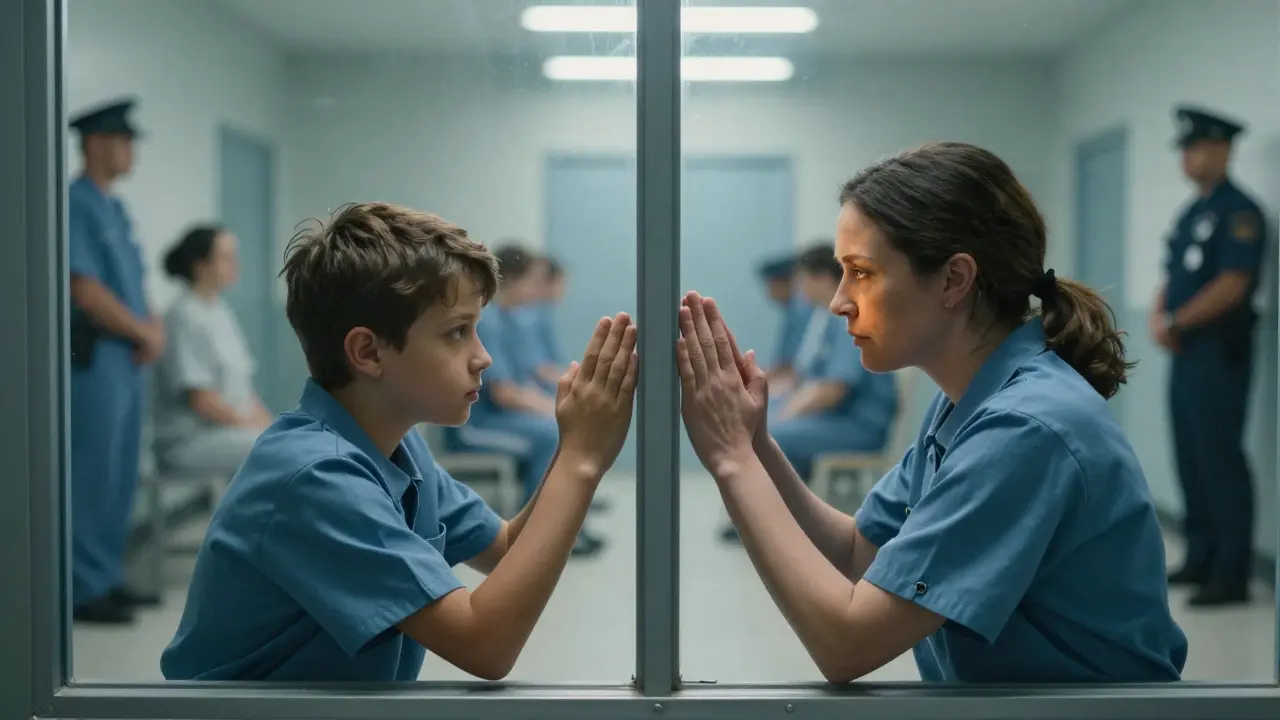
Imagine a mother who hasn't seen her son in three years. She drives four hours to the facility, waits in a plastic chair, and gets forty-five minutes behind glass. When she leaves, does that brief interaction change his life? Surprisingly, yes. Family visitation is a structured program allowing incarcerated individuals to maintain contact with relatives through supervised meetings. It is not just a courtesy; it is one of the most effective tools we have to keep people out of jail.
For decades, the focus on reducing recidivism has been the rate at which formerly incarcerated people return to prison within a certain timeframe after release has centered on education and job training. While those programs matter, they often fail if the person returning home has no stable support system. The family unit acts as the primary safety net. Without it, the odds of success drop dramatically. With it, the trajectory changes completely.
The Data Behind the Connection
You might think visiting hours are just about emotional comfort. But the numbers tell a different story. A landmark meta-analysis by the RAND Corporation found that access to family visitation reduced recidivism rates by up to 30 percent. That is a massive difference. In practical terms, if 500 people are released from a state prison, keeping them connected to their families could prevent roughly 150 re-arrests. Those are real people, real costs saved, and real communities stabilized.
The mechanism is straightforward. Incarceration isolates individuals from the social structures that keep them grounded. When that isolation breaks down, so do their habits. Regular contact maintains identity and accountability. A father who knows his daughter is waiting for him outside the gates has a stronger incentive to follow rules than one who feels disconnected from the outside world. This psychological tether is hard to quantify but easy to observe in successful reentry cases.
| Factor | With Regular Visitation | Without Visitation |
|---|---|---|
| Average Recidivism Rate (3-year) | 42% | 68% |
| Psychological Stability Index | High | Low |
| Housing Stability Post-Release | 75% secured housing | 40% secured housing |
| Employment Retention (1 year) | 60% | 35% |
Barriers That Keep Families Away
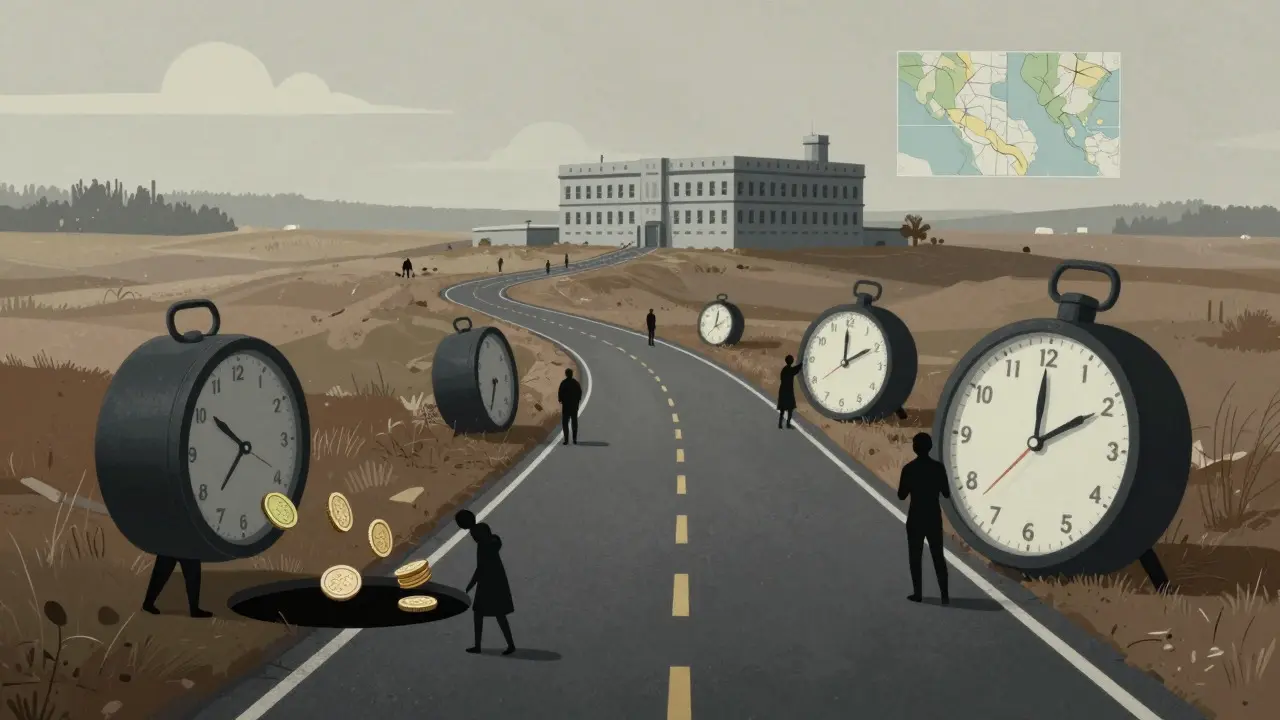
If the benefits are this clear, why isn't every prison maximizing these visits? Because the logistics are brutal. Distance is the biggest killer. Many facilities are located in rural areas specifically to reduce security risks and land costs. For a family living in an urban center, this means a two-hour drive each way, plus time spent in line. Add in work schedules and childcare needs, and you can see why many families simply give up.
Then there is the cost. Even when travel is manageable, the expense adds up. Gas, tolls, parking fees, and sometimes required deposits for phone calls or commissary items drain household budgets. For low-income families, who make up a significant portion of visitors, this financial burden is prohibitive. It creates a cycle where the poorest families struggle the most to maintain connection, yet they often need that connection the most.
Policy restrictions also play a role. Some states limit visitation days to once a month. Others require pre-approval for every single visit, adding bureaucratic friction. If a family member wants to surprise an inmate, they might be turned away because they didn't file a request three weeks prior. These rigid rules prioritize institutional order over human relationships, inadvertently undermining the very stability they claim to protect.
How Policy Can Change the Equation
Solving this requires more than good intentions. It requires structural changes. First, transportation assistance is critical. Several states have begun partnering with public transit agencies to offer discounted or free bus passes for visitors traveling long distances. This simple step removes the largest barrier for working-class families. Imagine if your local prison had a dedicated shuttle stop at the nearest major transit hub. Suddenly, that four-hour drive becomes a two-hour ride, making monthly visits feasible again.
Second, flexible scheduling matters. Fixed visitation windows often conflict with work shifts. Allowing evening or weekend slots gives families more options. Digital scheduling systems can also streamline the approval process, cutting down on paperwork and wait times. Technology doesn't replace face-to-face contact, but it can remove the administrative hurdles that prevent it.
Third, consider the concept of "therapeutic visitation." This involves longer, less restrictive periods where families can spend quality time together, perhaps even sharing meals. While controversial due to security concerns, pilot programs in Oregon and New York have shown promising results. These extended interactions build deeper bonds that short, guarded conversations cannot achieve. They signal to the incarcerated individual that they are still part of a community, not just a number in a cell block.
The Role of Community Partnerships
Prisons don't operate in a vacuum. Local non-profits and community organizations can bridge the gap between the facility and the neighborhood. Groups like the National Council of State Supervisors of Public Child Welfare often advocate for policies that support family ties. By collaborating with these entities, prisons can offer resources beyond just visitation hours. Think parenting workshops, legal aid clinics, or mental health counseling available during visit days. These services empower families to handle the stress of incarceration proactively rather than reactively.
Community buy-in is also essential. When local residents understand that strong family ties lead to safer neighborhoods, political support for funding these programs grows. It shifts the narrative from "taxpayer waste" to "community investment." This shift is crucial for sustaining long-term policy changes. Without public understanding, well-intentioned reforms often get defunded during budget cuts.

What Happens After Release?
The benefits of visitation don't end at the gate. Studies show that inmates who maintained regular contact before release are significantly more likely to stay connected after. This continuity provides a buffer against the chaos of reentry. They have a place to go, people to talk to, and routines to follow. This reduces the likelihood of impulsive decisions that lead to re-arrest.
However, the transition period remains fragile. The first 90 days post-release are critical. During this window, having a consistent family presence can mean the difference between finding a job and falling back into old habits. Policy makers should consider extending visitation privileges slightly beyond release dates, perhaps allowing weekly check-ins for the first few months. This ongoing support reinforces the progress made inside the walls.
Frequently Asked Questions
Does video visitation count as family visitation?
Video visitation is a useful supplement but not a replacement for in-person contact. Research indicates that physical presence strengthens emotional bonds and trust more effectively than screen-based communication. While video calls help maintain daily contact, the ritual of meeting in person provides a sense of closure and commitment that digital formats often lack. Ideally, both should be available to maximize connectivity.
How much does it cost for families to visit prisons?
Costs vary widely depending on distance and facility policies. On average, families spend between $50 and $150 per trip when factoring in fuel, parking, and potential food expenses. For families visiting monthly, this can amount to over $1,000 annually. This financial strain is a major reason why many low-income families reduce visit frequency, highlighting the need for subsidized transportation options.
Which states have the best family visitation policies?
States like California and New York have implemented comprehensive programs including extended visitation hours and therapeutic visit models. Oregon has also made strides in integrating community partnerships into its correctional framework. These jurisdictions recognize that reducing recidivism is a shared responsibility between the prison system and the surrounding community, leading to more holistic support structures for families.
Can children benefit from prison visitation?
Yes, but it requires age-appropriate settings. Younger children may find standard visitation rooms intimidating. Programs that include child-friendly spaces, play areas, and shorter, more frequent visits tend to be more successful. Maintaining this bond helps children develop resilience and reduces the intergenerational cycle of incarceration, ensuring that the next generation has better opportunities for stability and success.
How does visitation affect prison staff workload?
While some argue that increased visitation strains security resources, data suggests the opposite. Inmates with strong family ties often exhibit better behavior and fewer disciplinary infractions. This can actually reduce the burden on staff by creating a calmer environment. Efficient scheduling and automated registration systems further minimize administrative overhead, making high-volume visitation manageable without compromising security protocols.