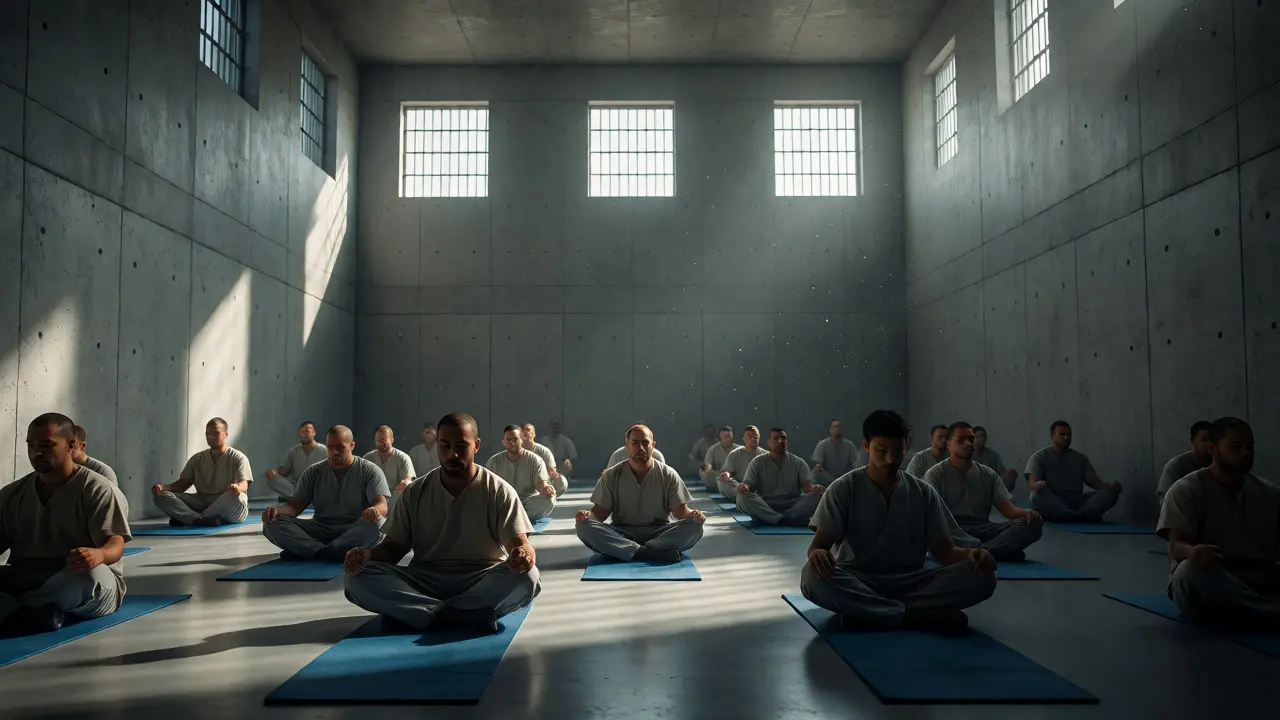
You might picture a prison yard as a place of hard concrete and harder rules. But walk into the exercise room at many modern facilities today, and you’ll see something different. People are sitting cross-legged on mats, eyes closed, breathing deeply. This isn’t just downtime; it’s Prison Wellness, a growing movement using mind-body practices like yoga and meditation to improve mental health and reduce violence. For decades, we treated incarceration as purely punitive. Now, data suggests that teaching an inmate how to control their breath might be more effective than another month of solitary confinement.
If you’re looking to understand why these programs are spreading from California to New York, or if you’re curious about whether they actually work, you’ve come to the right place. We aren’t talking about spiritual fluff here. We’re talking about measurable changes in behavior, stress levels, and recidivism rates. Let’s break down exactly how Yoga in Prison works, what the evidence says, and why it matters for everyone involved.
Why Prisons Are Turning to Mindfulness
Think about the environment inside a correctional facility. It’s loud, unpredictable, and often threatening. Your nervous system stays in "fight or flight" mode 24/7. Cortisol-the stress hormone-runs high. When people live in constant survival mode, they react impulsively. They snap at guards. They fight over small slights. This leads to disciplinary write-ups, which lead to lost privileges, which lead to longer sentences or parole denials.
Meditation for Inmates offers a way out of that loop. It teaches self-regulation. Unlike traditional therapy, which can feel stigmatizing or vulnerable in a prison culture, mindfulness is practical. You don’t have to talk about your childhood trauma to learn how to pause before you punch someone. You just have to focus on your breath. This low barrier to entry is key. Many inmates who would never attend a group counseling session will show up for a yoga class because it feels physical and neutral.
The shift started with pilot programs in the early 2000s, but it gained serious traction after studies showed significant drops in violent incidents. For example, a study published by the National Institute of Corrections found that facilities integrating mindfulness saw a reduction in disciplinary infractions by up to 30%. That’s not just good for the inmates’ peace of mind; it’s good for the budget. Fewer fights mean fewer staff injuries and less overtime pay for corrections officers.
The Specific Benefits of Yoga Behind Bars
Yoga isn’t just stretching. In a prison context, it serves three distinct purposes: physical rehabilitation, emotional regulation, and community building.
Physically, many inmates suffer from chronic pain due to poor sleeping conditions, aging bodies, or past injuries. Standard gym equipment might be unavailable or dangerous (a heavy dumbbell can become a weapon). Yoga requires no equipment other than a mat. It improves flexibility and reduces back pain, which is a common complaint among long-term residents. The physical relief alone motivates participation.
Emotionally, the practice builds resilience. Correctional Health experts note that mindfulness helps individuals observe their emotions without acting on them immediately. This skill is critical for reentry. When an ex-offender walks out of prison, the world moves fast. Traffic jams, job interviews, family tensions-these trigger stress responses. If they haven’t learned to manage those triggers inside, they’re likely to relapse into old habits outside.
Socially, yoga creates a rare space where status doesn’t matter. In the yard, you might avoid certain groups based on race, gang affiliation, or crime type. On the mat, everyone is just a body trying to balance. This shared vulnerability breaks down barriers. Former participants often report making friends they wouldn’t have otherwise, creating a support network that lasts beyond release.
Meditation Techniques That Work in High-Security Settings
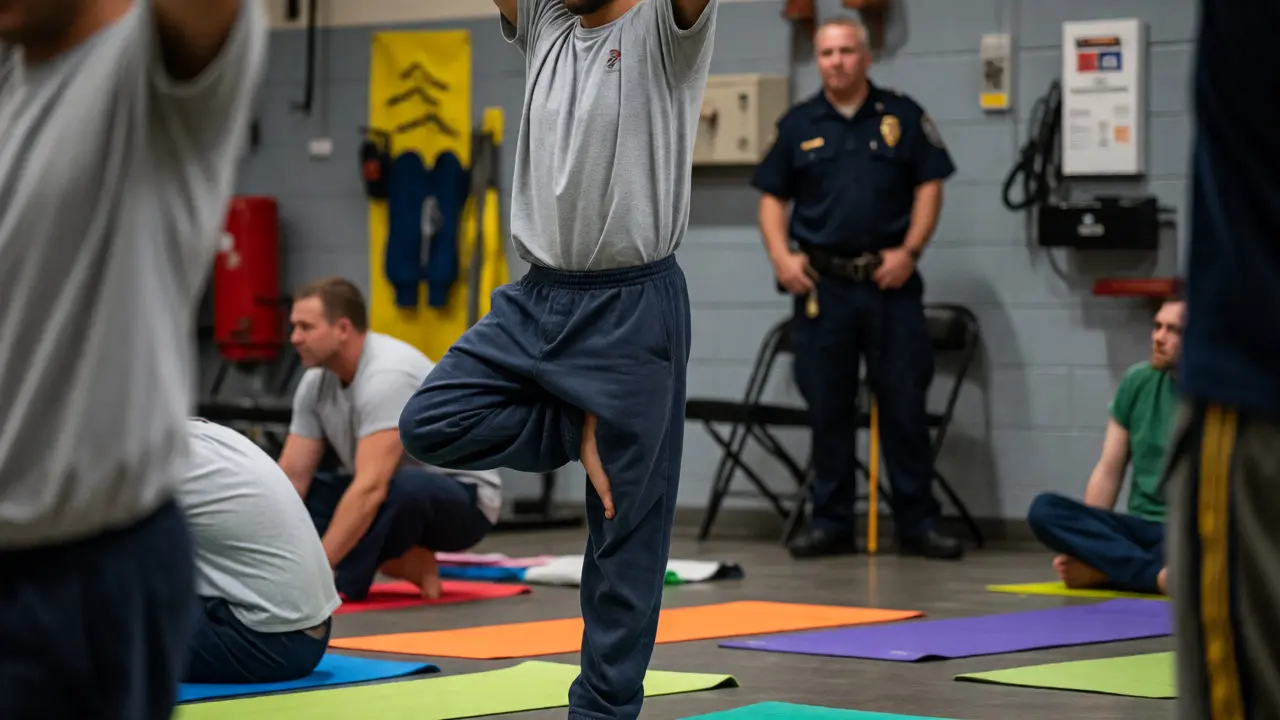
Not all meditation styles fit a prison cell block. Long silent retreats don’t work when there are alarms going off every ten minutes. Instead, programs use short, guided sessions. Here are the most common techniques used in Mindfulness Programs:
- Breath Awareness: Focusing solely on the inhale and exhale. It’s simple, portable, and can be done anywhere-even in solitary confinement.
- Body Scan: Mentally scanning the body from head to toe to release tension. This helps with sleep issues, which are rampant in prisons due to noise and light.
- Loving-Kindness Meditation: Directing goodwill toward oneself and others. This is particularly powerful for healing relationships with victims’ families or estranged relatives.
These methods are secularized. While they have roots in Buddhist traditions, prison programs strip away religious language to avoid controversy. They call it "attention training" or "mental fitness." This neutrality allows inmates of all faiths-or none-to participate without feeling pressured to convert.
Measuring Success: What the Data Says
It’s easy to say yoga feels nice. It’s harder to prove it saves money. But the numbers are compelling. Researchers track several metrics to evaluate Recidivism Reduction.
| Metric | Typical Improvement | Source Context |
|---|---|---|
| Disciplinary Infractions | 15-30% decrease | Pilot programs in CA and NY state prisons |
| Self-Reported Stress Levels | Significant reduction in anxiety scores | Pre- and post-program surveys |
| Recidivism Rates | Lower return-to-prison rates within 3 years | Longitudinal studies comparing program participants vs. non-participants |
| Staff Satisfaction | Improved perception of safety | Corrections officer feedback forms |
One notable study from the University of Massachusetts examined the "Inside Out Project," a nonprofit bringing yoga to prisons. They found that participants reported higher levels of empathy and lower aggression. More importantly, follow-up data suggested that these behavioral changes persisted after release. Why? Because the skills were internal. You can’t confiscate a person’s ability to breathe calmly.
Critics sometimes argue that these programs are "soft on crime." They worry that inmates get comfortable instead of being punished. But consider this: a calm inmate is easier to manage. A violent inmate costs the taxpayer thousands per year in medical care and security staffing. Investing $50 in a yoga instructor pays dividends when you save $50,000 in future incarceration costs.
Challenges and Implementation Hurdles
Despite the benefits, rolling out these programs isn’t smooth sailing. Security concerns are the biggest blocker. Can inmates hold a yoga pose without hiding contraband? Yes, but guards need training. Some older correctional officers view yoga with suspicion, seeing it as unmasculine or too gentle. Overcoming this cultural resistance takes time and leadership buy-in.
Funding is another issue. Most prison budgets prioritize food, housing, and basic healthcare. Wellness programs often rely on grants or nonprofits like The Doe Fund or local community partners. When grant cycles end, programs can vanish, leaving inmates frustrated. Sustainability requires embedding these classes into the official education curriculum rather than treating them as optional extras.
Then there’s the problem of access. Not every facility has enough space for a dedicated studio. Sometimes classes happen in multipurpose rooms where tables are pushed aside. Noise from adjacent areas can disrupt meditation. To combat this, some prisons use headphones for guided audio sessions, allowing individual practice even in chaotic environments.
How to Support Prison Wellness Initiatives
If you’re reading this and want to help, you don’t need to be a yoga teacher. There are practical ways to support Recreation Programs in corrections.
- Donate Equipment: Non-slip yoga mats, blocks, and straps wear out quickly. Check with local organizations for specific needs lists.
- Volunteer as an Instructor: Many prisons offer certification pathways for volunteers. You’ll need a background check and patience, but the impact is direct.
- Advocate for Policy Change: Write to your state representatives supporting funding for mental health services in prisons, including mindfulness training.
- Support Reentry Organizations: Groups that help former inmates find jobs also value candidates who have practiced discipline through wellness routines.
For the inmates themselves, the takeaway is clear: these tools belong to you. Whether you serve two years or twenty, learning to regulate your mind gives you power that no guard can take away. It prepares you not just for life inside, but for the freedom waiting on the other side.
Is yoga allowed in all prisons?
No, not all prisons offer yoga. Availability depends on the facility's budget, space, and administrative priorities. However, adoption is increasing, especially in states focusing on rehabilitation over pure punishment.
Do inmates need prior experience to join these programs?
No prior experience is needed. Programs are designed for beginners. Instructors typically start with basic poses and breathing exercises, ensuring everyone can participate regardless of fitness level.
Is meditation considered religious in prison?
Most prison meditation programs are secular. They focus on mental clarity and stress reduction rather than spiritual beliefs. This distinction helps avoid conflicts with inmates' diverse religious backgrounds.
How does yoga help with anger management?
Yoga combines physical exertion with mindful breathing. This combination lowers cortisol levels and teaches practitioners to recognize physical signs of anger before they escalate into aggressive actions.
Can yoga really reduce recidivism?
Studies suggest yes. By improving impulse control and emotional regulation, yoga equips former inmates with coping strategies that help them navigate the stresses of reentry, reducing the likelihood of returning to prison.