
You walk into a booking center. The lights are harsh, the air smells like disinfectant and sweat, and you have about forty-five minutes before you’re processed into the general population. In that window, a nurse or a trained officer asks you a series of questions. They aren’t just checking for tattoos or gang affiliations. They are looking for signs that you might be struggling with Substance Use Disorder. This moment-intake-is where the system decides if you need a detox bed, a counselor, or just a cell. It is the single most critical checkpoint in the entire correctional journey.
If they miss it, you might go through withdrawal on your own in a holding cell, which is dangerous and often leads to early release failures. If they catch it, you get placed in a treatment track that could actually help you stay out of prison next time. So, how exactly do these facilities figure out who needs help? It’s not magic. It’s a mix of standardized tools, clinical judgment, and sometimes, sheer luck.
The First Line of Defense: Universal Screening Tools
Most modern correctional facilities don’t rely on gut feelings alone. They use validated instruments. Think of these as triage kits. The goal isn’t to give you a final medical diagnosis right away; it’s to flag risk. Two names come up constantly in this space: the AUDIT-C and the DAST-10.
The AUDIT-C (Alcohol Use Disorders Identification Test-Consumption) focuses specifically on alcohol. It’s short-just three questions about how much you drink and how often. The DAST-10 (Drug Abuse Screening Test) covers other drugs. These tools are popular because they are fast. A busy intake nurse can administer them in under five minutes. But here’s the catch: people lie. If you’re worried about being labeled an "addict" or losing privileges, you might say you only had two beers last weekend when it was actually a six-pack every night.
| Instrument | Focus Area | Time Required | Best For |
|---|---|---|---|
| AUDIT-C | Alcohol | 2-3 Minutes | Quick alcohol risk identification |
| DAST-10 | Illicit Drugs | 5 Minutes | Broad drug use history |
| SBIRT | All Substances | 10-15 Minutes | Comprehensive behavioral health |
| CAGE-AID | Alcohol & Drugs | 2 Minutes | Screening for dependence symptoms |
Facilities that only use one tool often miss co-occurring issues. Someone might pass the alcohol screen but fail the drug screen, or vice versa. That’s why many jails are moving toward bundled assessments that cover both, plus mental health indicators like depression or anxiety, which frequently travel alongside addiction.
Going Beyond the Checklist: Clinical Interviews
Once the paper test flags a potential issue, a human has to step in. This is where the clinical interview becomes essential. A nurse practitioner or a licensed social worker sits down with the inmate. This isn’t an interrogation. Ideally, it’s a conversation. They dig into the details the checklist missed. When did you last use? Did you ever try to quit and fail? Have you overdosed before?
This stage relies heavily on the DSM-5 criteria for diagnosing Substance Use Disorders. The clinician looks for patterns: tolerance, withdrawal, using more than intended, neglecting responsibilities. But in a jail setting, context matters. An inmate might report heavy usage because they were homeless and drinking to cope with exposure, not necessarily because they have a chronic physiological dependency. Distinguishing between situational use and disordered use is tricky. Experienced clinicians learn to read body language. Are you sweating? Shaking? Agitated? Those physical signs often tell the truth even if your words don’t.
Physical Assessment and Withdrawal Monitoring
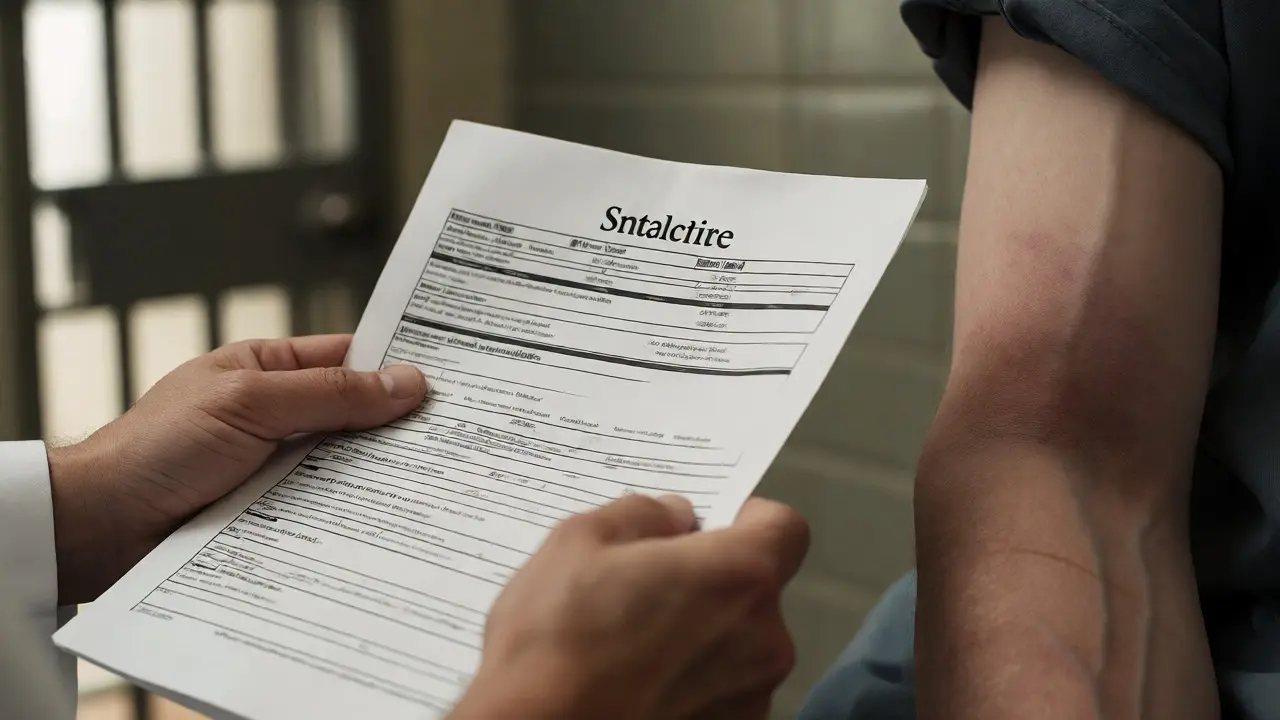
Talking is one thing. Looking is another. During the medical exam part of intake, staff check for physical markers of long-term substance abuse. Track marks from IV drug use are obvious. But there are subtler signs. Nasal damage from snorting cocaine. Yellowing teeth or gum disease associated with methamphetamine use. Liver enlargement or jaundice from chronic alcohol consumption.
Then there’s the timeline. If you were arrested after a weekend binge, you might hit peak withdrawal within 24 to 72 hours. Facilities use scales like the CIWA (Clinical Institute Withdrawal Assessment for Alcohol) to monitor this. If your score goes up, you get medication. If it stays low, you move on. This isn’t just about comfort; untreated alcohol withdrawal can cause seizures and death. The assessment continues well past the first hour. Staff watch for tremors, hallucinations, or confusion over the first few days. This ongoing observation is part of the broader assessment process, confirming or ruling out the initial screening results.
Barriers to Accurate Assessment
Why does this system sometimes fail? Language barriers are huge. If you speak limited English, standard forms become useless. Misinterpretation happens. Cultural stigma plays a role too. In some communities, admitting to drug use is seen as a moral failure rather than a health issue, so inmates deny it fiercely. There’s also the fear of punishment. Some inmates believe that admitting to drug use will make them look "weak" to guards or other inmates, or that it might affect their parole eligibility negatively.
Staff burnout is another factor. Overcrowded jails mean nurses see dozens of intakes a shift. Rushed interactions lead to superficial answers. If the intake officer is focused on security contraband, the health questions feel like an afterthought. Technology helps-some facilities now use tablet-based self-administered screens-but they lack the nuance of a human conversation. You can’t fake a smile on a tablet, but you can click "No" to a question about pain while you’re clearly grimacing.

The Impact of Proper Intake Assessment
So, why bother with all this effort? Because accurate assessment saves money and lives. When facilities correctly identify Substance Use Disorders at intake, they can connect inmates with evidence-based treatments like Medication-Assisted Treatment (MAT). MAT uses medications like buprenorphine or methadone to manage cravings and withdrawal. Studies consistently show that inmates who receive MAT during incarceration are less likely to overdose upon release. Most overdose deaths among formerly incarcerated individuals happen in the first two weeks after getting out. Catching the disorder inside gives you a head start.
It also improves facility safety. Untreated withdrawal makes people irritable, aggressive, and unpredictable. By managing the medical side, jails reduce violent incidents and suicide attempts. From a public health perspective, treating addiction behind bars breaks the cycle. You exit with a stable baseline instead of a desperate craving that sends you straight back to the dealer and then back to court.
Key Takeaways
- Intake is the gatekeeper: The first 24 hours determine access to life-saving healthcare.
- Tools vary: AUDIT-C and DAST-10 are common, but they must be paired with clinical interviews for accuracy.
- Physical signs matter: Nurses look for withdrawal symptoms and long-term damage, not just listen to answers.
- Context is key: Clinicians must distinguish between situational use and chronic disorders, accounting for stress and environment.
- Outcomes depend on follow-through: Screening means nothing without access to treatment like MAT or counseling post-release.
What happens if I lie about my drug use during intake?
If you hide severe dependency, you risk going through withdrawal unmedicated. This can lead to seizures, hospitalization, or disciplinary action if you act out due to discomfort. Conversely, overstating use might get you placed in a restrictive unit unnecessarily. Honesty ensures you get the right level of care.
Do all jails use the same screening tools?
No. While federal prisons and large state systems often have standardized protocols using tools like the AUDIT-C, smaller county jails may rely on older methods or simple verbal checks. Funding and staffing levels heavily influence which tools are available.
Is substance use disorder considered a disability in corrections?
Under laws like the Americans with Disabilities Act (ADA), substance use disorder is generally protected, especially if the individual is not currently using illegal drugs. However, active addiction complicates legal protections. Facilities must provide reasonable accommodations, such as access to medication, but they can still enforce rules against drug use within the facility.
How long does the intake assessment take?
The basic screening takes 10-20 minutes. A full clinical assessment, including medical history review and physical exam, can take up to an hour. However, the observation period for withdrawal symptoms lasts several days, meaning the assessment process effectively continues throughout the first week of incarceration.
Can family members provide information during intake?
Usually, no. Privacy laws and security protocols restrict external input during the immediate intake phase. However, once the inmate is housed, case managers may contact family members to gather collateral information about past treatment history or substance use patterns to refine the care plan.